
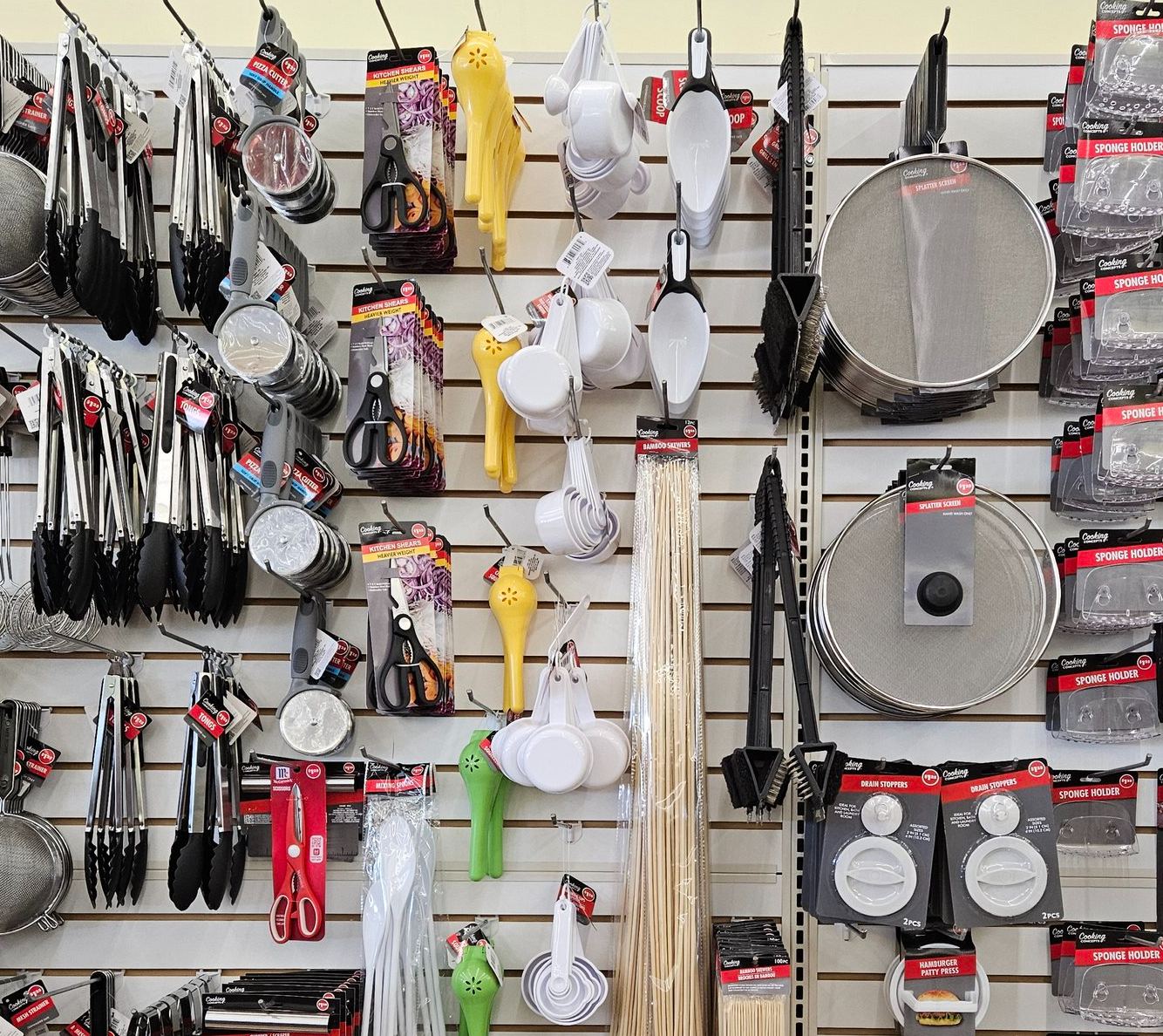
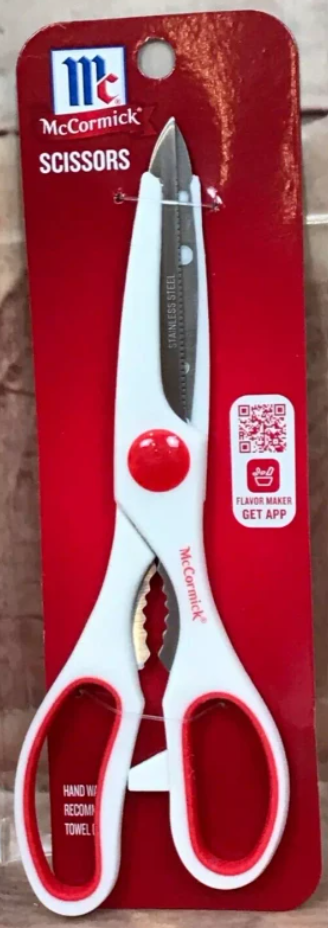
There are two items on this wall of kitchen tools, that was in a Dollar Tree ($T)near me, that I found useful in my Bean Sprouting Project. First was the “splash guard” and the second, that I really didn’t think I needed, became absolutely necessary, the red pair of kitchen shears (scissors).

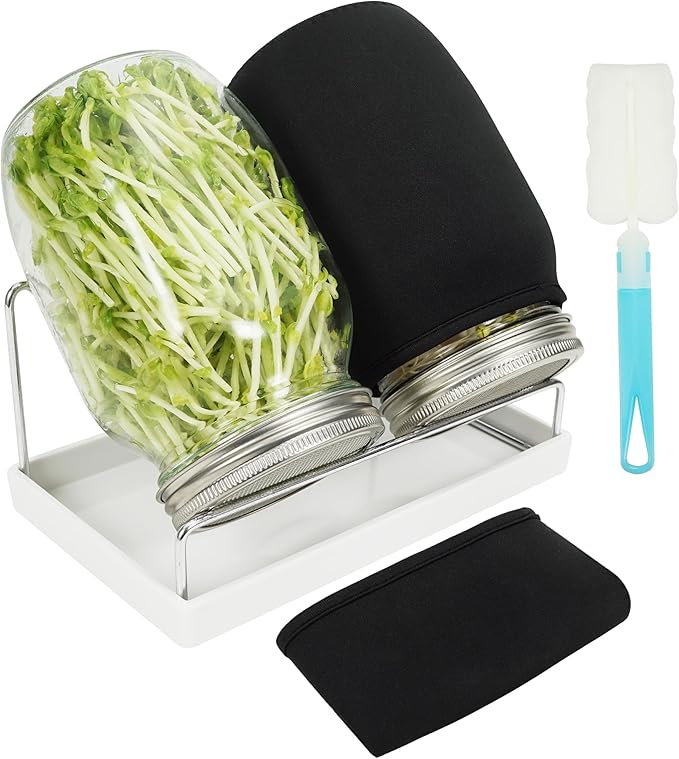
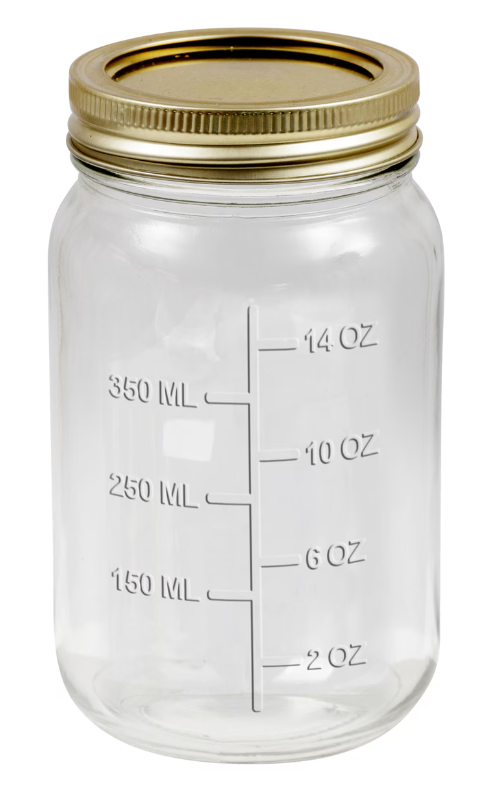


I had looked online and found that all the sprouting jar lids (to be used on Ball or Mason Jars) were only for the “wide-mouth” jars. *Oh, you can buy glass jars, either the pint or quart size (not Ball/Mason) for $1.25 at $T. I wanted to use a regular mouth jar for my sprouting, and those wide-mouth specialty lids all cost about $4 or higher. As I was walking in “Ollie’s” I happened to see a grease splash guard but it cost about $4, but the thought came to me that I should be able to get one for $1.25 at Dollar Tree, and I did. I might be able to easily make 5 jar lid meshes out of one splash guard, but so far I’ve only made one and am reusing it for my second bean sprouting project. **I managed to cut out about 8 mesh strainers from the one splash guard, so that’s about 35 cents each, and I got the regular sized canning jars size instead of the wide-mouthed size.
There must have been some subconscious motivation for me to buy a pair of kitchen shears. I know I have one, somewhere, and I have several sewing scissors that I rarely use. One pair of these are a blackish metal with a sharp point. Mom used these for sewing her Butterick dresses. But buying these was prophetic.
I got the metal splash guard home and traced a black circle around a Mason jar cap with a permanent marker. How hard was that? But then the unexpected problem presented itself. I didn’t have any scissors or tin snips that would cut the metal of the splash guard. After being stymied, I thought I might have to buy some kind of screen door material that was made of a fine mesh plastic. But, before I went out looking for that, I happened to look down at the bag of things I had bought at Dollar Tree and realized I had a new pair of kitchen shears. I took them out. I think they were slightly serrated along the blades. And, to my surprise they worked. I now had a round metal mesh that fit perfectly in a regular Mason Jar lid. And although I didn’t glue this mesh into the jar lid, it remained stuck there for the entire remaining process. *I’ve cut my second mesh from the splash guard and trimming this one was much easier. It fits snuggly in the jar lid, and I’ve added a “second round” of mung beans. I also have some black eyed peas that haven’t sprouted yet. I’ve read that they have a unique flavor. And I have my sprouted lentils in the refrigerator.
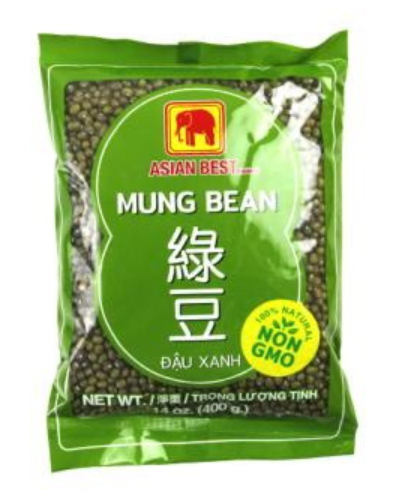
I had seen dry mung beans in a bin at Sprouts (not prophetic) where I normally buy prunes, dry cranberries, and assorted nuts, but when I go looking for mung beans, they don’t have any. I next went to the Apple Crate Naturals (health foods store) and they didn’t have any mung beans either, but the clerk there suggested I go to Sun Asian Market. I already knew of Sun, and have shopped there several times for assorted items. I asked the clerk at Sun if they had mung beans and I was taken down several aisles and they had two different vendors selling packaged dry mung beans. I bought the one you see above for 99 cents.
You add the unsprouted beans (mung, lentils) in the jar and fill with a generous amount of water. Let this sit for 12 hours, or overnight, then drain. I don’t recall how many times you do this, and then drain, but eventually you just rinse the sprouting beans about twice a day and don’t let them sit in the water. I used one of my black soup bowls to put the jar in and lean it to it’s side slightly. It fit perfectly in the bowl for this purpose.
The AI suggested that I use a black sock, cutting the foot out and putting it over the jar. That worked perfectly. I probably should wash this sock after each use because it does get wet and remains wet for the duration of the process. But, the beans sprout, and then grow longer until they are ready to be used. Crunchy.

I used my Mung Bean sprouts both in a stir fry and in my Wakame Seaweed Salad and they worked fine. I think I only used 1/8 of a cup of beans, at least that is the amount of lentils I have started for my second bean sprouting project. I’m surprised at how quickly that I used the Mung Bean sprouts, and they did pretty much filled the jar. *If you have them, you will find a way to use them… I’ve put the sprouted Mung beans in my red cabbage slaw, in my homemade guacamole, in my wakame seaweed salad and I just thought, I might even try them mixed with my steamed cauliflower and Spicy Chili Crisp… that would be quite a juxtaposition of both flavors & textures.
I just refreshed my memory of the process. Cover the beans with a generous amount of water for 12 hours. Pour out and rinse, but pour out the water and invert the jar. Then add water and rinse twice a day. After several days the bean sprouts will grow. Eventually you take them out of the jar, dry them off and put them in a container and into the refrigerator.
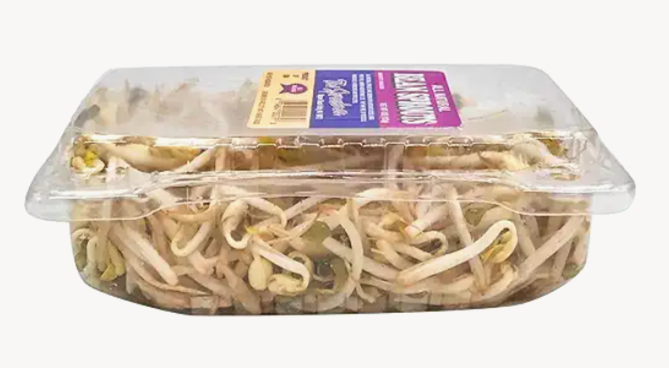
I was very happy with my first bean sprouting project and hopefully will keep doing it. Better than buying a container at Whole Foods and then using it only once before they go bad.
SPROUTING BEAN SOURCES
- Sun Asian Market [Fayetteville, NC]
- I bought a bag of Mung beans for about a dollar. They had two companies. *When I returned to buy another bag, they had doubled in price to $2, but I still think of that as a good deal.
- True Leaf Market (Sprouting Seeds) [O]
Broccoli Sprouts

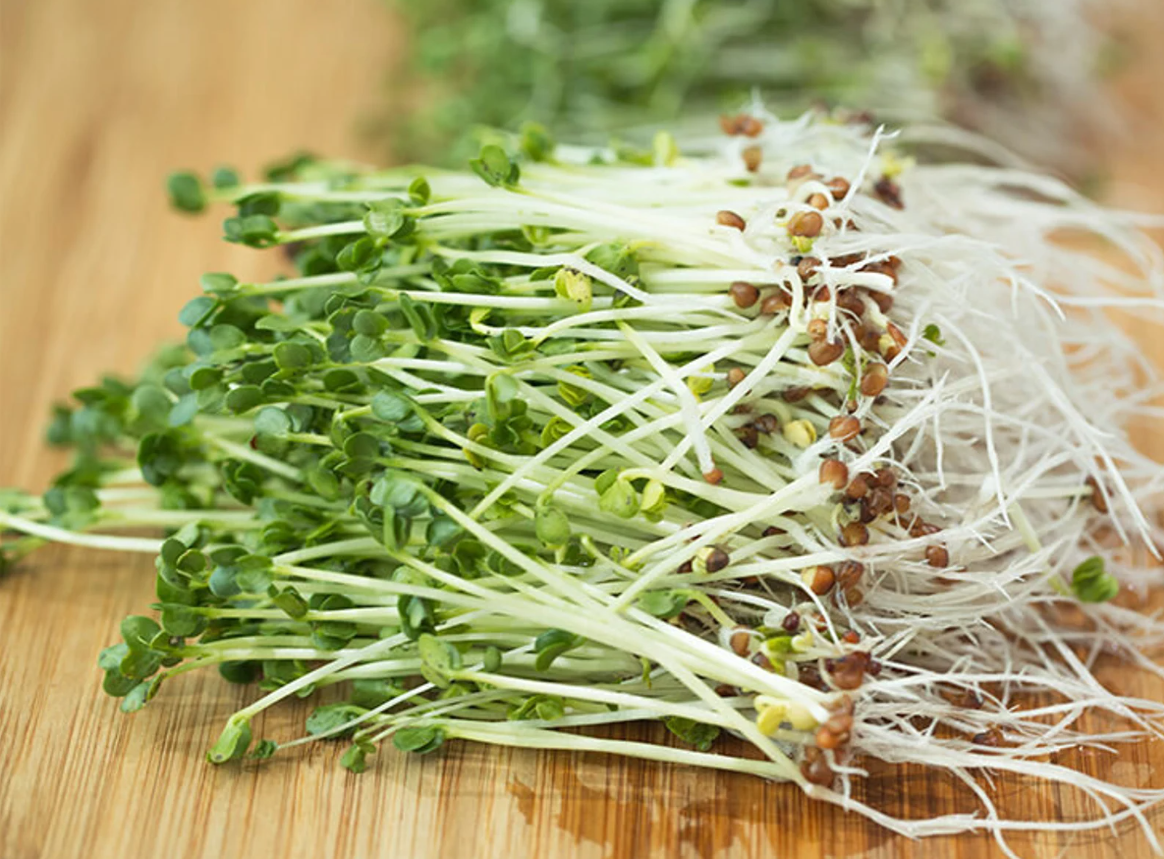
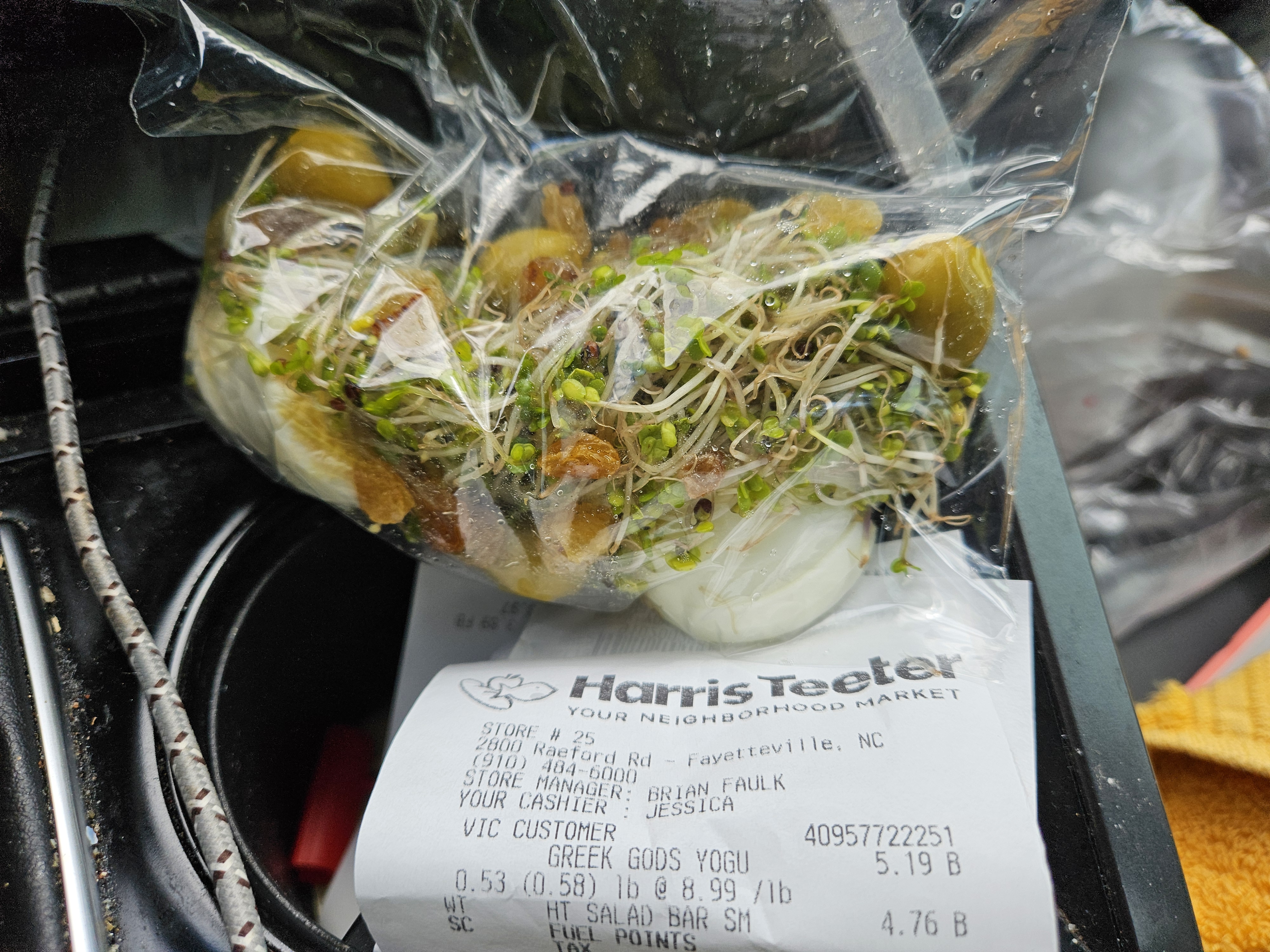


I think I tried to sprout broccoli seeds at home and wasn’t quite happy with the outcome, so I’ve been buying already sprouted broccoli seeds at the store. I’ve tried two different brands and am happy with the “Sunny Creek Farm” brand that I’ve bought at The Fresh Market. *There was a time when I would buy a package of sprouts, eat one helping and then let the rest rot in the fridge, but I’ve been good lately about buying, and using them all, mainly because I am adding some to my almost daily salads (IGA or HT), and I’ve also added them to a simple salad with sliced red radishes, and some ground mustard seeds. The mustard seed enzymes interact with the broccoli sprouts to enhance the sulforaphane production.
Mung Beans
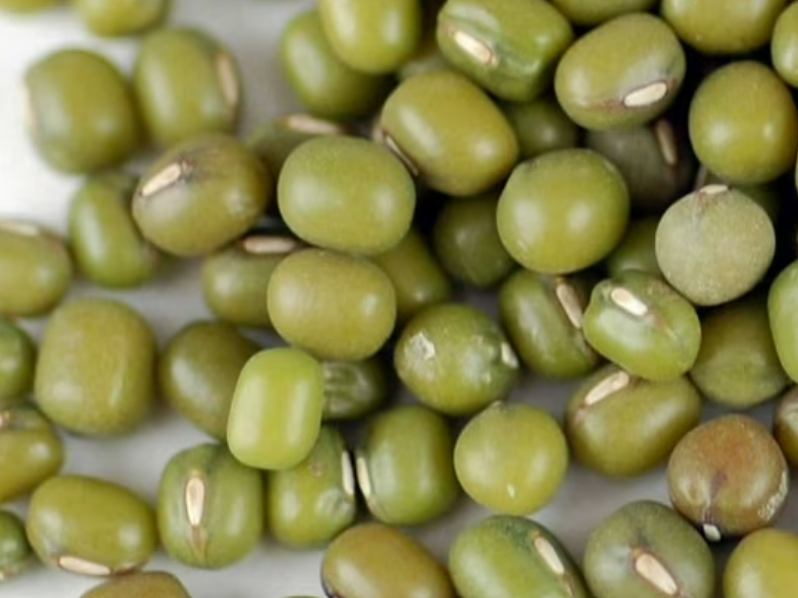
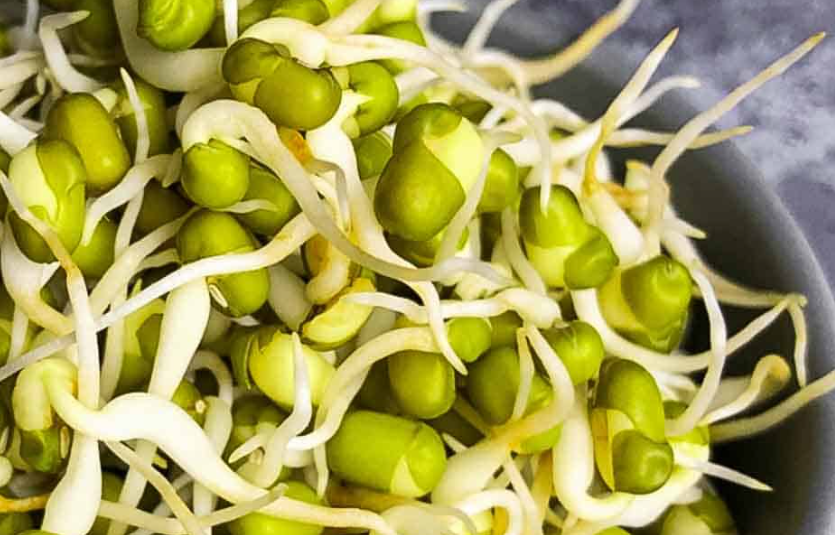
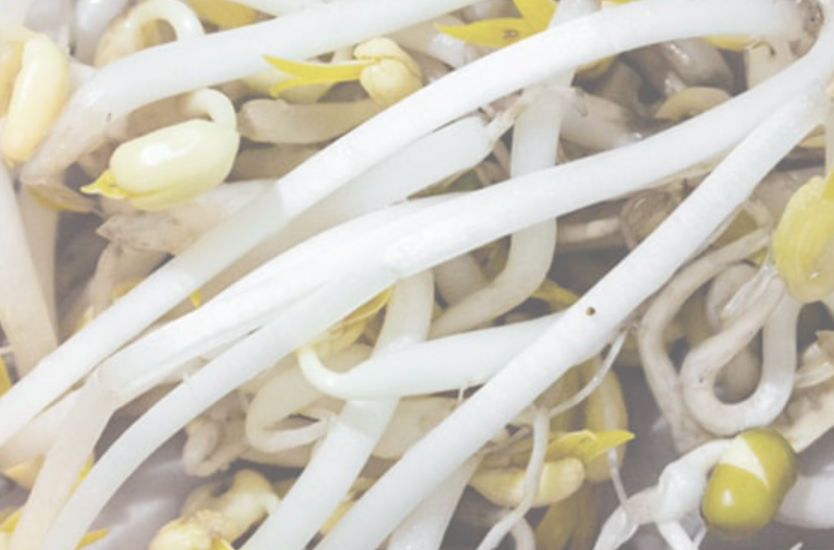

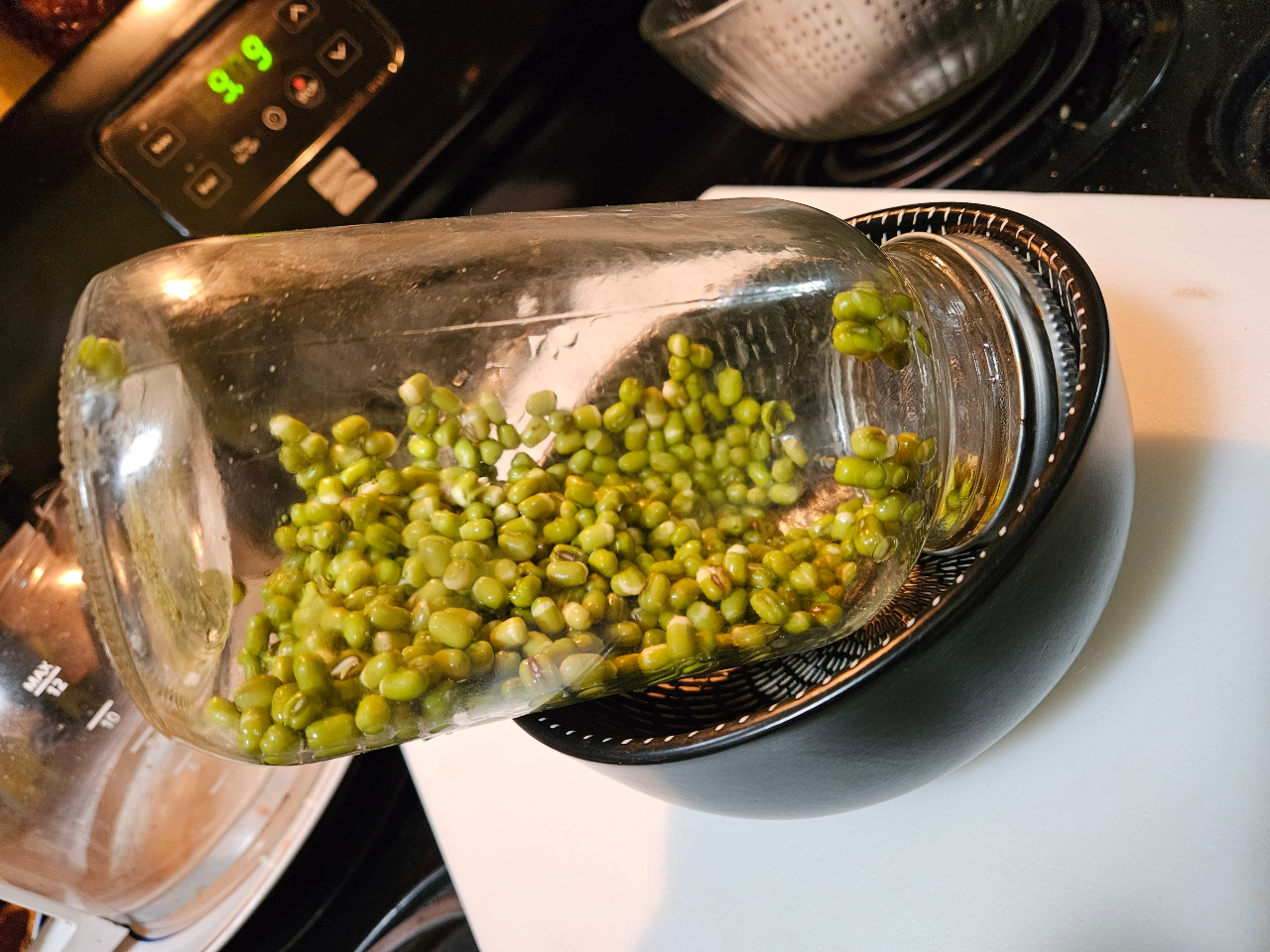
height to lean the glass jar perfectly.
I am completely happy with the Mung bean sprouts and have some well on their way again.
Lentils

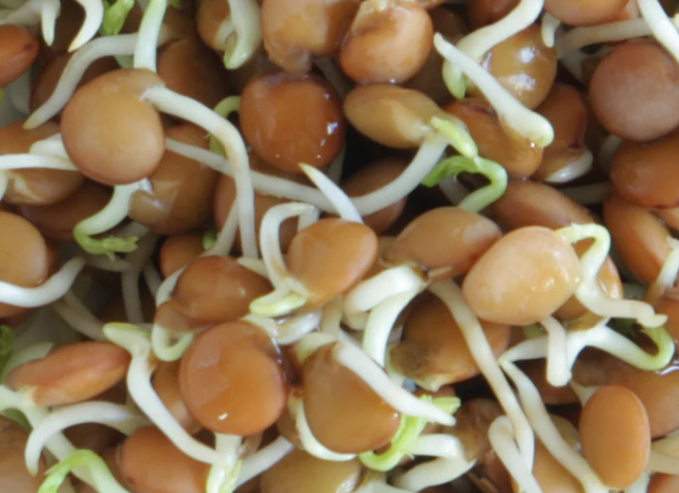
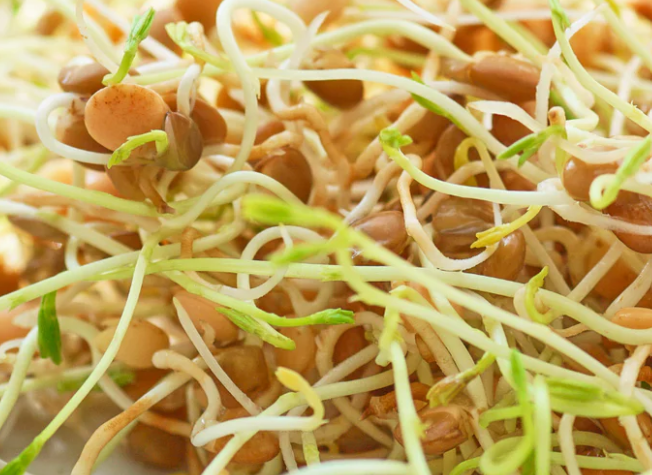
The lentils sprouted but I the flavor wasn’t as good as the Mung beans in my seaweed salad. And, I tried at a later time to sprout some of the red lentils I had and they just didn’t sprout, so I threw them out.
Black Eyed Peas
Just a note here. I tried sprouting these and they did begin to sprout, but only a few days into the process I noted a slight sour smell. I tried several peas and they were easily chewable, but I decided to pour them out.
Amaranth
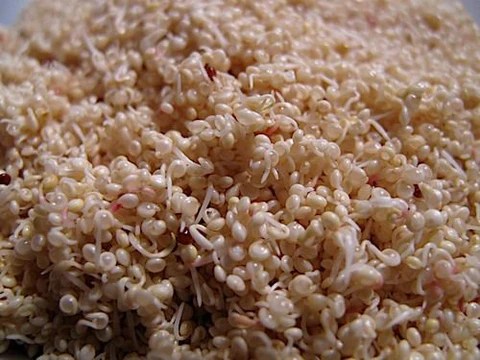
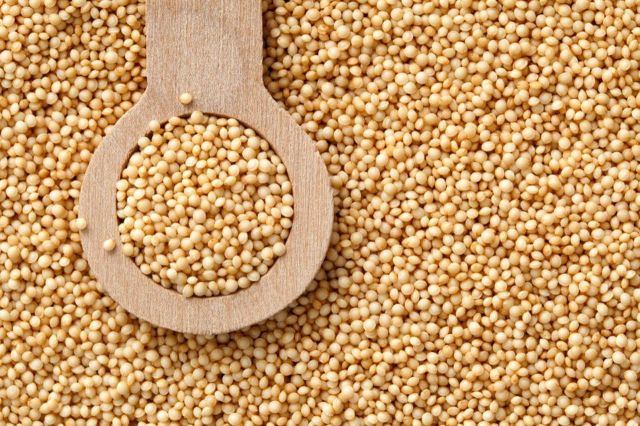
A very tiny seed, that apparently makes a very tiny sprout. It will be interesting if it has a unique flavor. *For my first try at sprouting Amaranth, I used 1/8 of a cup of the small seeds. They may not sprout well in a jar, as do Mung beans.
TYPE OF SEEDS TO SPROUT:
- Moong dal seeds
- Radish seeds
- Broccoli seeds
- Crimson clover
- Mustard seeds
Mung bean sprouts are a powerhouse of nutrition—low in calories but rich in essential vitamins, minerals, and antioxidants. Here’s a breakdown of their main benefits:
🥦 Nutritional Highlights (per 1 cup, ~104g, raw):
- Calories: ~31
- Protein: 3g
- Carbohydrates: 6g
- Fiber: 2g
- Fat: 0.2g
🌱 Key Nutritional Benefits
1. High in Antioxidants
- Contain compounds like vitamin C, flavonoids, and phenolic acids, which help fight oxidative stress and reduce inflammation.
2. Good Source of Plant-Based Protein
- Offers a small but quality dose of protein, especially useful in vegetarian or plant-forward diets.
3. Digestive Health
- The fiber in sprouts aids in digestion and helps maintain healthy bowel movements.
- The hulls are a good source of insoluble fiber, which aids in digestion, promotes gut health, and can help regulate blood sugar levels.
- Also easier to digest than unsprouted mung beans due to reduced anti-nutrients like phytic acid.
4. Supports Heart Health
- Low in fat and cholesterol.
- Contains potassium and magnesium, which support healthy blood pressure levels.
5. Rich in Folate (Vitamin B9)
- Essential for DNA synthesis and particularly important during pregnancy to prevent neural tube defects.
6. Boosts Immunity
- Good amount of vitamin C, which enhances immune function and aids in collagen production.
7. Helps with Blood Sugar Control
- The low glycemic index and fiber can help moderate blood sugar spikes.
8. Hydrating and Low-Calorie
- High water content helps with hydration and can be a filling, low-calorie food for weight management.
🍽️ How to Use Them
- Raw in salads or wraps
- Stir-fried briefly with garlic and sesame oil
- Added to soups, spring rolls, or Asian-style noodle dishes & my Wakame Seaweed Salad.
- I like them in a red cabbage slaw, with Dukes Mayo, half-n-half and some sweet onion. They provide a pleasant crunch.
 Bill Gibson, II