
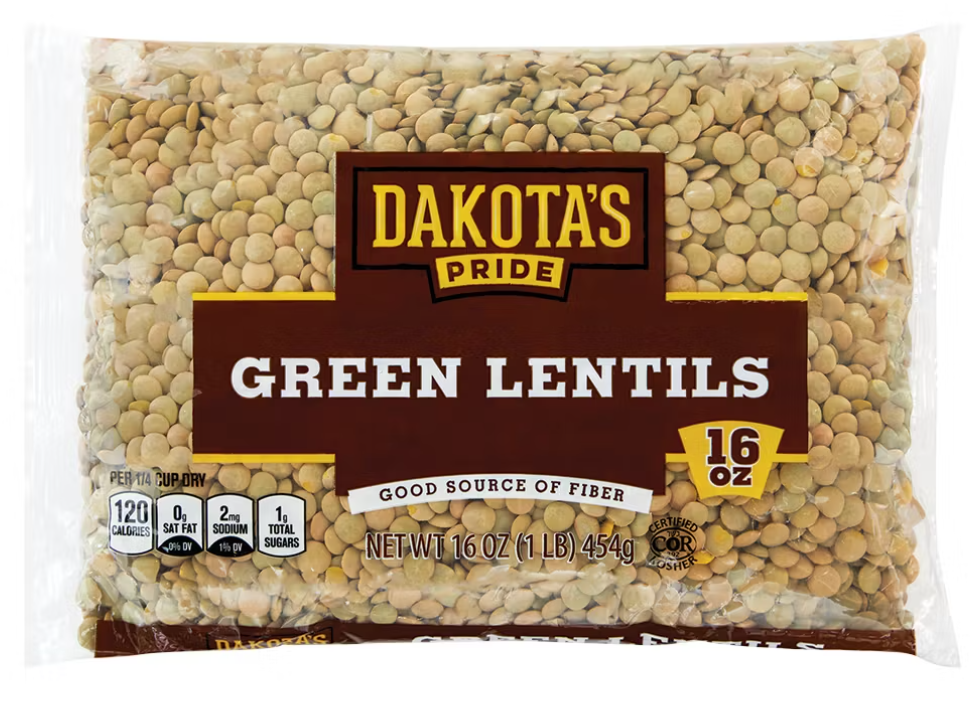
Aldi’s was supposed to have Lentils for $1.55 for 16 oz. but when I got there, they were only charging $1.39

Spicy Pork, Lentil & Quinoa Soup
This recipe aims for a comforting, slightly spicy, and aromatic soup.
Yields: 2-3 servings (approximately) Prep time: 15 minutes Cook time: 30-40 minutes
Ingredients:
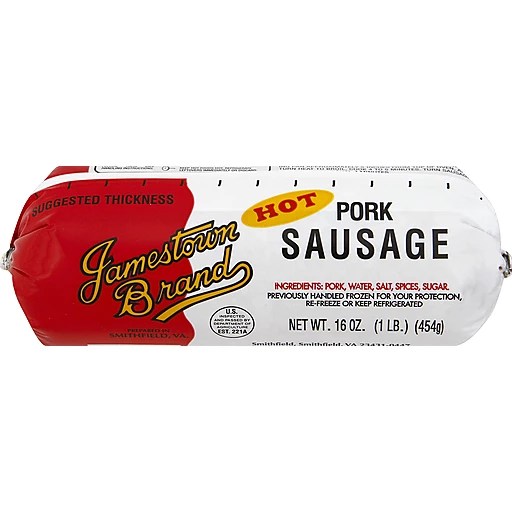
- 1 Hot Pork Sausage
- 1 medium Carrot, diced
- 0.25 cup Onion, diced
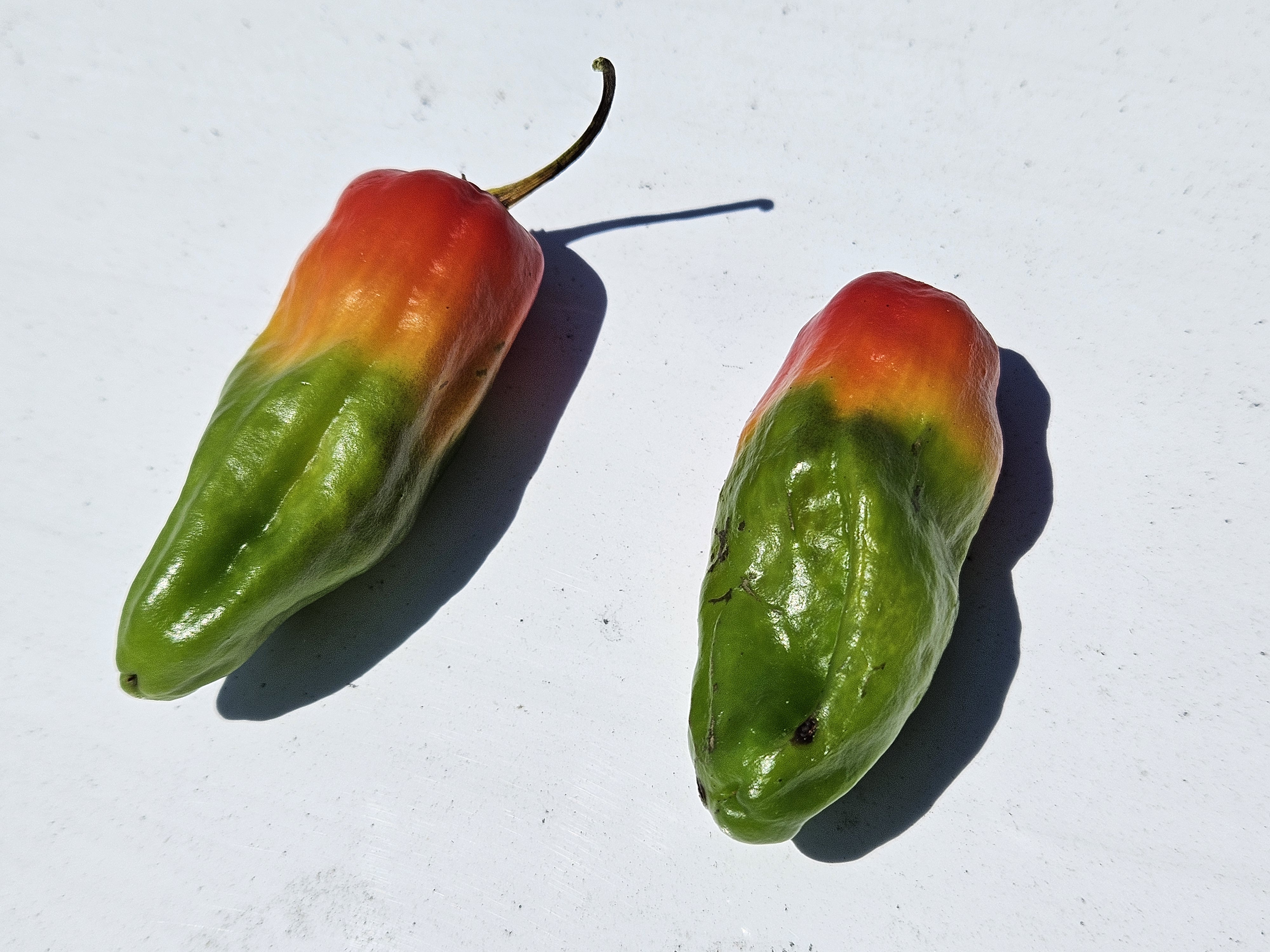
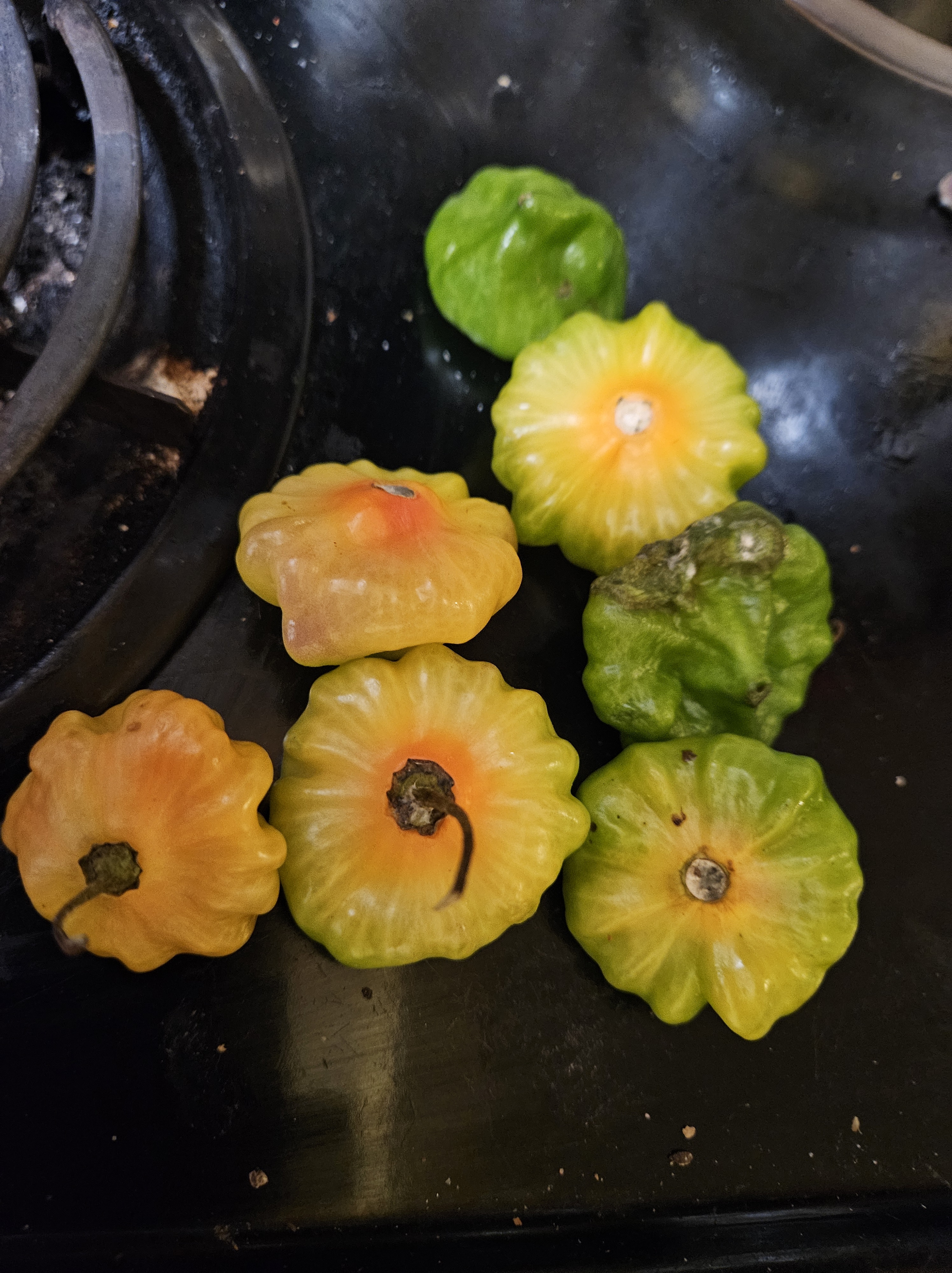
- 1 Sweet Pepper, diced
- 3 tbsp Cooked Lentils
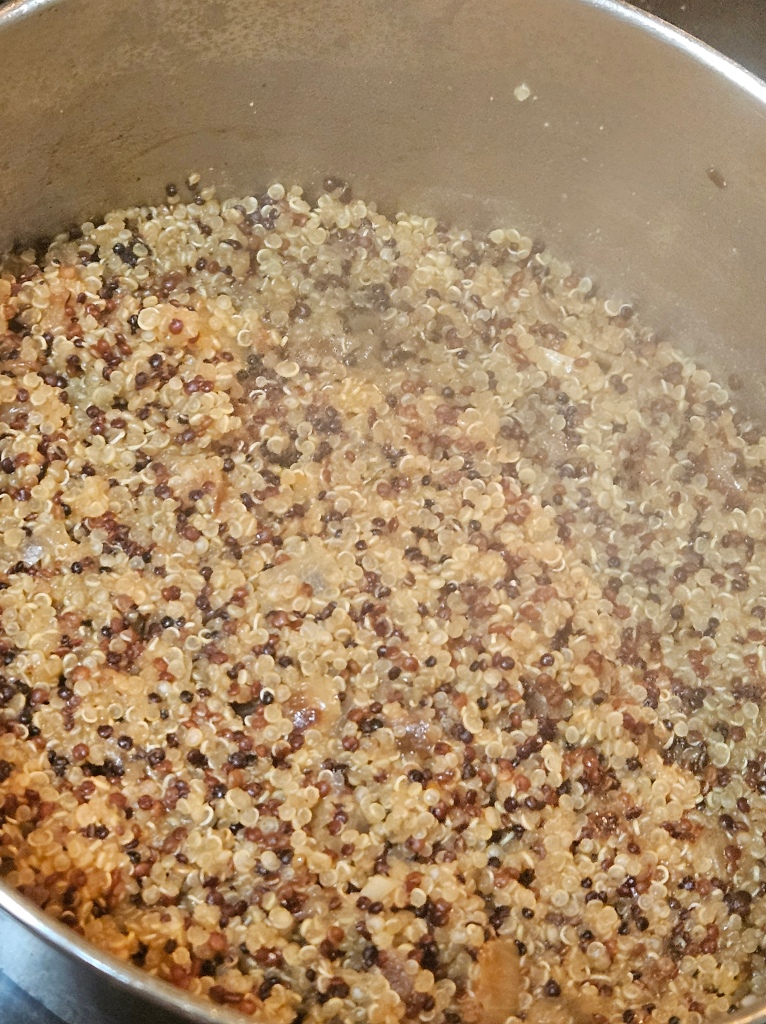
- 2 tsp Cooked Quinoa
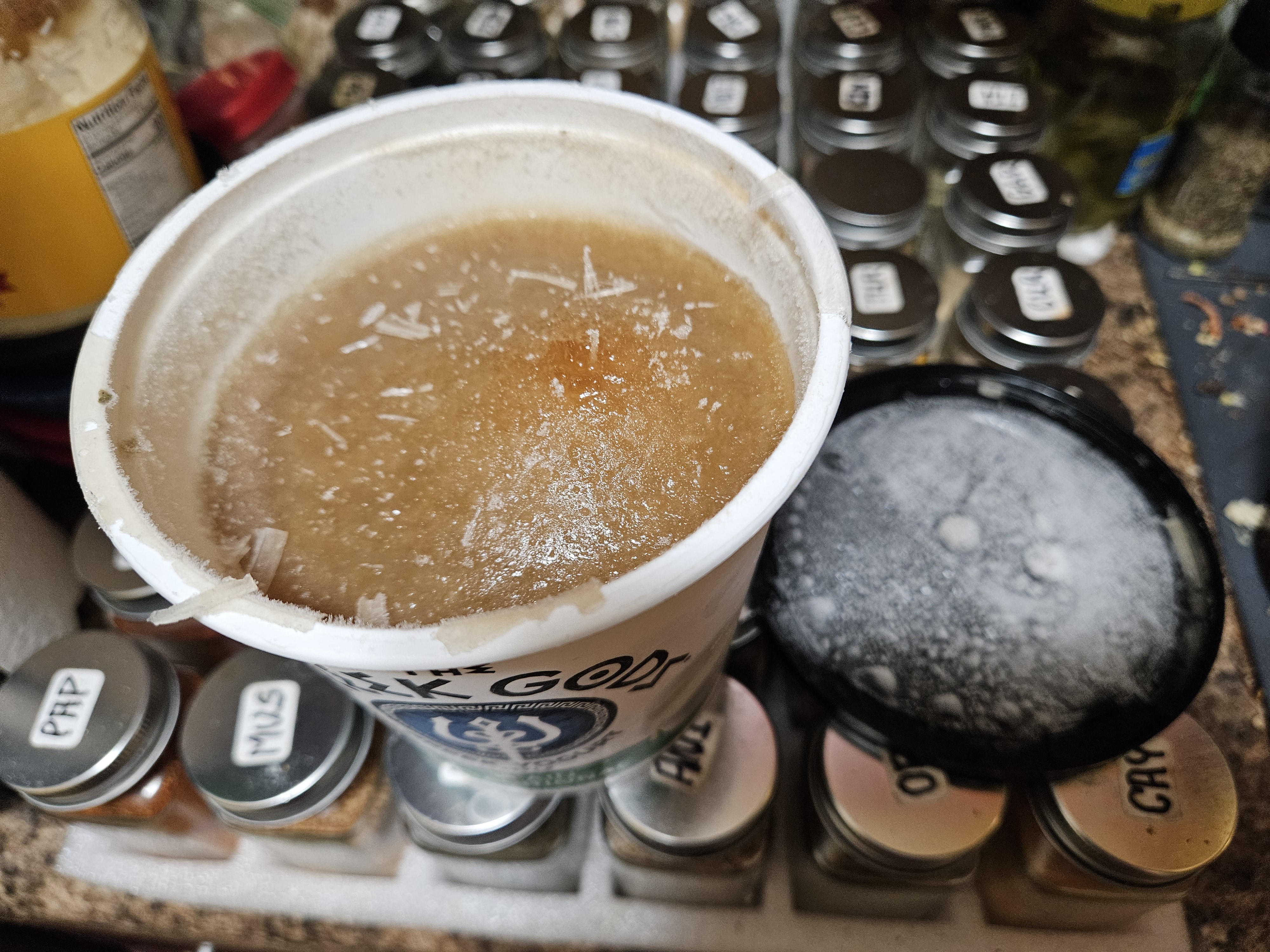
- 2 cups GV – Chicken Broth
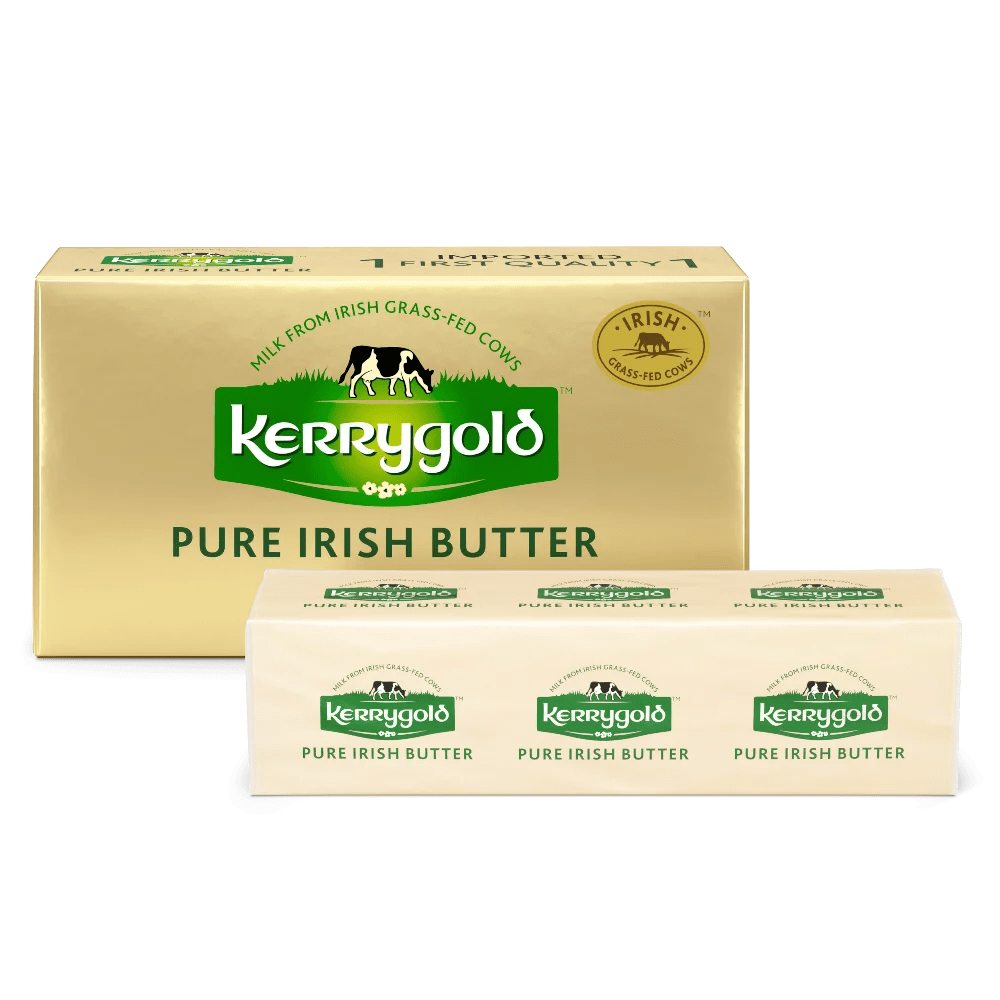
- 1 tsp Grass Fed Butter
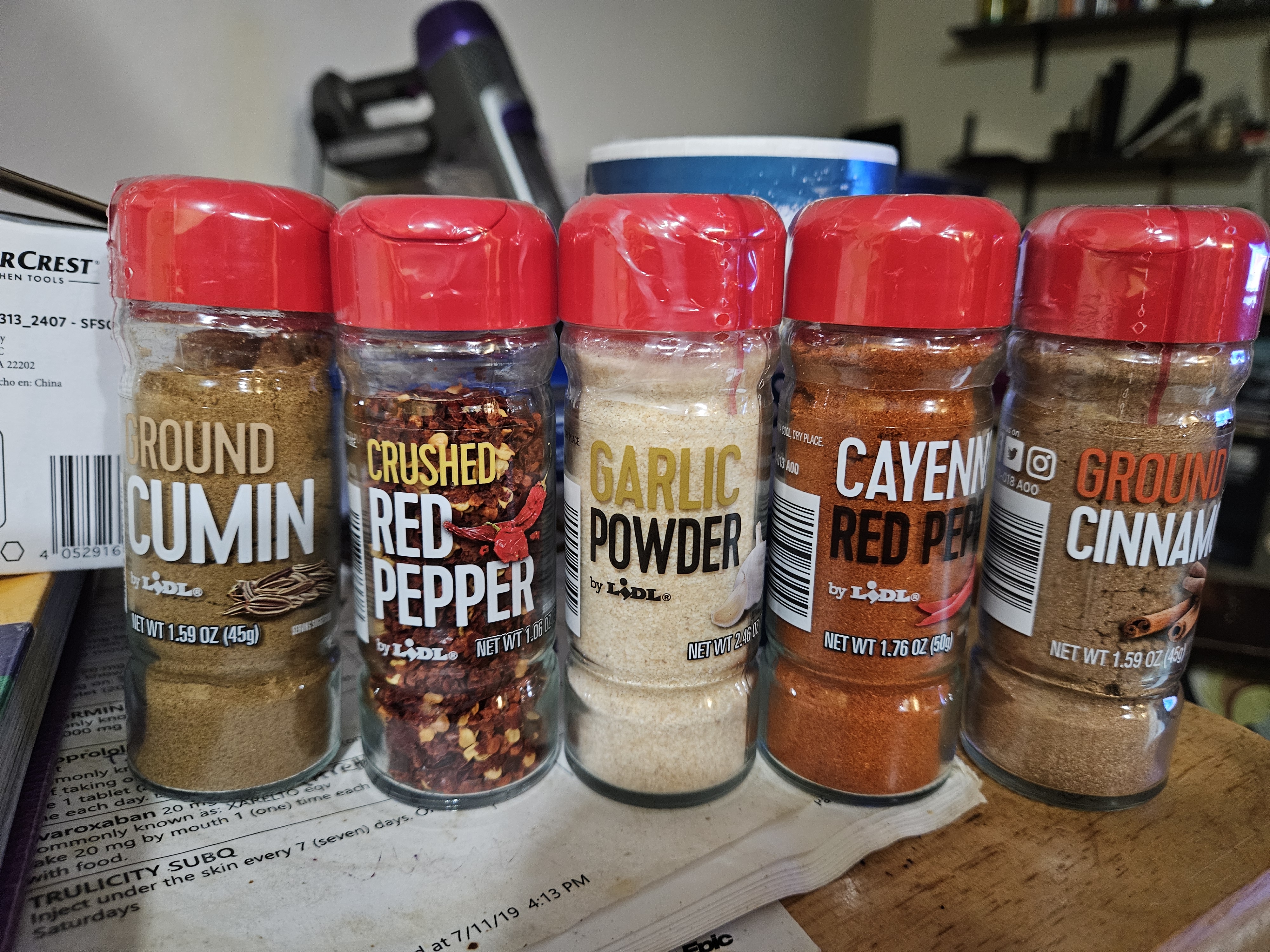
- 1-2 cloves garlic, minced (from Garlic Powder, see note)
- 1/2 tsp Turmeric Powder
- 1/4 tsp Fenugreek Powder
- 1/4 – 1/2 tsp Red Pepper Flakes (adjust to your spice preference)
- Salt & Pepper to taste
- Fresh Cilantro, chopped (for garnish)
This soup is likely to be a good source of protein, fiber, and various vitamins and minerals.
Here’s a look at the key contributions from each main ingredient:
Hot Pork Sausage:
- Calories: Can be significant, ranging from 100-200+ calories per sausage.
- Protein: Good source of protein (e.g., around 10g per sausage).
- Fat: Contains a notable amount of fat, including saturated fat.
- Sodium: Often high in sodium due to processing and seasoning.
Lentils (cooked, 3 tbsp):
- Calories: Relatively low for the volume, but contribute to overall energy.
- Fiber: Excellent source of dietary fiber, crucial for digestive health and feeling full.
- Protein: Good plant-based protein source.
- Vitamins & Minerals: Rich in folate, iron, potassium, phosphorus, and magnesium.
Quinoa (cooked, 2 tsp):
- Calories: Similar to lentils, it contributes to energy without being excessively high.
- Carbohydrates: Primarily complex carbohydrates, providing sustained energy.
- Protein: A “complete protein,” meaning it contains all nine essential amino acids, which is notable for a plant-based food.
- Fiber: Contributes to dietary fiber intake.
- Vitamins & Minerals: Good source of manganese, phosphorus, copper, folate, iron, magnesium, and zinc.
Carrots (1 medium):
- Calories: Low in calories (around 25-50 calories per medium carrot).
- Carbohydrates: Primarily complex carbs and natural sugars.
- Fiber: Good source of dietary fiber.
- Vitamins: Excellent source of Vitamin A (from beta-carotene), important for vision and immune function. Also contains some Vitamin C and K.
Onion (0.25 cup):
- Calories: Very low in calories.
- Vitamins & Minerals: Contains some Vitamin C, B vitamins, and potassium.
- Antioxidants: Rich in antioxidants.
Sweet Peppers (1 pepper):
- Calories: Low in calories.
- Vitamins: Excellent source of Vitamin C (often more than an orange!), and also provides Vitamin A and some B vitamins.
- Antioxidants: Rich in various antioxidants.
Cilantro:
- Calories: Negligible.
- Vitamins: Small amounts of Vitamin K and Vitamin A.
- Antioxidants: Contains beneficial plant compounds.
Grass-Fed Butter (1 tsp):
- Calories: Concentrated source of calories from fat.
- Fat: Primarily saturated fat, but grass-fed butter also contains beneficial fats like Conjugated Linoleic Acid (CLA) and short-chain fatty acids.
- Vitamins: Contains some fat-soluble vitamins like Vitamin A, E, and K2.
GV – Chicken Broth (2 cup):
- Calories: Generally low in calories (e.g., around 5-10 calories per cup for low-fat versions).
- Protein: Minimal protein, but contributes to the liquid base.
- Sodium: Can be high in sodium, depending on the brand. Opting for low-sodium broth can help manage this.
- Hydration: Primarily provides hydration.
Spices (Turmeric, Garlic Powder, Fenugreek Powder, Red Pepper Flakes, Salt & Pepper):
- Calories: Negligible from the small amounts used.
- Nutrient Boost:
- Turmeric: Known for its anti-inflammatory and antioxidant properties due to curcumin.
- Garlic Powder: Contains some vitamins and minerals, and compounds known for health benefits.
- Fenugreek Powder: Contains fiber, iron, and has been studied for its potential effects on blood sugar and cholesterol.
- Red Pepper Flakes: Contains capsaicin, which can have metabolism-boosting and pain-relieving effects.
- Salt: Provides sodium (essential for bodily functions, but needs to be consumed in moderation).
- Pepper: Contains trace amounts of minerals and antioxidants.
Overall Nutritional Profile of the Soup:
- Good source of Protein: From the pork sausage, lentils, and quinoa.
- High in Fiber: Thanks to the lentils, quinoa, carrots, onions, and sweet peppers.
- Rich in Vitamins: Especially Vitamin A (from carrots and butter), Vitamin C (from sweet peppers and onions), and Folate (from lentils and quinoa).
- Provides various Minerals: Including iron, potassium, magnesium, and zinc.
- Hydrating: Due to the chicken broth.
- Healthy Fats: From the butter and some from the sausage.
- Antioxidants and Anti-inflammatory Compounds: From the vegetables and spices like turmeric, garlic, and sweet peppers.
 Bill Gibson, II