
🌱 Sprout Guide (Alphabetized + Grouped by Benefits)
| Sprout Type | Calories | Carbs (g) | Fiber (g) | Net Carbs | Protein (g) | Key Nutrients / Benefits |
|---|---|---|---|---|---|---|
| Alfalfa | ~8 | 1 | 0.6 | 0.4 | 1 | Vit K, trace Vit C & folate; very low calorie |
| Broccoli | ~35 | 5 | 2 | 3 | 2.5 | Vit C, Vit K, sulforaphane (antioxidant, blood sugar support) |
| Clover | ~10 | 2 | 1 | 1 | 1 | Similar to alfalfa; Vit K, phytoestrogens |
| Lentil | ~82 | 17 | 7 | 10 | 7 | High protein & fiber; iron, folate, magnesium |
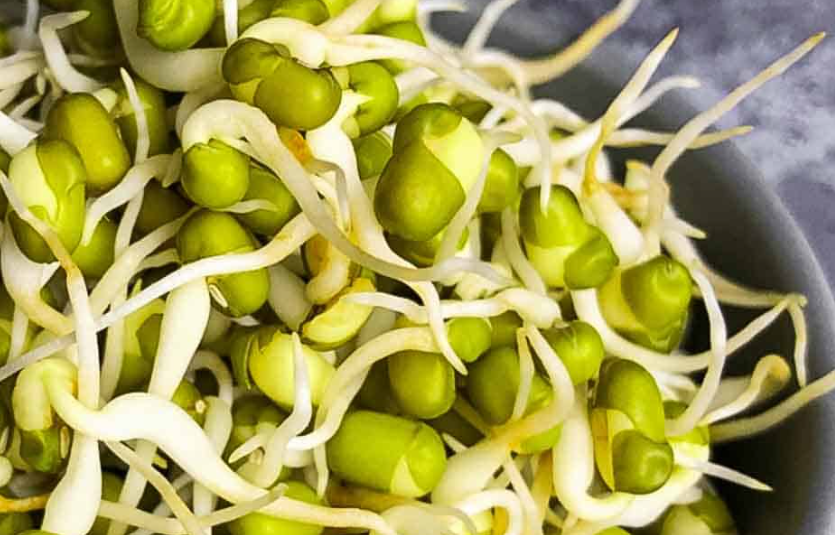
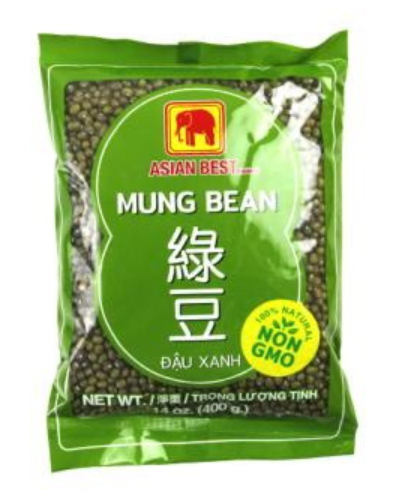
| Mung Bean | ~31 | 6 | 2 | 4 | 3 | Vit C, Folate, Potassium; hydrating & filling |
| Radish | ~16 | 3 | 1 | 2 | 1 | Vit C, spicy flavor; antioxidants |
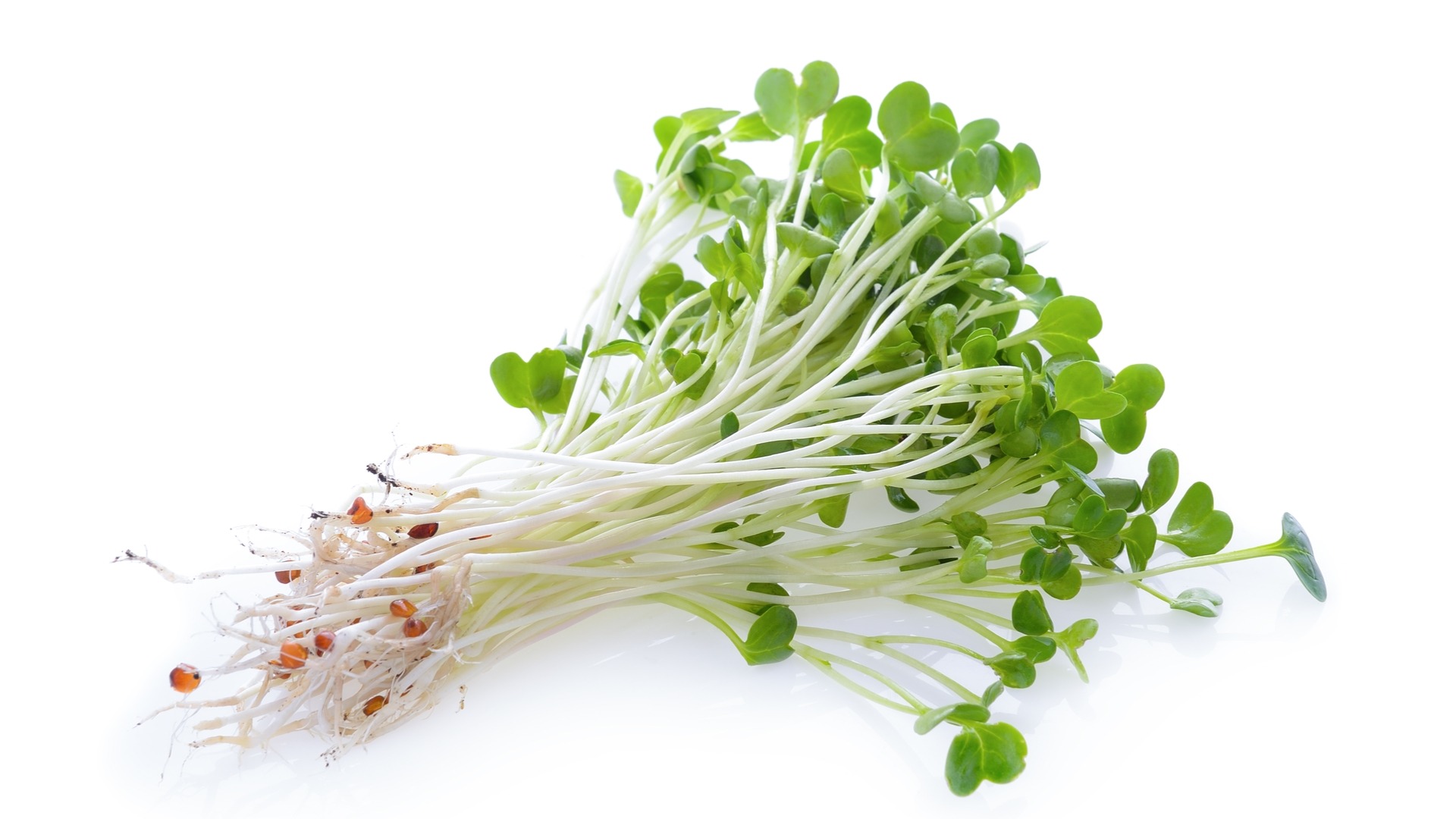
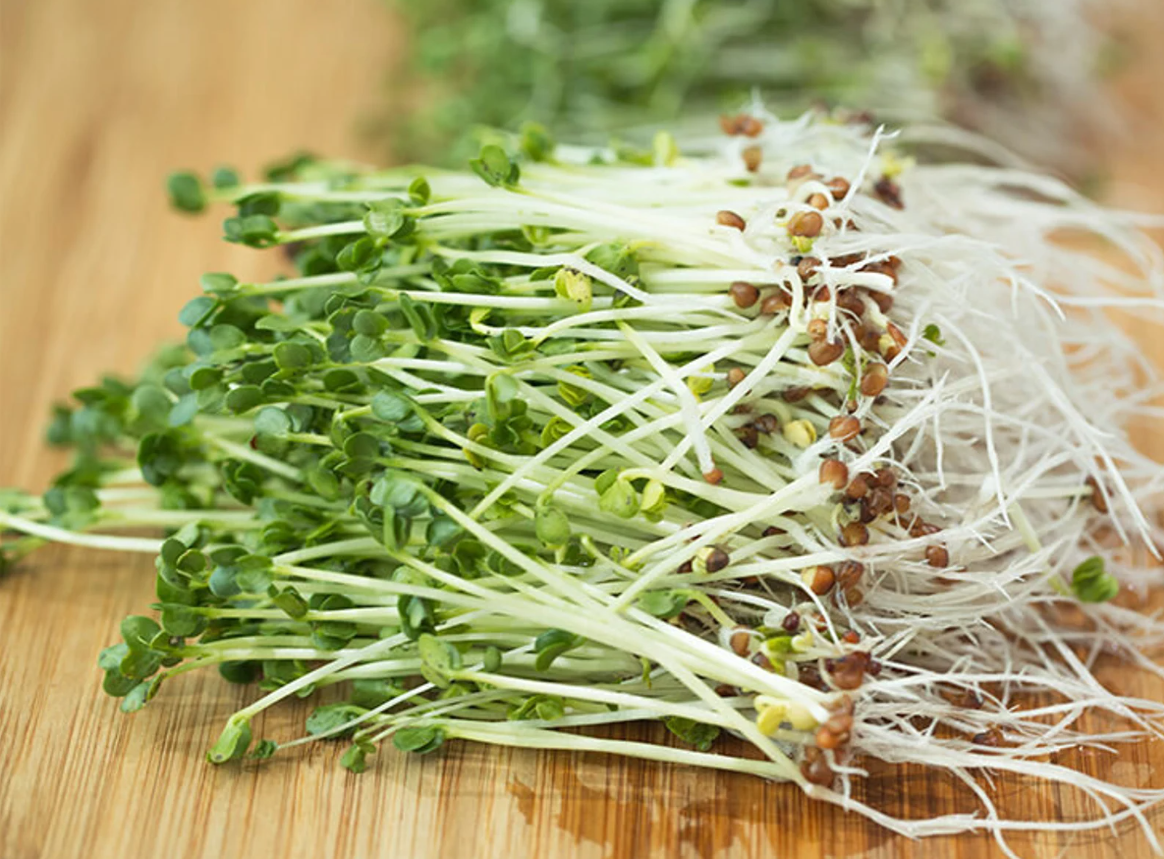
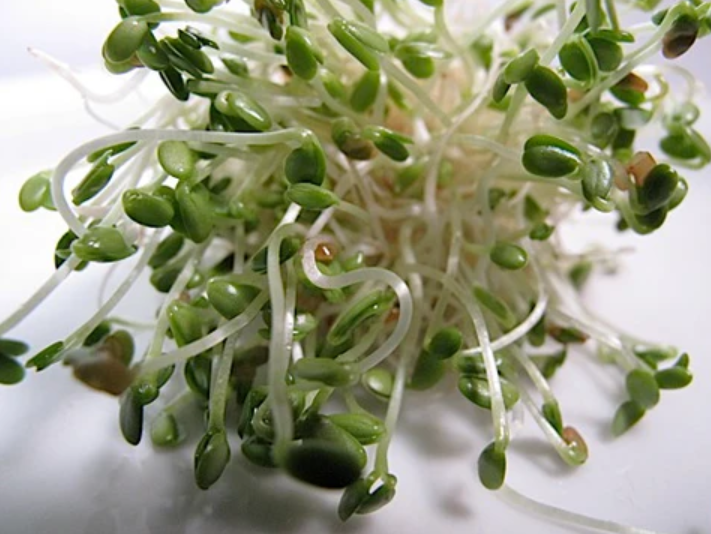
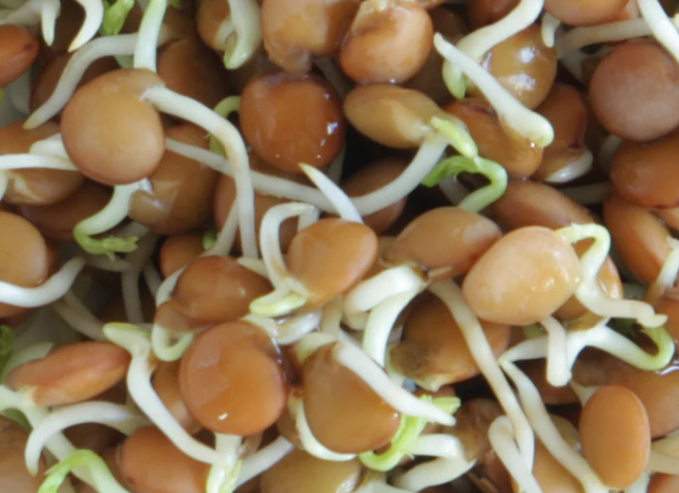
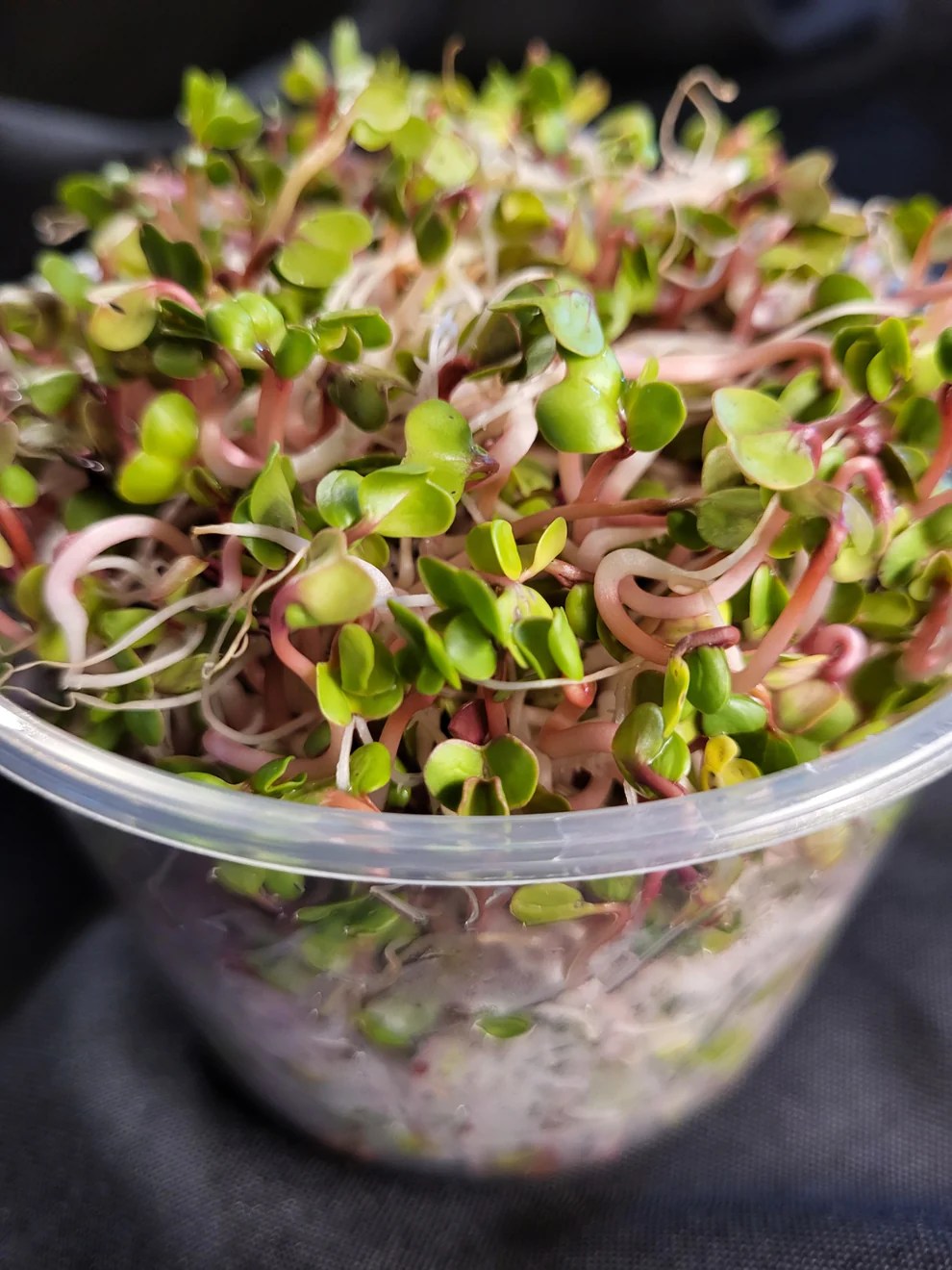
I’ve read that sprinkling some ground mustard seeds on broccoli sprouts increases the sulforaphane. Apparently there is an enzyme in the mustard seeds that does this.
🌱 Sprouts Ranked for Type 2 Diabetes
| Rank | Sprout Type | Why It’s Good (or Not) for Diabetes | Highlights |
|---|---|---|---|
| 🥇 1. Lentil Sprouts | Low GI, high fiber (8 g) and good protein (9 g). Helps slow glucose absorption. | Folate, iron, magnesium → excellent for blood sugar balance. | |
| 🥈 2. Chickpea Sprouts | Low GI, very high fiber (~10 g) and protein (~9 g). Keeps you full and reduces spikes. | Manganese & phosphorus for metabolism support. | |
| 🥉 3. Broccoli Sprouts | Not beans, but superstar for diabetes: sulforaphane improves insulin sensitivity & lowers fasting glucose in studies. | Rich in antioxidants, vitamin C. | |
| 4. Mung Bean Sprouts | Very low calorie (30 kcal/100 g), hydrating, and refreshing. Moderate fiber & protein. | Easy to digest, but lighter than lentil/chickpea in satiety. | |
| 5. Adzuki Bean Sprouts | Balanced in protein (5 g) and fiber (3 g). Low calorie, but less studied for diabetes directly. | Still a solid option. |
⚠️ Beans Unsafe to Eat as Raw Sprouts
| Bean Type | Toxin | Effect | Safe Prep |
|---|---|---|---|
| Kidney Beans (Red, White, etc.) | Phytohaemagglutinin (PHA) (a lectin) | Severe nausea, vomiting, diarrhea within 1–3 hrs | Must be soaked + boiled ≥10 min (sprouts must also be cooked) |
| Soybeans | Trypsin inhibitors, saponins, lectins | Interfere with protein digestion, can cause GI upset | Safe after boiling; avoid eating raw soybean sprouts |
| Black Beans | Lectins (PHA-like) | Digestive distress if raw | Cooking neutralizes toxins |
| Lima Beans | Cyanogenic glycosides → release cyanide | Toxic, potentially dangerous raw | Soak + cook thoroughly |
| Fava (Broad) Beans | Vicine, convicine (esp. risky for people with G6PD deficiency → favism) | Can trigger hemolytic anemia in sensitive individuals | Cooking reduces risk but caution needed |
✅ Key Rule
- Never eat raw sprouts from kidney, soybean, black, lima, or fava beans.
- Safe sprout families include lentil, mung, chickpea, pea, alfalfa, broccoli/radish/mustard.
🥩 Best for Protein
- Lentil sprouts (~7 g protein/cup)
- Mung bean sprouts (~3 g protein/cup, light but good volume)
⚡ Best for Low-Carb / Light Eating
- Alfalfa sprouts (virtually carb-free, ~0.4 net carbs)
- Clover sprouts (~1 net carb)
- Radish sprouts (~2 net carbs, adds spice)
🌿 Best for Antioxidants & Micronutrients
- Broccoli sprouts (Vitamin C, K, and sulforaphane → anti-cancer, blood sugar regulation)
- Radish sprouts (Vit C + peppery antioxidants)
- Mung bean sprouts (hydrating + decent Vit C & folate)
✅ Quick Use Tip:
- Protein boost → Lentil sprouts in bowls & salads.
- Low-carb filler → Alfalfa or Clover on sandwiches & wraps.
- Antioxidant punch → Broccoli sprouts sprinkled on eggs, salads, or avocado toast.




 Bill Gibson, II