
Here’s a Quick-Start Plan inspired by Reader’s Digest Magic Foods for Better Blood Sugar — something a newly diagnosed type 2 diabetic could use right away:
🍎 1. Stock Your “Magic Foods”
Focus your grocery list around these blood-sugar-friendly staples:

- Beans & Lentils (black, kidney, chickpeas, lentils)
- Whole Grains (oats, barley, quinoa, brown rice, whole-grain bread)
- Vegetables (especially leafy greens, broccoli, Brussels sprouts, peppers, carrots)
- Fruits (berries, apples, pears, citrus — high fiber, lower glycemic load)
- Nuts & Seeds (almonds, walnuts, chia, flax, pumpkin seeds)
- Lean Proteins (chicken, fish, eggs, Greek yogurt, tofu)
👉 Rule of thumb: Half your plate = non-starchy veggies, ¼ = lean protein, ¼ = whole grain or beans.
🍽 2. Eat in Blood-Sugar-Friendly Patterns
- Don’t skip meals — aim for 3 balanced meals + 1 small snack if needed.
- Pair carbs with protein or fat (example: apple + almonds).
- Watch portion size — 1 cup cooked beans, ½ cup whole grains, tennis-ball-sized fruit.
🥡 3. Eating Out Made Simple
When at restaurants:
- Italian: choose whole-wheat pasta, tomato-based sauces, grilled chicken/fish; avoid heavy cream sauces and endless bread.
- Chinese: ask for steamed dishes, go for veggies + lean protein, limit fried rice and sugary sauces.
- Mexican: choose grilled meats, beans, fajitas; skip chips, sour cream, oversized tortillas.
- American diner/fast food: go bunless or whole-wheat bun, side salad instead of fries, water instead of soda.
👉 Rule of thumb: Protein + veggie first, carb second, fried/sugary foods last or not at all.
🧪 4. Track & Adjust
- Test your blood sugar before and 2 hours after meals (when you’re learning).
- Notice patterns: which foods spike you, which keep you steady.
- Use those results to tweak — it’s personal as much as general.
🥤 5. Lifestyle Add-Ons
- Drink water or unsweetened tea; minimize sugary drinks.
- Aim for a 15–20 min walk after meals if possible — movement helps lower post-meal glucose.
- Sleep and stress matter: poor rest or high stress can raise blood sugar.
⚡ Bottom line: Fill your plate with fiber-rich “magic foods,” balance carbs with protein/fat, make smart swaps when eating out, and check your meter to learn your body’s responses.
“Don’t tell me what you won’t do—tell me what you will do. Come see me today.”
— Dave Burrell, only at Crossroads Ford
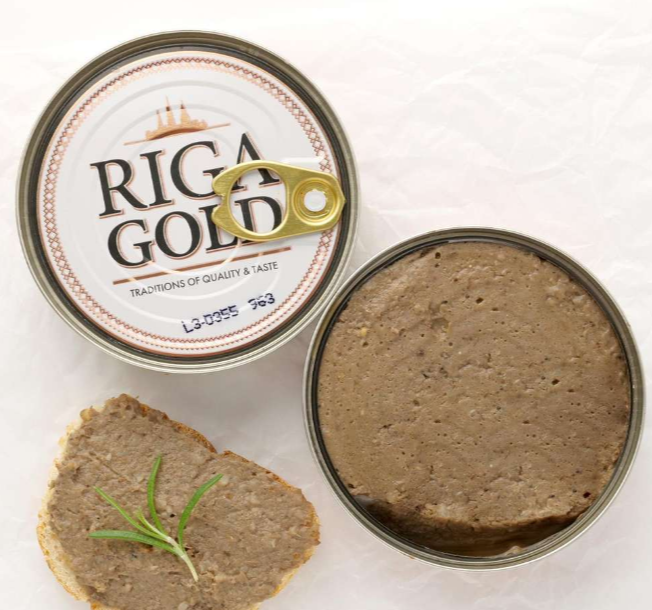
You’ve read the simple outline of the Quick Start Plan above and to paraphrase Dave Burrell, a new car dealer, “Don’t tell me what you won’t eat–tell me what you will eat.” I have friends and relatives that have long lists of what they don’t or won’t eat, and short lists of what they will eat. My list is reversed, although if you pressed me, it might get longer in the negative than I would like. But, for the most part tofu, and a fish pate from the Black sea, are the two things that quickly come to mind that I don’t want to eat again. Everything else is fair game, even game. I’ve tried alligator sausage, and venison. And although “gamey” I would eat venison again, I just don’t have many opportunities to do so.
I was in the checkout line yesterday at the Fresh Market. I was looking at the items that the man in front of me was purchasing and I saw that he had at least one package (about 16 oz. I think) of ground Bison. I’ve tried that, and had no problem with the flavor, but I seem to recall it didn’t have enough fat for me, so ground beef is perfectly alright with me. And I prefer ground beef to ground sirloin just because the ground sirloin I tried several time had a different texture and flavor. My choices are based on nuances of flavor and texture, not on outright dislikes, as in tofu.
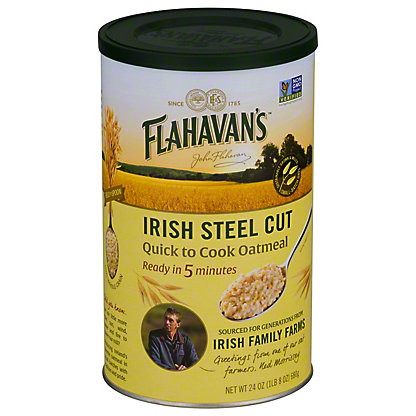
I am still buying new things to try. I bought a cannister of Steel-Cut Oats yesterday. They take 40 minutes to cook, but have a better Glycemic Index than 1 Minute Quick Oats. Believe me, I love the quick oats. The flavor and texture is what I am familiar with. Sugar and maybe cinnamon or with raisins. Yeah familiar, but not what I need now, late in my life and wanting to go out as best I can.
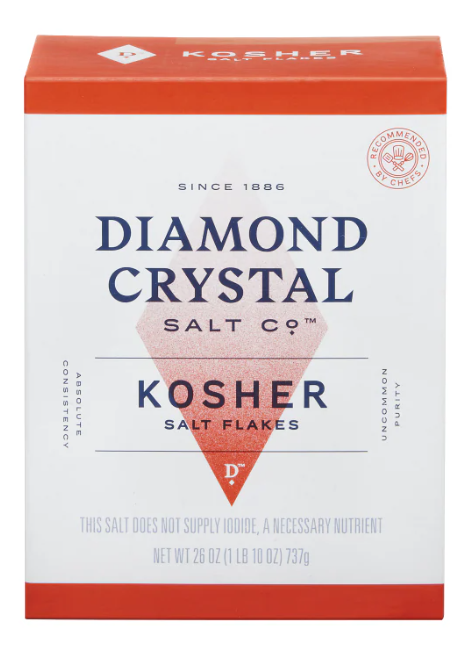
Oh, I also bought a box of Diamond Crystal Salt. Kosher. A patented process for forming the little salt crystals into hollow triangles. *Doesn’t that form an odd image in your mind? And this difference is preferred by many chefs. I personally asked my AI, “Doesn’t that mean you are actually getting less salt for the same volume as compared to Morton’s Salt?” And yes it does. **Not too long ago I was parsing through the “Simple” Cookbook by Gina Holmoka and I seem to recall a note that she only used Diamond Crystal Salt. It was only seeing the box of Diamond Crystal Salt on the Fresh Market shelf that made me recall her note, and decide to give it a try.
For not nutritional reasons, I have for some time been grinding my own salt in which I combine regular Morton’s Salt with Pink Himalayan Salt. It give the ground salt a slight pink hue but for me no difference in flavor. Salt is salt.
BABY STEPS FOR BLOOD SUGAR CONTROL
🍚 Starch Tweaks
- Cook → Cool → Reheat rice, pasta, potatoes, oats → adds resistant starch.
- Smaller portion, add bulk → eat half your usual starch, fill the plate with extra veggies.
- Swap refined for whole → brown rice instead of white, whole-grain bread instead of white.
🍞 Bread & Breakfast
- Choose sprouted grain or whole-grain bread instead of white.
- Add nut butter or eggs to balance carbs with protein/fat.
- Sprinkle cinnamon on oats or toast — may help improve insulin sensitivity a bit.
🍎 Fruit
- Eat whole fruit instead of juice.
- Pair fruit with protein/fat (apple + cheese, berries + Greek yogurt).
- Favor berries, apples, pears, citrus over bananas or tropical fruit for steadier sugar.
🥤 Drinks
- Swap soda/juice for sparkling water with lemon/lime.
- Try unsweetened tea or coffee instead of sugary drinks.
🍴 Meal Timing
- Don’t skip meals — steady eating keeps blood sugar stable.
- Take a 10–15 min walk after meals — helps bring glucose down naturally.
🛒 Mindset & Shopping
- Start with “What can I add?” (fiber, protein, veggies) instead of “What must I cut?”
- Keep healthy snacks (nuts, cheese sticks, veggie sticks + hummus) on hand so you’re not reaching for cookies or chips.
✅ These steps don’t require giving foods up “cold turkey.” They’re little swaps and adjustments that still let you enjoy familiar meals while easing blood sugar into a better range.
BABY STEPS FOR BLOOD SUGAR CONTROL (Ranked)
Here’s that same list of baby steps for blood sugar control, but ranked from easiest to adopt → most impactful.
⭐ Easiest Baby Steps (low effort, high success)
- Swap soda/juice for water, sparkling water, or unsweetened tea.
- Sprinkle cinnamon on oats, toast, or coffee.
- Eat whole fruit instead of juice.
- Pair fruit with protein/fat (apple + cheese, berries + yogurt).
⚖️ Medium-Effort Baby Steps (takes a little planning)
- Cook → cool → reheat rice, pasta, potatoes, oats.
- Choose sprouted or whole-grain bread instead of white.
- Add protein/fat to carbs (nut butter on toast, egg with oatmeal).
- Smaller portions of starch, bulk up with veggies.
💪 Higher-Impact Baby Steps (bigger payoff if you stick with them)
- Swap refined grains for whole grains (brown rice, quinoa, whole-grain pasta).
- Take a 10–15 minute walk after meals.
- Don’t skip meals — keep eating steady and balanced.
- Stock healthy snacks (nuts, hummus + veggies) to replace chips/sweets.
👉 Why this ranking?
- The top steps are so easy you can do them tomorrow without much disruption.
- The middle ones take a bit more intention (shopping choices, meal prep).
- The last ones have the biggest effect on blood sugar, but also require consistency and habit change.

Published in 2007, but still a valid resource for beginning to understand how to approach better blood sugar control. A few “left out” items might be: sprouted grain breads, Greek yogurt and blue corn tacos/tortillas. Well illustrated, an easy read and can be found online, “used” for about $5.
 Bill Gibson, II