
Sulforaphane is a natural compound found in cruciferous vegetables (like broccoli, cabbage, kale, and Brussels sprouts). It forms when the plant enzyme myrosinase acts on glucoraphanin (a sulfur-containing compound) — usually when the vegetable is chopped, chewed, or combined with mustard seeds or sprouts.
Key Benefits of Sulforaphane
- 🛡 Antioxidant support – boosts the body’s natural detox enzymes and defenses against oxidative stress.
- 🧠 Neuroprotection – studied for supporting brain health, reducing inflammation, and potentially helping in conditions like autism and neurodegenerative diseases.
- Neurodegenerative diseases are conditions in which nerve cells (neurons) in the brain and/or spinal cord gradually break down, lose function, and die.
- Alzheimer’s disease is the most common neurodegenerative disorder, primarily affecting memory and cognition.
- Parkinson’s disease (movement control)
- Huntington’s disease (movement + psychiatric symptoms)
- Amyotrophic lateral sclerosis (ALS / Lou Gehrig’s disease) (motor neurons)
- Frontotemporal dementia (FTD) (behavior, language, personality changes)
- Neurodegenerative diseases are conditions in which nerve cells (neurons) in the brain and/or spinal cord gradually break down, lose function, and die.
- ❤️ Cardiovascular health – may improve blood vessel function and lower inflammation linked to heart disease.
- 🧬 Anti-cancer potential – promotes the elimination of carcinogens, helps regulate cell growth, and supports normal detox pathways.
- 🔥 Anti-inflammatory effects – reduces chronic low-grade inflammation that underlies many diseases.
- 🩺 Metabolic benefits – some evidence for improving insulin sensitivity and blood sugar regulation.
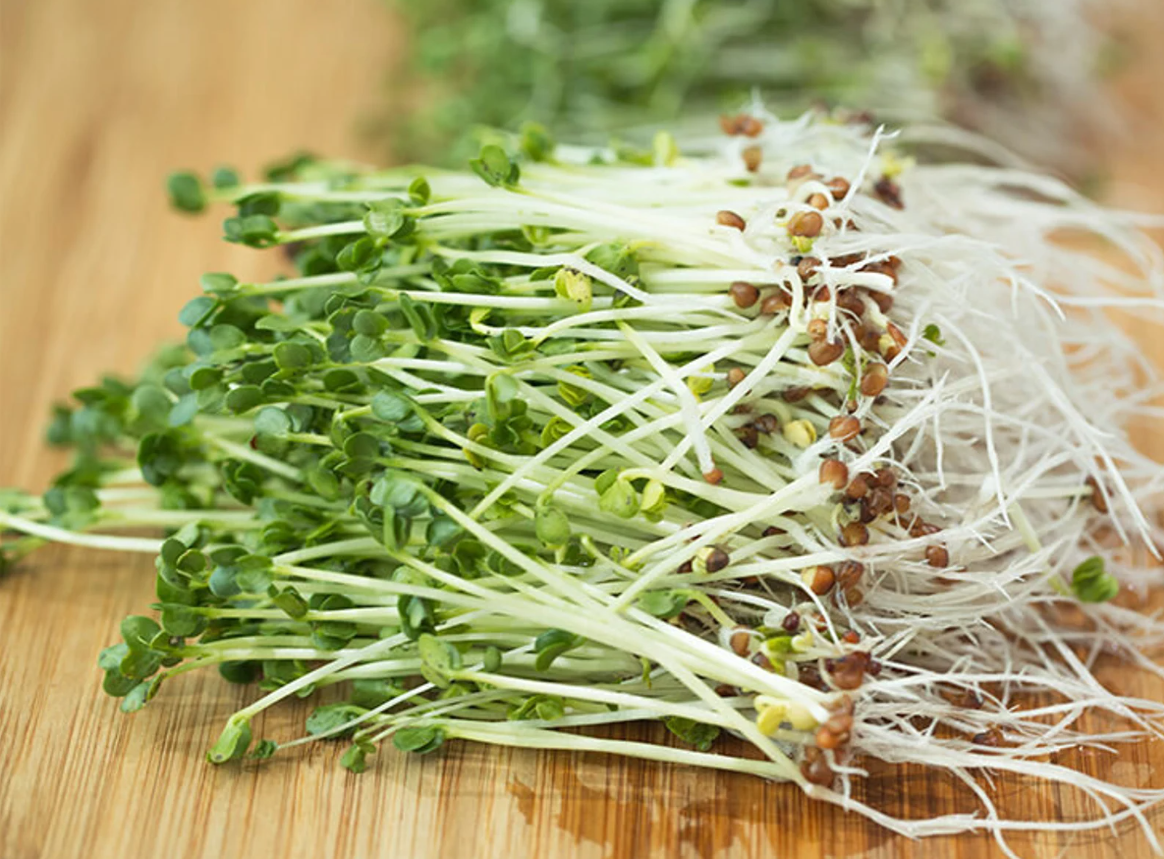
👉 The richest food source is broccoli sprouts, which can contain 20–50× more sulforaphane precursors than mature broccoli.


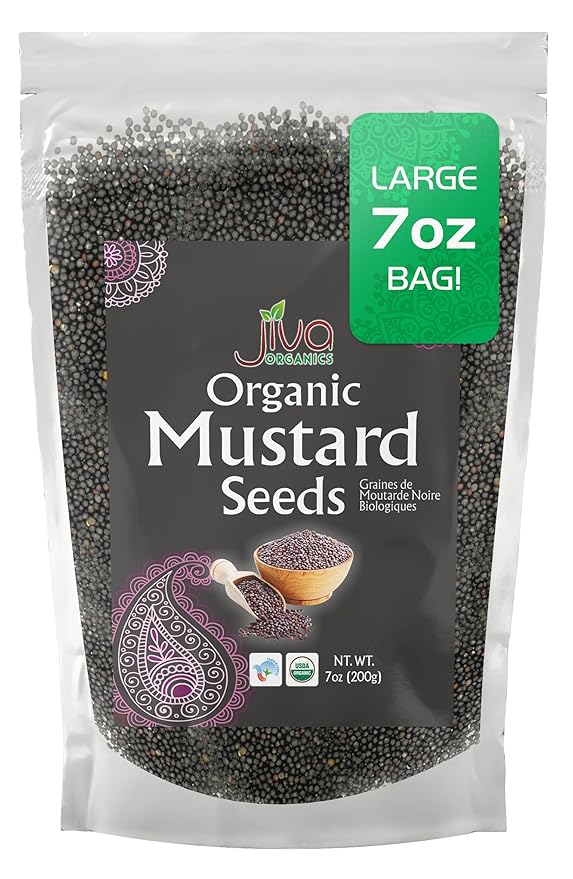


MUSTARD SEED COLORS
| Color | Flavor & Heat | Common Uses | Notes |
|---|---|---|---|
| Yellow / White | Mildest; slightly sweet, tangy, low heat | American yellow mustard, pickling spices, salad dressings, sauces | Seeds are larger and pale in color. Often ground into mustard powder. |
| Brown | Medium heat; spicier, more pungent than yellow | Indian curries, Dijon mustard, stir-fries, spice blends | Smaller seeds, reddish-brown; preferred in Europe and Asia for stronger flavor. |
| Black | Hottest, sharpest, and most aromatic | Indian cooking (tempering in hot oil), strong mustards, spice pastes | Very small and dark; prized for intense aroma but harder to find than brown/yellow. |
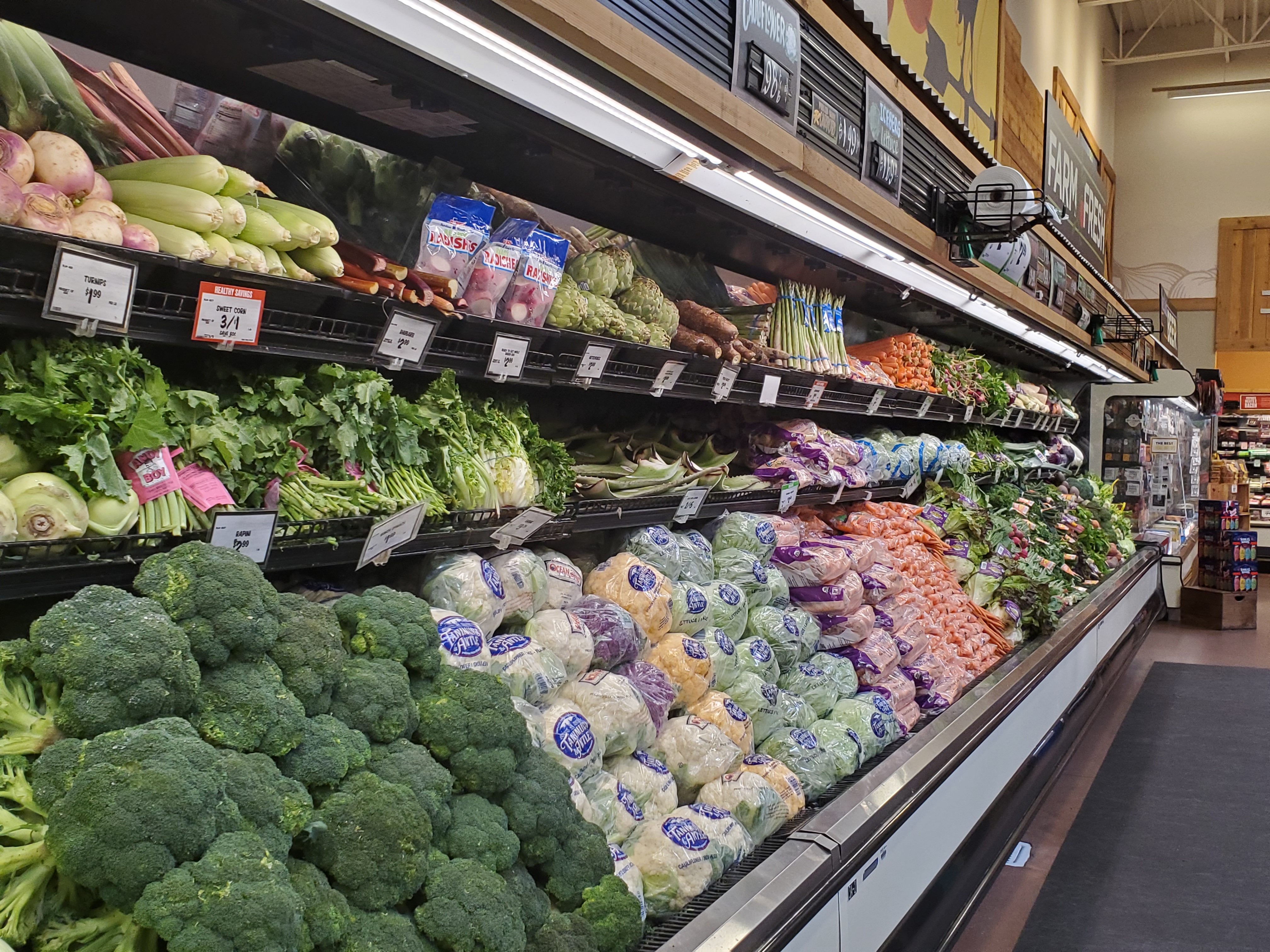
Here’s an extensive list of cruciferous vegetables (all belong to the Brassicaceae family, often called the mustard or cabbage family).
Common Crucifers
- Cabbage (green, red, Napa, Savoy)
- Broccoli
- Cauliflower
- Brussels sprouts
- Kale
- Collard greens
- Bok choy (pak choi)
- Chinese cabbage (pe-tsai)
- Kohlrabi
- Mustard greens
- Turnip greens
- Rutabaga
- Turnips
- Radishes (including daikon, black radish, watermelon radish)
- Arugula (rocket)
- Watercress
Less Common / Specialty Crucifers
- Mizuna
- Tatsoi
- Komatsuna
- Rapini (broccoli rabe)
- Gai lan (Chinese broccoli)
- Broccolini (hybrid of broccoli + gai lan)
- Romanesco (spiral cauliflower-broccoli type)
- Choy sum
- Shepherd’s purse
- Wasabi (root used as condiment, leaves edible)
- Horseradish (root + leaves)
- Nasturtium leaves (part of the extended family, peppery taste)
Sprout / Seed Forms
- Broccoli sprouts
- Radish sprouts
- Mustard sprouts
- Kale sprouts
- Cabbage sprouts
Crucifer + Myrosinase Booster Rotation
| Crucifer | Mustard Seeds | Broccoli Sprouts |
|---|---|---|
| Cabbage | ✅ Best with ground mustard seeds | ✅ Top with broccoli sprouts |
| Napa / Chinese Cabbage | ✅ Add mustard after steaming or stir-fry | ✅ Toss raw sprouts into salads or wraps |
| Broccoli | ✅ Mustard rescues sulforaphane after steaming | ✅ Sprouts + mustard = powerhouse combo |
| Brussels Sprouts | ✅ Great with mustard or horseradish | ✅ Sprouts add fresh crunch after roasting |
| Cauliflower | ✅ Mustard powder works well | ✅ Mix sprouts into cauliflower mash |
| Kale / Collards | ✅ Add mustard seeds after sautéing/steaming | ✅ Add sprouts raw after cooking |
| Turnip / Mustard Greens | ✅ Mustard seeds complement flavor + boost | ✅ Combine sprouts + mustard for double effect |
💡 Tip: Add boosters (mustard seeds or broccoli sprouts) after cooking to preserve myrosinase activity.
I’M CURRENTLY…
08/30/25: I’m currently grinding mustard seeds onto broccoli sprouts before I add them to my lunch salads. But after doing the further research, via ChatGPT AI, I realized that I could use almost any type of mustard, even Yellow French’s, to activate the enzymes that enhance the production of sulforaphane. E.g. I make a basic Italian salad dressing with: olive oil, red wine vinegar, Italian herbs, yellow mustard and sweetener. The mustard in this dressing would enhance sulforaphane production in not just broccoli sprouts, but if I put it on a salad that includes cauliflower or broccoli florets. Or add ground mustard seeds to cauliflower mash, or on braised brussels sprouts.
Not related to producing extra sulforaphane, I am also adding ground Ceylon cinnamon to various items: fried apples, in a chia seed pudding with pureed fruit, added to steel-cut oats, and on a slice of sprouted grain bread with some peanut butter. [end]
Broccoli sprouts are the only common cruciferous vegetable that reliably produces high amounts of sulforaphane.
The others contain some precursors, but the amounts are small unless eaten raw, finely chopped, and combined with myrosinase.
Sulforaphane is a compound formed when glucoraphanin (found most abundantly in broccoli sprouts) is converted by the enzyme myrosinase (present in sprouts, mustard seed, and raw radish). Among cruciferous vegetables, broccoli sprouts are the only reliably high source, and adding mustard powder or radish increases the conversion.
Sulforaphane has strong cell-protective and anti-inflammatory effects.
Here are the key benefits, stated plainly:
- Reduces chronic inflammation by lowering NF-κB activity.
- Supports liver detoxification by activating Phase II detox enzymes.
- Improves insulin sensitivity and blood sugar regulation.
- Helps protect brain cells and may improve memory and mood under stress.
- Increases the body’s antioxidant defense system (especially by raising glutathione).
- May slow growth of certain cancer cells by promoting apoptosis (cell self-destruction).
- Supports gut health by reducing inflammatory bacterial byproducts.
These effects are based on well-documented biochemical pathways — it is not a supplement-style claim.
Practical takeaway
If you’re making slaw or salad:
- Let it sit 5–10 minutes after mixing (to allow conversion)
- Eat within 1–2 hours for maximum sulforaphane
No need to rush — you don’t lose it immediately — but don’t prepare it the day before if sulforaphane is the goal.
 Bill Gibson, II