

SUGGESTED ADDENDUM TO EXISTING MATERIALS
The initial printing of this book was in 2007 and although the materials in the book are still valid, there have been some additional items that would enhance the view of “Magic Foods.” The following is a list of some possible additions to the book:
- Blue Corn
- Chia Seeds
- Greek Yogurt
- Quinoa
- Resistant Starch
- Sprouted Grain Bread
- Sprouting Beans & Seeds
Sprouted Grain Bread
GL: Low
Sprouted grain bread is a modern twist on an ancient practice: allowing whole grains to sprout before grinding them into flour. This simple step unlocks nutrients, increases digestibility, and reduces the glycemic impact compared with regular bread. Sprouting lowers starch content and boosts antioxidants, fiber, and certain vitamins, making it a healthier option for people watching blood sugar. Today, brands such as Ezekiel 4:9 have expanded sprouted grain products into multiple forms—including loaves, English muffins, tortillas, buns, and cereals—so you’re not limited to sandwich bread alone.


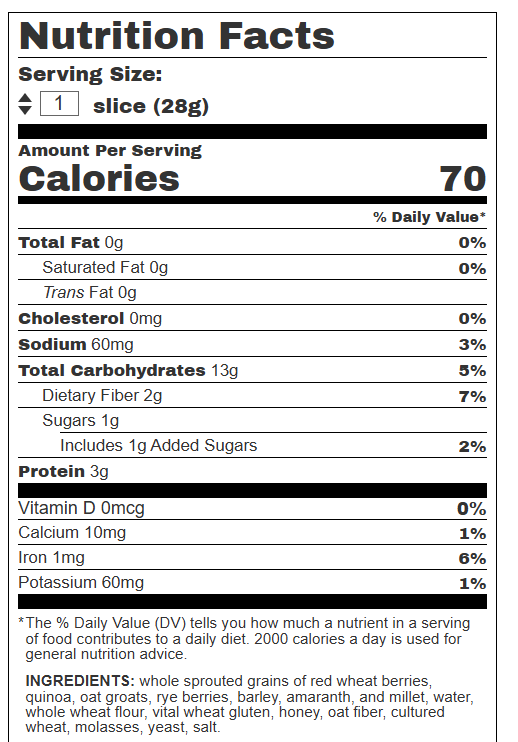
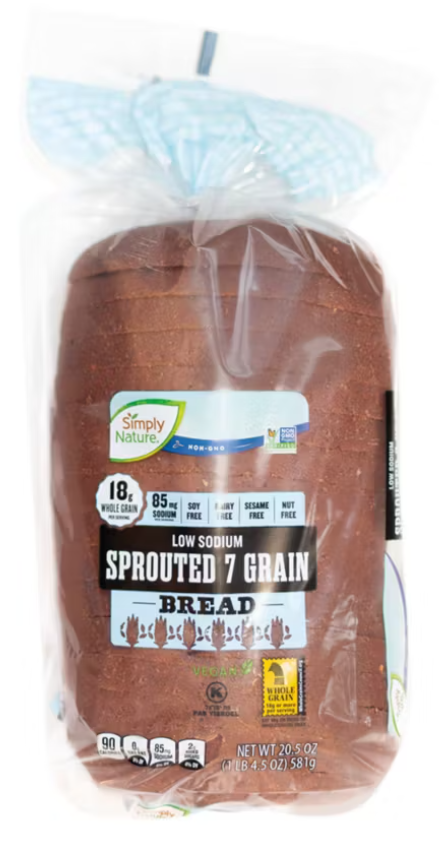

Knock Your Sprouts Off [Aldi’s 24.7 ¢/oz.], Sprouted Multigrain [Publix 26.6 ¢/oz.], Ezekiel 4:9 [WAL 31.4 ¢/oz.]
Perfect portions: 1 slice
Choose one slice of sprouted whole-grain bread as a serving. Look for brands that list whole sprouted grains (like wheat, barley, millet, or lentils) as the first ingredient.
Health Bonus
Sprouting grains increases folate, vitamin C, and antioxidants while reducing antinutrients like phytic acid, which normally block mineral absorption. Studies suggest sprouted bread has a gentler effect on blood sugar than traditional whole-wheat bread, and the extra fiber helps you feel full longer.
Cooks Tips
- Store sprouted bread in the freezer to keep it fresh — it spoils faster than regular bread.
- Toast lightly to bring out its nutty, sweet flavor.
Menu Magic
- Use sprouted bread for sandwiches to boost nutrition without spiking blood sugar.
- Make a breakfast toast with avocado, tomato, and a sprinkle of chia seeds.
- Try sprouted bread cubes in homemade stuffing or as a base for French toast.
Related recipes: Avocado Toast with Sprouted Grain Bread, Sprouted Bread Stuffing
Greek Yogurt (in addition to existing Yogurt section)
GL: Low
While regular yogurt is already a healthful food, Greek yogurt deserves its own spotlight. It’s strained to remove much of the liquid whey, resulting in a thicker texture and double the protein. This makes it especially satisfying for breakfast or snacks, and a great substitute for higher-fat ingredients in recipes.


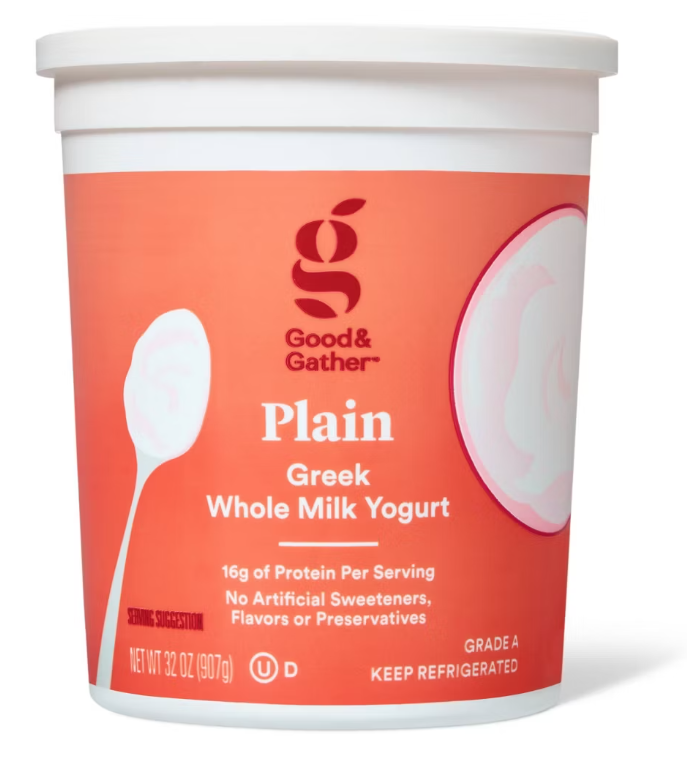
Perfect portions: ¾ cup plain
One serving provides about 15–20 grams of protein and a good dose of calcium.
Health Bonus
The extra protein helps keep blood sugar steady and supports muscle health. Greek yogurt also tends to have lower lactose, making it easier to digest for people sensitive to dairy. Like other yogurts, it contains probiotics that support gut and immune health.
Cooks Tips
- Choose plain, unsweetened Greek yogurt to avoid hidden sugars.
- Use full-fat versions in moderation for creamier taste and better satiety.
Menu Magic
- Swap sour cream or mayonnaise with Greek yogurt in dips, dressings, or deviled eggs.
- Use it to marinate chicken or lamb — the lactic acid tenderizes meat while adding flavor.
- Stir into soups to add creaminess without the heaviness of cream.
Related recipes: Greek Yogurt Tzatziki, Greek Yogurt Berry Parfait
Blue Corn
GL: Medium
Blue corn, a staple of Indigenous food traditions, has become popular for its earthy flavor and unique color. The pigments that give blue corn its vibrant hue are anthocyanins — the same antioxidants found in blueberries. Blue corn tortillas, chips, and even breads provide more protein and a lower glycemic index than their white or yellow corn counterparts.


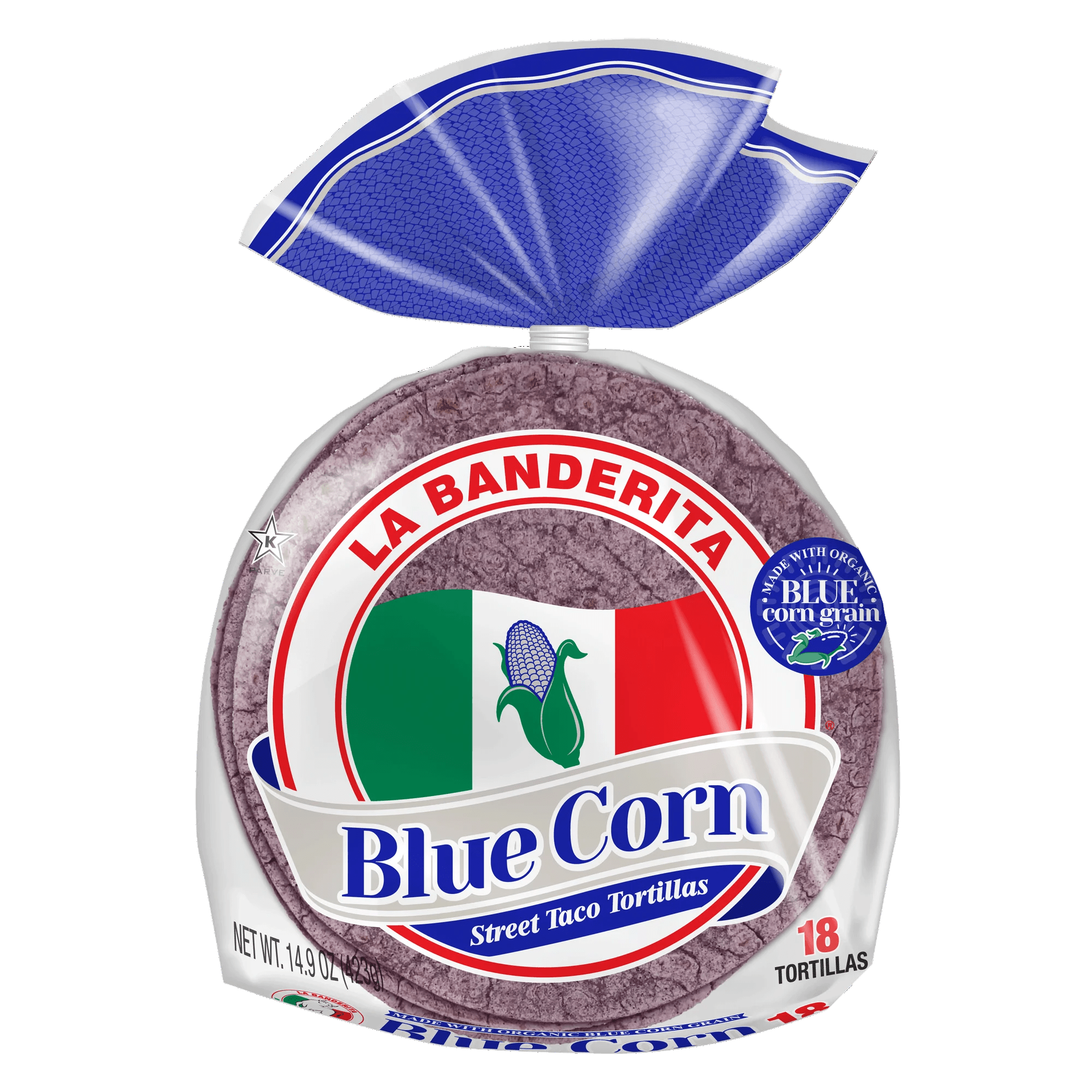
Perfect portions: 2 small tortillas or 1 ounce chips
Look for minimally processed blue corn products without added oils or excess salt.
Health Bonus
The anthocyanins in blue corn have been linked to better heart health and reduced inflammation. Compared with white corn, blue corn products generally have more protein, more fiber, and less starch, making them a smarter choice for blood sugar management.
Cooks Tips
- Warm blue corn tortillas briefly on a skillet to enhance flavor.
- When buying chips, check for baked or lightly fried versions to keep fat lower.
Menu Magic
- Use blue corn tortillas for tacos filled with beans, grilled chicken, or roasted vegetables.
- Pair blue corn chips with guacamole or salsa for a colorful snack.
- Try blue cornmeal in cornbread or muffins for a nutty, earthy twist.
Related recipes: Blue Corn Tacos with Black Beans, Blue Corn Muffins
Quinoa
GL: Low
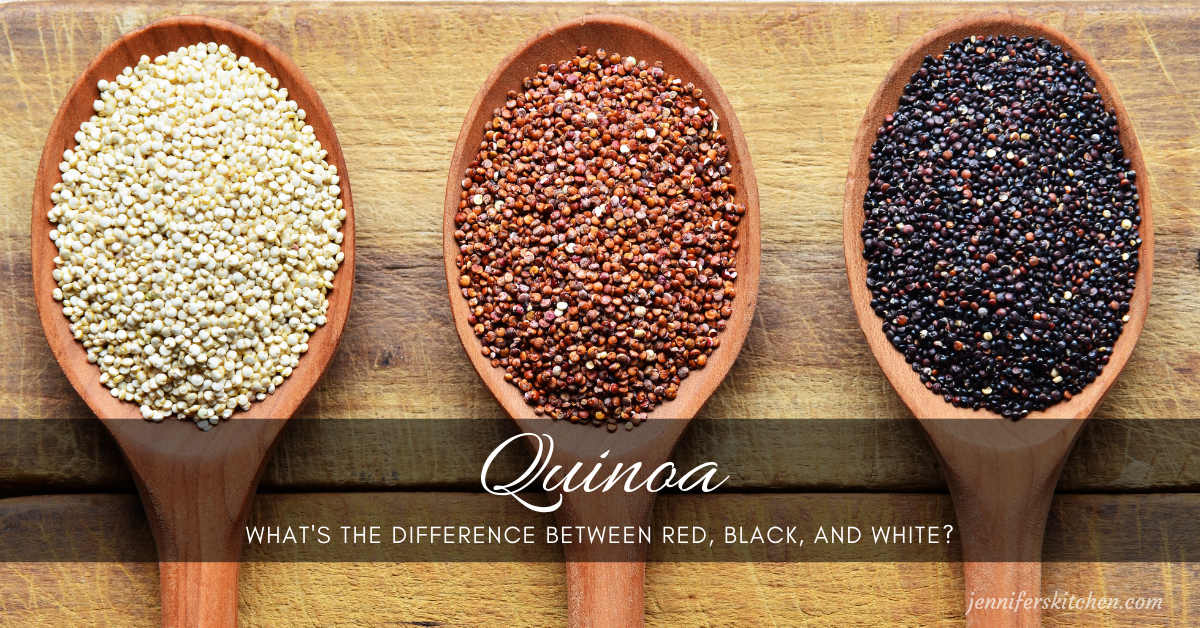
Quinoa, often called a “super grain,” is technically a seed but cooks like a grain. Originating in the Andes, quinoa is naturally gluten‑free, rich in fiber, and one of the few plant foods that provides all nine essential amino acids. It comes in several varieties—white, red, and black—each with slightly different textures and flavors.
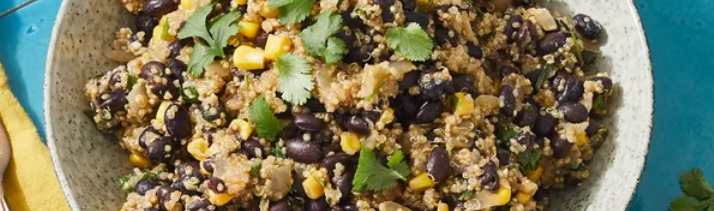
Quinoa Salad
Perfect portions: ½ cup cooked
Health Bonus
Quinoa provides complete protein, making it an excellent choice for vegetarians and vegans. It is high in magnesium, iron, and antioxidants, and has a low glycemic load. Its combination of fiber and protein promotes satiety and steady energy.
Did you know?
Rinsing quinoa before cooking helps remove saponins—natural compounds that can taste bitter. Many brands pre‑rinse, but giving it a quick rinse at home ensures the best flavor.
Cooks Tips
Simmer quinoa in broth instead of water for added flavor. Let it rest after cooking to absorb moisture fully. Use different colors of quinoa together for variety and visual appeal.
Menu Magic
- Toss into salads with beans, vegetables, and vinaigrette.
- Use instead of rice as a side dish or stir‑fry base.
- Make quinoa porridge for breakfast with fruit and nuts.
- Form into patties with beans or vegetables for veggie burgers.
Related recipes
- Mediterranean Quinoa Salad
- Quinoa & Black Beans
- Quinoa Veggie Burgers
NOT IN THE ABOVE BOOK:
4 Antioxicants to LOWER BLOOD SUGAR
- Vitamin C 🥦
- Red bell peppers (~125–190 mg)
- Kiwi (~90 mg)
- Broccoli (~80–90 mg)
- Brussels sprouts (~75–85 mg)
- Citrus fruits (~50–70 mg)
- Eriocitrin🍋
- Bergamot (Citrus bergamia)
- Lemons
- Lemon peel (zest)
- Lemon juice
- Limes
- Epigallocatechin-3-Gallate🍃☕
- Matcha green tea
- Green tea
- White tea
- Oolong tea
- Green tea extract
- Selenium🥜
- Brazil nuts
- ~70–90 mcg selenium per nut
- Typical intake: 1 nut = ~80 mcg
- Fish (tuna, sardines, salmon)
- ~40–90 mcg per 3–4 oz serving
- Typical intake: 1 serving = ~60 mcg
- Eggs
- ~15–20 mcg per large egg
- Typical intake: 1 egg = ~18 mcg
- Sunflower seeds
- ~20–25 mcg per ¼ cup
- Typical intake: ¼ cup = ~22 mcg
- Meat or poultry (turkey, chicken, beef)
- ~25–40 mcg per 3 oz
- Typical intake: 1 serving = ~30 mcg
- Selenium Safety Warning
- Recommended daily intake (RDA): ~55 mcg/day
- Upper safe limit: 400 mcg/day
- Do NOT exceed this limit regularly—chronic excess can cause hair loss, brittle nails, nerve issues, and digestive upset.
- Brazil nuts
 Bill Gibson, II