
Many nuts and seeds provide unique benefits for blood sugar control thanks to their combination of healthy fats, fiber, protein, and micronutrients. Almonds are especially well studied, showing the ability to reduce post-meal glucose spikes and improve insulin sensitivity, largely due to their high magnesium and fiber content. Walnuts, rich in omega-3 ALA and polyphenols, have been linked with improved fasting insulin levels and overall cardiovascular health, which is crucial for people managing diabetes. Pistachios are another standout, with research showing reductions in HbA1c (a long-term blood sugar marker) and improvements in insulin resistance.
Other nuts and seeds play helpful supporting roles. Peanuts, while technically legumes, behave nutritionally like nuts and can slow glucose absorption when paired with high-carb foods, making them stabilizing when eaten alongside bread or grains. Cashews provide magnesium and plant sterols that support heart health and blood pressure, factors closely tied to glucose management. Seeds such as pumpkin and sunflower are particularly high in magnesium, a mineral essential for insulin regulation, and offer a low-carb, antioxidant-rich nutrient package that complements the benefits of tree nuts.
Taken together, nuts and seeds are naturally low on the glycemic index and help blunt blood sugar spikes by slowing digestion of carbohydrates. Their nutrient density, particularly in magnesium, zinc, and antioxidants, directly supports insulin function, while their high satiety value reduces overeating and stabilizes energy. For those aiming to manage blood sugar, a mixed handful of almonds, walnuts, pistachios, and pumpkin seeds provides an especially balanced daily snack, delivering broad-spectrum support for both glucose control and overall metabolic health.


| Nut / Seed | Serving Size (approx.) | GI | Calories | Protein (g) | Fat (g) | Carbs (g) | Fiber (g) | Notable Nutrients |
|---|---|---|---|---|---|---|---|---|
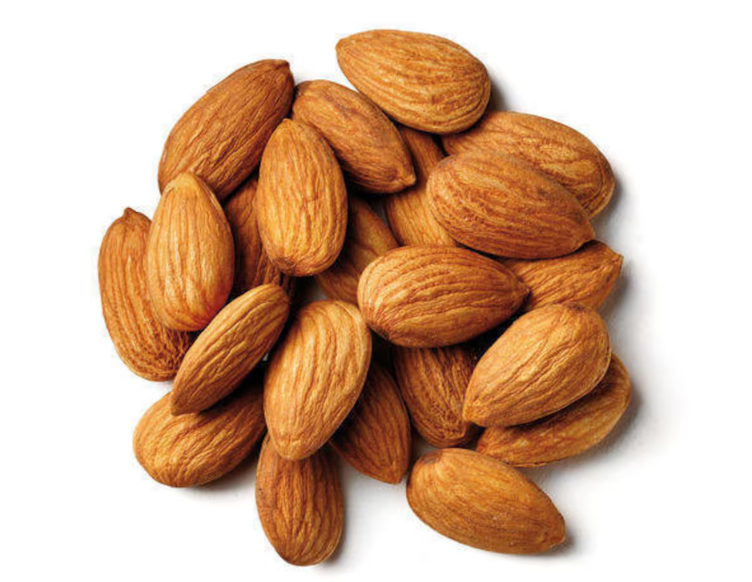
| Almonds | 23 whole kernels (28 g) | ~15 | 164 | 6.0 | 14.0 | 6.1 | 3.5 | Vit E, Magnesium |
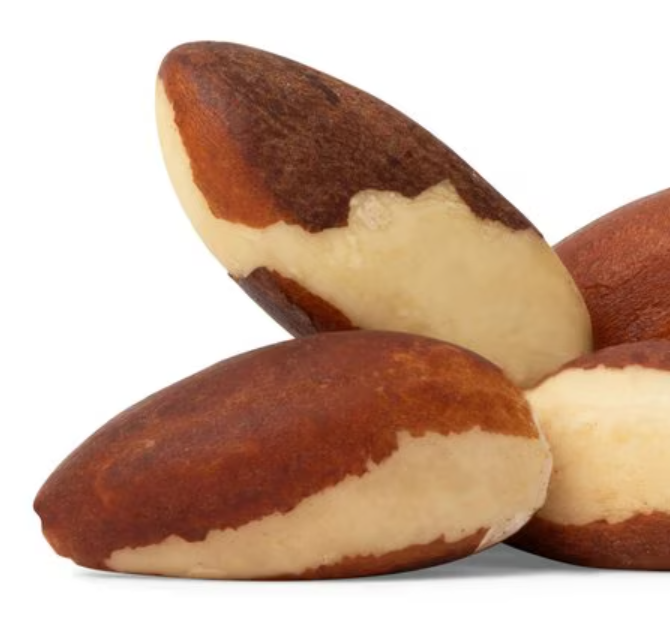
| Brazil Nuts | 6 whole nuts (28 g) | ~10 | 187 | 4.1 | 19.0 | 3.3 | 2.1 | Selenium (very high) |
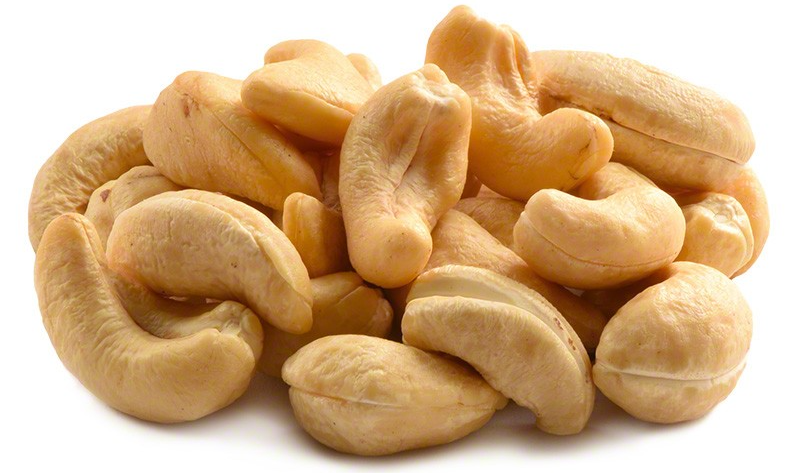
| Cashews | 18 whole nuts (28 g) | ~25 | 157 | 5.2 | 12.4 | 8.6 | 0.9 | Iron, Zinc |
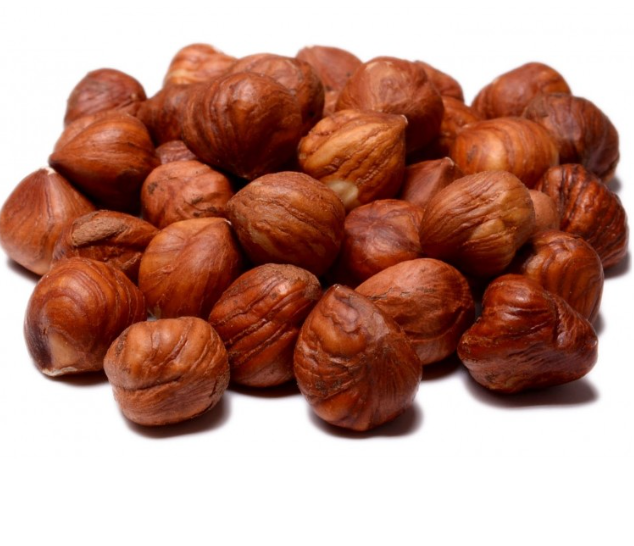
| Hazelnuts | 21 whole nuts (28 g) | ~15 | 178 | 4.2 | 17.2 | 4.7 | 2.7 | Vit E, Folate |
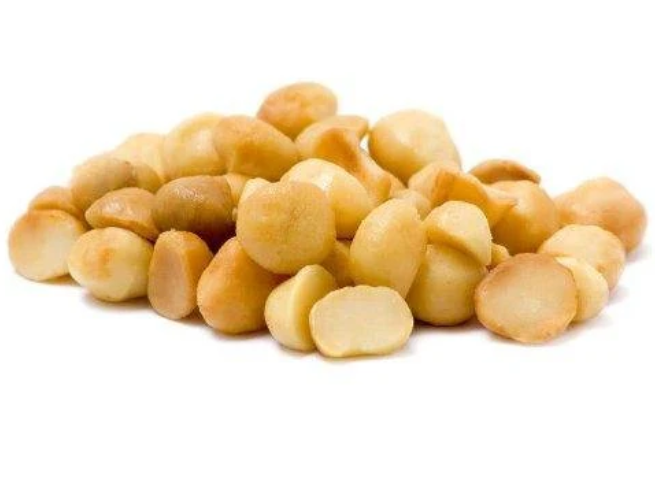
| Macadamias | 10–12 whole nuts (28 g) | ~10 | 204 | 2.2 | 21.5 | 3.9 | 2.4 | Thiamine, Manganese |
| Peanuts* | 28 shelled nuts (28 g) | ~14 | 161 | 7.3 | 14.0 | 4.6 | 2.4 | Niacin, Folate |
| Pecans | 19 halves (28 g) | ~10 | 196 | 2.6 | 20.4 | 3.9 | 2.7 | Manganese, Thiamine |
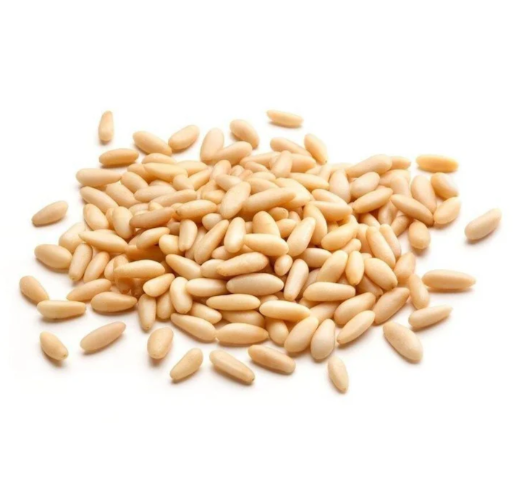
| Pine Nuts | ~167 kernels (28 g) | ~15 | 191 | 3.9 | 19.1 | 3.7 | 1.0 | Vit K, Magnesium |
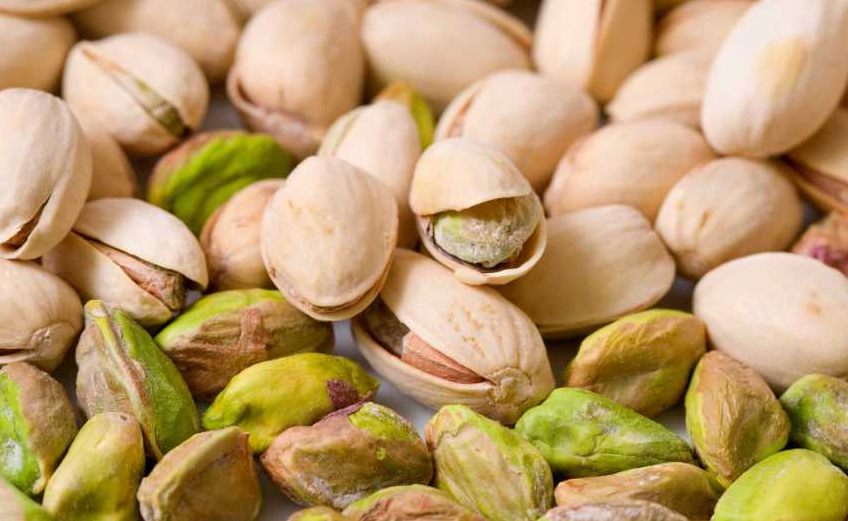
| Pistachios | 49 kernels, shelled (28 g) | ~15 | 159 | 5.7 | 12.8 | 7.8 | 3.0 | Vit B6, Potassium |
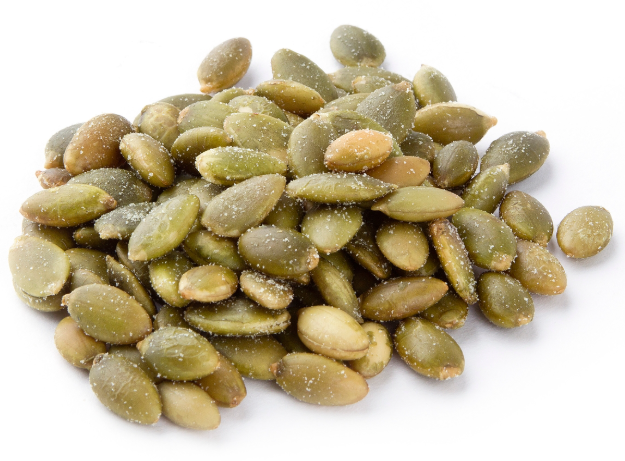
| Pumpkin Seeds (pepitas) | ~85 seeds (28 g) | ~15 | 151 | 7.0 | 13.0 | 5.0 | 1.7 | Magnesium, Iron, Zinc |
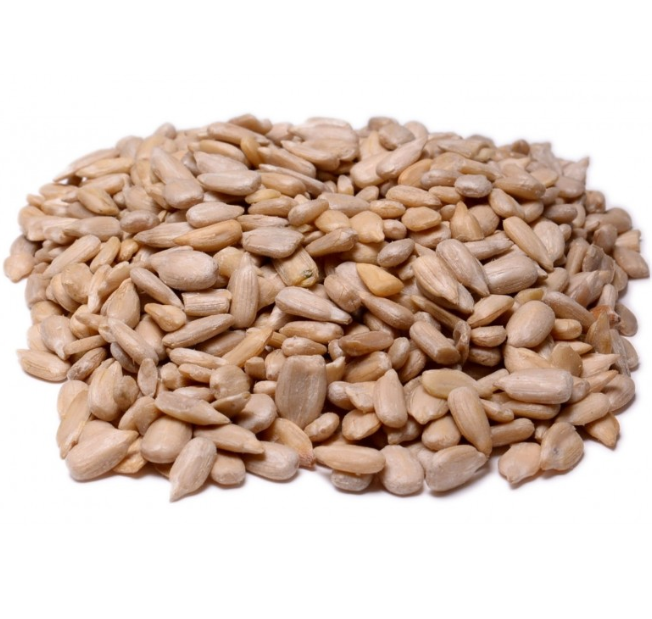
| Sunflower Seeds | ~200 kernels (28 g) | ~20 | 164 | 5.5 | 14.0 | 6.0 | 3.0 | Vit E, Selenium |
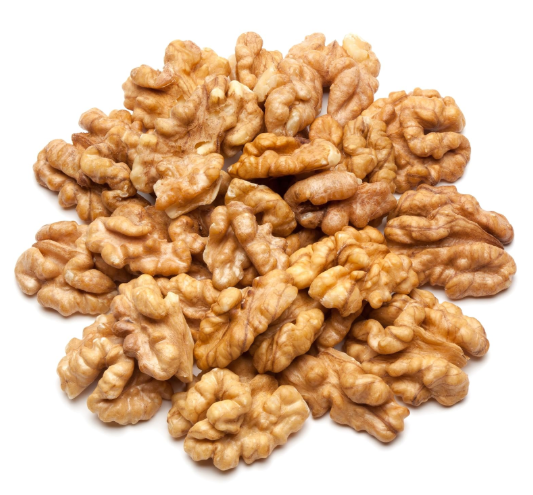
| Walnuts | 14 halves (28 g) | ~15 | 185 | 4.3 | 18.5 | 3.9 | 1.9 | Omega-3 ALA, Copper |
*Peanuts are legumes but grouped with nuts nutritionally. In this table consider them either raw or dry roasted. Both are approximately nutritionally the same.

This is the Lazy Susan (like) I bought to serve my assorted nuts and dried fruit. It holds 10 pint canning jars. I put six different nuts on the bottom and 4 dried fruits on the top rack. Almonds, Brazil nuts, hazelnuts, macadamia nuts, pecans, and walnuts and dates, yellow raisins, prunes & dried cranberries. But, I also have a jar of pistachios, flavored pumpkin seeds (wasabi/soy), some grated coconut and either Moser Roth Cranberry Dark Chocolate (Aldi’s) and/or Ghirardelli Milk Chocolate Chips.
🌰 Nuts & Seeds Ranking for Type 2 Diabetes
| Rank | Nut / Seed | Why It’s Beneficial (or Less Ideal) | Notes |
|---|---|---|---|
| ⭐ 1 | Almonds | Fiber, magnesium, protein; reduce post-meal glucose. | Daily staple. |
| ⭐ 2 | Walnuts | Omega-3 ALA, antioxidants, heart protective; low net carbs. | Excellent for heart & brain health. |
| ⭐ 3 | Pecans | Very low net carbs, high monounsaturated fat, antioxidants. | Strong option, slightly less omega-3 than walnuts. |
| ⭐ 4 | Pumpkin Seeds (pepitas) | High magnesium, zinc, iron, protein; moderate fiber; low-moderate carbs. | Very good for insulin sensitivity. |
| ⭐ 5 | Pistachios | Clinical studies show lower HbA1c and better insulin response; good fiber and potassium. | Portion control matters. |
| ⭐ 6 | Sunflower Seeds | Magnesium, vitamin E, antioxidants; slightly higher carbs than pumpkin seeds. | Better unsalted, watch portion sizes. |
| ⭐ 7 | Peanuts (legume) | High protein, magnesium; blunt carb absorption. | Choose dry roasted/unsalted. |
| ⭐ 8 | Hazelnuts | Good fats, vitamin E, folate; moderate carbs. | Balanced choice. |
| ⭐ 9 | Brazil Nuts | Very low carb, antioxidant selenium. | Limit to 1–2/day. |
| ⭐ 10 | Macadamias | Extremely low carb, high monounsaturated fat. | Very calorie dense. |
| ⚖️ 11 | Cashews | Higher carb (~8 g net), less fiber, fewer omega-3s. | Fine in small portions. |
| ⚠️ 12 | Chestnuts | High carb, starchy, little fat or protein. | Least diabetes-friendly. |
🌰 Best Nuts for Blood Sugar Control
Almonds
- Why: High in magnesium, fiber, and healthy fats.
- Evidence: Studies show almonds can lower post-meal blood sugar spikes and improve insulin sensitivity.
- Tip: Eating a few almonds before or with a carb-rich meal may blunt the glucose rise.
Walnuts
- Why: Rich in omega-3 ALA, polyphenols, and fiber.
- Evidence: Regular walnut intake is linked with lower fasting insulin and improved heart health, which is important for people with diabetes.
Pistachios
- Why: High in protein, fiber, and antioxidants.
- Evidence: Pistachios have been shown to reduce HbA1c (long-term blood sugar marker) and improve insulin resistance in people with type 2 diabetes.
Peanuts (legume, but similar)
- Why: High protein, relatively low glycemic impact.
- Evidence: When eaten with high-carb foods, peanuts slow glucose absorption and improve satiety.
- Peanut butter (unsweetened) also has a stabilizing effect.
Cashews
- Why: Lower fat than many nuts, moderate carbs, but high in magnesium and plant sterols.
- Evidence: May improve HDL cholesterol and reduce blood pressure, indirectly supporting better glucose control.
- Cashews aren’t “bad” for type 2 diabetics, but they may not be the top choice nut. If eaten, portion control matters (a small handful, ~18 nuts). Many dietitians recommend favoring almonds, walnuts, pistachios, or peanuts for daily use and treating cashews as an occasional variety nut.
Pumpkin & Sunflower Seeds
- Why: Very high in magnesium and antioxidants.
- Evidence: Magnesium is critical for glucose regulation, and seeds offer a dense, low-carb nutrient package.
🌡️ How Nuts Help Overall
- Low Glycemic Index (GI): Most nuts don’t cause big spikes in blood sugar.
- Fat & Fiber Content: Slow digestion of carbs eaten with them.
- Micronutrients: Magnesium, zinc, and antioxidants support insulin function.
- Satiety: Help reduce overeating and stabilize energy.
✅ Best strategy: A mixed handful of nuts/seeds daily — especially almonds, walnuts, pistachios, and pumpkin seeds — gives the broadest blood-sugar benefits.
 Bill Gibson, II