
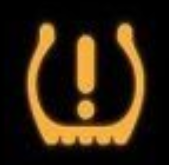
On 2018 Toyota Camrys (and most Toyotas of that generation), a single failed sensor can cause the entire tire-pressure monitoring system to stop displaying any readings. When one sensor stops transmitting (usually because its internal battery has died or it was damaged), the control module can’t complete its pressure data set, so it flags a “TPWS malfunction” or “— PSI” for all tires, even though the other three sensors might still be healthy.
Here’s why:
- The receiver expects signals from all four programmed IDs. If one ID doesn’t respond within a certain period, the system logs a fault and suspends pressure display.
- The light then blinks for ~60–90 seconds (indicating a system fault) and stays solid, meaning the system is disabled until the fault clears.
- Once the bad sensor is replaced and its new ID is registered with the car’s TPMS ECU, all pressures reappear and the warning light goes out after driving for a few minutes.
So yes — one bad or unregistered sensor can make it look like none of them work.
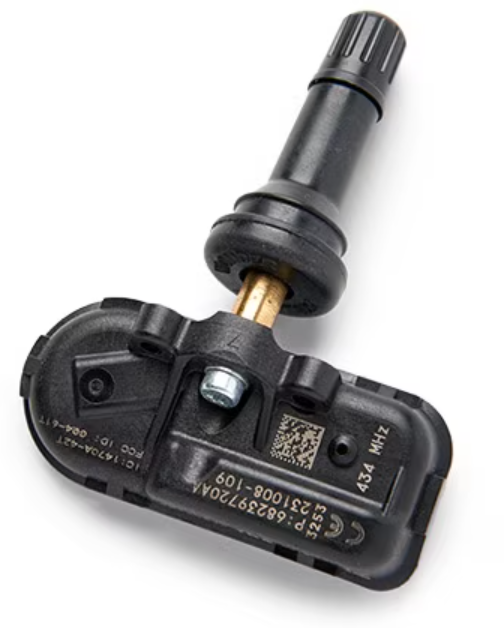
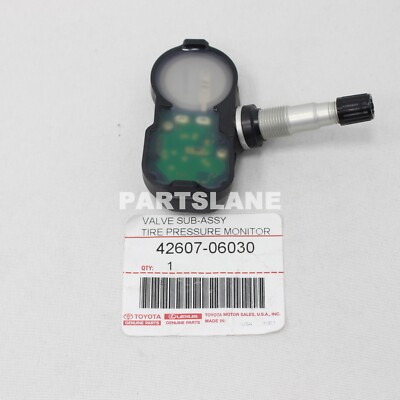
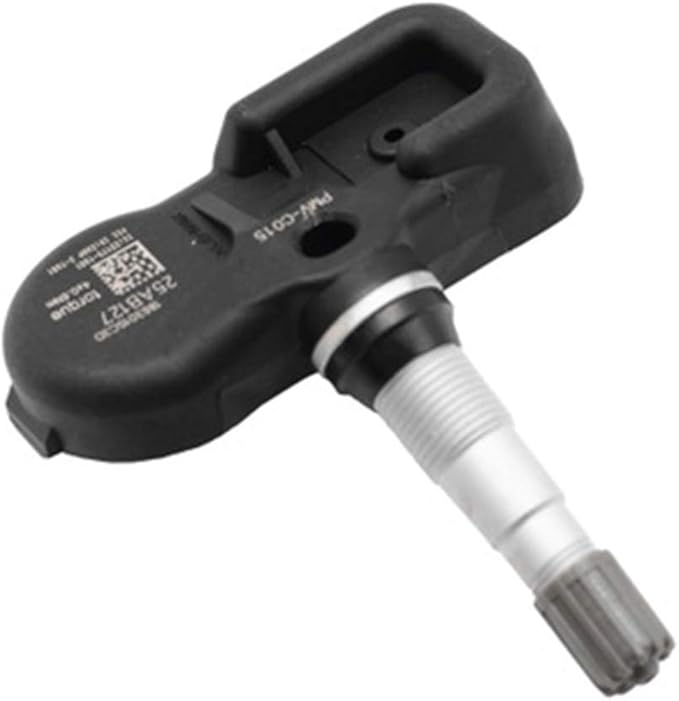
A 2018 Toyota Camry uses a direct TPMS with a snap-in, 315 MHz, 4-button programmable sensor. The OE (Original Equipment) part number for this sensor is 42607-06030.
- Type: Direct TPMS, which means it has a sensor in each wheel.
- Frequency: 315 MHz.
- Installation: It is a snap-in type that requires programming after installation to be recognized by the vehicle’s computer.
- OE Part Number: 42607-06030.
- Note: When replacing the sensor, it is highly recommended to have a professional program the new sensor, as it needs to be synced with the vehicle’s system to function correctly.
 Bill Gibson, II