
GLP-1 stands for Glucagon-Like Peptide-1. It is a naturally occurring hormone produced in your small intestine (gut) in response to eating food. It’s often referred to as an “incretin” hormone.
🔬 The Role of Natural GLP-1
When you eat, GLP-1 is released into your bloodstream and acts on multiple organs with three main effects:
- Stimulates Insulin Release: It signals the pancreas to release more insulin, but only when blood sugar levels are high (glucose-dependent). This helps prevent blood sugar from spiking too high after a meal.
- Inhibits Glucagon Release: It blocks the release of glucagon, another hormone that raises blood sugar.
- Promotes Satiety and Slows Digestion: It acts on the brain to increase feelings of fullness (satiety) and slows down the rate at which your stomach empties (gastric emptying). This causes you to feel full for longer and naturally reduces your appetite and food intake.
💊 GLP-1 Receptor Agonists (The Medications)
The term “GLP-1” is also commonly used to refer to a class of medications called GLP-1 receptor agonists (or GLP-1 RAs). These drugs are synthetic compounds that mimic the effects of the natural GLP-1 hormone, but they are designed to last much longer in the body.
Primary Uses
GLP-1 RAs are highly effective treatments for:
- Type 2 Diabetes: By improving blood sugar control through increased insulin and decreased glucagon.
- Obesity/Weight Management: By significantly reducing appetite and slowing digestion, leading to decreased calorie intake and substantial weight loss.
Well-Known Examples
You may recognize some of the brand names for these medications:
- Semaglutide (e.g., Ozempic, Wegovy, Rybelsus)
- Liraglutide (e.g., Victoza, Saxenda)
- Tirzepatide (e.g., Mounjaro, Zepbound) – This is a dual agonist, mimicking both GLP-1 and GIP (Glucose-dependent Insulinotropic Polypeptide).
Emerging Benefits
Research also shows that GLP-1 RAs have benefits beyond blood sugar and weight, including reducing the risk of major cardiovascular events (like heart attack and stroke) in people with heart disease and T2D. They are also being studied for potential use in treating non-alcoholic fatty liver disease and even addictions.
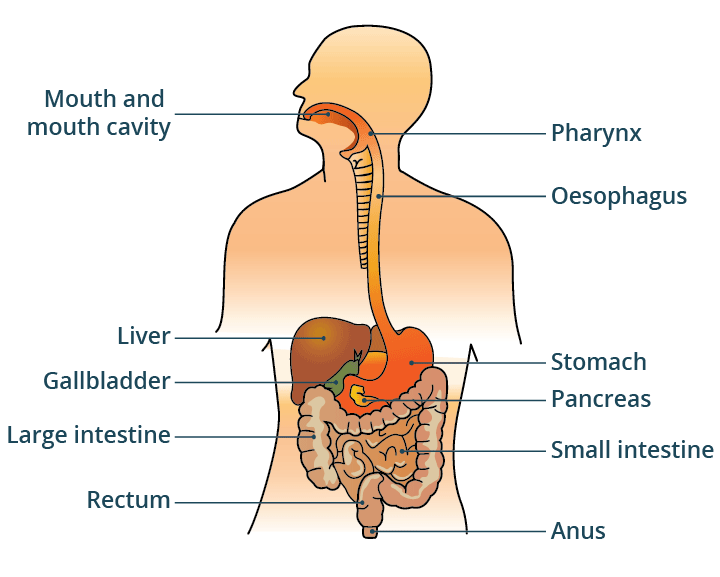
DIGESTIVE SYSTEM:
- Stomach
- Small Intestine
- Large Intestine
I’m guessing the stomach would actually be lower, because most human hearts are where this stomach is shown as located.
.
 Bill Gibson, II