
Several years ago I made an attempt to learn the German language. I was diligent in using various free online resources and even paid for one of two extra features and I did learn a great deal of German, but. I just don’t have the internal mechanisms to learn a language other than English and to have the ability to think and speak fluently in that other language.
I did find one area that I think worked very well. You’ve got to understand that each German noun has a definite article assigned to it. Unlike English which has the same “definite article” THE for all of our nouns, German assigns one of three definite articles that has a “grammatical gender.” The way I understand grammatical gender is that it is not the same as a “natural gender.” Natural gender is the gender of an item in the “real world.” Therefore natural gender should be a girl or woman are feminine, while a boy or man are masculine and an object or thing, like a lawn mower or a light is neuter.
The three German noun genders are der, die and das. Der is masculine. Die is feminine and das is neuter. But quickly we find major exceptions. The word for girl is Mädchen and you would think, girl = feminine, but in this case the correct definite article is “das” so the girl in German is “das Mädchen.” The rationale is that a girl has not yet reached the feminine maturity to become “die Frau” or “die Mutter.” The woman or the mother. That would seem a reasonable explanation until you immediately go to “the boy.” In German “the boy” is “der Junge.” But wouldn’t you apply the same logic to a boy, who has not reached the mature state of being the man, “der Manner,” or the father, “der Vater?” No you don’t.
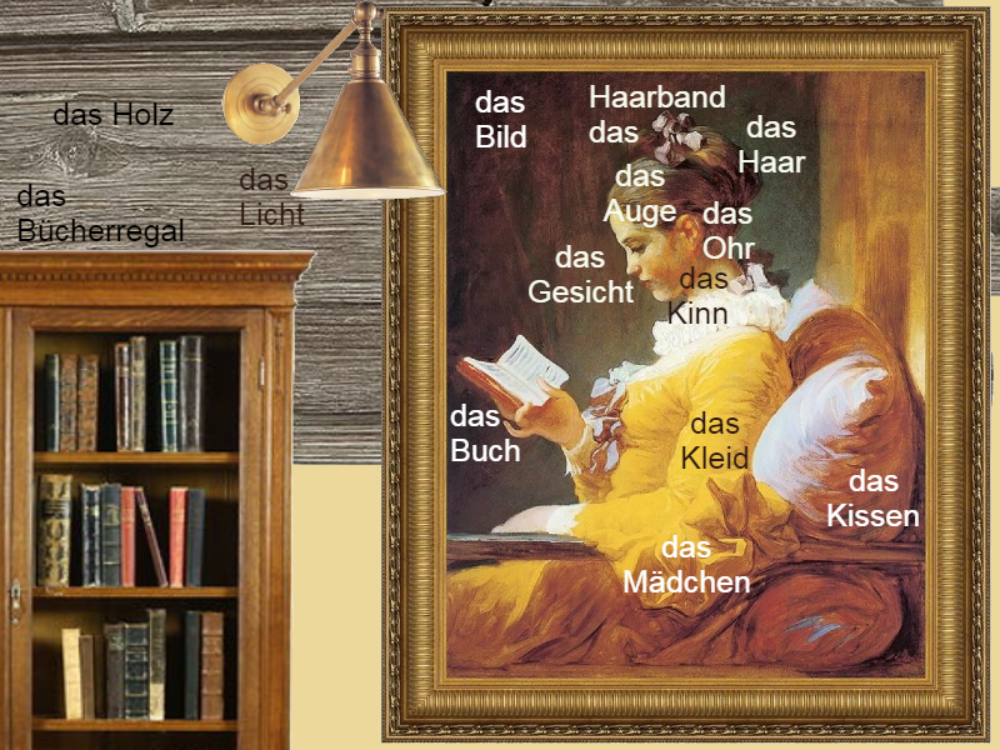
There are tricks on how a noun ending usually determines which definite article it takes, but for me it was easier to just group several German nouns that all had the same definite article onto a flashcard or collage. The card would have an image that represented each noun on the page, with the assigned definite article. And for me this process worked very well. I managed to memorize and have a high degree of recall of both the noun and it’s assigned definite article for about 767 German nouns. Most of these nouns were “concrete” in nature and not a symbolic noun. Symbolic may not be the correct term but this is the idea. A noun like “liberty” or “freedom,” or even “anger” don’t always have an easily identifiable image. I could use an image of a prisoner busting out of a jail cell to represent freedom or liberty, but what’s to say that same image might not represent a person running, or breaking something?
So I managed to create about 95 individual Noun Cards with all 767 German nouns, and some cards repeated some of the nouns. In fact having a very memorable noun like “der Apfel” the apple, or “die Katze” the cat, or “das Buch,” the book used on multiple cards might help you tie several cards together because if you recall an apple on three cards and most of the items on all those three cards, then you should easily link that all these German nouns are “masculine.”
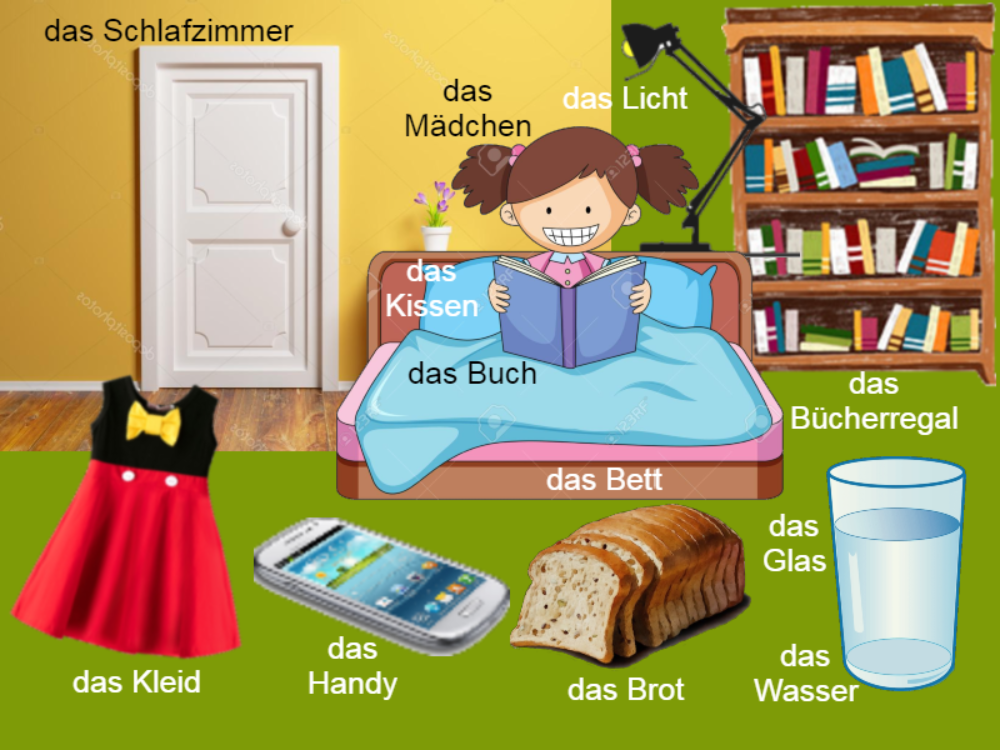
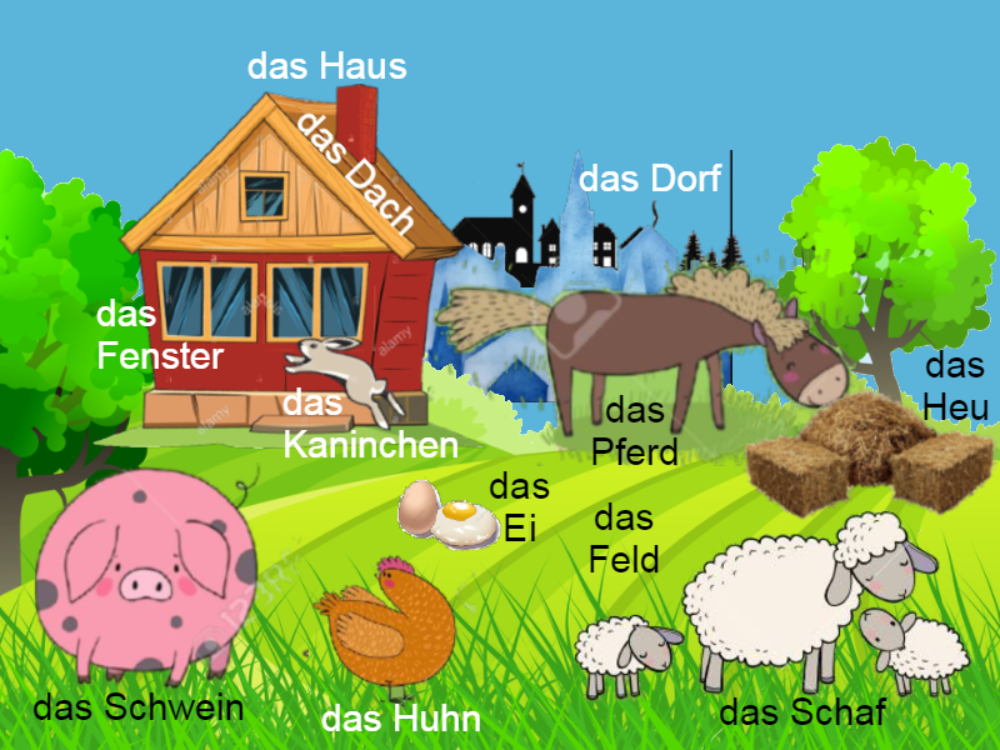
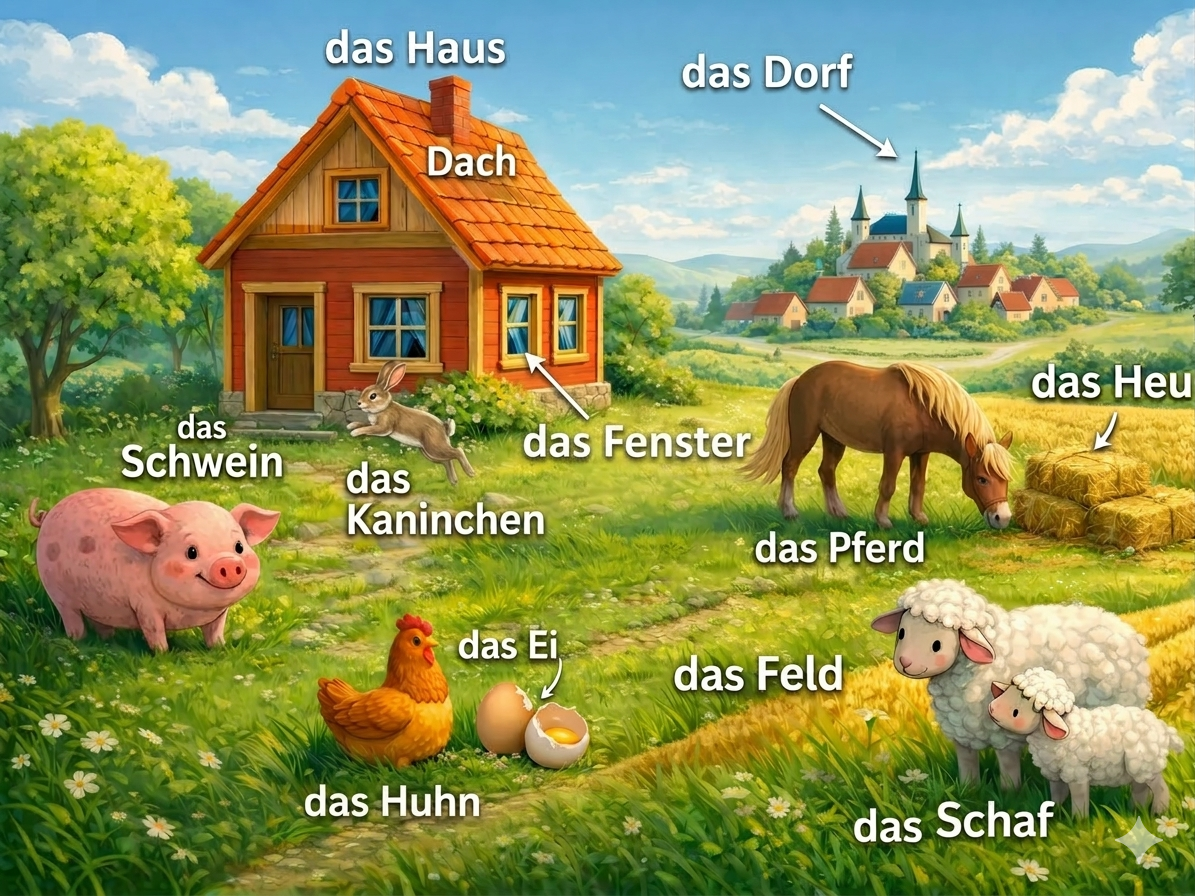
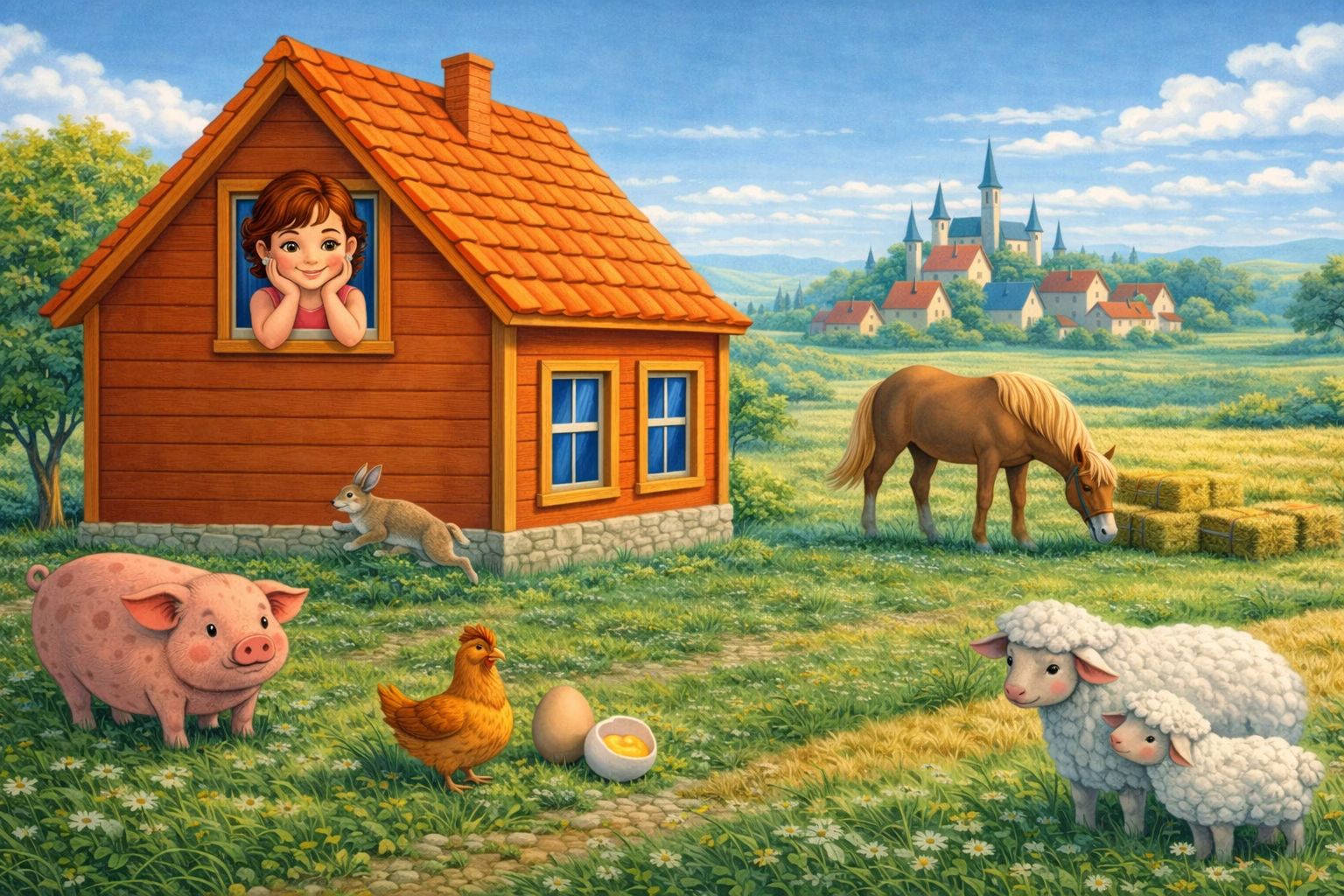
Let me show you one of my original noun cards, and then some of the suggestions by AI (ChatGPT, or Gemini) how to update the card. *One advantage of having the AI create the image card is that all of the images should be allowed under copyright law.
German Noun Card
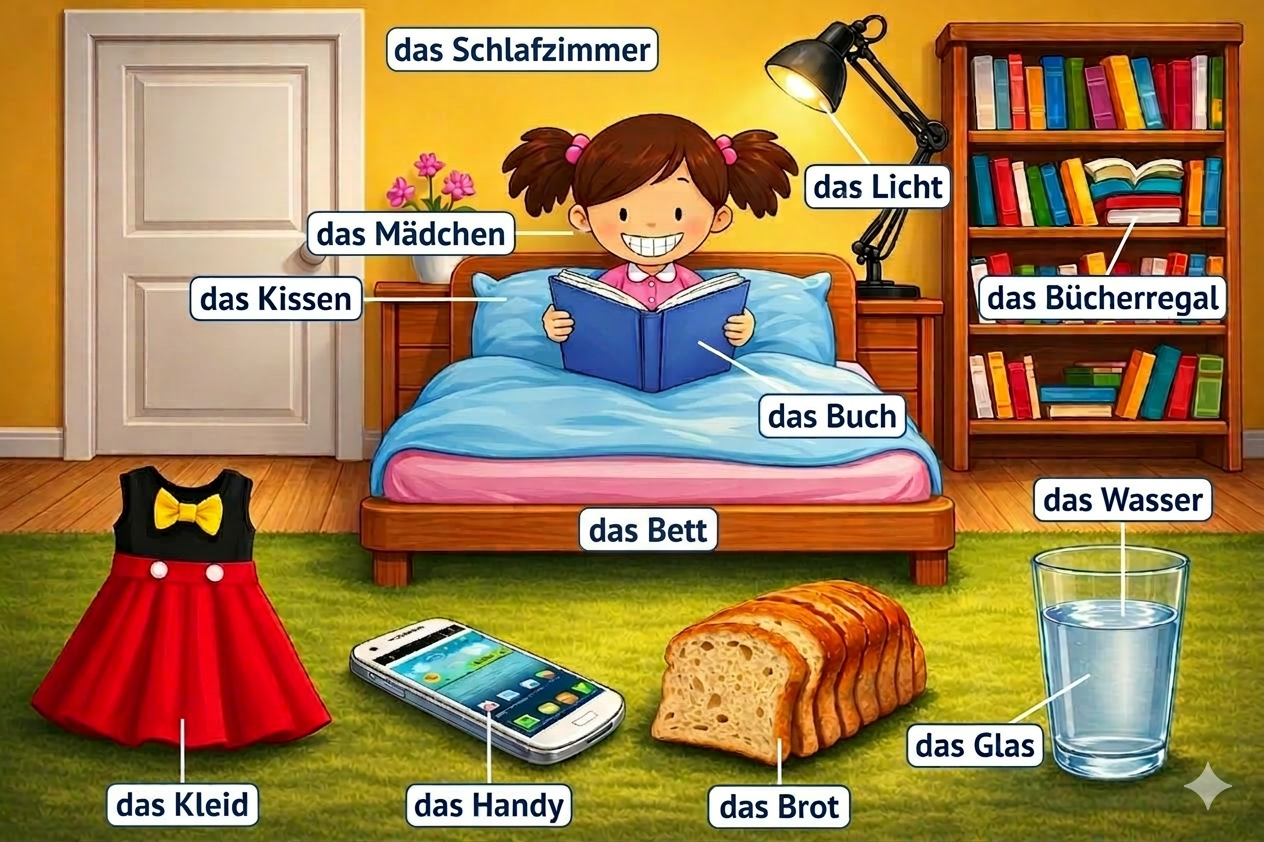
up this image by removing the bread.
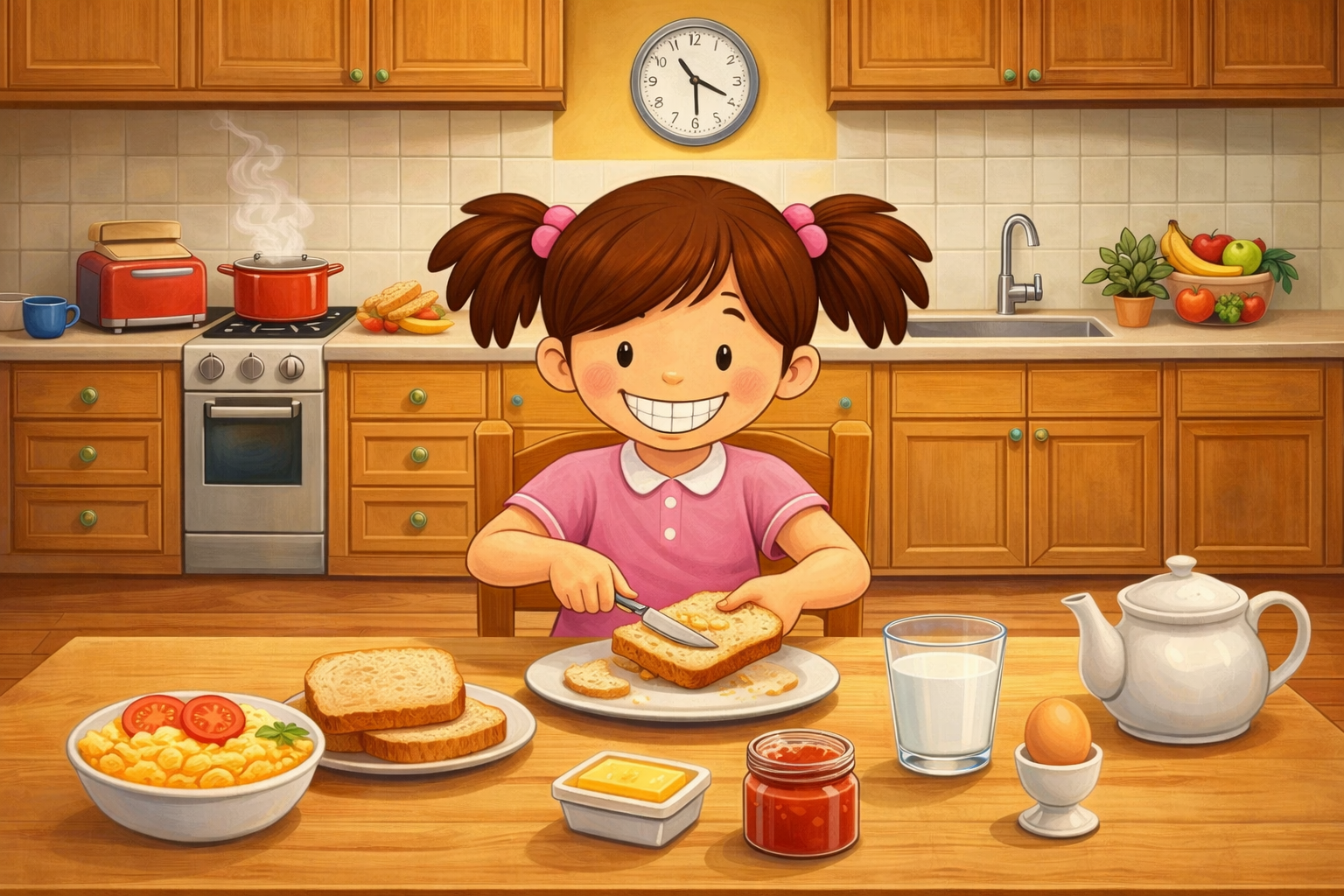
scene, but some need to be removed.
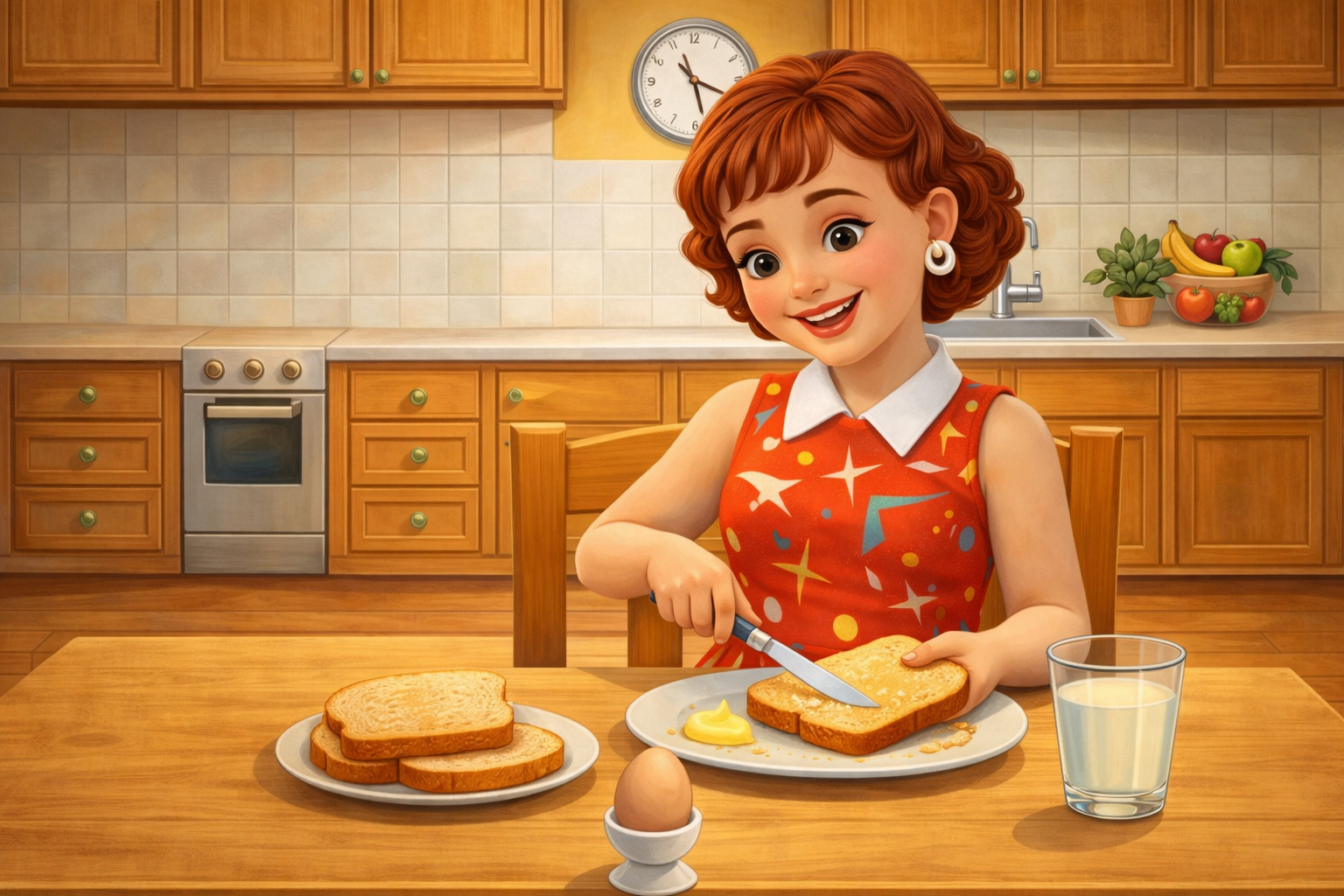
das Mädchen
we can tie this card to other cards.
to feature between cards.
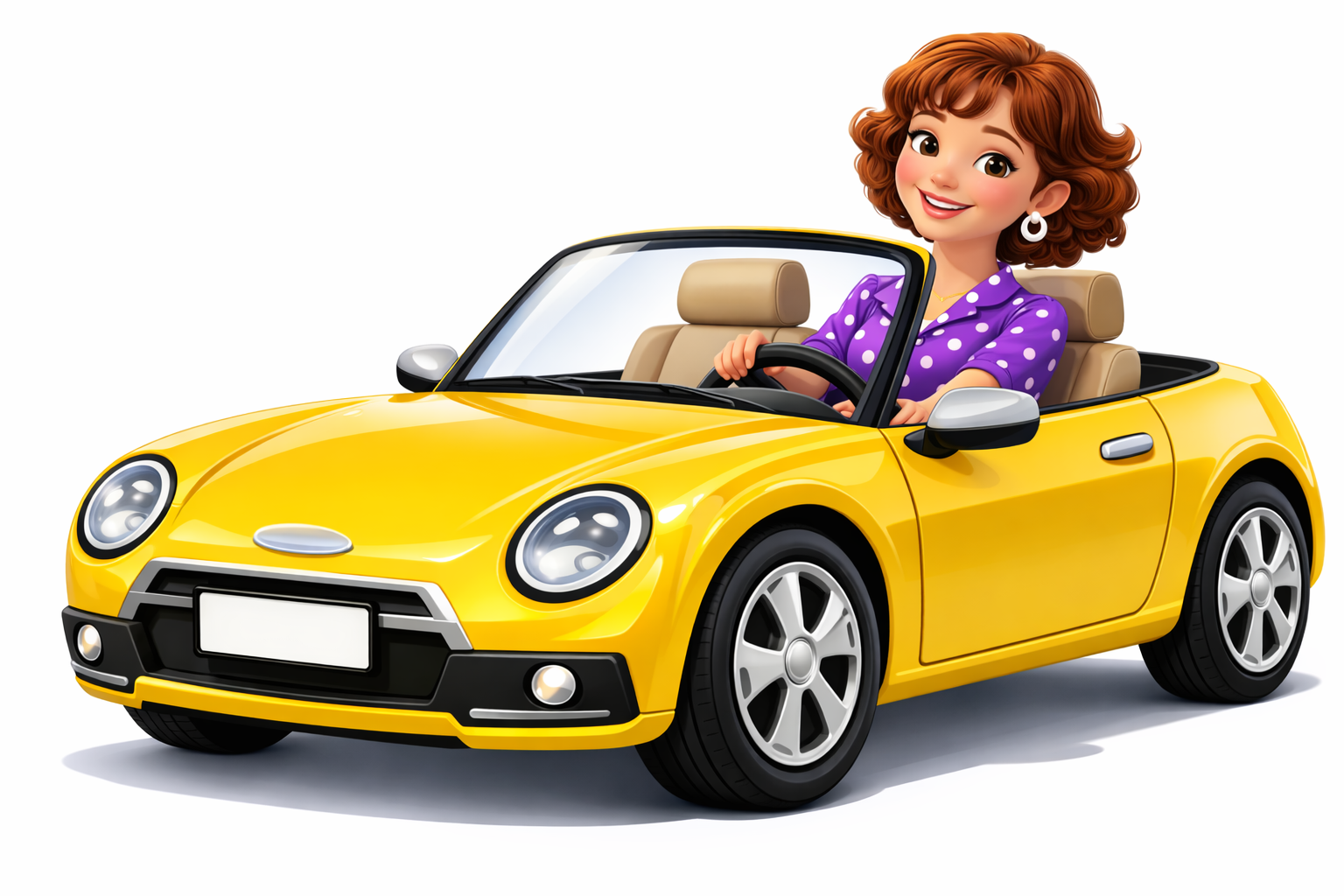
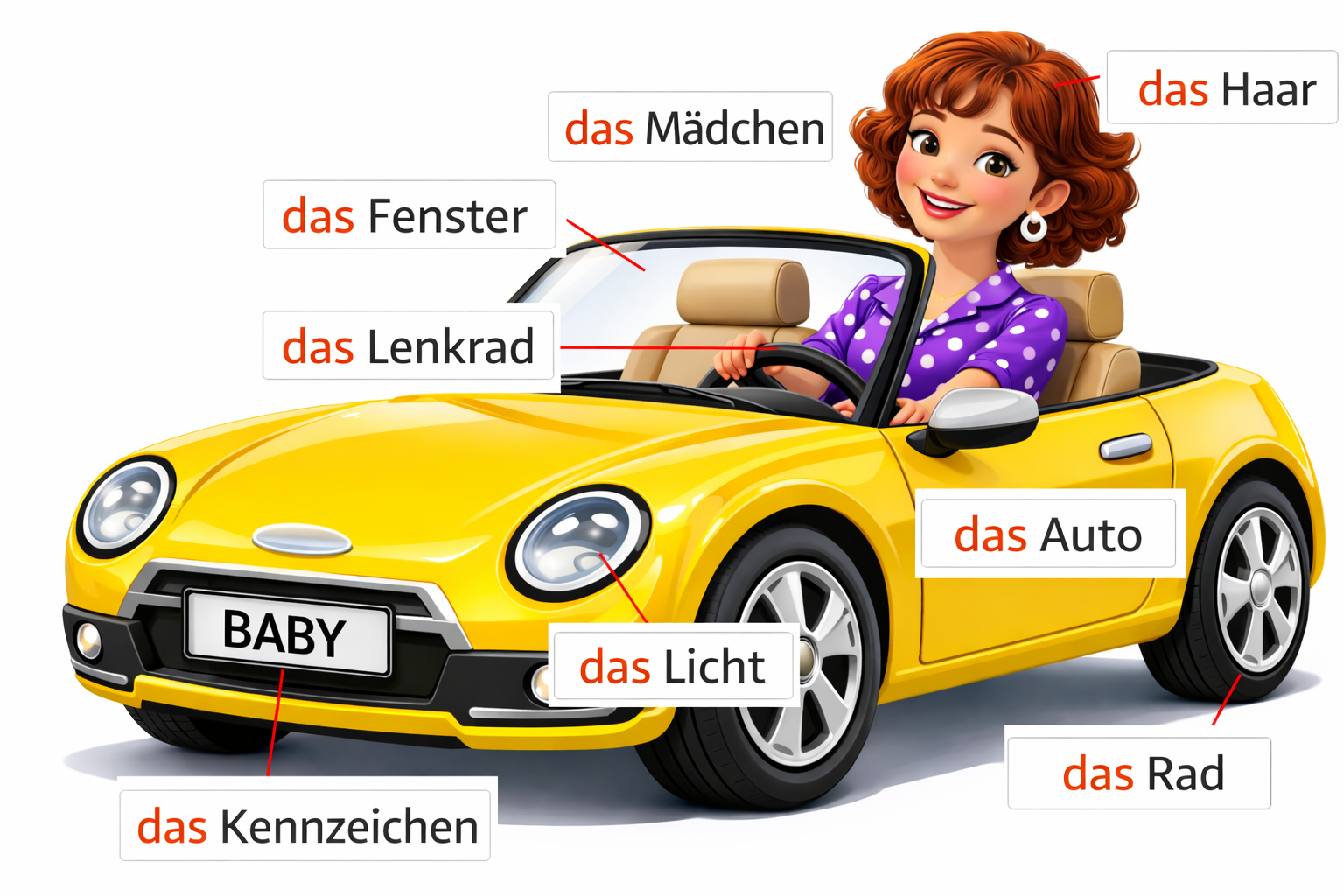
“das” German nouns here.
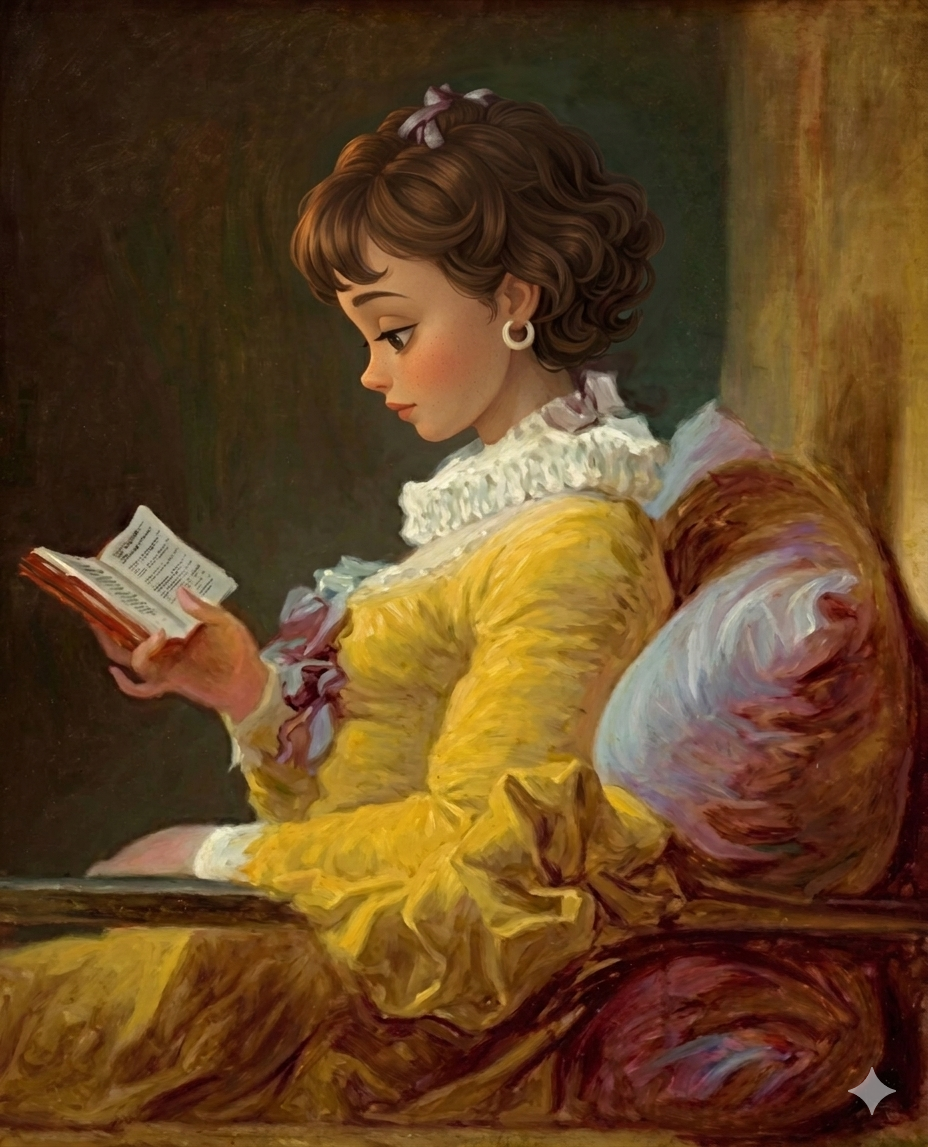
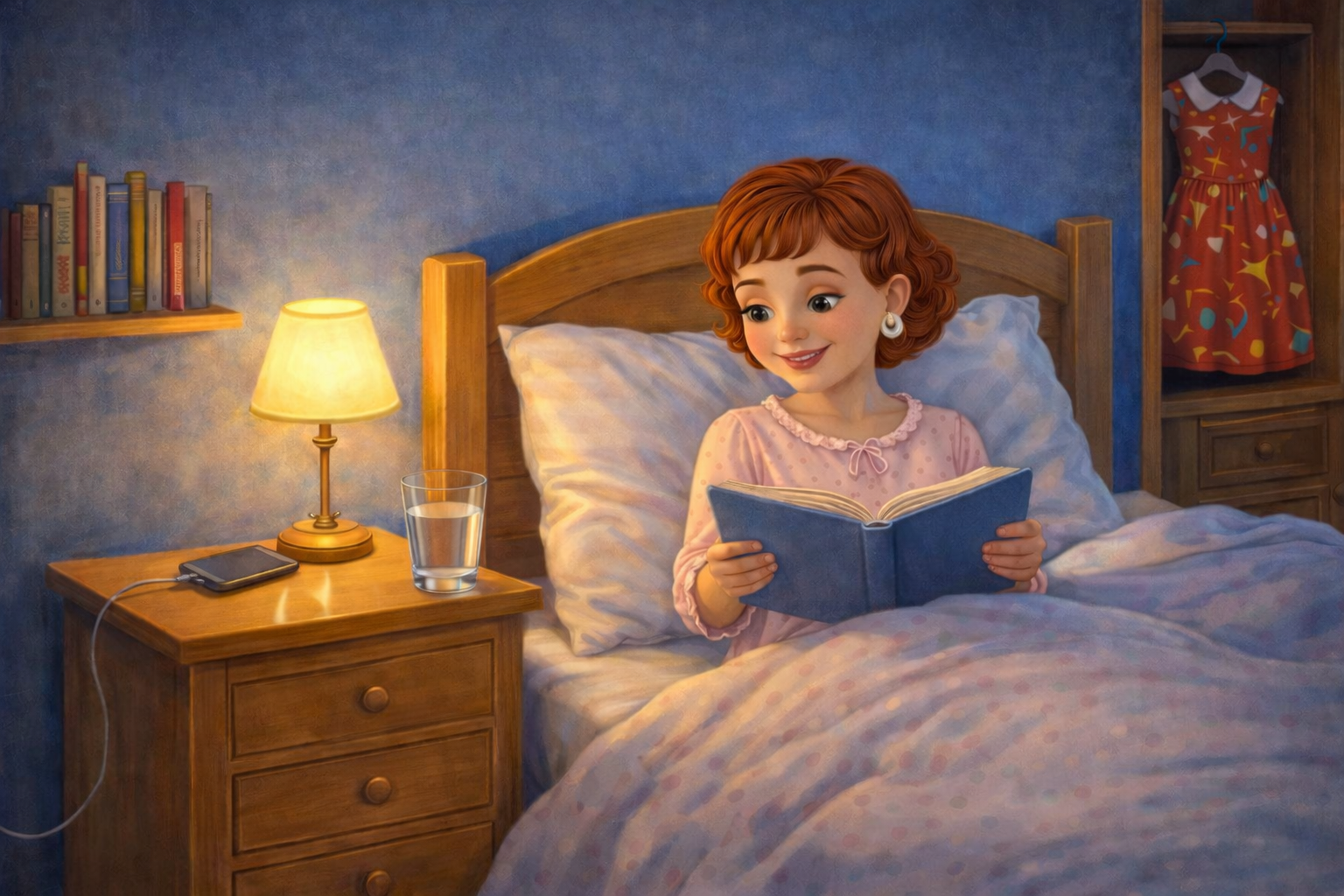
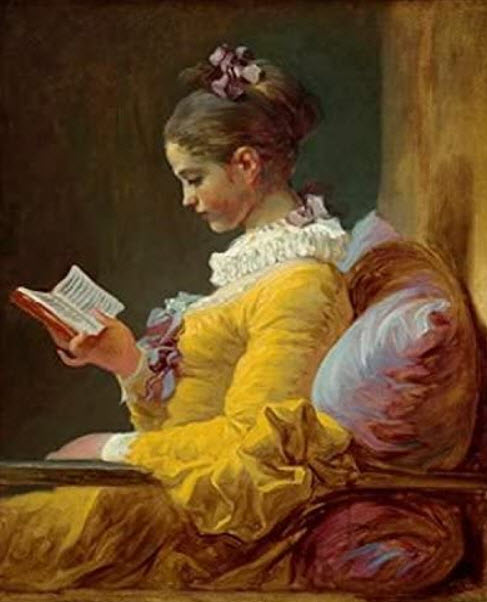
the young girl reading.
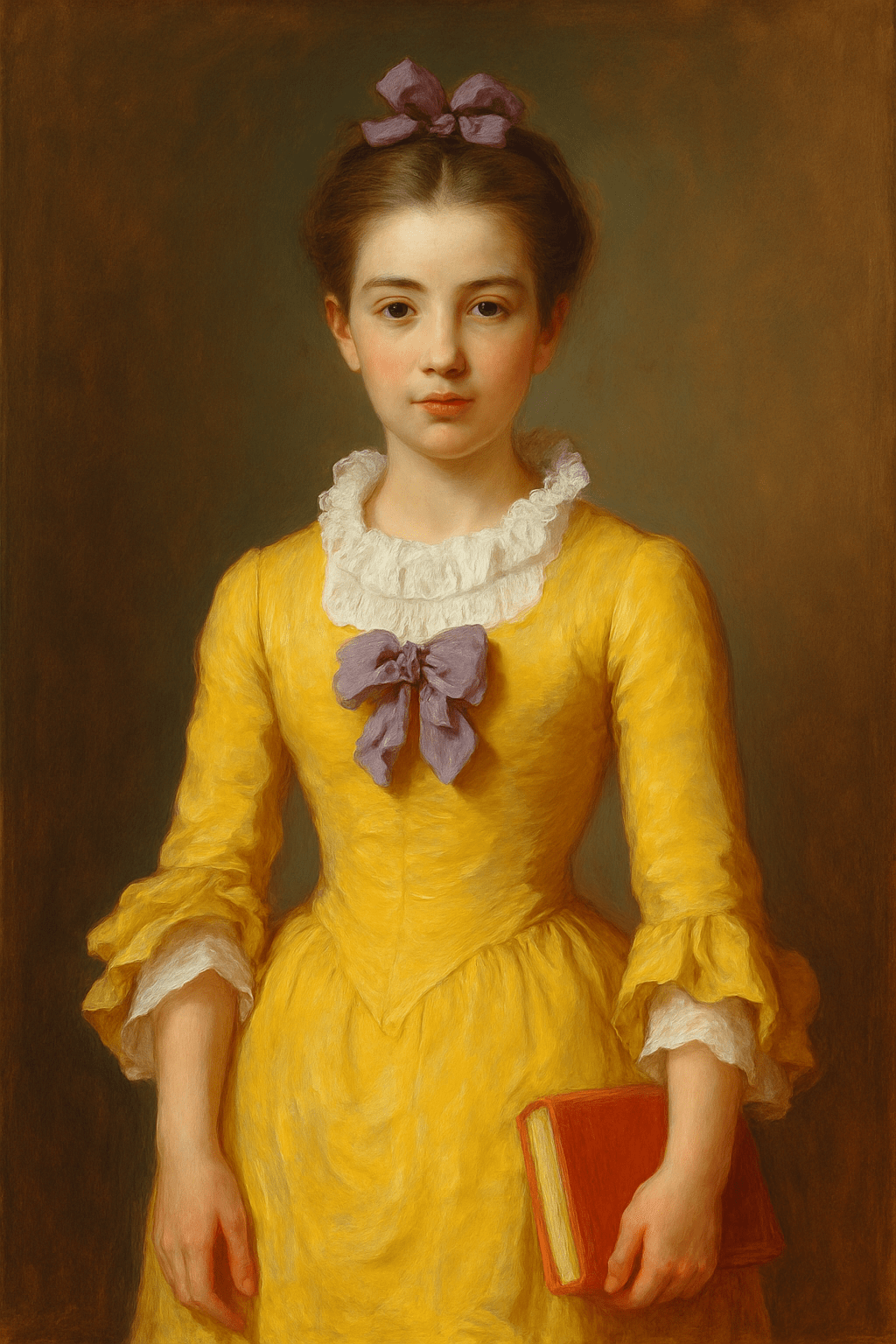
reading at all, that’s possible too.
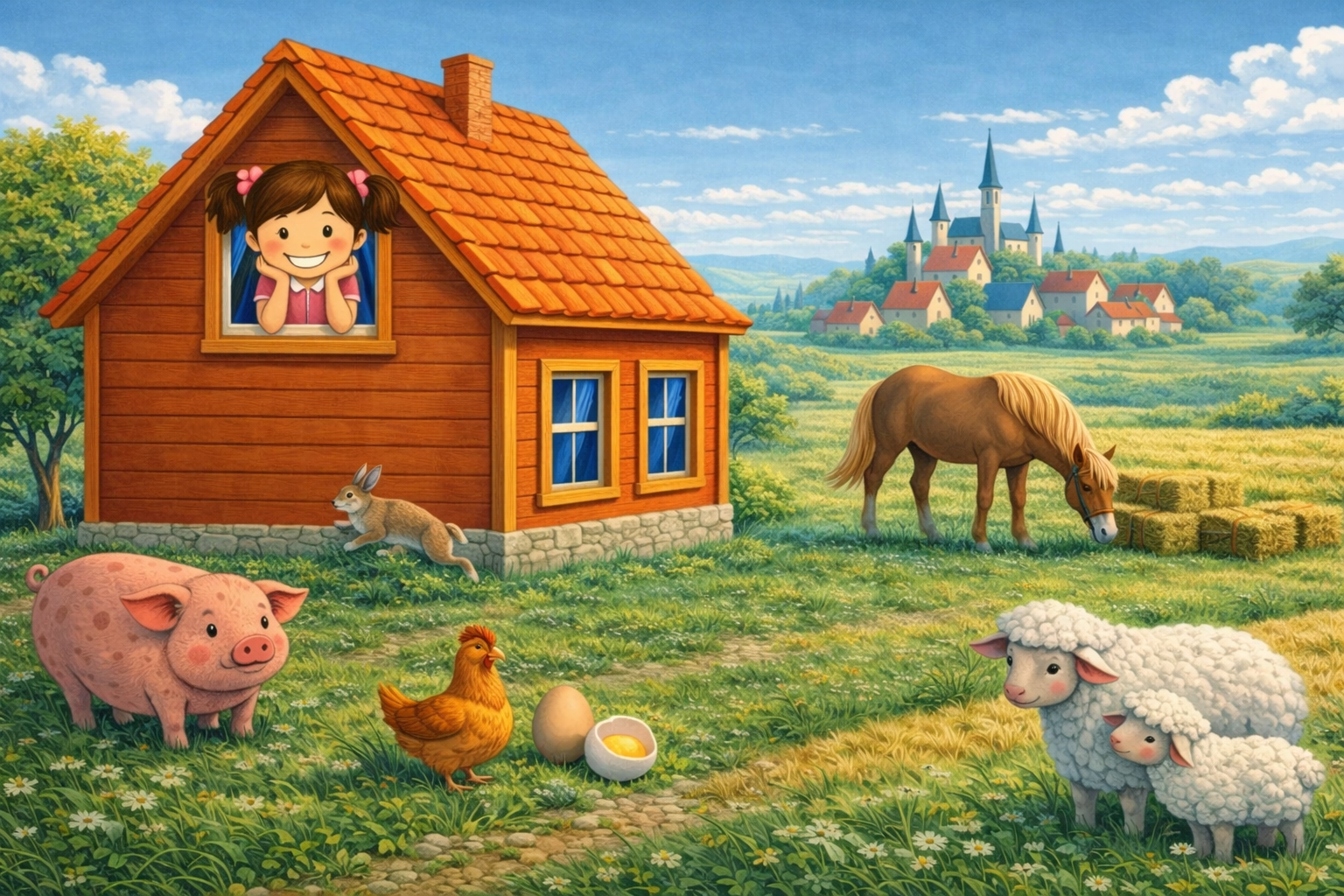
FARM SCENE w/ GIRL
I loved the images with which the AI reimagined this farm scene. At some point I thought to add the girl so that I could tie two other cards to this one. I already had the girl in her bedroom.
And in a bold move, I’ve modified the Young Girl Reading into a fourth card connection. How many “das” gender nouns is that?
 Bill Gibson, II