I am a retired Web Developer, Blackboard & Canvas Administrator at Fayetteville State University, which is a constituent institution of the University of North Carolina.
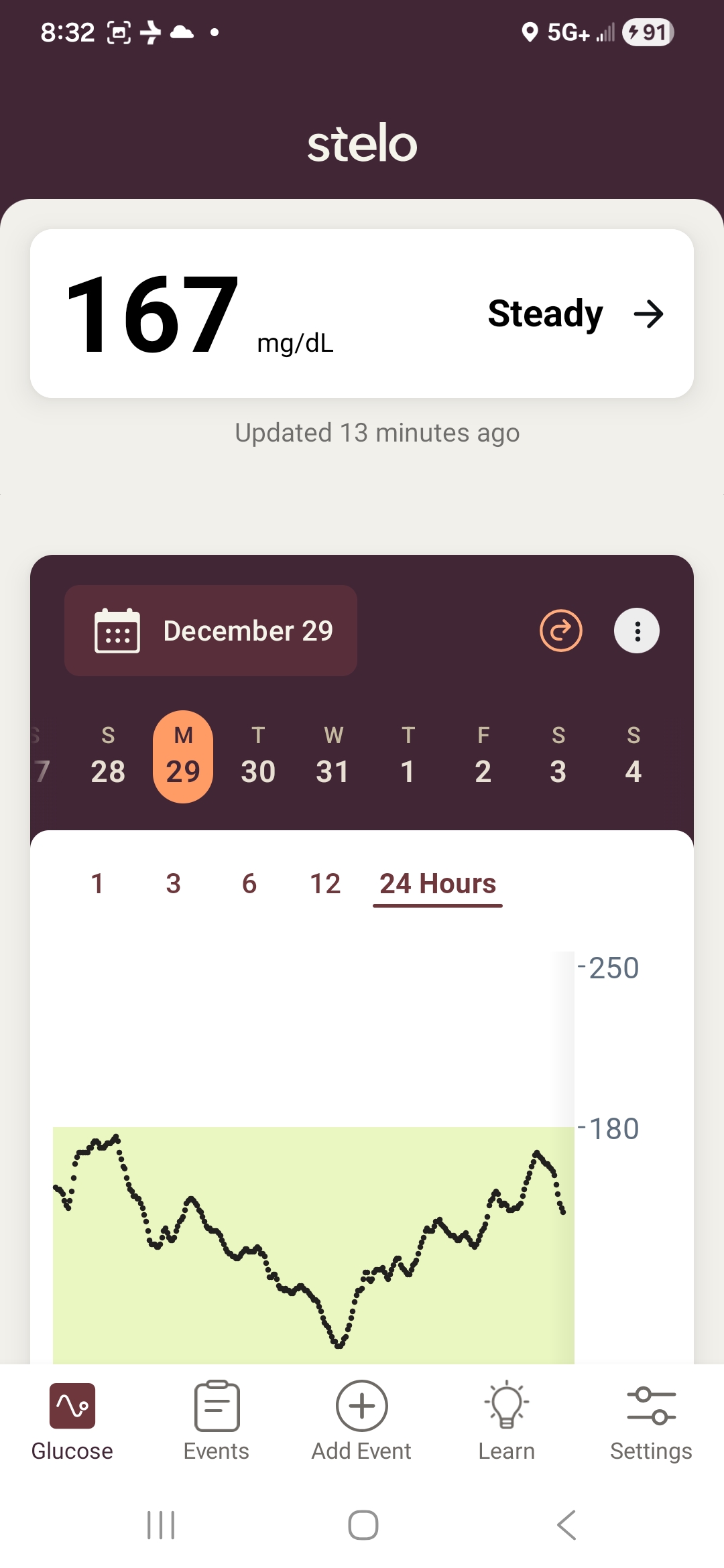
I met a couple of really nice guys yesterday (10/03/25) , father & son, two Nicks (I know that’s not their actual first name.). The elder Nick is a little older than me, and we’re both diabetic, and that allowed us to share “tricks” that we are using to keep our blood sugars under control. I was looking for “fenugreek” seeds and they had them… along with a bunch of other seedy things that I either buy, or want to buy. And, I even saw some split dal in an almost kidney shaped bean/pea and not the round flat lentil shape I know. I just checked with my AI and the bean is “Urad dal.” And I got an education in that “dal” isn’t synonymous with “lentil” in Indian cuisine.
The elder takes a daily drink of fennel and fenugreek for blood sugar control. This led me to check with my AI regarding a multi-seed drink: ajwain, cinnamon, cumin, fennel, and fenugreek. But you need to drink with caution because of the blood thinning and blood sugar (lowering) effects.
Leo Taylor was a good friend of mine. I didn’t see him often but I loved the intellectual battles we had. He made me stronger with those battles. He hired me at Fayetteville State, and helped me get a very good pay raise by navigating the process better. *Use keywords like “manage,” “analyze,” etc.
My regret is that I did not drive up to see him in the hospital when he was first diagnosed with his terminal illness.
Leo Guy Taylor
Durham
Leo Guy Taylor, born October 7, 1947, died at home peacefully on April 24th, 2014, following a battle with multiple myeloma.
He was raised in Washington, North Carolina; earned his degree at ECU and his master’s at NCSU. He taught math and physics at Wake Tech and Central Carolina Community College, then worked at UNCGA with the IT systems group for the university system and finally retired as IT director at Fayetteville State University. In retirement he worked an additional five years with Sprint/Embarq in sales.
Throughout his life Leo was an avid fisherman.
He was preceded in death by his mother, Silver Knowles, Washington, NC, this past December. He is survived by his wife Candy Taylor, Durham, North Carolina; a son Guy Taylor, Raleigh, NC; a daughter Rachel Taylor, Wilmington, NC; and grandson, Jack Taylor, Raleigh, NC.
A memorial service will be held at noon Saturday, May 3 with visitation beginning at 11 a.m. at Hope Valley Baptist Church, Durham, NC.
In lieu of flowers, memorials may be made to UNC Lineberger Cancer Hospital or Hope Valley Baptist Church.
Published in The News & Observer from Apr. 27 to May 2, 2014Leo Taylor Obituary_ Leo Taylor…
This isn’t just a pea soup — it’s a nutrient-dense, diabetes-friendly upgrade that blends classic comfort with fresh, vibrant add-ins. The base is a smooth pea and leek soup with tarragon and turmeric, but the garnishes — avocado cubes, red radish slices, broccoli sprouts, hemp seeds, and a touch of ground mustard seed — take it to another level. One blue corn tortilla chip on the side adds just the right amount of crunch.
🥣 Ingredients
1 tsp butter
½ onion, finely chopped
1 leek, finely chopped
2 cups frozen peas
2 cups water
2 cups low-sodium chicken broth
¼ tsp dried tarragon
½ tsp ground cumin
¼ tsp turmeric
½ avocado, cut into small cubes
2 radishes, thinly sliced
¼ cup broccoli sprouts (or more to taste)
½ tsp ground mustard seeds (freshly ground if possible)
2 tsp hemp seeds
Salt & pepper, to taste
Optional: 1–2 blue corn tortilla chips for garnish
👩🍳 Instructions
In a medium pot, melt the butter over medium heat.
Add onion and leek; sauté until softened, about 5 minutes.
Stir in peas, water, broth, tarragon, cumin, and turmeric. Bring to a boil.
Reduce heat and simmer for 15 minutes.
Purée with an immersion blender until smooth. Taste and season with salt & pepper.
Ladle soup into bowls and garnish each serving with:
Avocado cubes
Sliced red radish
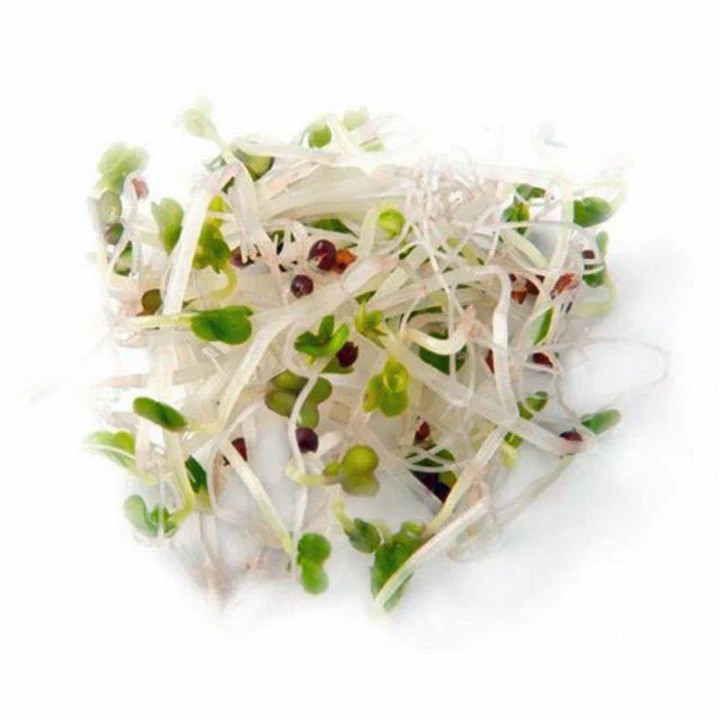
Broccoli sprouts
A pinch of ground mustard seeds
A sprinkle of hemp seeds
Serve warm with 1 blue corn tortilla chip on the side (or crumbled on top).
💚 Nutrition Highlights (per serving, ~4 servings)
Calories: ~145
Protein: ~7 g
Fat: ~8–9 g (mostly healthy fats from avocado + hemp)
Carbs: ~16 g
Fiber: ~7 g
Sodium: ~140–150 mg (with low-sodium broth)
🥑 Why This Soup Works for Diabetes-Friendly Eating
Fiber-rich: Nearly 7 grams per serving helps slow glucose absorption.
Balanced macros: Moderate carbs paired with protein and healthy fats.
Low sodium: A fraction of the salt of traditional soups when made with low-sodium broth.
I had this cold, and ate it for breakfast, but that is only because I had fixed the soup early this morning (10/02/25). Because of all the garden peas I was trying to add other items that would nudge this back to something more “diabetic friendly,” and it turned out to be delicious on many levels.
I added the hemp seeds at the end and was surprised at how much they added to this dish. I added the cumin & turmeric to punch the flavor. I have been eating a lot of broccoli sprouts with ground mustard seeds in my lunch salads ( sulforaphane production ) and have also begun adding slices of red radish. Currently I can get a good sized bag of red radish, already trimmed of the green tops at Aldi’s. *In previous times, I’ve wanted the tops to see if I can add them to a soup, but it always seems that they go bad (maybe only a day later) before they get to the soup stage. Oh, the Tostitos Organic Blue Corn Tortilla chip is because I had them yesterday for the first time (I recall?) and they were the best blue corn chips I’ve had so far. They are relatively low in sodium, but still provide just the right amount of salt.
I probably had the basic Tarragon Pea & Leek Soup for the first time about 15 years ago. I think I originally bought my Braun MultiQuick setup, with the stick blender, to blend a Curried Apple Soup, but the Tarragon Soup came shortly thereafter. Both of these soups are delicious hot or cold. Unfortunately, the Curried Apple Soup spikes my blood sugar, so I can’t afford to make a bunch of it and then eat it all. *I haven’t had it in a long while, but I used to love to make it and eat it day after day cold.
Recall that the Braun MultiQuick “Combo” provides a stick blender, whisk and the food processor, which I also use to make salsa and hummus.
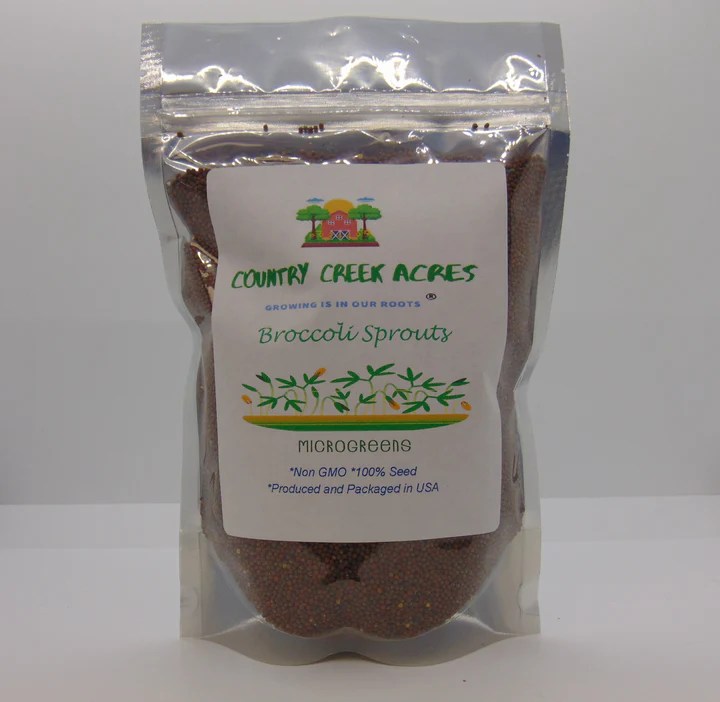
Country Creek Acres gives an address of 8816 Manchester Rd, Brentwood, Missouri 63144
They have policies like Returns Policy, Shipping Policy, etc. Country Creek LLC
First Successful Sprouts
I bought a 10 oz. bag of Broccoli Sprouts from this company, via Amazon.com. I have started my first broccoli sprouts off of this package using 2 – 1 tbl seeds. *I’ve also marked the package intending to determine how many cycles (of 2 tbl each time) of growing I can get from the 10 oz. package.
Answer: With your 10 oz broccoli seed package and 2 tbsp per cycle, you’ll get about 10 cycles, each producing 6–8 oz of fresh sprouts, for a total harvest of 60–80 oz (3.75–5 lbs).
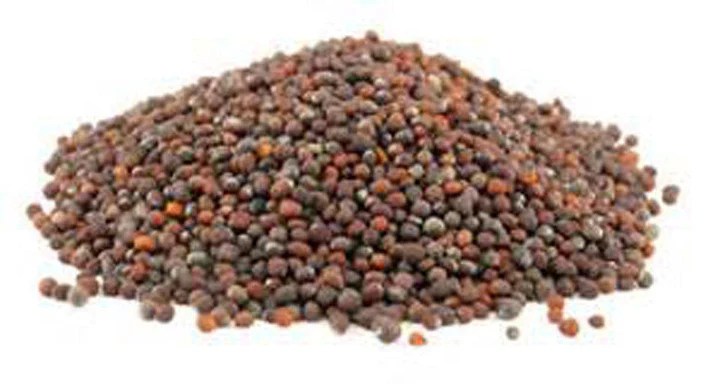
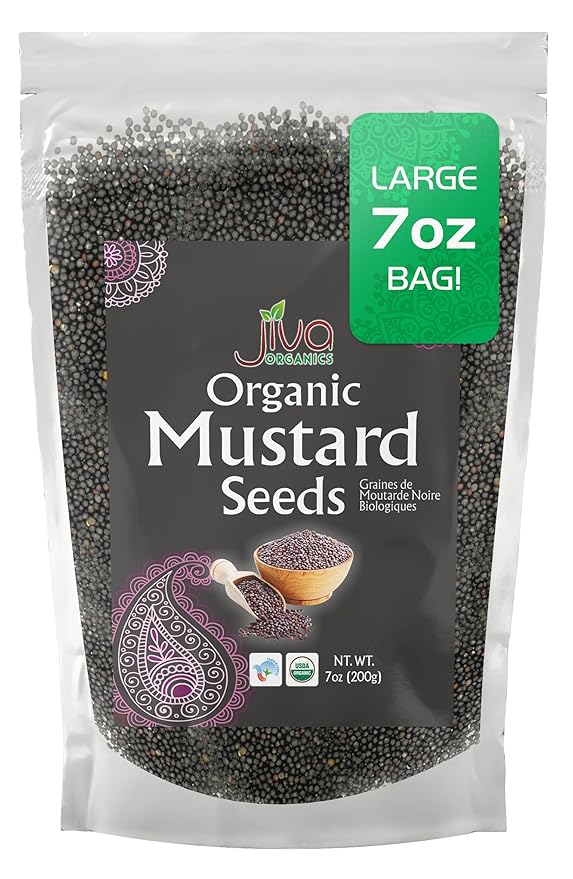
Recall that broccoli is a cruciferous vegetable and that adding ground mustard seeds (in my case black mustard seeds) to it, or other cruciferous veggies, including broccoli sprouts, produces sulforaphane, which activates the body’s antioxidant and detoxification defenses and is studied for its potential health-protective effects.
Combining mustard seed sprouts with broccoli sprouts boosts sulforaphane production because mustard is rich in the enzyme myrosinase, which helps convert broccoli’s glucoraphanin into its more powerful active form. For best effect, add about ½ teaspoon of mustard seed powder or a small handful of mustard sprouts to a ½-cup serving of broccoli sprouts.
🌱 Best Practices for Sprouting Broccoli + Mustard Seeds Together
If you use 2 tablespoons broccoli seed, add ½ teaspoon–1 teaspoon mustard seed.
Rinse both together, then soak 6–8 hours in cool water.
Mustard seeds can get mucilaginous (slimy), but mixing them with broccoli seeds reduces clumping.
Rinse and drain 2–3 times daily.
You can harvest both together at ~4 days when they have small green leaves.
Mix 80–90% broccoli seeds + 10–20% mustard seeds, sprout together for 3–5 days, rinse daily, and harvest when green. The sulforaphane boost happens when you chew or chop them, so nothing is lost by growing them side-by-side. *And I just noted Daikon Radishes, which Sunny Creek Farm is getting into production.
More enzyme diversity → more reliable conversion in different gut conditions.
✅ Bottom line: Mixing broccoli + mustard + radish sprouts is probably the best strategy for sulforaphane production and overall phytochemical diversity. You’d be combining the richest precursor source (broccoli) with two strong enzyme boosters (mustard + daikon radish), plus layering in extra compounds unique to radish.
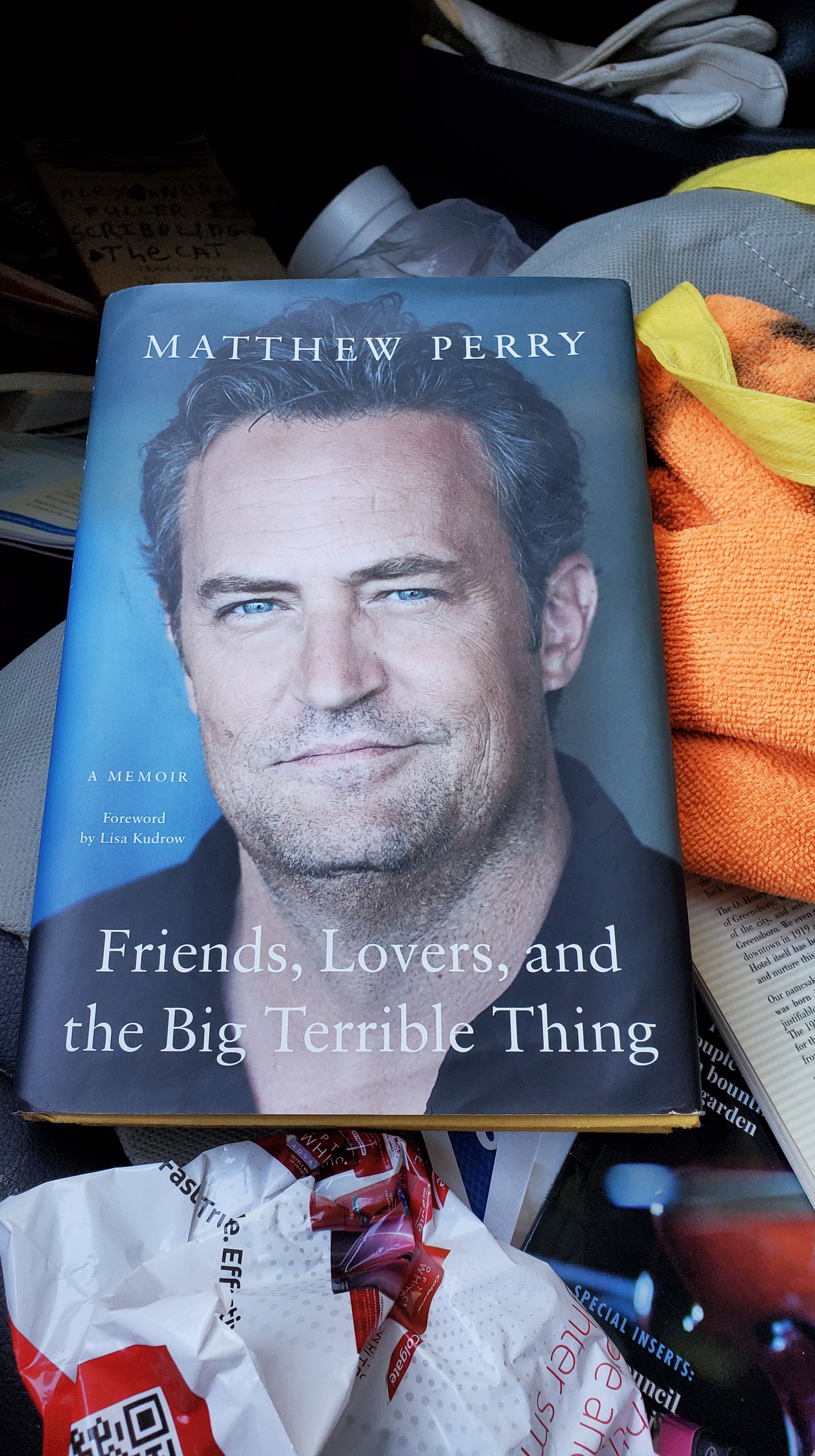
I got a copy of Matthew Perry’s memoir at a Little Lending Library. I saw his face on the cover of his memoir and thought someone might like to read his book. I did not plan to read it. But about 4 days later I was looking at one of those websites that honor the dead of that year, and about the fourth image down was a picture of Matthew Perry. I said to myself, “I didn’t know he was dead,” and then as I read on, I realized that he had died about 3 days after I got his book. I thought that “hinkey” and I told myself, “I guess I’m going to have to read his book.” And, I did. About three pages into his book, he said, “I should be dead by now.” Now that is really hinkey. — So, I just saw a magazine cover with Charlie Sheen on the cover, his big face filling the magazine cover like Perry’s had on his memoir. And the sentence, in bold text on the magazine cover, “It’s A Miracle I’m Alive,” which made me think of what Perry had said.
🌮 Pollo Ranchero Skillet with Guacamole, Beans & Quinoa
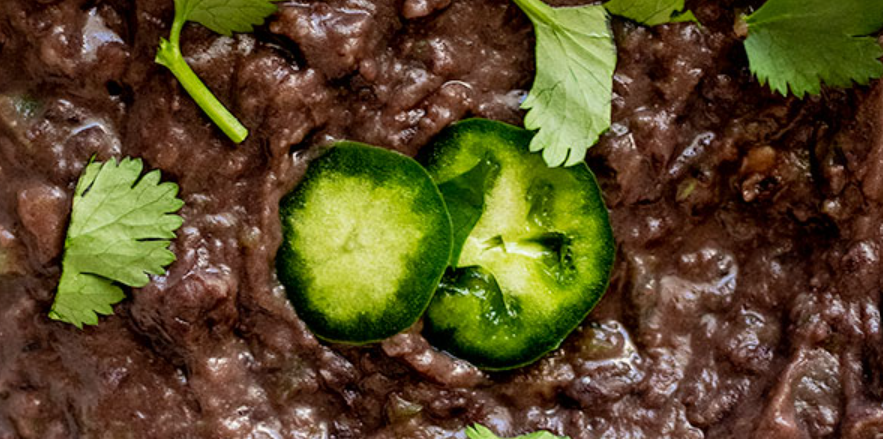
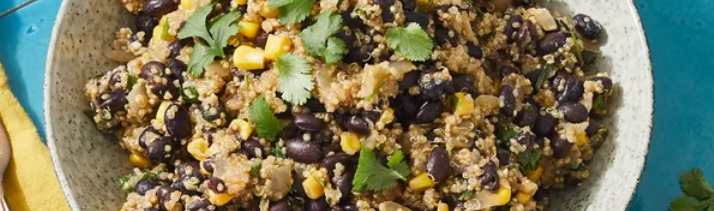
Chicken FajitasRefried Black BeansBlack Beans & QuinoaGuacamole
Ingredients (2 servings)
8 oz boneless, skinless chicken breast (sliced into strips)
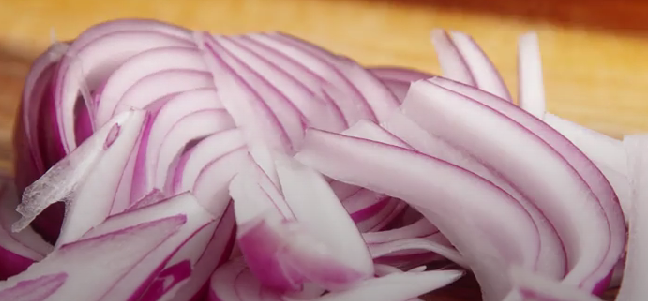
½ medium onion, sliced
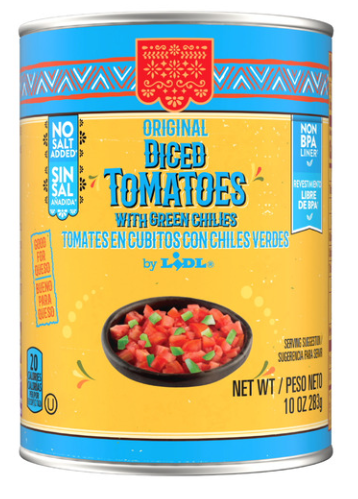
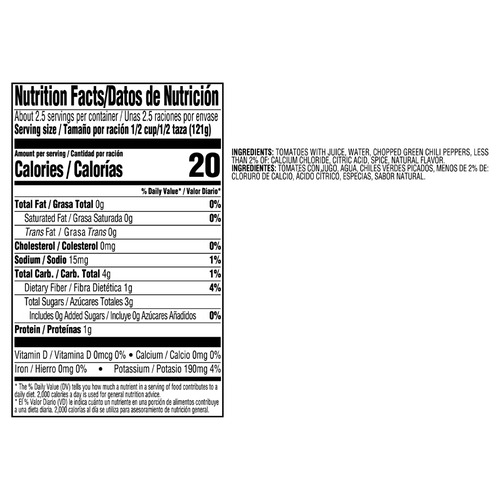
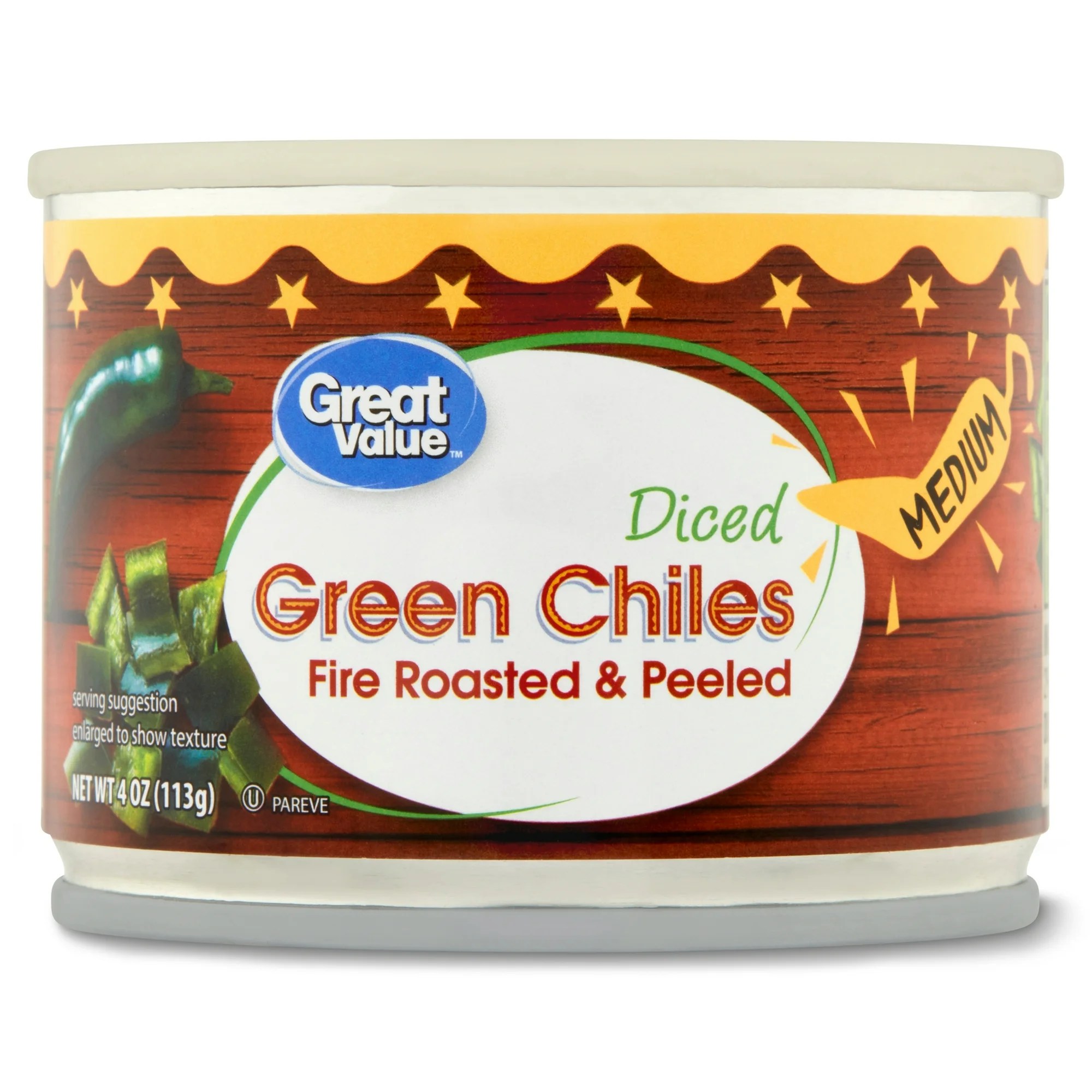
1 (10 oz) can diced tomatoes (low sodium) with green chiles, drained
1 medium bell pepper (red, orange or yellow), sliced
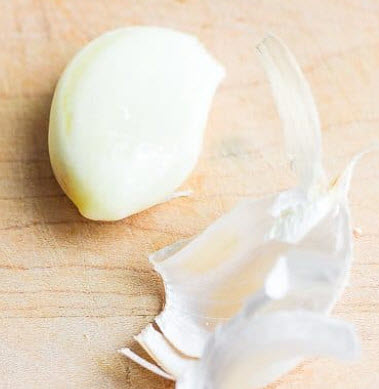
1 clove garlic, minced (optional)
1–2 tsp olive oil
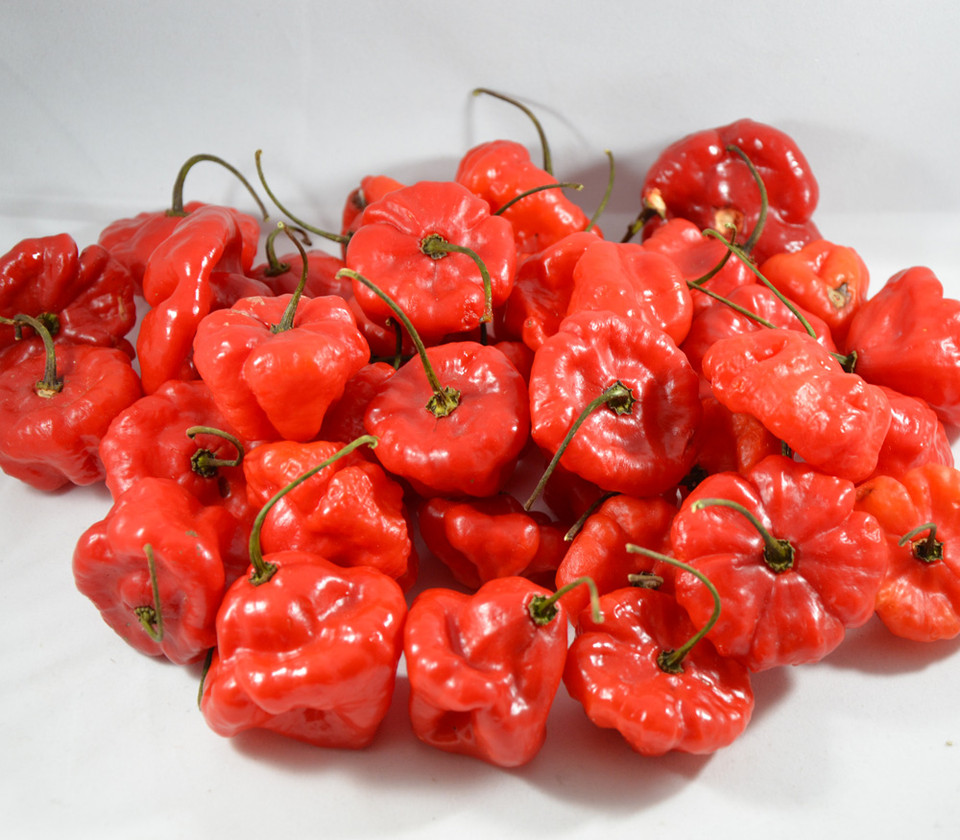
¼–½ tsp cayenne pepper (to taste)
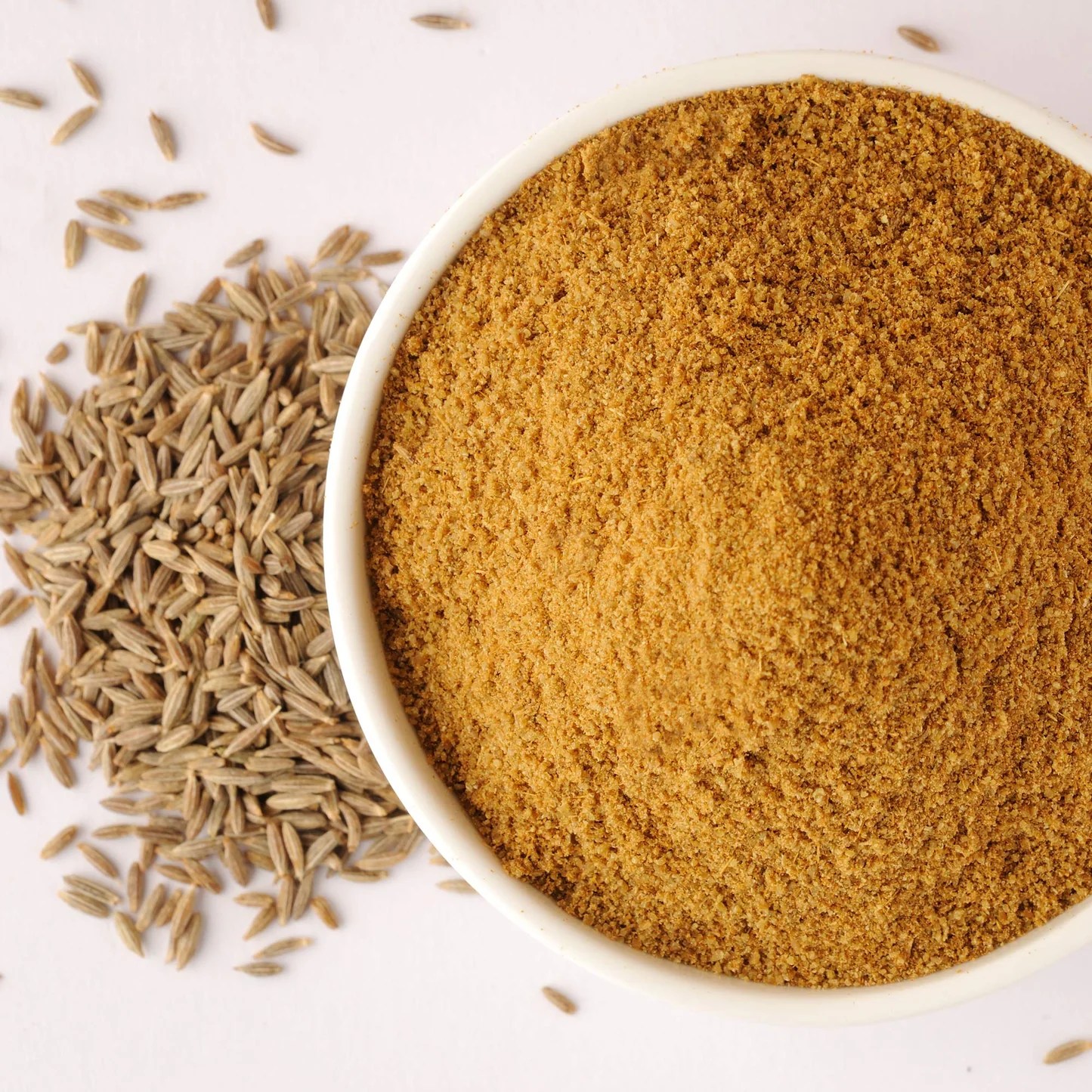
1 tsp ground cumin
Salt & black pepper, to taste
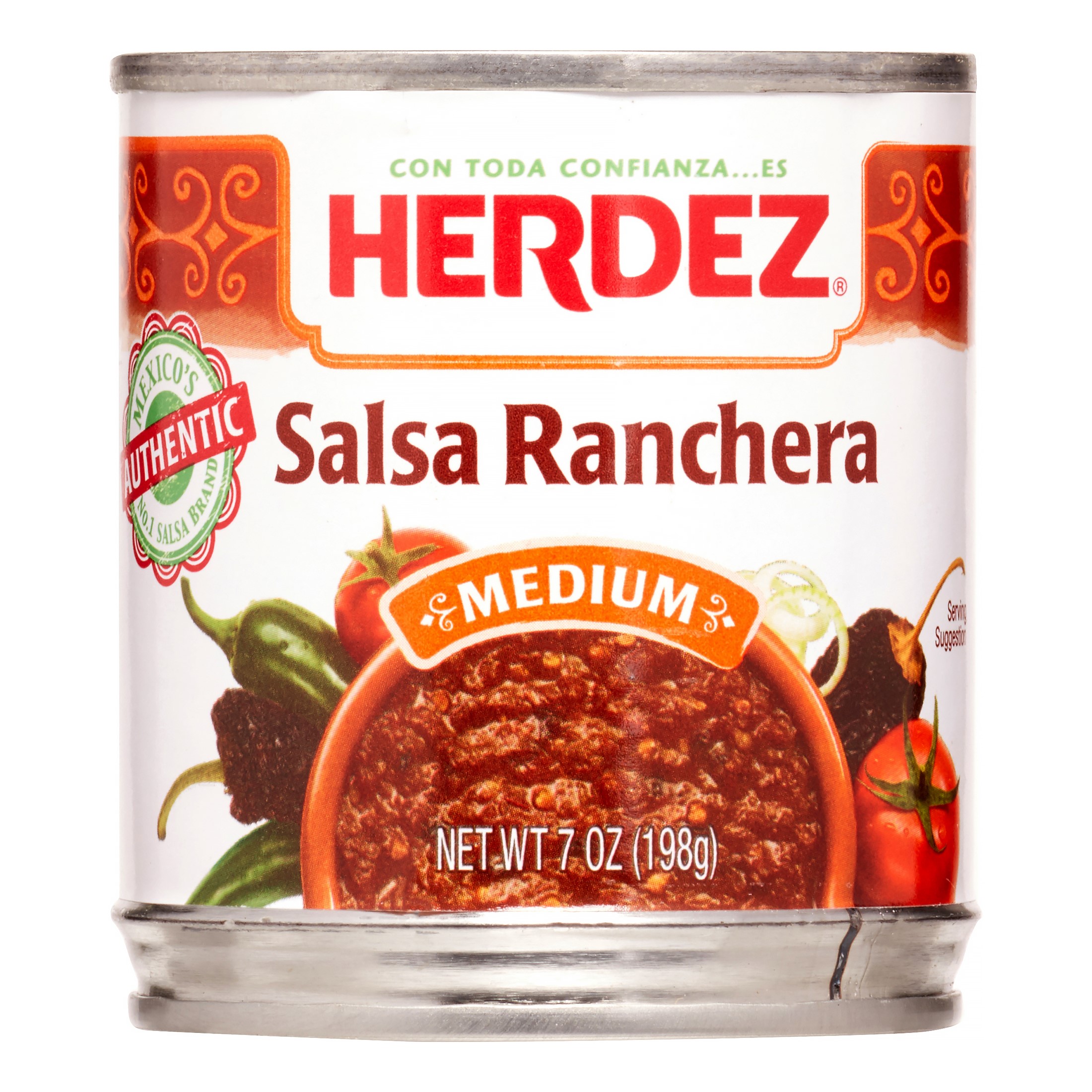
½ cup Salsa Ranchera (Herdez)
For serving:
½ cup guacamole (homemade)
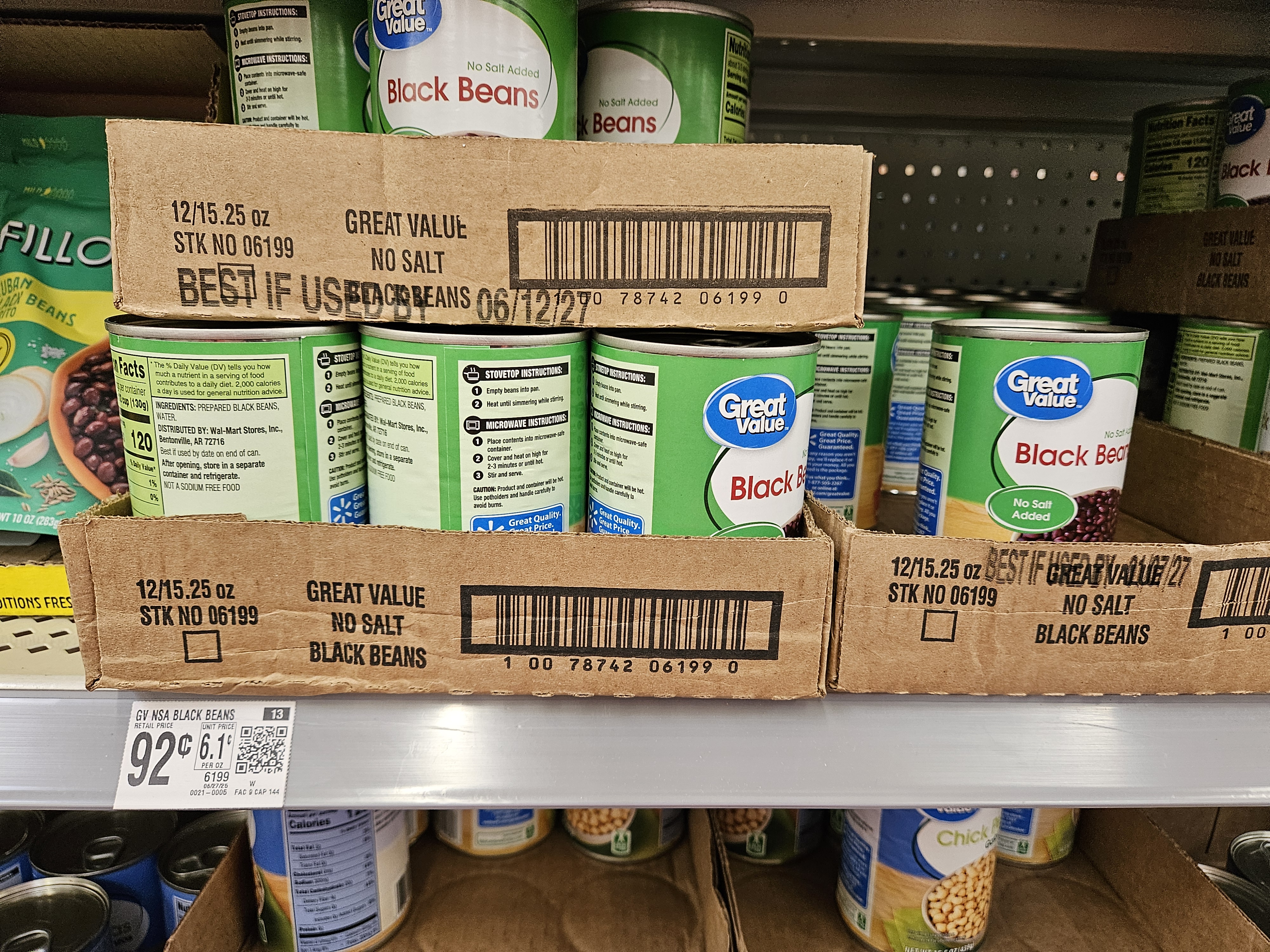
1 cup refried beans (black or pinto) or 1 cup black beans & quinoa
2 tbsp fresh cilantro, chopped
Directions
Prep: Slice chicken, onion, and bell pepper into strips. Chop cilantro.
Sauté: Heat olive oil in a skillet over medium-high heat. Add chicken strips and cook until lightly browned, ~4–5 minutes.
Add Veggies & Spices: Stir in onion, bell pepper, and garlic. Cook until vegetables soften, ~4 minutes. Sprinkle in cayenne, ground cumin, salt, and black pepper.
Stir in the drained tomatoes with green chiles and cook 2–3 min to concentrate.
Sauce: Pour in salsa ranchera, stir to coat, and simmer 2–3 minutes until chicken is fully cooked and sauce slightly thickens.
Finish: Remove from heat and stir in half the chopped cilantro for freshness.
Serve: Plate chicken & peppers with guacamole and beans/quinoa. Garnish with the remaining cilantro.
🍴 Notes & Variations
Add a squeeze of lime juice with the cilantro for brightness.
Swap black beans & quinoa for pinto beans, if preferred.
For more heat, layer cayenne with fresh jalapeño slices.
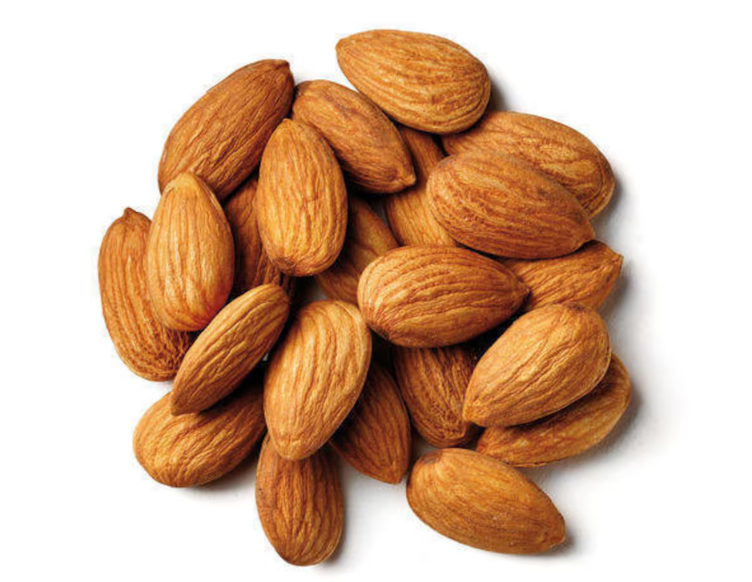
Many nuts and seeds provide unique benefits for blood sugar control thanks to their combination of healthy fats, fiber, protein, and micronutrients. Almonds are especially well studied, showing the ability to reduce post-meal glucose spikes and improve insulin sensitivity, largely due to their high magnesium and fiber content. Walnuts, rich in omega-3 ALA and polyphenols, have been linked with improved fasting insulin levels and overall cardiovascular health, which is crucial for people managing diabetes. Pistachios are another standout, with research showing reductions in HbA1c (a long-term blood sugar marker) and improvements in insulin resistance.
Other nuts and seeds play helpful supporting roles. Peanuts, while technically legumes, behave nutritionally like nuts and can slow glucose absorption when paired with high-carb foods, making them stabilizing when eaten alongside bread or grains. Cashews provide magnesium and plant sterols that support heart health and blood pressure, factors closely tied to glucose management. Seeds such as pumpkin and sunflower are particularly high in magnesium, a mineral essential for insulin regulation, and offer a low-carb, antioxidant-rich nutrient package that complements the benefits of tree nuts.
Taken together, nuts and seeds are naturally low on the glycemic index and help blunt blood sugar spikes by slowing digestion of carbohydrates. Their nutrient density, particularly in magnesium, zinc, and antioxidants, directly supports insulin function, while their high satiety value reduces overeating and stabilizes energy. For those aiming to manage blood sugar, a mixed handful of almonds, walnuts, pistachios, and pumpkin seeds provides an especially balanced daily snack, delivering broad-spectrum support for both glucose control and overall metabolic health.
Nut / Seed
Serving Size (approx.)
GI
Calories
Protein (g)
Fat (g)
Carbs (g)
Fiber (g)
Notable Nutrients
Almonds
23 whole kernels (28 g)
~15
164
6.0
14.0
6.1
3.5
Vit E, Magnesium
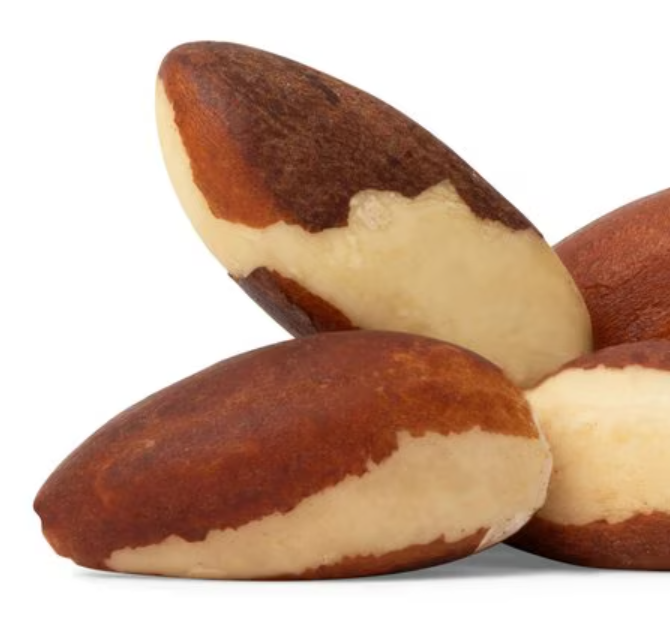
Brazil Nuts
6 whole nuts (28 g)
~10
187
4.1
19.0
3.3
2.1
Selenium (very high)
Cashews
18 whole nuts (28 g)
~25
157
5.2
12.4
8.6
0.9
Iron, Zinc
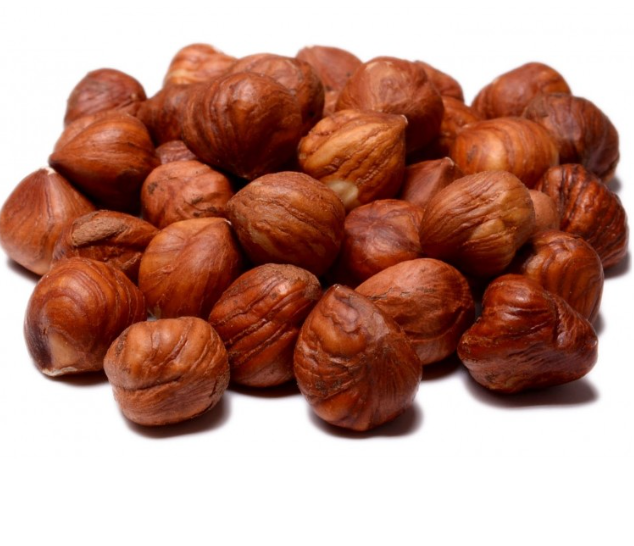
Hazelnuts
21 whole nuts (28 g)
~15
178
4.2
17.2
4.7
2.7
Vit E, Folate
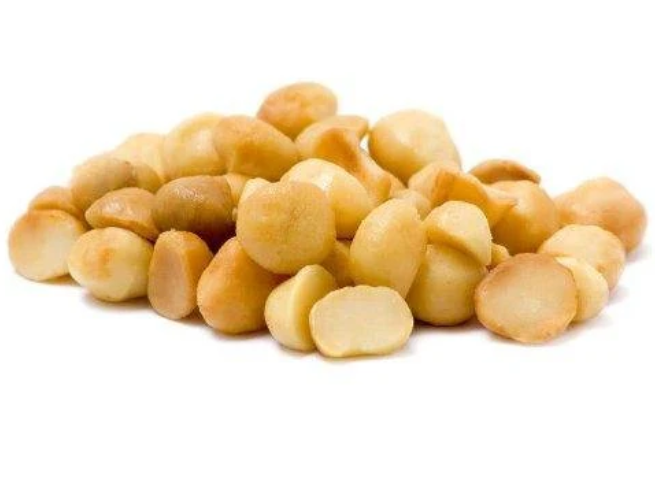
Macadamias
10–12 whole nuts (28 g)
~10
204
2.2
21.5
3.9
2.4
Thiamine, Manganese
Peanuts*
28 shelled nuts (28 g)
~14
161
7.3
14.0
4.6
2.4
Niacin, Folate
Pecans
19 halves (28 g)
~10
196
2.6
20.4
3.9
2.7
Manganese, Thiamine
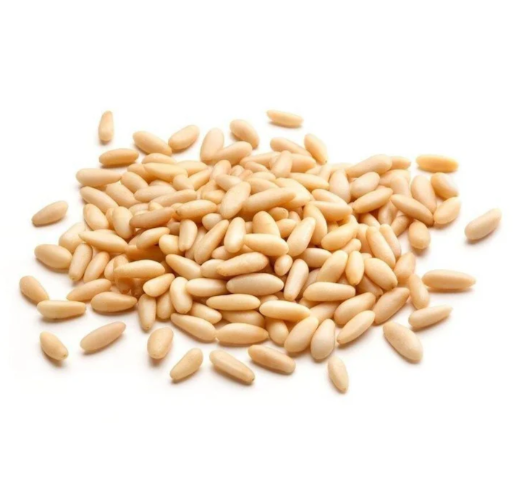
Pine Nuts
~167 kernels (28 g)
~15
191
3.9
19.1
3.7
1.0
Vit K, Magnesium
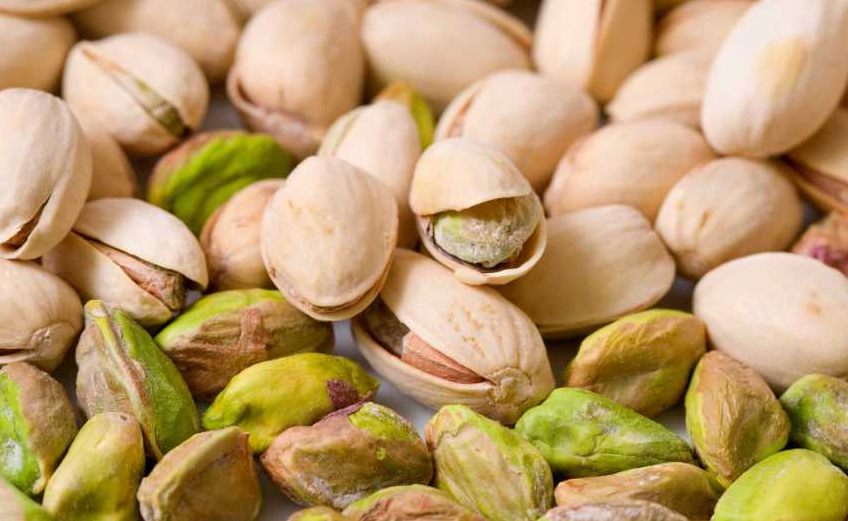
Pistachios
49 kernels, shelled (28 g)
~15
159
5.7
12.8
7.8
3.0
Vit B6, Potassium
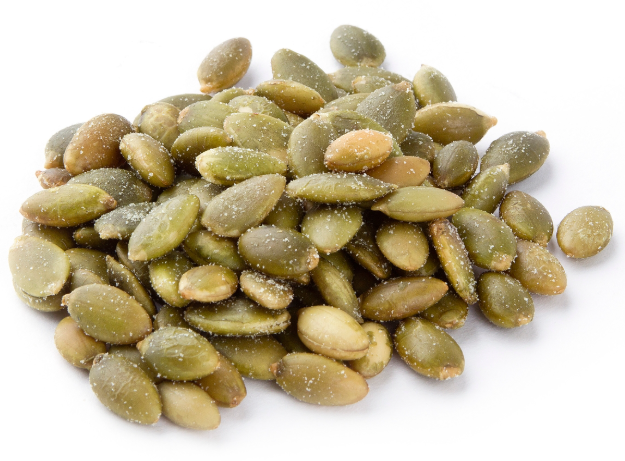
Pumpkin Seeds (pepitas)
~85 seeds (28 g)
~15
151
7.0
13.0
5.0
1.7
Magnesium, Iron, Zinc
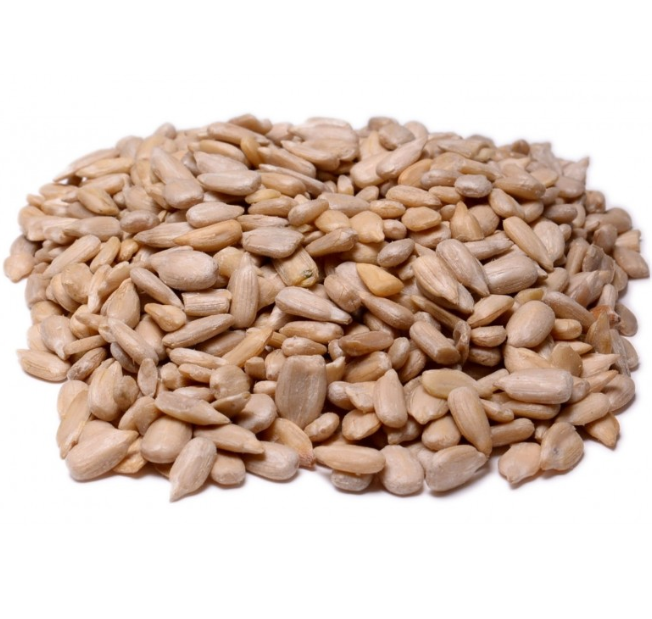
Sunflower Seeds
~200 kernels (28 g)
~20
164
5.5
14.0
6.0
3.0
Vit E, Selenium
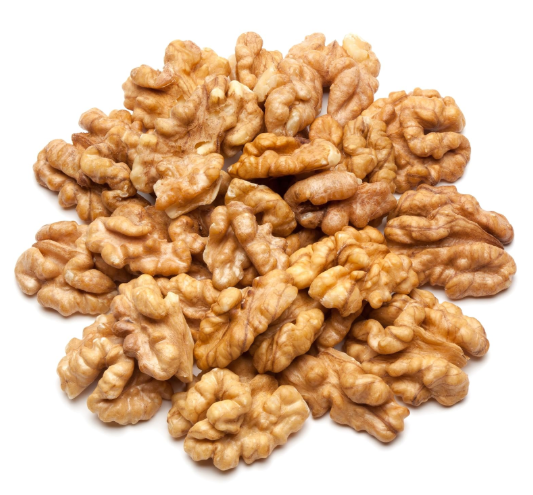
Walnuts
14 halves (28 g)
~15
185
4.3
18.5
3.9
1.9
Omega-3 ALA, Copper
*Peanuts are legumes but grouped with nuts nutritionally. In this table consider them either raw or dry roasted. Both are approximately nutritionally the same.
This is the Lazy Susan (like) I bought to serve my assorted nuts and dried fruit. It holds 10 pint canning jars. I put six different nuts on the bottom and 4 dried fruits on the top rack. Almonds, Brazil nuts, hazelnuts, macadamia nuts, pecans, and walnuts and dates, yellow raisins, prunes & dried cranberries. But, I also have a jar of pistachios, flavored pumpkin seeds (wasabi/soy), some grated coconut and either Moser Roth Cranberry Dark Chocolate (Aldi’s) and/or Ghirardelli Milk Chocolate Chips.
Omega-3 ALA, antioxidants, heart protective; low net carbs.
Excellent for heart & brain health.
⭐ 3
Pecans
Very low net carbs, high monounsaturated fat, antioxidants.
Strong option, slightly less omega-3 than walnuts.
⭐ 4
Pumpkin Seeds (pepitas)
High magnesium, zinc, iron, protein; moderate fiber; low-moderate carbs.
Very good for insulin sensitivity.
⭐ 5
Pistachios
Clinical studies show lower HbA1c and better insulin response; good fiber and potassium.
Portion control matters.
⭐ 6
Sunflower Seeds
Magnesium, vitamin E, antioxidants; slightly higher carbs than pumpkin seeds.
Better unsalted, watch portion sizes.
⭐ 7
Peanuts (legume)
High protein, magnesium; blunt carb absorption.
Choose dry roasted/unsalted.
⭐ 8
Hazelnuts
Good fats, vitamin E, folate; moderate carbs.
Balanced choice.
⭐ 9
Brazil Nuts
Very low carb, antioxidant selenium.
Limit to 1–2/day.
⭐ 10
Macadamias
Extremely low carb, high monounsaturated fat.
Very calorie dense.
⚖️ 11
Cashews
Higher carb (~8 g net), less fiber, fewer omega-3s.
Fine in small portions.
⚠️ 12
Chestnuts
High carb, starchy, little fat or protein.
Least diabetes-friendly.
🌰 Best Nuts for Blood Sugar Control
Almonds
Why: High in magnesium, fiber, and healthy fats.
Evidence: Studies show almonds can lower post-meal blood sugar spikes and improve insulin sensitivity.
Tip: Eating a few almonds before or with a carb-rich meal may blunt the glucose rise.
Walnuts
Why: Rich in omega-3 ALA, polyphenols, and fiber.
Evidence: Regular walnut intake is linked with lower fasting insulin and improved heart health, which is important for people with diabetes.
Pistachios
Why: High in protein, fiber, and antioxidants.
Evidence: Pistachios have been shown to reduce HbA1c (long-term blood sugar marker) and improve insulin resistance in people with type 2 diabetes.
Peanuts (legume, but similar)
Why: High protein, relatively low glycemic impact.
Evidence: When eaten with high-carb foods, peanuts slow glucose absorption and improve satiety.
Peanut butter (unsweetened) also has a stabilizing effect.
Cashews
Why: Lower fat than many nuts, moderate carbs, but high in magnesium and plant sterols.
Evidence: May improve HDL cholesterol and reduce blood pressure, indirectly supporting better glucose control.
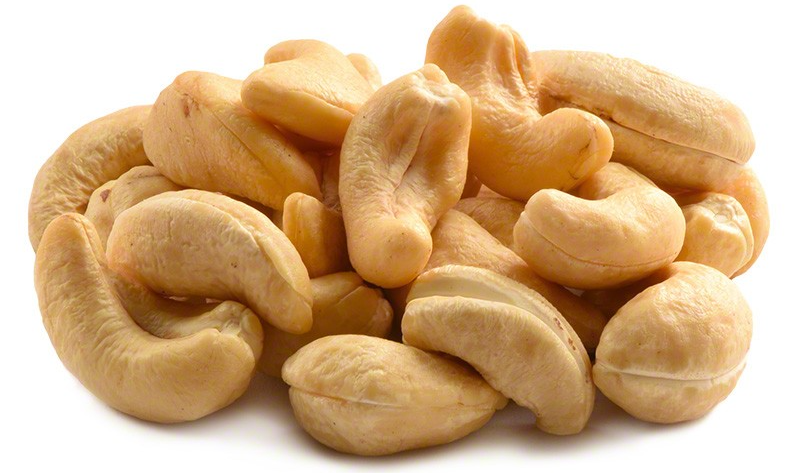
Cashews aren’t “bad” for type 2 diabetics, but they may not be the top choice nut. If eaten, portion control matters (a small handful, ~18 nuts). Many dietitians recommend favoring almonds, walnuts, pistachios, or peanuts for daily use and treating cashews as an occasional variety nut.
Pumpkin & Sunflower Seeds
Why: Very high in magnesium and antioxidants.
Evidence: Magnesium is critical for glucose regulation, and seeds offer a dense, low-carb nutrient package.
🌡️ How Nuts Help Overall
Low Glycemic Index (GI): Most nuts don’t cause big spikes in blood sugar.
Fat & Fiber Content: Slow digestion of carbs eaten with them.
Micronutrients: Magnesium, zinc, and antioxidants support insulin function.
Satiety: Help reduce overeating and stabilize energy.
✅ Best strategy: A mixed handful of nuts/seeds daily — especially almonds, walnuts, pistachios, and pumpkin seeds — gives the broadest blood-sugar benefits.
Resistant starch is a type of carbohydrate that “resists” digestion in the small intestine and instead ferments in the large intestine, acting more like dietary fiber than a typical starch. Unlike rapidly digested starches that quickly convert to glucose and raise blood sugar, resistant starch passes through the upper digestive tract intact. Once in the colon, it becomes food for beneficial gut bacteria, producing short-chain fatty acids like butyrate that support colon health, reduce inflammation, and may lower the risk of certain chronic diseases.
Because it slows digestion and absorption, resistant starch can help improve satiety, stabilize blood sugar, and enhance insulin sensitivity. It is naturally present in foods such as cooked and cooled potatoes, green bananas, legumes, and certain whole grains. Some food preparation methods, like cooking and then cooling pasta or rice, can increase resistant starch content. With its dual role as both a prebiotic and a blood sugar–friendly carbohydrate, resistant starch is gaining attention for its potential benefits in digestive wellness, weight management, and type 2 diabetes care.
🍞 Regular Starch
White bread, mashed potatoes, white rice (freshly cooked): The starch granules in these foods are gelatinized by cooking, so digestive enzymes easily break them into glucose. Blood sugar rises quickly after eating.
Cornflakes & crackers: Highly processed, almost all starch is rapidly available, so they act much like sugar in the body.
🌱 Resistant Starch
Cooked and cooled potatoes or rice: When you cook, then chill them (like in potato salad or sushi rice), some of the starch recrystallizes into a form your small intestine can’t break down. That fraction is resistant starch.
Green bananas: Before ripening, much of their starch is in a resistant form. As they ripen, the starch converts to sugar, losing that resistant quality.
Beans and lentils: Naturally high in resistant starch even after cooking, which is part of why they have a lower glycemic impact than pasta or bread.
🍝 Pasta (retrogradation effect)
When pasta is boiled, the starch granules gelatinize and become easy for enzymes to digest → regular starch.
If you cool the pasta after cooking, some of those starch chains “recrystallize” into a structure that enzymes can’t easily break apart. This process is called retrogradation, and it increases resistant starch.
Even if you reheat cooled pasta, much of that resistant starch stays intact — so you still get some of the lower glycemic benefit.
🥣 Steel-Cut Oats
Raw oats already contain some natural resistant starch.
Cooking breaks much of that down into digestible starch.
But, if you cook the oats, let them cool, and then eat them chilled (or re-warmed), you increase resistant starch through the same retrogradation process. Overnight oats (soaked and then chilled) can also deliver RS.
👉 Key contrast:
Regular starch → digested fast → glucose surge.
Resistant starch → bypasses digestion → ferments in the colon → feeds gut bacteria, moderates blood sugar.
Quinoa, often called a “super grain,” is technically a seed but cooks like a grain.
Originating in the Andes, quinoa is naturally gluten‑free, rich in fiber, and one of the few plant foods that
provides all nine essential amino acids. It comes in several varieties—white, red, and black—each with slightly
different textures and flavors.
White Quinoa
Red Quinoa
Quinoa Salad
Perfect portions: ½ cup cooked
Health Bonus
Quinoa provides complete protein, making it an excellent choice for vegetarians and vegans.
It is high in magnesium, iron, and antioxidants, and has a low glycemic load.
Its combination of fiber and protein promotes satiety and steady energy.
Cooks Tips
Simmer quinoa in broth instead of water for added flavor. Let it rest after cooking to absorb moisture fully.
Use different colors of quinoa together for variety and visual appeal.
Menu Magic
Toss into salads with beans, vegetables, and vinaigrette.
Use instead of rice as a side dish or stir‑fry base.
Make quinoa porridge for breakfast with fruit and nuts.
Form into patties with beans or vegetables for veggie burgers.
















 Bill Gibson, II