I am a retired Web Developer, Blackboard & Canvas Administrator at Fayetteville State University, which is a constituent institution of the University of North Carolina.
I don’t have the year, but I met Mary Ann down in Charleston, SC where she was attending an education conference and then we drove down to visit Yvonne at St. Simons Island, Georgia. Spivey was still alive.
It was extremely hot weather, both in Charleston and on St. Simons Island. The above photo was taken from the porch dining area of the Waterside Restaurant on Shem Creek, which is across the river from Charleston. I think I had a very good “Wilted Spinach Salad” this visit and came home and repeated the salad successfully. I think a little hot oil over the baby spinach leaves does the trick, and it also has a boiled egg chopped up in it.
It may have been my first visit to the Waterside that I had a “Shrimp Po’Boy” sandwich with fries. There were good fried shrimp and slaw on the sandwich, but the addition was a “curry remoulade” sauce. The word “sauce” may be redundant depending upon what “remoulade” actually means. As I recall, at the time, I couldn’t find a good definition of “remoulade” online. Definitions have gotten better since. The curry remoulade made this sandwich and I came home to try and make this curry remoulade. I came to the conclusion that all the ingredients I needed were: curry paste (Pataks), small capers, and mix those up in Duke’s Mayo. The flavor was close enough and I made a small jar and kept it in my fridge for various sandwiches. It was good on ham and chicken sandwiches also.
Mary Ann and Yvonne in Yvonne’s kitchen on St. Simons Island.
.
.
.
.
.
On another visit to Georgia, I travelled to Thomasville which is near the Florida (Panhandle) border to visit Sweet Grass Dairy. At that time they had both goats and cows and made various types of cheeses from both animals. You could also actually visit the dairy where the goats were located and milked.
I don’t recall the dog’s name but I think the cool concrete walkway felt good to his belly.
Jessica’s parents owned the dairy at that time. This is Jeremy & Jessica. Jeremy is married to Jessica. They would take over the cheesemaking and open a restaurant that was located in Thomasville. They later got rid of the goats, and stopped the public visits to the dairy. But for a while they had a store located near the dairy where the public could buy their cheeses and other products. The dairy was several miles outside of town.
I bought a bunch of cheese my first visit, and packed it all up in some coolers I had brought along for the long trip back to North Carolina. On my second visit, I think I bought some Pecan Oil at their newly built store, and gave some away as gifts.
During my first visit to Thomasville, I ate at Liam’s Restaurant, but on another visit Liam’s was closed and I ate lunch next door at Jonah’s Fish & Grits Restaurant. The restaurant was crowded that afternoon. I enjoyed my meal at Jonah’s and I think I had a Lobster Bisque soup.
The food was good, but the special item for me that day was the size of the cutlery. The dinner knife, spoon and fork were all very large, and I liked the feel of these in my hand as I ate. I enjoyed them so much that when I came back home, some weeks later, I drove up to Smithfield, North Carolina to the Lenox Outlet and found an Oneida cutlery set that reminded me of Jonah’s cutlery. I bought them and they have been my main cutlery every day since.
The only negative about this Oneida cutlery is the dinner fork and the salad fork are so close in length that when I put it away from the dishwasher, I have to compare the sizes to figure out which is which.
The Lenox Outlet closed many years ago and there have been few other stores in the outlet that I want to visit. I may visit Carolina Pottery once a year, just to connect with the current holiday. It’s been a while but I also enjoyed shopping at the Pepper Palace.
I just found some old pictures of mine on Flickr and liked the one above. This was my Dodge Ram 1500, and I am, more than likely, parked on one of the overlooks on the Blue Ridge Parkway below Asheville.
I grew up living on the corner of Queens Creek Road and Highway 24 until I was in about 8th Grade, and then my mother and I moved to Hubert to live with her sister, Carrie Kellum. We all called her “Sis.”
The house was covered in white asbestos (cancer causing) shingles that had a ribbed surface. It was a two story farm house with wooden first and second floor porches that ran almost the length of the house in the front. The porches didn’t quite make it to each corner of the house, maybe by 3 or 4 feet on each side. The top porch slanted toward the ground so we rarely walked on it, but there was a door both on the first and second floors, and just inside of each was a small hallway. *I do recall going out on the top porch once and walking to the end where our TV antenna was located. I used the aluminum TV antenna pole to slide down like a fireman.
The front porch steps were not wooden, but I don’t recall, I think they were a rough sandy poured concrete with bricks on both sides, and only two or three risers. There were several tall oak trees at the front corners of the house and along Highway 24. One oak was rotten at it’s core. The front yard was very sandy.
I’m not sure if I really miss it, but I liked the sound of rain on the tin roof, and when the branches of the nearest oak trees swayed you could hear them screeching on the roof.
The Back Porch
I said the only way to get from the front of the house to the kitchen was through the hallway and out the back door, but a more circuitous route would be to walk around the house, on either side. Neither of these ways were prudent, if it was cold, or raining or stormy in any way. In reality you couldn’t get into the kitchen without going outside on the back/kitchen porch. The side of the house nearest Queens Creek Road had the TV antenna, on an aluminum pole, at the front right corner of the house (facing out), and then a brick chimney, and then a large Kerosene oil drum which was sitting off the ground on two large concrete supports. The supports must have been connected in some way, but I don’t recall how, and the oil “drum” was wide and tubular, and depending upon how much oil (kerosene) was in the drum, you could get different sounds by thumping one end of the drum. It seems that both the kerosene oil drum, and the Propane gas tank at the end of the kitchen were both painted with an aluminum colored paint. This color probably reflected light & therefore heat better than other colors.
Above, black & white photo. Note the Wisteria vines growing beside the back porch. I think the term might be “they are and invasive plant.” We had a Wisteria vine growing in the front yard at 204 Johnson Boulevard in Jacksonville, NC for many years. The CP&L guys would come by annually and trim back the vines which were growing up the nearby power pole. But, each year they would grow back. One year CP&L got serious, or it may have been me, and the Wisteria was cut back to ground level and root poison sprayed on the nubs. It didn’t grow back for several years, and then it started growing again and eventually made its way along the power line and into a tree. And after a while it began to kill the tree.
Other invasive plants & trees that had become a part of our culture included Kudzu, and Mimosa trees. I loved how the Mimosa’s flowered during the summer. It was only years later, as a young man I began to read about these flora and that they weren’t originally native to North Carolina.
.
.
The house was only one room deep, except for the bathroom, which was behind the main bedroom, and the kitchen was at the back. When I lived in the house, the only way to get from the front of the house to the kitchen was to walk out the back door onto the wooden back porch and then go into the kitchen. I think there were three doors off the back porch. One door was just outside the back door, to the right. This door was rarely opened, but went into the bathroom. I do remember opening it once, and it being “stuck” and difficult to open because of being closed most of the time. Seems like there were two doors almost side by side into the kitchen, and both basically in the middle of the kitchen. There were steps off the porch, one pair of steps were near the kitchen doors, and one pair of steps were at the end of the house.
I just had an image of some areas of the yard, butted up against the eves of the house. I said there was sandy soil in the front yard, and some right up next to the house, where much grass didn’t grow. This was a larger “river” sand and not beach sand. Beach sand has a fine grain, and appears as a beige color in the sunlight. But this river sand had mixed colors, with some clear, some off white, some gray and some black grains. My reminder was what happened when it rained and the water ran off the roof and fell to the ground just a few inches from the side of the house. You would get small ruts of bare river sand in which water would “pond” for a while during and after a rain.
When I talk about “the back of the house,” I have a conflict in perception of where this was actually located. Many people might view the back of a house as being the opposite side from the front of the house. That’s true, except in our case, we had a building, the smokehouse, which I considered as behind the house. In reality it was beside the house, and in the back. *Note that I said “we,” and as a child growing up in this house, the house wasn’t owned by me, it was my mother’s house.
Her parents, her surviving mother (Lawrence “Papa” Morton had died in 1953.) had agreed that if she stayed and took care of them in their old age, she would inherit the old home place and the farm when they died. This didn’t sit well with her surviving siblings and it was contested. **I think one story goes that there was no will. It’s vague in my mind whether a will was “found” and a neighbor attested to it being valid, but that apparently is how the legal system came in agreement that the house & farm were solely my mother’s. I think Thalia (my mother’s mother) died in 1963. She had suffered from cancer, and I recall seeing the right side of her face (most of her jowl) completely covered by a cancerous scab. For a while her “sick bed” was in a corner of the living room.
Papa standing at back corner of old house. No indoor bathroom yet.
I must have “had a mouth on me” even as a young boy (5 years old or so) and one time Thalia chased me off the back porch with a broom. I was standing out in the yard looking at her and she was demanding that I come back onto the porch. I might have been young, and with a “smart mouth,” but I wasn’t stupid. I didn’t come back on the porch while she was standing there holding a broom. *”Having a mouth on you,” means being sassy or “smart mouthed,” making snide comments about someone or something. Boy, that’s me all my life and even or more so to this day.
Lawrence & Thalia are buried side by side in the Morton Family Cemetery, right next to the Queens Creek Middle School. In fact, school buses dropping off and picking up children, drive between the school and the small cemetery. Four of their children are also buried in this cemetery: “Buddy,” “Lyde Glynnister Jones,” “Robert Preston ‘Bob’ Morton,” and my mom, “Vivian Inez “Mick/ey” Gibson.”
**At the moment I don’t recall what “Buddy’s” real name was. Perhaps “Lawrence” after his dad. At one time, he was a “Merchant Marine,” and I have a picture of him hanging off one of the ships he was working on. The picture was on one of the pages of the old Morton Family Album. Those pages were a beige color and had around the corners of the pages become brittle with age.
Buddy with KathleenBuddy hanging over a gangplank.Buddy on a vessel.
***The brief story of Buddy was that he could be mean, shooting small animals and birds with pleasure and once nicking a power line the bird was sitting on. He did work as a sailor on merchant ships during WWII. He was sickly. He had tuberculosis, which he succumbed to on the back porch, apparently coughing up some of his lungs and blood and dying. Mom had to get towels to try and clean up that mess off the back porch. A neighbor, who had a station wagon, put Buddy’s lifeless body in the back of her vehicle and drove him up to Jacksonville, NC for an autopsy. On the way, the neighbor stopped by Sis’s house in Hubert on Highway 24, to let Carrie see his body. Whether it is true or not, a story said that his feet were hanging out of the back of the station wagon.
So walking around the house from the front, and nearest QCR (Queens Creek Road), you would turn the back corner of the living room with the kerosene drum just to your right. Sometimes the old Army gray Chevy would be parked at an angle, facing the kitchen porch steps. I don’t recall backing (I wasn’t driving.) the car out, so it must have been driven completely around the house to complete a circuit. The back yard wasn’t used as much as the side nearest Queens Creek Road, and there was more grass on the back side. The old “smoke house” was on the opposite side of the house, and a short distance away, toward Hwy. 24 was the old wooden garage. The garage had large wooden, doors that weren’t even and were slightly “flimsy” as they were opened or closed on their hinges. The outside of the garage might have been covered with the same sandy colored and grained asphalt shingles. I don’t think it was just unpainted wood. *At the back end of the garage, nearest a triangular shaped garden area was a double seater concrete toilet. But, by the time I came along this was no longer covered, or used (thank God). It just sat butted up against the back of the garage unused and too big and heavy to move, and covered by grass and weeds. There may have even been some briar berries (Blackberries) that grew around the grass covered concrete, and maybe a few spiders and even a snake or two.
The garden area was large. At the front, it ran along Hwy. 24. If you stood at the back corner of the garage nearest the highway, you could walk a straight line back behind the garage, and then the smokehouse, and finally another 5 yards to the ditch. Just behind the smokehouse, the drainage ditch angled back toward Hwy. 24 getting narrower as you approached the highway and coming to a point. There may have been a drain pipe at that end of the garden that went under Hwy. 24. I believe it was the Heath’s who lived in the house at the end of the garden and along Hwy. 24. It may have been Mrs. Heath that allowed us to get some cuttings of her Gardenia bush. The root system was so gnarled that you couldn’t get a good root, but using a shovel we (my mom and me) cut several
I do recall the ditch was not as deep along the garden as it was directly behind our kitchen. Behind the kitchen you could probably stand in the ditch and your head might not be seen above the ditch bank. *As I describe the house and surrounding areas I am recalling words and phrases that I have not thought about in many years. “Ditch bank” was one of those descriptive terms, as is “smoke house” and “oil drum.”
I don’t want to fail to mention “acorns” or describe them, their color and textures, the smooth dark brown bulb coming to a point, and the lighter beige color nearest the “cap” end. The cap of an acorn looks like a little hat, and it can be popped off. I’ve not “played” with acorns for many years, but in beginning to describe them here, I have such a vivid appreciation for how wonderfully made they are.
Acorns would have been one of my “play toys” as a boy. They would fall from the oak trees and lay upon the ground on the sandy soil and amongst the large roots of trees. You could hear them crunch as you drove or walked over them, if you had shoes on. But if you were barefoot, as I often was during the summer, stepping on an acorn would be mildly painful and they were to be avoided if barefoot.
Weeds I Have Known
There was also a weed (Buckhorn Plantain) that had a long green stem and at the top end had a long brushy seed pod (seedhead) that was green but would turn brownish as it dried out. I’ve never thought of that end as being “a seed pod,” but that was probably what it was. I had a game I would play with these little weed stalks. I would break several of them off from their roots. I then would take one stalk in each hand and slap the stalks together violently, like two swords being thrust against one another in battle.
What would happen? Well, either the green stalk would break, or the seed pod would be snapped off the end. The goal was to have a winner. One see pod would snap off, and that would be that opponent losing “his head.” The winner would go up against a new opponent and might actually have an advantage over the next, untried opponent. A simple, stupid child’s game created with the tools at my disposal. But, it was a very human game that had two opponents, in a fight, fighting against multiple opponents and eventually their only being one winner. How do you get from weeds in the yard to ACC or NFL championships, or boxing matches? *I played with these weeds sixty years ago, but never knew until today what they were called. I don’t even think I had a name for them when I played with them.
This was “White Clover” which grew in places in the yard. When it flowered as shown in the summer, you would need to watch out for honey bees who quietly darted from one flower to another. You didn’t want to step on a bee with your bare foot.
.
.
I don’t even need to know what this weed is called or if it is exactly what I recall, but there was a weed like this and you could grab it at the bottom of the stalk and strip the green leaves off of the stalk. There was no reason to do this, but it left you with a “green smell” on your hand. I think I did this when I was pulling up these weeds. You would hope to get the root with the stalk so that it wouldn’t grow back.
This might be typical of “yardgrass” in eastern North Carolina during the late summer when it began to die.
Plants I Have Loved
We called these “Black Eyed Susans.”
Some Morning Glories were growing along the fence line (Queens Creek Road) near the “Pack House,” with little beads of dew glistening in the morning sun. In the pack house attic, with the barn door open, the tiny particles of tobacco & dust were floating in the air, highlighted by the morning sun.
Gardenias. I’ve always loved the smell of Gardenias. We had a gardenia bush growing on one side of the front porch steps. Years later we would get cuttings of Mrs. Heath’s Gardenia bush. The Gardenia bush roots are so gnarly and intertwined that it was almost impossible to pull them up by the roots. We used a shovel to cut some branches off near the base of the bush and then planted them in mud (either in a pot or maybe a glass).
Actual gardenia in bloom at 204 Johnson Blvd. – Jax.
Surprisingly, to me, the Gardenia cuttings began to grow roots, and eventually we replanted one of these in the yard at 204 Johnson Blvd. in Jacksonville, NC. This gardenia bush grew well for many years, and even after the house was demolished, the gardenia continued to grow and flower in early June (I think it is early June, but only for a few weeks.). *Years later, I found that the Gardenia flower was pleasantly edible. It didn’t have any bitter flavor, and in the short season that it blooms it would work well in perhaps a fruit salad or dessert. On the fly, maybe you could add the white Gardenia petals to blueberries, and maybe even strawberries, and put it on top of shortcake, making a “red, white, and blue” dessert.
204 Johnson Blvd. in Jacksonville, NC as it was being demolished. Ray Sharpe & his wife, Jacquelin, owned the house at the time.
.
.
Yellow Daffodils in Spring. I love the smell of daffodils.
I’ve described the smoke house elsewhere, but it was shaped like an old “out house” (toilet building) taller than it was wide, but perfectly square around it’s base. It had one door skewed to the left side of the front of the smoke house and on the left, outside wall was a large black iron cauldron. Never used, for a “hog killing” as long as I could remember, but probably had been used well in years past. I’m thinking that it might have been used in some of the last years before Lawrence “Papa” Morton died. He died in 1953, a year before I was born. The outside of the smokehouse was covered with the sandy colored and textured asphalt shingles. But inside, was wood.
The smoke house was probably built of white pine wood, but because of all the meat that had been cured over the years, the wood had taken on a dark molasses color and the inside of the smokehouse had a smokey aroma. And the floor was made of a layer of salt covering a dirt floor. The salt probably came from the smoked hams.
To the right of the back steps was a 100 gallon Propane gas tank and next to it was the water “pump” house. Between the tank and the water pump was a little cubby hole about two feet wide. I got into trouble for hiding in this cubby hole to light paper airplanes I had made. I think my mother basically said, “You’re going to blow us all up.” It really didn’t dawn on me that I was lighting a flame right next to a Propane gas tank.
This reminds me of something else that I failed to understand for many years. When I was finished taking a shower (we only had the one bathroom) I would step out and leave the shower curtain folded. My mother would tell me to spread the curtain out. I just never would, I guess out of habit, until one day she said, “Spread the curtain out so it doesn’t mold and mildew.” When she added that little addendum, that explained why I should spread the shower curtain out, I never left the curtain folded again.
Bob & His Family Lived Here, Just Down Queens Creek Road, after it was moved.
The layout of the bathroom: The shower/tub ran next to the kitchen wall from the back porch. Next to the shower was a wooden closet for towels, toilet paper, etc. On the inside of the unpainted wooden closet door I once drew the name of “Zoro” in red fingernail polish. Mom said I got in trouble for misspelling the hero’s name, “Zoro” instead of “Zorro.” Yeah right;-) Next to the closet was the commode. There was not direct access from the bathroom to the kitchen, but this was changed sometime after Uncle Bob and his family moved into the house. The house was moved a short distance down Queens Creek Road from the corner when Highway 24 was widened. I think that was the early 1970s. I don’t recall where the commode went, but they moved the toilet and made a entry way between the kitchen and the bathroom. The bathroom had a third door that connected it to the master bedroom.
As you walked in the front door, the wooden stairway was just off to the right, and the hallway went straight back to the back door which led out onto the back porch. About midway down the hallway was a door to the left which went into the living room. If you walked to the back door and turned right that door led into the master bedroom. Just to the right of that door was the closet door. The closet was beneath the stairway.
I once left a pair of red rubber boots in a plastic bag in this closet. The problem was that I had left some wet dough in a boot, and with the heat and humidity, maggots had multiplied during the summer, and the smell was awful when I finally found them. I think we just threw those boots out. The dough? I think I had been trying to make the kind of dough that is used for “Paper Machete” but it hadn’t worked.
The living room didn’t seem small when I was living there, but many years later, probably after Bob had died and only Flossie, his widow, was living there, I visited her. I rarely visited her. But, I recall how small the living room seemed then. She had also had someone, probably her son Evy (not Bob’s son, but from her first marriage) close off the upstairs porch with plywood. This also made the hallway seem much more claustrophobic.
Flossie collected dolls, and she had a bunch of dolls in a glass & wood cabinet.
Not ours, but like it.
When I lived there, you entered the living room from the hallway. Directly ahead of you, but across the room was the fireplace, but there was no fireplace. I think the fireplace had been enclosed and only the flue ran to the chimney. On each side of the heater was a window which faced toward Queens Creek Road, and there was a service station on the opposite side of Queens Creek Road.
This was before convenience stores, but there were a couple of gas pumps, and a cinder block building that had been painted white, with large glass windows on one corner and in the front facing Hwy. 24. There may have been a garage, but I don’t really recall if it was or not.
They did sell bread, crackers and candy and soft drinks.
Not my actual racket.
I do remember getting a tennis racket and because there were no tennis courts anywhere nearby, I walked across the street and tried to hit the tennis balls against the cinderblock wall of the gas station. The side of the building was paved, but the pavement was rough, and it didn’t take me long before I had lost all three tennis balls on the top of the building. I had no way to go up and get them, so that ended my tennis career until many years later. I took up tennis again when I transferred from UNC-Chapel Hill to Campbell College (it was still a college then, in 1975).
I had a wooden Poncho Gonzales tennis racket that I rarely used when I got serious about playing tennis, and this may have been the racket I used against the store wall. Once serious, my rackets would be either metal or ceramic or composite. A “Red” Head and … I painted the wood racket a bright blue, which made it heavier. I also once strung this racket with fishing line. Fishing line is not made to be strung as tightly as tennis strings, but I strung the racket by hand. The line was tight, but the very first time I swung the racket and hit the tennis ball, the ball broke the strings and went right through the head.
I recall one night, probably a Friday night, when there was a football game (maybe basketball) and there was a lot of automobile traffic on Hwy. 24, I was standing on the back porch facing away from 24. I heard the sound of car tires screeching and turned just in time to see someone who had just been hit by the car go flying through the air toward the telephone booth. *I had forgotten about the phone booth.
There was a Siegler kerosene stove next to that wall, but there was just enough space behind this stove for a kid to lay down. *I mention this because Merle Dennis and I were playing “hide and seek” once, That was a special event because there were no kids that lived within walking distance of my house. Well, none that were my age. But, I hid behind this heater, and at some point Merle, who wore glasses, came into the living room. And then he walked to the side of the heater and looked behind it. He was looking directly at me, but I wasn’t moving. I don’t know if he didn’t have his glasses that day, or if he needed a new prescription, but after a few moments, he turned around and walked out of the living room He had looked right at me but couldn’t see me.
It may have been this same visit by Merle when we were going to race my bicycle around the Swansboro High School, which was diagonally across Hwy. 24 from my house. Merle was going to ride first and then I would be next. The high school road was paved but still had a rough gravelly texture. Merle took off peddling as fast as he could and hardly made it ten yards before he fell off the bike and severely cut his leg. He was bleeding and crying.
We collected comic books and I visited Merle, at his grandmother’s house in Swansboro several times to play with Merle and read comics. This would be after school during the week. The one thing I do remember is that his grandmother made us American cheese sandwiches which were delicious.
Me in the living room by our TV.
The Siegler kerosene oil heater shown above is not the actual one that we had, but there are several things about this one that reminds me of the one we had. The shape of the front door handle looks very familiar, and the protective floor heat pad, beneath the heater is something we had.
To the left of the Siegler heater along the front wall there was a single window that looked out onto the front porch. To the right of the window, and in the corner of the room was our console black & white television, shown here. If you zoom in on this picture note the paisley print floor covering. I think it was “asphalt” flooring, which came in large rolls of a thin sheet. The upper surface had a pattern, or color, and the underside was black or dark.
Like it, but not it.
And also along the front wall was our Sears Silvertone console stereo record player and radio. There was a chair in the corner, to the right of the Siegler heater. Seems like there was another chair, with a high back, in front of the back living room window.
The room directly above the living room was “the other” bedroom. There were two beds in the upstairs bedroom. I think both of those beds were metal, and had metal chain link springs. I do recall a white chamber pot that was under one of the beds. Fortunately we didn’t have to use a chamber pot. Mom probably had, but we had indoor plumbing and a bathroom by the time I came along.
The upstairs had two rooms separated by the stairwell & a narrow hallway. One was used for a bedroom, but the other was a “junk room.” There was no furniture in this other upstairs room, but there was a large “steamer” trunk that had some interesting things in it. I played in this room and remember having a small cast metal howitzer toy that had a working spring trigger and you were supposed to shoot out small wooden projectiles. They may have been painted red, but I also used a straight pin and would force it into the green plastic soldiers I had. I was pretending they had been shot with an arrow.
Not mine, but like it. The drum turned as you pushed the toy.
I think I also played with my Tonka Cement Mixer up there also. This room had a back window which looked out onto the bathroom roof and the kitchen roof, which was higher.
About ten yards off the back porch there was a deep ditch that ran up to and underneath Queens Creek Road through a large tile pipe and then angling up almost to a point back at Highway 24. Nearest Queens Creek Road along the ditch bank was a pink Crepe Myrtle tree. Next to it was a thorny tree, and about 10 yard further there was a pomegranate tree. Next to the pomegranate tree was a narrow wooden plank which ran across the ditch.
At times there was only a trickle of water in the ditch, but at other times, after a rain the ditch would flood. In the summer, the ditch became overgrown with water plants, but there was also a clay bank near the pipe that ran under the road. This clay was a light gray color and it made excellent cannon balls. There was also a few crayfish that took up residence on this clay bank and built a tall muddy entrance to their home.
This is the corner of Queens Creek Road and Highway 24 as it is today (well, whenever the picture was taken by Google Maps. Years ago there were maybe six tall oak trees to the side and front of the house. They were taller than the Burger King sign shown below.
DON’T FORGET!
The Kitchen
There were two doors into the kitchen, almost side by side, accessible from the back porch. I don’t know why you would put two doors so close together, but it may be that at one time the kitchen and the dining area were separated by a wall, but there was no wall by the time I came along. The kitchen, with stove, sink and refrigerator, and I think a kitchen table were at the back of the house and there was a window directly behind the kitchen sink.
The was a separate dining table and a free standing wooden dish cabinet with a large glass door which was against the wall nearest the bathroom. As I said before, there was no direct passage between the kitchen & bathroom.
I recall working on school work at the dining room table. One time I had to write a several page report, or it might have been required to be at least a thousand words. I was totally lacking any ideas for what I could write about. I, or mom, finally found an article in the Readers’ Digest about the sinking of the Admiral “Graf Spee,” a German battleship off the coast of South America. It took everything I could muster to lengthen my story to the required length and I recall that the teacher, probably English, knew where I had gotten my idea from.
When I was a little older we were learning “New Math,” and using a base number other than 10. Years later I would realize that the Hexadecimal System was one form of this, and I understood that you would count in Hexadecimal from 0,1,2,3,4,5,6,7,8,9,A,B,C,D,E, to F. This meant you only had to use one digit to represent 16 numbers. But in elementary, or maybe middle school, I did not understand this concept and I failed the first test and the second test. This was something I just didn’t do, and I came home, got under the kitchen table and cried. I don’t remember which classmate came to my house while I was crying, but he caught me crying. It might have been Michael Gurba. It was probably middle school because he was able to come across Hwy. 24 from school, and elementary would have been several miles down in Swansboro. I think what I didn’t understand was when the teacher was using Base 5.
At the same table, I remember drawing a picture of a person. I don’t recall exactly what, but it may have been of a Boy Scout in uniform. I was using the light from a window that faced the smokehouse. I did sign up for a drawing course, or evaluations, from a company. I think it was called “Famous Artists Schools,” and they sent a booklet with various drawing tasks to perform. Once completed, you would send what you had produced back to the company and they would direct you to study according to your talents. I’ve doodled most of my life, even while taking notes in school and college, but I’m no artist.
When I was older mom bought me a wooden guitar and I took guitar lessons in Jacksonville on Saturday mornings. The lessons didn’t last long. I really had no musical talent, and I wasn’t dedicated to practice and then one morning my teacher wasn’t actually a guitar teacher, and my mom knew this from talking to her. No need to spend time & money on something that I had no talent for.
I think one of the songs I practiced for the guitar was “Paint It Black” by the Rolling Stones. “I see a red door and I want it painted black. No colors any more. I want them to turn black. I see the girls walk by dressed in their summer clothes. I want them to turn black, until the darkness goes.” Maybe not the lyrics perfectly, but close.
I kept the guitar, and finally in college, at Campbell (1975) there was a musically talented student who took my guitar and started to play something. I could tell this guy was a good guitarist, but my guitar was cheap and sounded awful. Not his fault, obviously. This might have been the same guy who performed a magic trick for several of us. He asked for a quarter to perform the trick and after the trick was over, he kept my quarter. Slick Dick.
One Christmas mom bought me a small figure eight slot car track, an Aurora “Stirling Moss” setup. I set this up on the dining room table but I hadn’t played with the cars for very long before one flew off the track, and off the table and down onto the floor. When the toy hit the floor a piece of it, a “communtator brush” popped out of the bottom of the car.
This piece was a very small flat metal disk, a little bigger than a BB. Without this piece power couldn’t get to the slot car motor and therefore it wouldn’t run.
Commutator brushes compared to the size of a U.S. Dime.
I’m not sure which Christmas I received the “Global Stamp Album.” When I got my album it was a single volume, and was probably about six inches thick. Each page was double sided and had full sized black & white images of the various stamps, categorized by country (not just the U.S.). Later I think the company printed more volumes and had more stamps per country. When you got an actual stamp, you would stick it with an adhesive hinge, on top of the black & white version on a page. The hinge would allow you to lift the stamp up to look on the back, although there was rarely anything on the gummy side of a stamp.
I ordered small bags of used stamps and would go through them looking for stamps that I might not have already. These stamps were not pristine and often not in very good condition, but you could always get them and then later get a better version, for possibly more money. Austria and Angola had pretty colored stamps. I recall going to a stamp dealer in Norfolk, Virginia. I’ve said this elsewhere, but downtown Norfolk is similar to downtown Chicago in that both are notoriously cold. *I might have gotten this album after mom and I had moved to Hubert to live with Aunt Sis (Carrie Kellum).
Years later, when I went off to Seminary in Louisville, Kentucky, I left this album in my attic at 204 Johnson Blvd. in Jacksonville, N.C. Wrong choice! When I got back someone had taken the album and I never saw it again. It may not have had many stamps of value, but it had quite a few stamps.
Iron rust in the kitchen sink
Below is not a kitchen sink, but the iron rust stains are exactly what we had to endure.
GE Refrigerator
The interior of this GE Refrigerator is hauntingly familiar, but it was a long time ago.
Old glass doored china cabinet
Description of the master bedroom
Little beige Westclox clock Baby Ben with flourscent hands. I don’t have the original clock, but a copy.
I was just looking at the picture of me, as a young boy, standing by our television set in our living room. These curtains were made of a fine, see through, mesh but each window had a “pull down” curtain. The pull down curtains were on a spring loaded roller, and at the base of the curtain there was a long, flat wooden dowel (Do dowels have to be round?). This wooden dowel provided extra sturdiness, but they could easily be broken in two. They were something to grab onto, to pull the curtain down. There was a spring mechanism on one end of the roller that tensioned a spring as the curtain was pulled down, but it then locked into place, leaving the curtain down. But with a quick jerk downward, at the bottom of the curtain, the spring mechanism would release and the curtain would rewind into it’s roll at the top of the window.
The roll at the top of the window was made of a wooden dowel that had metal end caps on each end. The metal caps had a protrusion that fit into a hanger attached to the wall with a nail or screw. The curtain itself was made of plastic. At least I think it was plastic. It was thin, but not transparent, and white in color.
The window frame and sill were usually painted white, a gloss white often. The old wooden framed windows fit loosely in the frame. Sometimes the paint would cause the window to stick in it’s frame, and you might have to use a knife or screwdriver to “break the seal” of paint. You could then raise the window, and lower it. I said the windows fit loosely in the frame and sometimes cold air would seep into the house around the bottom or sides of the windows. So in preparation for the cold winter months, you might get large sheets of transparent plastic and cover the outside or inside of a window. I don’t think we had duct tape then, but maybe used staples to fasten the plastic sheeting over the window. You could also put a rolled up towel along the base of the window to stop cold air from seeping in.
We lived close enough to the Marine Corps Base (Camp Lejeune) and when they were shooting their Howitzers for practice the sonic boom would shake the window panes. Just something that you would get used to. What is it? Near Seymour Johnson Air Force Base in Goldsboro, NC there is a sign near the front gate that says something to the effect, “Our noise, is the price of freedom.” Well, I guess the howitzer practice was a small price of freedom also.
Another short ditty I just thought of. One night my mother and I were standing on the back porch and we looked up into the sky and saw two lights, probably over the ocean, but the house was about a mile or so from the beach. Well these two lights flew through the air, and eventually came together in a point. I recall that it reminded me of a simple drawing of a fish. The started out at two corners of a fishes tail, then came close to each other and then arced away from each other forming the larger body of the fish and finally coming together at the mouth. Fish have noses, but they don’t usually stick out further than their mouths. Neither mom nor I knew what these lights were. Many years later, I read something about target practice with missiles and figured that the Marines had been practicing shooting other flying objects. Or not.
These stories are definitely not in chronological order, but her goes another one. I had gotten a bow and arrow, not sure if it was a Christmas present or not, but one sunny day I was out in the yard playing with this toy. The arrows had simple metal tips, not like the flanged hunting tips that are meant to kill, but not something that you want to be pierced with either.
I walked over the wooden plank that traversed the ditch and was in the field/pasture (we no longer had the mule by this time) where the Pack House was located. So, there is really nothing nearby to shoot at, the pasture is plowed but stubbly stalks are sticking up from the ground. All of a sudden I get the idea to shoot an arrow straight up into the air, as hard as I can. I pull back on the string and let go and the arrow quickly disappears into the sky. There was very little wind that day. I waited a second or two and then an awareness came over me. Whatever goes up must come down, and I don’t want that arrow to come down on top of my head. I couldn’t see it so, I took off running as fast as I could. Now if you think about it, it was as probable that I might run exactly where it was going to come down, so standing exactly where I had let it go might have been as prudent as running. The arrow came down about 15 feet from where I had been standing, and I had ran even further away in a different direction, but the arrow did stick in the ground. I didn’t make that mistake a second time.
I’m not sure where I got a moped, and this was one of the early vehicles made with a tubular metal frame, a lawnmower type engine and fat tires. Maybe it was someone else’s bike and they had loaned it to me. I didn’t have the sense to mechanically work on bikes so it wasn’t like I was going to tear an engine apart, trying to soup it up, and getting severely greasy in the process. No in this case I got it from “I don’t know who or where,” and I was just riding it. I happened to be across Queens Creek Road from the old house, but on our farm and was riding down a sandy unpaved path. You’ve probably seen those types of paths. The grass is worn where automobile tires roll, but the median (middle) has grass growing in it. Well I got to the end of the path where I needed to turn the moped around and it was taking a greater turning radius than I had imagined. The problem was beside this path was a deep drainage ditch. This ditch was part of the same drain system as the ditch that ran behind our kitchen, but it was deeper in order to drain the corn/tobacco/soybean fields on our farm. As I turned, the fat tire came extremely close to going into the ditch. I would have been severely hurt if it had. But, having come so close and realizing how lousy I was at controlling this bike I decided to stop riding it. It wasn’t worth the fun to get dead.
*Mom leased the farm out to a man I called “the Fat Farmer.” His actual name was Frank Howell, and he did have a large belly. He rode around in a big, extended cab truck with his window rolled down. He leased several farms to make it profitable and he would go from farm to farm, usually staying in his truck but talking to his “farm hands.” The lease was based upon the tobacco allotment for our farm, and he would pay us $3,000 at the end of each year. He paid nothing else for any other crops he might grow, but through the years I know there had been corn, soybeans and the “money maker” tobacco grown in our fields. We had two tobacco barns on the farm side of QCR and the pack house on the opposite side, the same side as the old house. One of the tobacco barns burned down and wasn’t rebuilt. The one that burned is shown in the picture way above in this article, with me on the back porch, with my bicycle. If you look closely you see the mule, who is on the other side of the ditch from the kitchen and in the same pasture as the pack house. But beyond the mule you see a tobacco barn, which is diagonally across Queens Creek Road.
In that same picture, you can see the little “lumberjack” cabin that Lyde had lived in, or might still have been living in at the time. Yes, because she died in 1962 and this photo taken by Mary Ann is 1960. I call it a lumberjack cabin because that is what it was used for. Forestry guys that lived out in the woods and needed a place to stay close to their work had little cabins like this. Big enough for a single bed, a few belongings, and in her case a hot plate or heating water. Lyde, like Buddy, and even Sis all had tuberculosis at one time or another so she had to live apart from he rest of the family. I don’t know what they were thinking because she was in close contact with all of us at some time or other.
I’ve shown positive for TB ever since I was a boy and had been exposed to it from these other family members. If they gave me that TB “prick” test, the area infected would always be about the size of a quarter, and they would ask me, and I would tell them my story of a family in which several members all had TB at one time or another. Buddy having died from it’s effects.
Seems like you can get it under control, if you are healthy, but when your health starts to fail, TB can return and become a terminal health threat. Wouldn’t that be a hoot?
Not often but at least once a year my mom and I might walk the far farm road at the back of the fields. This road was unpaved and went from the fields into the piney woods, heading over to Hammocks Beach Road. This road is where the new Swansboro High School is located. There were two things of note over in this area. Along the road, and sometimes in the median, you could find a Sassafrass plant growing. They had a thick woody root that you could take and boil to make Sassafrass tea. I recall it had a good flavor, if you put a little sugar and cream in it, and had a slightly pinkish hue.
The other item of note that was located in the woods, at the edge of where our farm met someone else’s field, was a “tarkle bed.” At least that is what mom called it, and that was because her parents had called it a tarkel bed. It was many years after my mom had died (in 1980) that one day it came to me what a tarkle bed actually was. You see is was a large mound of earth that formed a giant bowl, and mom said it had been used to cook down pine trees to make tar. Does this seem to become familiar? After all, we are the Tar Heel State. During the days of “wooden ships,” they used tar or pitch to seal the cracks between the wooden planks that formed the ship’s hull. It was a profitable business. So, it came to me that a tarkle bed was actually a “tar kiln.” I just googled for both “tarkle bed” and “tar kiln” and the tar kiln definition is spot on to what I’ve described above, with the mound of earth, etc.
I haven’t checked with anyone, but I am guessing that when they built the new Swansboro High School, they destroyed this mound of earth, when instead they should have cordoned it off and made a monument to it’s former use and State status.
Submerged bow of the Thelma.
Recall that when they were dredging the Cape Fear River down beneath the bridges at Elizabethtown, they dug up the remains of the Thelma, the last paddlewheel steamer on the Cape Fear River. But several years before she was completely gone, I did stand on a part of her deck when the river was low. *I thought the photos had been removed, but no, they are still there.
I am a little over 200 pages into the memoir, and there are only about 70 pages left. I just read where Dick Van Dyke’s father had just been diagnosed with emphysemia, and the doctor had told him, “You’re an old man, and your going to die.” Apparently the doctor had told him this as bluntly as I just wrote the prognosis and this had left Dick’s father and mother crying together in the hospital when Dick arrived. Dick said he ran around the hospital screaming and wanting to beat the crap out of this doctor. I closed the book, returned it to my little basket by my toilet and got up to wash my hands.
As I’m washing my hands, I feeling more sorry for the insensitive doctor than I am for either Dick Van Dyke, or his parents. I’m thinking, “That’s why doctors try not to be so blunt with their patients. I don’t actually know that they don’t.
If I were a doctor and I knew the patient was terminally ill, and old, would I tell him “your old and gonna die? No. I would say, “Mr. Van Dyke (the elder) we’re not sure about your situation, and we are going to need to run more tests.” That would be more preferable than having Dick Van “fucking” Dyke running around the hospital where I worked, screaming and wanting to beat the crap out of me. And I would tell the patient, we need to run more tests even if as I watched Mr. & Mrs. Van Dyke, and their famous son Dick, walk out the front door of the hospital, I still didn’t turn to the nearest nurse and say, “There goes an old man who’s gonna die.”
When I typed that doctors don’t want to be confrontive with their patients, I almost immediately recalled that the last few days that my mother was in the hospital at Chapel Hill, and after having gone through two more weeks of testing and been diagnosed with leukemia, her doctor came into the room and sat by her bed. I think I was sitting on her bed near her as he bluntly told us, “you only have two weeks to live,” and shortly thereafter got up and walked out of the door. *Mom had spent two weeks at Onslow Memorial Hospital in Jacksonville undergoing tests before going up to Chapel Hill. That was after her doctor in Jacksonville, had squeezed her arm one day and the next day she had a hand shaped bruise on her arm. That doctor had put her in the hospital immediately to run tests.
After the doctor left the room, my mother and I turned to each other and quizzically asked one another, “Did he just say you only have two weeks to live.” It’s surprising that in a situation like that when the doctor is sharing so many other things, that little part about, “two weeks and you’re gonna die,” just sort of slips by.
My mom had a transfusion of blood and I drove her back home (maybe a 3 hours drive back then) to Jacksonville, North Carolina. And the transfusion of blood worked miracles. For a few days mom was her old self. She had energy and we actually went out for a drive. She felt like eating.
But a couple of days later, while sitting on the sofa in our living room, the tiredness had returned, and we looked at each other and we knew… She might not die in two weeks, but she was going to die. She did die, but with the transfusions, she lasted four months. And the four months gave all of us time for closure. Whatever in the hell “closure” means.
Closure? Flossie, was the wife of Robert “Bob” Preston Morton who was mom’s brother. Flossie & Bob were living in the old home place, a little two story white farm house, located on Queens Creek Road directly opposite the new Swansboro High School. Flossie came up to Jacksonville to visit with my mom and during the visit mom had said something about wanting some clam chowder. What did Flossie do? She drove back down to Swansboro, got some clams and made some clam chowder and then brought it right back up for mom to eat.
Now we, some of the family, thought Flossie was “a little crazy” because at various times through the years she had done some slightly “off the wall” things. But for me all of that was erased in this one act of kindness she showed toward my mom.
My mom’s last stay at Onslow Memorial Hospital in Jacksonville, North Carolina was in December of 1980. One thing I recall is looking out the window from her hospital room. They had put her up front near the nursing station. I guess they do this for all terminally ill patients, so the nurses can keep a closer watch. But I think it was still early morning and dark and I looked across the street toward where the new Jacksonville Mall was being built. In fact, the mall at that time was only the concrete floor and the steel girders and a light hanging from the rafters. I don’t really recall if there were rafters, or if there was more than one light. There would almost have to be more than one light. But I noted the light hanging down and there just being the poured concrete. There were no workers this early.
Mom would die, and the Mall would be completed and I would have a good slice of pizza and a drink at “Tony’s” just inside the front Mall entrance years later. I think it was “Tony’s” or are all Italian pizza joints not called “Tony’s?”
I think the Sears store in the Mall has been closed for several years. But years ago, I did buy a used lawn mower from them. The mower was more powerful than I usually bought and to my surprise the extra power meant I could finish mowing my yard at 204 Johnson Boulevard more quickly. I think I finished about 30 minutes quicker than with the less powerful mower. *I had kept my mower in the unoccupied house at 204 Johnson Blvd. even though I was living and working in Fayetteville, NC. One day when I had gone down to Jacksonville to mow the lawn, the lawnmower had been stolen.
I had stayed the night in her hospital room at Onslow Memorial (December 16, 1980) and had slept uncomfortably in a high backed chair in the corner of the room. Early in the morning, while it was still dark outside, a nurse came into the room and took my mom’s vital signs. My mom still sleeping. While the nurse was by the bed, another nurse came in and the first nurse shared my mom’s stats, one stat being that her blood pressure was, and I don’t recall now what the actual numbers were that the nurse spoke, but they were incredibly low numbers. Something over 14. They weren’t the kind of numbers for a healthy human being. And the other nurse responded understanding that those numbers weren’t good. Then they left.
Later, as the light of day had begun to creep into the room by the one window that faced out toward Western Boulevard and the front of the hospital, I got up from my chair and walked over to the bed beside my mother. I then reached over and touched her. Up to that point, she had been breathing laboriously (labored breathing), with long pauses between each new gulp of fresh air. Her eyes had been rolled back in her head, the whites showing through half opened eyelids. As I touched her hand, it seemed she had awoke, for her pupils came back to the front and she looked “through” me, not at me. There was no recognition of our relationship, no smile or warmth in the love she had showered on me for so many years. I was twenty-six at the time of her death. Her eyes looked through me for a brief moment and then they rolled back into her head, becoming only whites again, and she went back to her labored breathing.
I went to the other side of her bed and sat in a chair facing her, with my back to the only window. I didn’t touch her, and her gulps for air lengthened, until finally one last gulp and then no more, except for the gurgling of air as it escaped her body. They call these “the death gurgles,” which is just the natural flow of air out of a body, which is not being forced out by a working diaphragm. Almost like the sound of running water flowing over rocks in a mountain stream.
I didn’t touch her because I was wrestling with the idea of being “unclean” for a time after touching a dead body. I knew what had happened and I sat there briefly, but intentionally. I knew I didn’t want to immediately run out to the nurses. And I knew that the doctor had already put a “no code” on her. “No code” means that there shouldn’t be any attempt to revive a patient when they die. I knew she was dead, and I knew the pain she had been going through, especially toward her end, and I didn’t want them to bring her back to face more pain. And that doesn’t mean I loved her any less.
After a short while I stood up from my chair and walked out of the room to the nurses’ station. There was one nurse, standing behind the counter, and I think she didn’t even have a light on her work. She looked up and I said to her, “Could you take a look at my mother.” She said, “Okay,” and walked around the counter and went into my mom’s room. What you’ve got to know is that even as I was speaking the words, “Can you take a look at my mother,” there was a voice in my head telling me, “Funny how you said that. You know she’s dead.”
Only a few moments later the nurse came out of the room with a worried look on her face. She looked at me and ushered me around the corner up to where the elevators were located. She knew my mother was dead, but she probably had to have the doctor verify this, and it wouldn’t be her responsibility to tell me, “she’s dead.”
I actually don’t recall talking with the doctor (Dr. Adnan Taj-Eldin, MD) regarding my mom being dead. Not too long afterward, Mary Ann arrived and we began the discussion of “the rest of the process.” Who contacts the funeral home? Who tells everyone when the funeral will be? Where will she be buried? Flowers? Who will perform the funeral and burial?
I do recall the day mom was buried was very cold. We had the memorial service at Jones Funeral Home in Jacksonville and then afterwards, the funeral motorcade proceeded down Johnson Boulevard on toward Hwy. 24 and to the Morton Family Cemetery on the Morton Farm near Swansboro. *Queens Creek Middle School is located where the family cemetery is. The cemetery came first, then the school.
One of the things I recall was a black Jacksonville City police officer. I think there were two assigned to directing traffic. Two so they can leap frog each other from traffic light to traffic light. Each time the hearse and me in the following car passed the black officer he would come to attention, taking his hat off and bringing it to his chest in a sign of respect. I don’t think I’ve ever seen that before or since that day, but I knew it was that little extra something special that he did to show respect for someone he didn’t know. More than just a job, or duty, but a small sign of humanity and understanding.
You know, “son of a bitch,” I just realized that the anniversary of my mom’s death passed about four days ago and I didn’t even think about it. Teary-eyed as I sit here writing this, and I didn’t even think of her. But, I do. It’s important that I remember her, when I am ready. It’s not important that I go to the cemetery on that day, but that I remember her wherever I am when those special feelings and thoughts are most meaningful.
I just had a vision of a photo that I took one time when we were down at the cemetery and she had been mowing the grass there. She was squatting down and the mower was at her side, and the morning sun was still low and bright. It wasn’t a great picture.
So she died on December 16, 1980 and the funeral would have probably been three days later (maybe four). It was very cold at the graveside, and the sky was that kind of overcast wintery day. But then again it might not have been that overcast.
How does someone go on, but not just go on, but thrive? Where does the next meal come from? Well, I know a bunch of meals have come from the trailer/home of Jim and Mary Ann Sharpe. I am family and I’ve always been treated as such, and my feet if not welcomed under their table, at least welcomed to stand somewhere and eat from their table. And boy, Mary Ann has cooked many, many delicious dishes.
Mary Ann can cook up a mess of collard greens, with some seasoning meat, and maybe slice up some fresh tomatoes to go with it. Or, have a pot of black eyed peas and chop up some sweet onion to go with them. Soup. Or how about those mashed potatoes that she fixed one Thanksgiving? Those were special because she kept standing there at the stove, adding a little more cream, and then a little more butter, and stirring and beating a little more. And the final result were possibly the best mashed potatoes I’ve ever had.
But, I will say the best fried chicken I’ve ever eaten was a few years ago at the Seaboard Station Restaurant in Hamlet, North Carolina. And they consistently have good fried chicken, and really tasty fried pork chops, cut thin. How do they get those steamed cabbage tasting so yummy without seasoning meat? Is that a little sugar?
I was watching a YouTube video and someone was cooking in a pan that had the same (or similar) interior. The Hex Clad pans are similar, but the top rim doesn’t have the repeating flame pattern that this pan has. As I looked at the closeup of the pan I said to myself that I wanted to get one of those.
[NOTE 01/06/25]: I want you to see the bottom of this pan. It is beautiful. I was standing with it, and thought it would look beautiful hung from the wall with the bottom showing. I think it is a well made pan, but it is also beautiful. [end NOTE]
I like the lid for the Dot Clad wok shown below, with the handle instead of a knob. I also like the woks that have a handle on the pan, since these are larger, heavier pans.
.
I actually now think that VinChef is a knock-off of the Hex Clad process. I would have to go back on Amazon to see what I paid for this, but I think it was around $54. That’s cheap. No, $67 and others, below are more than $10 less.
I just used this pan for the first time to broil some steaks in the oven. It is oven safe.
I’m going to have to go back and review the cleaning process after each use, but nothing stuck from the steaks and I used paper towels to wipe off the grease. I think oil or cooking grease actually accumulates in the little hex patterns which repeat on the interior of the pan, and this helps with it’s non-stickiness.
[01/01/25]: I just made some hummus and added some Toasted Sesame Oil, Turmeric & Cumin, and when I have a tin of Smoked Oysters opened, I will add that oil to the hummus also. Different, good.
[07/30/25]: A day or so ago I saw a video from America’s Test Kitchen on how to make the “perfect” hummus. Their trick was to boil the garbanzo beans in water with baking soda added to it. What this does is remove the outer covering of the bean, which you wash or skim off. The remaining beans are now more tender and when blended form a silky smooth hummus. *The skins on my beans did not come off whole, almost like a snake shedding it’s skin, but torn and not as easy to skim off, but the end result was a smooth product. Now I like to add both ground cumin and whole cumin seeds.
Turmeric Salad
Sweet Bell Pepper
Tomato
Sweet Onion
Vinegar (Red Wine)
Turmeric
Cumin
Mustard (powder & seed)
S&P
I would think you might also throw in some Cilantro leaves for color.
I just made some of the Turmeric Salad. I used a Campari tomato, some sweet onion & sweet red bell pepper. I put in red wine vinegar, and a bunch of powdered turmeric and less cumin. I don’t think I’ve added mustard before, but seems like it would work. I’ll give it a day to marinate and see. I’m not sure what this would go with. It’s sort of like the Dolce “K” Olive Mix which I love the flavor of, but I just don’t have anything to pair it with.
I bought some Dolce “K” Olive Mix at Whole Foods in Raleigh yesterday, and when I got it home and tried it, I didn’t like the store bought as well as I did the version I made. Although I will say that I have made some of the marinade twice and since I don’t know how much of each ingredient to put in, the first batch seemed to be “spot on,” and the second batch was different, but not bad.
I’ve found that I can use the California Green Olives that I also get at Whole Foods. I see they are about $3 a can now. I’m wondering if I could use another type of olive, say a black or Kalamata olive. Once they marinate for a day, the green olives take on the flavor of the marinade.
Just ordered this citrus zester/peeler to see if it will make getting the orange rind for the Dolce “K” Olive Mix easier. As shown in an advertising video, you can get a long strip of the rind, without the pith. *A grater has worked pretty well to remove the pith, but it’s time consuming.
I’m currently reading the Dick Van Dyke biography, “My Lucky Life In and Out of Show Business: A Memoir.”
I am enjoying it and am a little over a third of the way through at about 100+ pages. I’ve put the book in the little basket next to my toilet. That almost assures that I will read through it at a fairly fast pace since I read a few pages each time I go to the bathroom, and with my prostate, that is quite often during a day and night;-)
I’ve read several biographies/memoirs this past year since I started by reading the Matthew Perry memoir, “Friends, Lovers and the Big Terrible Thing.” Recall that I had come across this memoir in one of the “Little Lending Libraries” and took it to pollinate another lending library location.
Not sure why I came up with the idea to go from one “LLLs” to another, taking one or two books from one location and then leaving each of them at other locations. Sort of playing “a Book Bee.” And, I’ve picked up and taken quite a few books to different locations both in Fayetteville and to other cities, towns and even a different state. I think it was Bennettsville, South Carolina where I stopped by several “LLLs” both taking and leaving various books, some children’s and some adult books.
So, I came across the Matthew Perry book about the 25th of October, 2023. I saw his face through the glass, which filled the cover of his book, and thought that someone, not me, would like to read about one of the recognizable “Friends.”
Less than a week later, I was at home on my laptop and happened upon one of those memorial web sites that lists, both names & photos of, the famous people who have died during the current year. The end of October is usually a little early to be looking for one of these sites. I might see a program on TV at the end of December and then will go to one or more of these websites to get a more complete list of the deaths. I started to scroll down the list and the third photo down the page was the picture of Matthew Perry, the same one that appears on the cover of his memoir. I said to myself, “I didn’t know that he was dead,” and then I went elsewhere to find out when he had died. To my surprise, he had died a few days after I had gotten his memoir, on October 28, 2023. I then said to myself, “That’s hinkey. I guess I’ll have to read his book.” And a few days later I started reading it.
I think it was about the third page into the Matthew Perry book that he stated, “I should be dead by now.” I’m pretty sure he didn’t actually think that his death would be as soon, but he was being honest about how his life long drug addiction (“The Big Terrible Thing“) had created several drastic events from which he could have easily died. He even had to wear a colostomy bag, which collects human waste, for a while due to his addiction.
Perry’s mom and dad had divorced when he was still a child. His father was an actor and his mother, for a while, was the Press Secretary for Prime Minister Pierre Trudeau of Canada. Later she would marry Keith Morrison, a very recognizable Canadian broadcast journalist, who Matthew Perry said treated him respectfully.
Perry never got control and although others may have provided him with the drugs that actually killed him, he obviously went looking for those drugs and was not innocent in his own death. I would classify his death as more of “an assisted suicide.” He made a lot of money from his part in the “Friends” franchise, and he spent a bunch of money on drugs. e.g. He once traveled by private jet from Europe to America and when he found that American doctors would not supply his drug needs, immediately returned by private jet to Europe.
I finished the Perry book and then I came across a memoir about John F. Kennedy, Jr. written by Robert T. Littell, his long time friend, called “The Men We Became, My Friendship with John F. Kennedy, Jr.” This was the first memoir that I absolutely enjoyed. There were both places and people mentioned in the memoir that I knew, or knew of. Kennedy, Jr. was married on one of the Georgia islands below St. Simons Island. An island only accessible via boat and not by bridge and auto. And, Christiane Amanpour, a journalist and television host for CNN, was a college roommate (several students, both men & women sharing a house) of JFK, Jr. for a couple of years.
It was probably while reading this memoir that I started googling for images of people, places and things mentioned in the book. This extra information deepened the reading experience and my understanding of the man.
I’ve attended several of the book sales sponsored by “Friends of the Cumberland County Library,” in the last couple of years. It was almost an afterthought at one of these sales that I walked along an isle that had various biographies.
Nothing much interested me until I saw the smiling face of Tim Russert on a book. I bought it.
Tim Russert was the moderator for “Meet the Press,” a long time, maybe “the longest running show,” on the air. A weekly political news show, that aired each Sunday morning, and provided interviews with various famous & not so famous politicians of the day. Russert was always well prepared and fair in his in-depth interviews. And he was a life long fan of the Buffalo Bills, and a faithful Catholic.
This memoir was more of a lauding of the life of Tim Russert by family, friends, fellow employees and acquaintences that Russert had worked with, loved and befriended throughout his years. He died on June 13, 2008 at the age of 58 years.
The next memoir I came across at an LLL in North Raleigh, well probably the outskirts of North Raleigh. I had stopped at the “Savory Spice Shop” located in the “Lafayette Village” which is a European-styled village in North Raleigh. It offers gourmet restaurants and upscale shopping. I decided to take an unfamiliar route and then detoured through an older upscale residential area. I’m not sure if I could find it again, but on that day I was driving through this neighborhood and had turned around to head back out the way I had entered. I noted an “LLL” off from one of the homes so I stopped and walked over to it. It was here that I found the memoir by Michelle Obama called “Becoming.” Another large smiling face prominently displayed on the cover of the book.
I really enjoyed reading this memoir! And more than the other biographies/memoirs that I had just read, I started googling for illustrations of people, places, things and events that had occurred in the life of Michelle & Barak Obama.
I recall that she likes smoked oysters. I must have known, but didn’t recall that she was a Harvard educated lawyer. And I listened to several speeches by her husband Barak Obama from which I came to respect him even more. He was the difference between night and day between an educated President of the United States, and a Presidential businessman. And Obama was “the day.”
I neither felt sorry for her nor envious of her good fortune because much of it was based upon her hard work, and being fortunate to have a loving and supportive family. And that she had a loving and supportive husband, and that she was a loving and supportive wife and mother. I like her.
And now I’ve come to be reading the memoir of Dick Van Dyke and am enjoying that also. Not quite as much as Michelle Obama’s, but Dick Van Dyke seems to be an honorable man. I seem to recall that he might have had a problem with alcohol, but I haven’t gotten to that part in his book yet.
I now realize that I had forgotten one other bio that I read, and now do not recall in which order I read it. I know it was after the Matthew Perry memoir (the first I read) and that’s about it. The biography I had forgotten was by Capt. Chesley “Sully” Sullenberger, “Highest Duty, My Search for What Really Matters.“
He knew he wanted to fly from an early age.
His meticulous preparation, throughout his entire life led him to be the “right person at the right time” for landing a commercial jet filled with passengers safely on a river and not a runway.
The jet he landed on the river is now in a museum in Charlotte, North Carolina which is named after him, “The Sullenberger Aviation Museum.” I was planning a brief trip to Asheville in August and one of my thoughts had been to stop by this museum on the way to Asheville, but it happened to be closed on Mondays, and I went through Charlotte on Monday, August 19th. I only stayed a night in Asheville and then returned home on Tuesday, August 20th (2024). My last stop in Asheville before leaving, was to the New Morning Gallery in the Biltmore Village District. This is one of the areas that would be devastated by the 100 Years Flooding caused when Hurricane Helene passed through about five weeks later on September 24th – 27th. And I see that this gallery is still closed as of December 17th, 2024.
Perhaps I am not worthy of making the following comment, but my impression from reading his bio is that he hasn’t found “What Really Matters,” at least not yet. He has a wife and two daughters.
Now back to my current read, the Dick Van Dyke memoir, and why I named the title of this blog posting, “Peter Ganine Gothic Sculpted Chess Set.” I watched the Dick Van Dyke Show when I was a boy. I even recall a haunting episode in which (I think it was a dream sequence on the show.) there is a living room closet full of walnuts, and when the door was opened all the walnuts fell out onto the living room floor. I think there were aliens involved and missing thumbs. And I hope to re-watch this episode either later today or in the next couple of days. But that is the advantage I have of reading this memoir, and all the references to memorable people, places & events. I can google for more info, and I can even re-watch the episodes that Dick Van Dyke mentions in his book. I can google for photos of Maureen Stapleton and Jean Stapleton. I’ve watch the pilot episode of the show, and the two part episodes which included Jerry Van Dyke, Dick’s actual brother. *Jerry died a few years ago, but Dick is still alive as of a few days ago, an old man, but still with a sense of humor and a clear mind. I just heard him tell someone on a video that he was 12 years old in his mind, but 99 years old in real life. I even can re-watch some of his movies, “Mary Poppins,” or “Chitty Chitty Bang Bang,” or “Fritzwilli” (which I enjoyed watchin some years ago which includes Barbara Feldon (from “Get Smart” fame). *Chitty Chitty Bang Bang” was an Ian Fleming (of James Bond fame) children’s novel.
I just saw an online item that Dick Van Dyke was rescued by neighbors and good Samaritans from the recent Franklin Fire in Malibu where his current home is located. They also rescued his cat, Bobo. And Van Dyke celebrated his 99th Birthday on Friday, December 13th.
.
.
But, in re-watching several episodes of “The Dick Van Dyke Show,” my eyes immediately were drawn to a chess set displayed on a table in the set’s living room.
My favorite chess set was styled exactly like the one displayed in the show, and it is a “Peter Ganine Gothic Sculpted Chess Set.” I’m not sure if this set was first sold in 1957, but my set would have probably been sold & bought by me in the late 1960’s. I no longer have this set and I have played with quite a few other styles of sets through the years. Now I mostly play online, almost daily between myself and “the computer.” I win some I lose more.
The Ganine set was my favorite long ago, and I still favor it some, but in the last couple of years I have begun to favor a more minimalist style, both in metal, plastic and wood. About a year ago I even made a set and painted it from simple square blocks of wood. I glued some of them together, and pasted googly eyes on some and even used colored thumbtacks to represent the shields of the pawn warriors. The rooks include little colored flag thumbtacks as if a flag was flying from the castle turret (Turm).
Tubular Minimalist Chess SetIsle of Lewis Chess Set
The “tubular minimalist” chess set to the left above is my current favorite, but I also like the “Isle of Lewis” chess set on the right. I’m not sure if I had a dream, or if I actually saw an example of a pregnant queen (chess set piece), but I have since thought that a pregnant queen is the ultimate ruler. Who could be more vicious that a pregnant queen seeking to not only protect her king, but her child and the kingdom? I even cut some PVC piping to make a minimalist tubular chess set and thought of adding a large marble as symbolic of a pregnant queen’s stomach.
I’m in the process of having read six biographies during the past twelve months, but I’ve also read 30 of the Michael Connelly detective novels in about the same amount of time. I’ve read all of the Harry Bosch novels and several of the John McAvoy (journalist/detective) novels.
I watched the six seasons of “BOSCH,” and since, three seasons of “Bosch Legacy,” and during that time I liked the Harry Bosch character played by actor, Titus Welliver. But, I found as I read more of the Connelly novels that I came to hate Harry Bosch as he was writtern. Beyond hate, I despised him. Why?
It started during the second published Bosch novel, “Black Ice.” I did not read these novels in the order they were published. Some I did, but there was some jumping around. In the second novel Harry becomes involved in a case in which another L.A. detective has apparently committed suicide. Blown most of his head off in a cheap L.A. motel.
The Interim Medical Examiner examines the remains of the dead detective and from a frontal portion of the skull realizes that the dead detective was hit in the head from behind, shortly before his head was blown off.
Harry and the Interim Medical Examiner are “friends with benefits,” and while together Harry is pumping her also for information about the autopsy she has recently performed. She resists telling Harry what she has found (that it was murder and not suicide), and tells him he can’t tell anyone her findings because it would jeopardize her becoming the permanent Medical Examiner, which is the position she wants. Harry assures her that he won’t share the information she give him and eventually she agrees and tells Harry her findings. A little later she asks Harry if she can shower and he agrees. No sooner has she walked into the bathroom and started to shower, than Harry picks up his phone and calls a journalist acquaintance and gives the journalist a “heads up” that he journalist should check more closely into whether the detective’s death was suicide or murder. Harry then gets dressed and heads off to Mexico on the trail of a murderer.
This betrayal of trust by Harry toward the Medical Examiner was the start of my disrespect and hatred toward the character of detective Harry Bosch. She hadn’t even gotten the Bosch stink off of her in the shower before he had betrayed his word to her.
The next Bosch novel, or perhaps the second to next novel I read was published about eight years after “Black Ice,” and was called “City of Bones.” It’s in this novel that Harry once again contacts the Medical Examiner (now permanent) because he needs her to verify whether a bone that was found on a hill, was a human bone. He contacts the examiner on a Saturday late and she has a scheduled date, so she tells Harry to come over, but… and when Harry knocks at her front door, she take the bone, shuts the door and leaves Harry outside. Shortly she returns and verifies to Harry that it is a human bone and it also belonged to a child.
Now Connelly steps in to make commentary about how shamefully she treated Harry. But, in my mind, and because of having just read about Harry’s earlier betrayal, I’m thinking that if Harry had betrayed my trust, I wouldn’t be helping him out by having him come over to my house at all. I would have told him, Harry you need to wait until Monday and get in line first thing. After all the child that the bone belonged to had been dead several years, not just recently murdered.
I’m sitting in my easy chair in my living room at 2:41-2-3 am starting to write this blog entry. I am awake at this time, most mornings. I reach over to a glass beer mug that has a hot citrus drink and take a sip. I really do like the flavor of “Bill’s Drink Mix,” hot or cold. I created this drink combination about a year and a half ago, and almost every day since, I’ve drank about one carafe, cold with ice. But I’ve also heated some up in the microwave, and found it delicious each time.
Neither the picture of the beer mug nor the glass carafe are my actual items, but they are quite accurate as to how each looks. I’ve had the glass beer mugs (6 of them) since Russ & Deborah Savage donated them to “The Hem of His Garment,” over 30 years ago. When I saw them, I priced them and then bought them and took them home. I had them before I moved to Fayetteville, North Carolina from Jacksonville, North Carolina in 1995. The beer mug is “microwave safe.” It better be as many times as I’ve used one of these to heat water for tea, or re-heat coffee. I bought three of the glass carafes (each with a tight fitting plastic cap) probably ten years ago at a specialty shop near Crabtree Valley Mall in Raleigh. *I may be lying to you about where I bought them, but I do recall buying some glass containers at that store.
[02/18/25]
Well, I guess there comes a time for all.
Note the packet shown below. Each packet is a single serving and they come in a box of 10 each, at WalMart. One of their GV – Great Value products. I normally just slice off one end of the packet with a knife and then pour the contents (a powder) into a carafe of water, and also adding the other juices.
“Bill’s Drink Mix” consists of four items: a little orange juice, a little cranberry juice, one packet of “Iced Tea” mix from WalMart, and one packet of “Pomegranate-Lemonade” mix from WalMart. And, I must have all four of these items included to make “Bill’s Drink Mix.” Any one of them left out, and I wouldn’t be a long-time fan. *I have however replaced the flavored tea packet with actual brewed tea, and the tea can be plain tea, or a more exotic flavored tea. Of course this substitution occurred as a result of me running out of the flavored tea packets. And it’s never certain that I will find both of the flavor packets when I go looking for them on the WalMart isles. **I still long for the “Lime” flavored packet to return to the shelf. The unadulterated version, not the “Lime&XXX” version, like “Watermelon Lime.” The lime flavor was excellent. It wasn’t a favorite at home, but often after lunch, I would enjoy a limeade made with one of these lime packets. I don’t know why.
And, before “Bill’s Drink Mix,” I had two flavors that I alternated back and forth between: “Fruit Punch,” and “Dragon Fruit,” but neither had that citrus punch that I came to appreciate in my mix.
As I started to re-read the above article I came upon the idea of several items that I have used for over 30 years, and still continue to use to this day (and hopefully several more days). The three items that first come to mind are the classic beer mugs that I bought at a thrift store in Jacksonville, NC perhaps a few years before I moved, in 1995, to Fayetteville to live & work. So that’s at least 30 years ago. As I said above, I have one of these beside me as I write, filled with “Bill’s Drink Mix” and served hot this morning.
The next item is the “Revere Ware” frying pan made in 1978. The company stamped the manufacture date on the bottom of each pan or pot that was made. Paul Revere, long dead, delegated the task of making this pan for me.
When I think of how much use this pan has had over the years, and I just roasted some Brussels Sprouts, walnuts & cranberries in it last night, it brings out the New Englander’s frugal nature in me. And I was born in North Carolina. Grew up in North Carolina. And, have only been to New England once that I recall. But I did enjoy my visit with my friend, Gary Golden, very much. It was winter, and snow was all around. I will say that the one shortcoming is the handle. Not that is has not weathered well since 1978, but that it’s not oven proof, so I can’t bake or broil something in the oven with this pan.
*I’ve been on Etsy and seen Revere Ware pots and pans on sale, and some going back to the 1940s. I might think about buying one of these as a present for a young man who is going off to college (and is allowed to cook),
Below is me fixing my Zucchini/Shrimp/Kielbasa dish. Several years ago I made this from scratch early one morning and liked it so much that I’ve repeated it a myriad of times. Six ingredients: beef Polska Kielbasa, shrimp, zucchini, onion, pasta shells & a small amount of tomato (I didn’t want a strong tomato sauce for this dish.). I usually only use a couple of Campari tomatoes, quartered and they disappear into the sauce, except for leaving a light hint of red. I add S&P and garlic powder, but I also add red pepper flakes and maybe even a little cayenne powder. It is a spicy dish, but each item is supposed to be a little island of flavor, with no one thing overpowering the others.
Before leaving the Revere Ware, I would like to mention that I also have a couple of 3 Qt. pots, a 2 Qt. pot & a 1 Qt. pot that I use quite often.
I noted that the pots did not have a manufacture date on their bottoms, and in reading online the logo was changed in 1968 and manufacture dates were no longer stamped on the utensils. Eventually the company was sold to Corning, and the headquarters moved to Indonesia.
I bought a “steamer” insert years ago, that is not Revere Ware, but was made to fit the pot perfectly. This insert has gotten a great deal of use throughout the years. I love steamed asparagus, broccoli, cabbage, carrots, and cauliflower. Anything that I need to steam goes into the insert which has worked faithfully for many years.
Several years ago, I bought a “cheap” set of Guy Fieri pots & pans at Belk’s and they each had glass lids. What was nice was that these glass lids also fit my Revere Ware pots (but not the skillet) perfectly. I like being able to put a lid on a pot and be able to look through the glass at what is cooking. However, most times I will leave the lid off. I said “cheap” set, but they look to be quality, and have lasted, and are oven safe so I use these when I am broiling a steak, pork chop, or lamb chop in the oven.
Since I’ve been a batchelor all my life, I have had the opportunity to use and reuse many items that if I had a wife, she would have had me “throw out those old things” long ago. I would have had new dishes instead of the “Gibson” restaurant blue stripe plates that I bought as a set at a store in Jacksonville, NC. They were factory “seconds” so some of the striping wasn’t up to par, and a plate might have a slight warp, but none of that has stopped me from using them almost daily since. The picture shows one of my actual plates, with a favorite meal that just happened to be a vegetarian delight: corn on the cob, fried okra, a tomatillo & onion chutney and sliced tomatoes.
I bought the dish set and then was surprised when I turned one of the dishes over at home and saw “Gibson” imprinted on its bottom. I had to do a double take, because of how the “G” and “i” run together, but no, it said “Gibson.” I went online and found that there was a Gibson Company that made dishes. So as a bonus I ended up with a set of monogramed dishes at no extra cost.
Tomatillos remind me of green tomatoes, but they have a different flesh than tomatoes. *”Chutney…” I’ve eaten at the “Blue Willow Inn,” in Social Circle, Georgia, several times since my sister Donna first introduced me to the place many years ago. In fact, and maybe it was my first visit, Donna treated me, my dad Bill (her & my dad), and his wife, Sara (Donna’s mother, but not mine.) to the crowded Sunday buffet. We sat together at a table on one of the side porches and enjoyed the meal and time together on a sunny Sunday afternoon in Georgia.
*I see from their web site that the restaurant must have been closed for a while but is about to reopen. I did think the buffet was a little pricey for what you had to choose from, especially since you could get most of those same items at other “country” restaurants and at a much lower price. And, the ambiance had changed greatly for me when the wooded area behind the restaurant was cut down and a small “strip mall” was built there. I don’t care how old and beautiful the home is if you plop it in the middle of a business district.
One time I was walking along the inner circle of the Blue Willow Inn buffet (it has a U shape so you can have customers walking on both sides of the food) and I took a couple of fried green tomatoes from the bar. I then noticed that they had “tomato chutney” in a small dish beside the fried tomatoes, so I put some of this on the tomatoes. The tomato chutney was sweet and I found it “decadent” that you could have two different flavor profiles that compliment each other from the same fruit. The sweet ripe red tomato complimenting the savory fried green tart tomato.
The following story was added the next day from most of this blog posting, as I recalled another one of my visits to the Blue Willow Inn. I had finished eating and was trying to leave Social Circle and get back on I20 and I was heading back in an easterly direction, but I don’t know why. It was late in the day, and if I had been driving all the way back to Fayetteville, I wouldn’t have eaten at the Blue Willow Inn.
I didn’t see street signage pointing to I20, but I drove down a road quite a ways. I knew I was heading in a westerly direction, and I didn’t want to go back toward Atlanta. Eventually, I decided to turn around thinking I had gotten on the wrong road. I believe I even made it back to Madison, Georgia before heading back to where I thought I20 was located. Unfortunately, the road that I chose took me across I20, but there were no ramps either on or off I20 on this road. But, I continued on and tried to head in an easterly direction. Those roads wound in giant undulating swaths through country, but never was there a road heading back to I20 and an on ramp. I must not have had a smartphone, or at least a smartphone with an Internet connection because I had no map to reference. And eventually I began to wonder if I would run out of gas somewhere in this Georgia countryside. If you look at a map, I must have headed to Eatonton from Madison and only in Eatonton and Lake Oconee was I able to get back to I20. But what a circuitous and angst filled route.
And once I got home and the Internet, I went back on Google Street View and found that before I turned around in Social Circle, I had been just two miles short of getting back to I20.
And the third item that I have probably had the longest is my “John Wayne” P38 – Military Issue field can opener. *I was never in the military, but I grew up (Swansboro, Hubert, Jacksonville, Camp Lejeune) around Marines. I’m thinking that a Marine may have rented one of my aunt’s (“Sis” – Carrie Kellum) mobile homes (trailers) and having eventually moved out, left his John Wayne in a kitchen drawer, where in came directly or indirectly into my possession. However, I do recall that someone told me that the Marines called this tool a “John Wayne” and after all these years I finally googled for the reason “why.” **Seems that John Wayne did the “voiceover” on a military training video for the P-38 can opener. ***I do know why they called the rough brown toilet paper John Wayne. The joke goes it is called “John Wayne” because it’s rough, and tough, and it doesn’t take crap off of anybody.
What’s Mine is Mine… Sometimes.
As I re-read above about what an imaginary wife might have made me do. “Throw out those old things,” regarding the Gibson dishes I had, or the old Revere Ware that has continued faithfully to perform, I was reminded about something that happened to me a year so so before I moved to Fayetteville (1995).
I worked at Coastal Carolina Community College for a couple of years before I moved to Fayetteville. During my time at Coastal, I taught a few introductory computer courses (they were on the quarter system, not semester) and I worked in their computer department doing repairs, maintenance and software installs & upgrades on PCs. I was also working to complete an “Associates” degree dealing with PCs. *My age has stopped me from remembering the exact title of the degree, but if I scrounge around in my old papers, I think I may still have the degree that I earned. It was in a sturdy little folding, thick cardboard holder.
I had come across an old Marine Corps hooded poncho probably at “The Hem of His Garment.” That was the ministry that included a thrift store that helped supply donated items for people in need, and the profit from the sale of the donated items also went to support those in need.
The old poncho was made of a heavy rubber, a dark avocado military green, but despite a few holes it did it’s job well. It may not have looked good, but it did keep the rain off my head and body when it rained. So, I would take the poncho to work and leave it on a shelf just inside our office door. There was a young, attractive girl (woman) who I think was volunteering in our department, and she several times mentioned how awful the poncho looked. And I would “laugh it off” because it didn’t belong to her, and what she thought at least about the poncho didn’t matter. Well, at least it didn’t matter until one day I realized that the poncho on the shelf, was no longer on the shelf.
She had been cleaning up the place (office) and had taken it upon herself to throw my old poncho away. She didn’t ask me if she could throw MY poncho away, she had just done it. And, when I confronted her about it, it was obvious that what I thought about her actions mattered just as little to her, as what I thought about her demeaning my old poncho had meant to me. Nada.
I have given away a bunch of stuff through the years, and I’ve even given up stuff intentionally when I perceived that someone else wanted it more than I did, but this act made me angry then, and when I rarely recall it, still makes me quite angry to this day. What’s mine is mine, sometimes, but don’t take or throw away something that is mine until you check with me first. And if I don’t want you to take it or throw it away, you better not take it or throw it away.

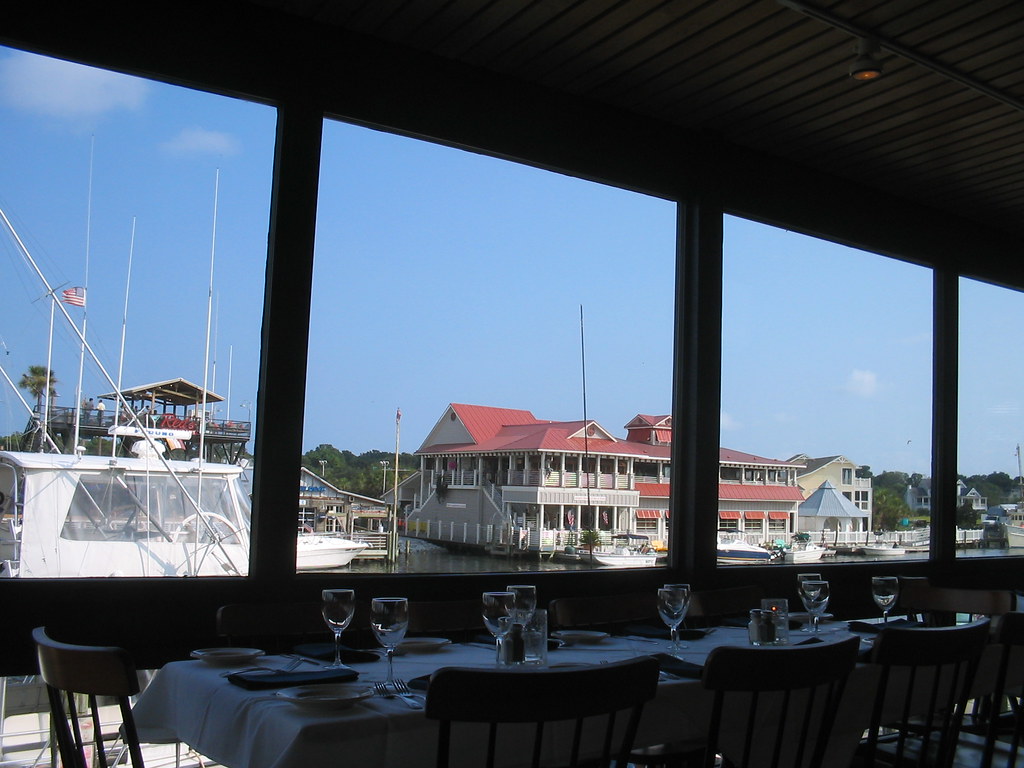
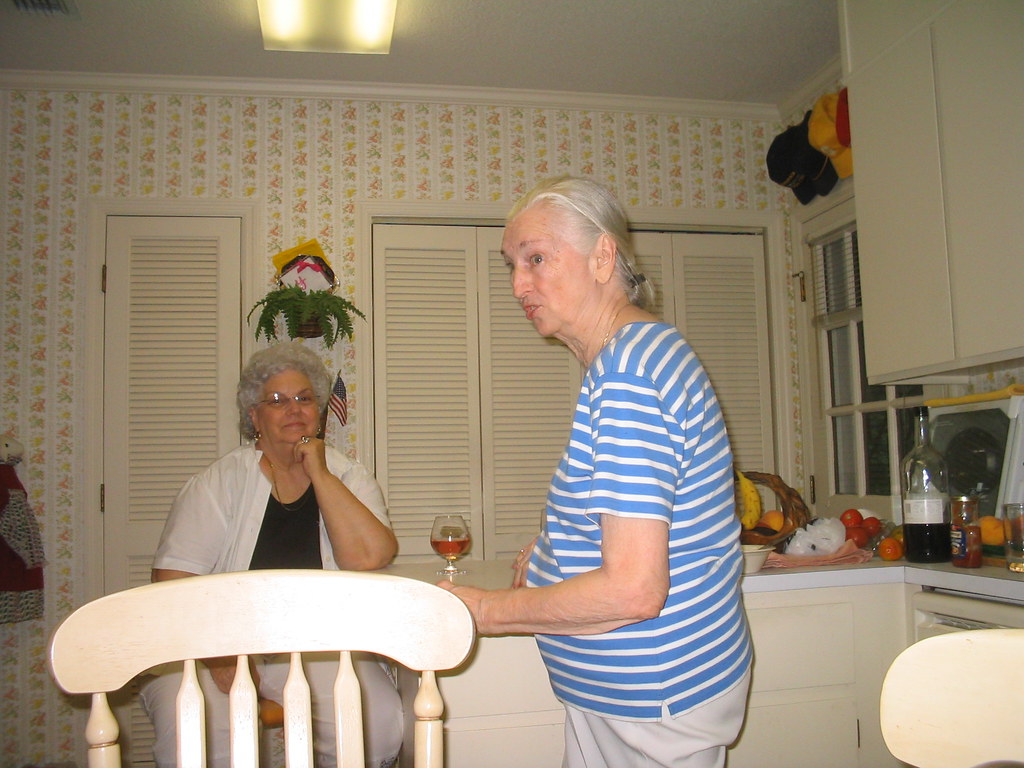
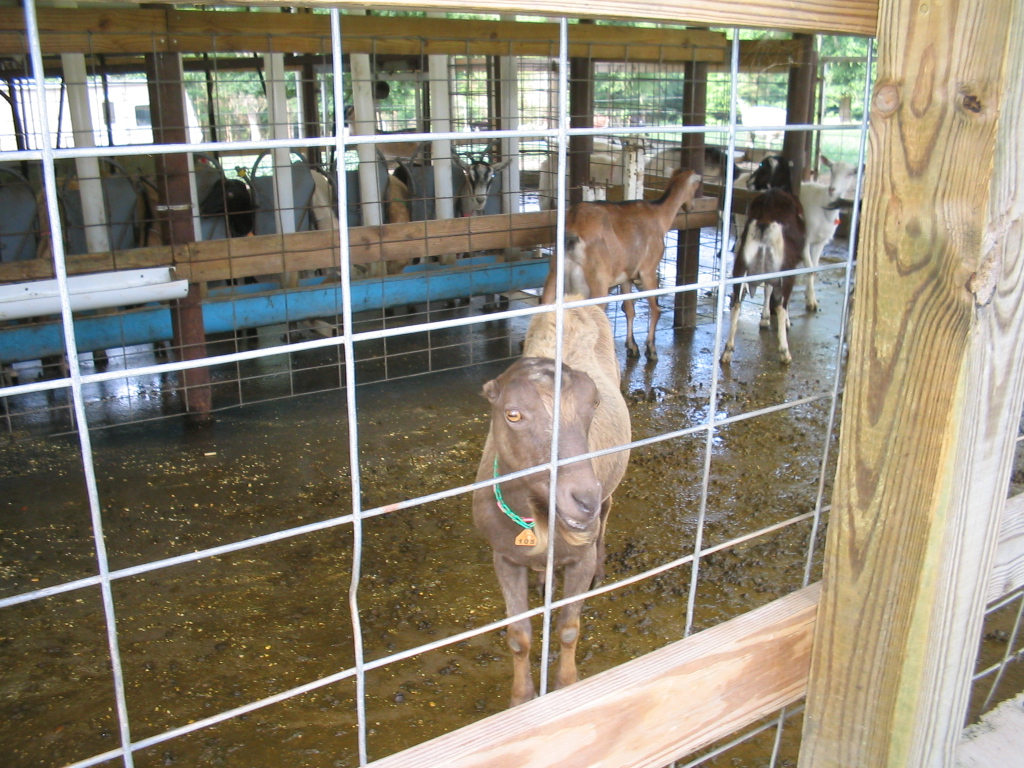
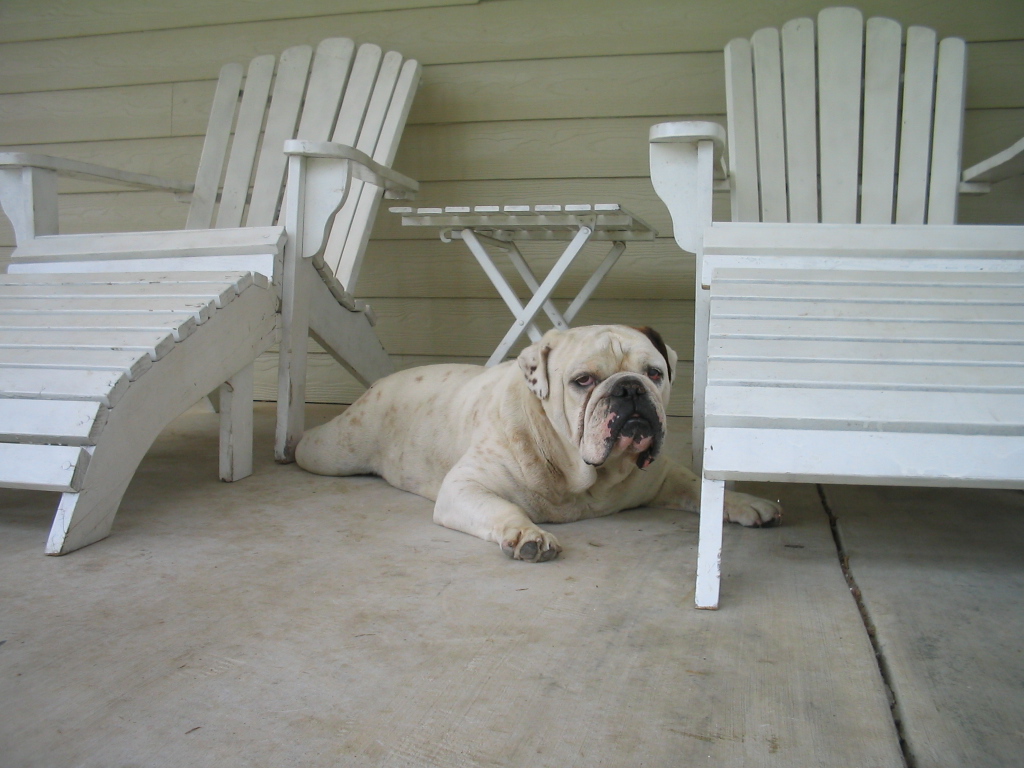
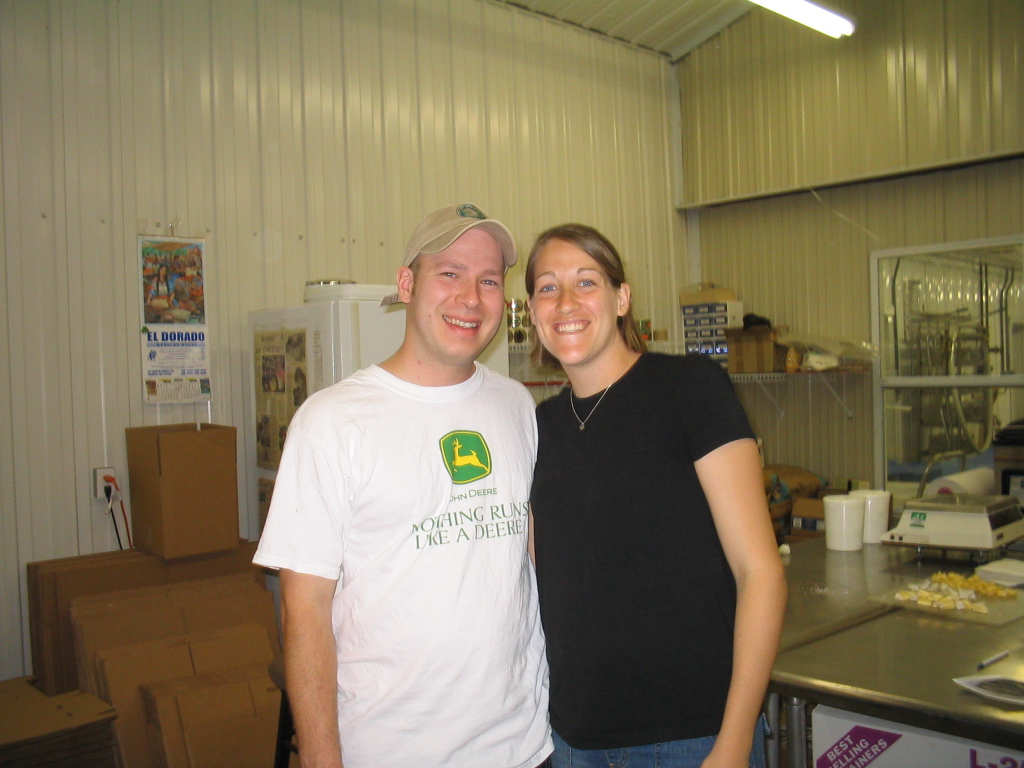
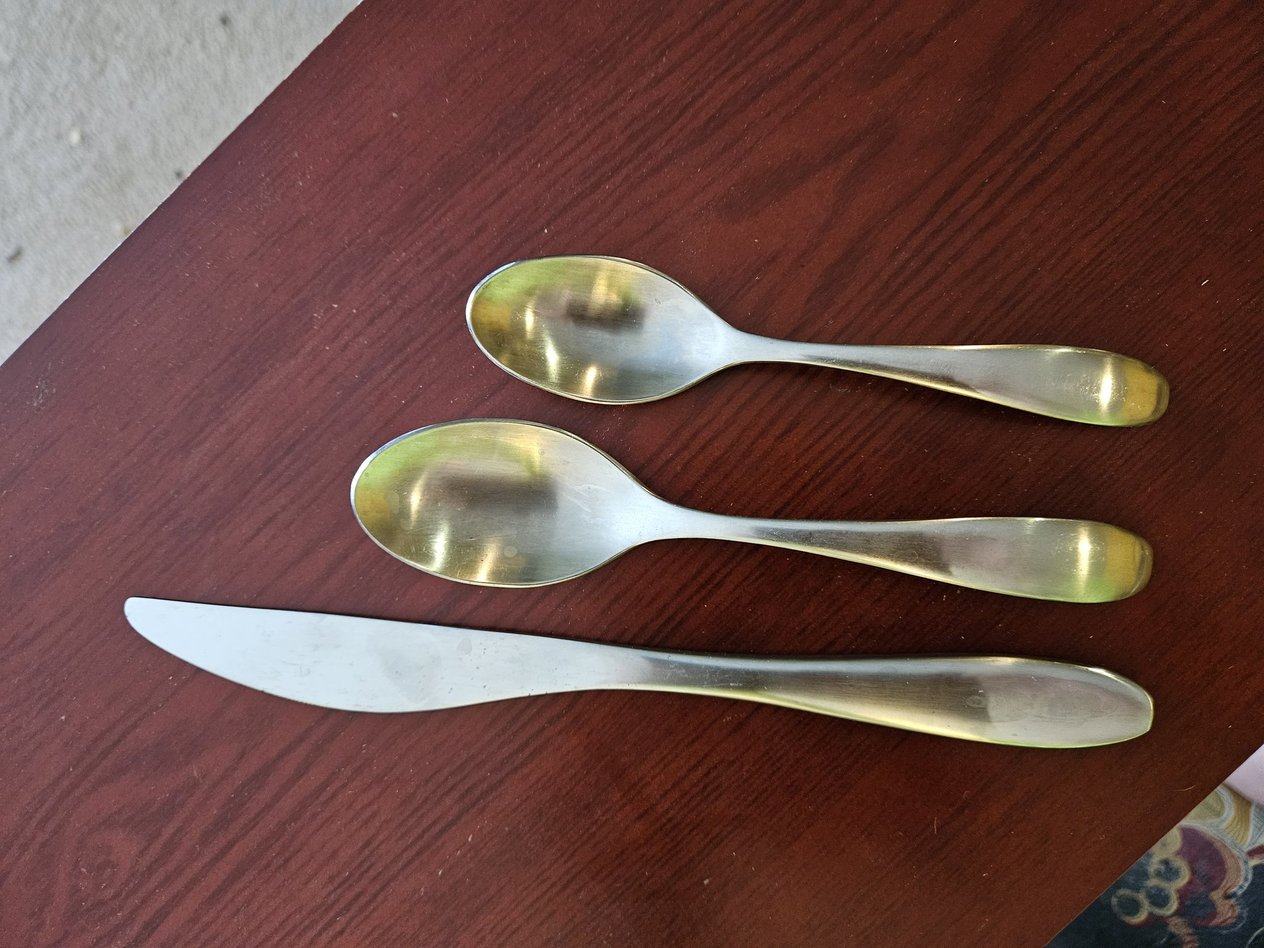

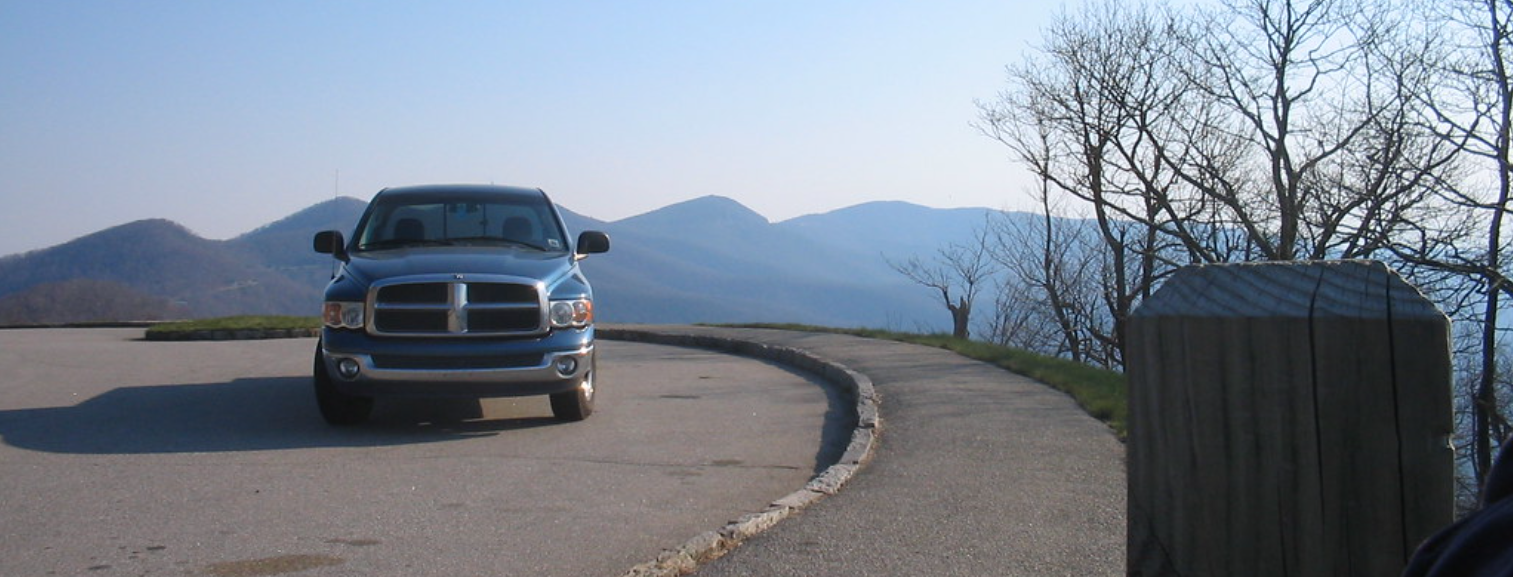



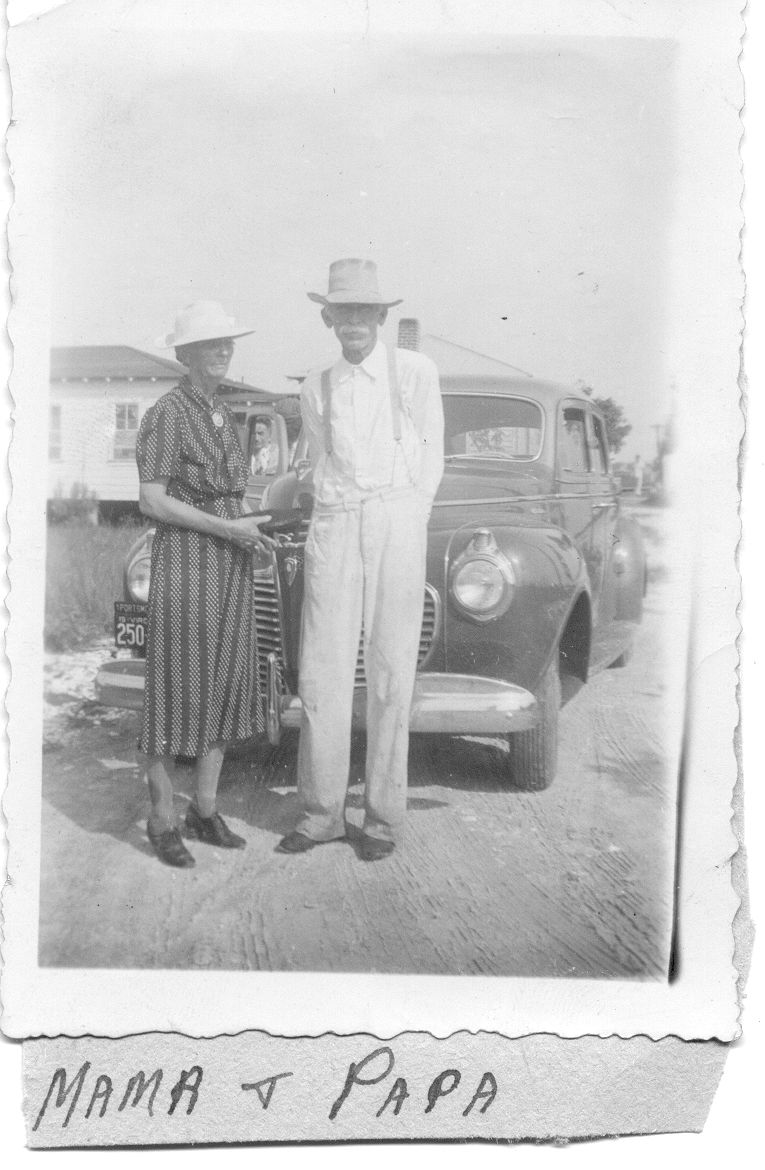

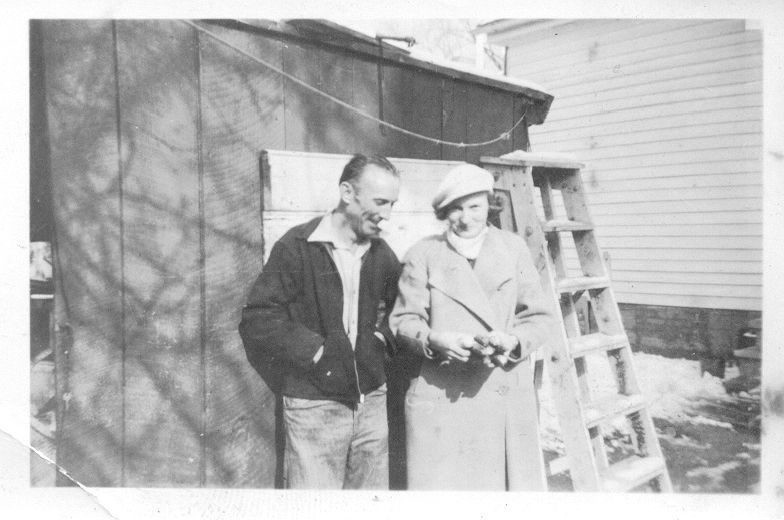
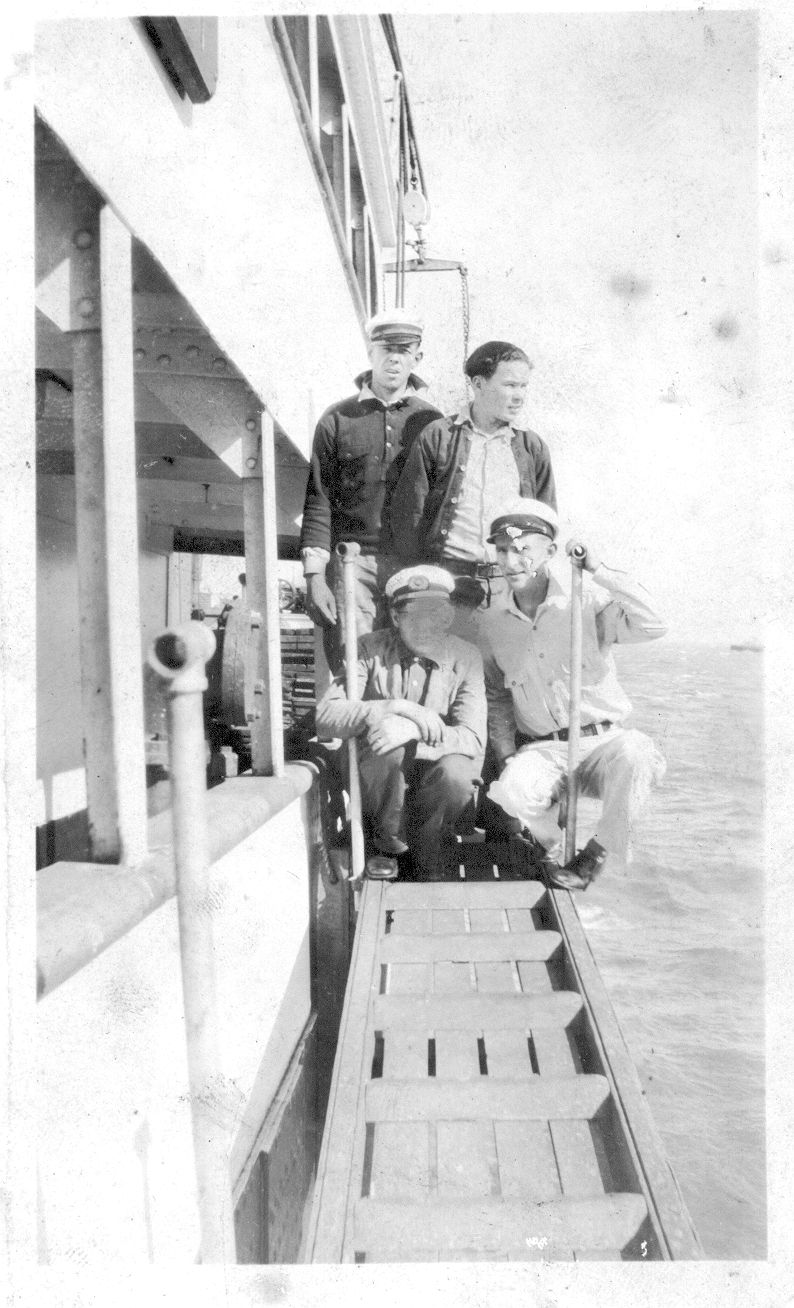


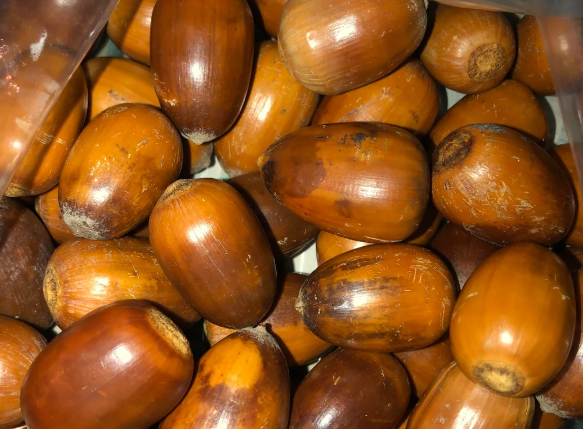
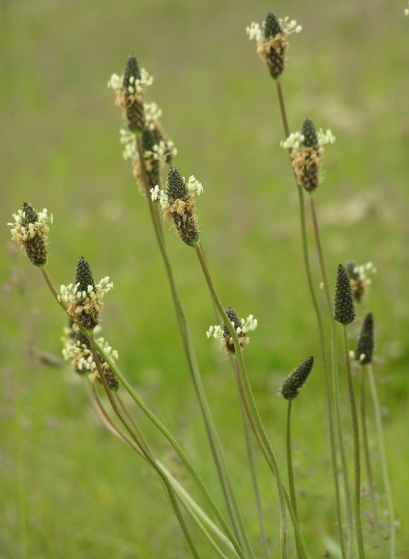







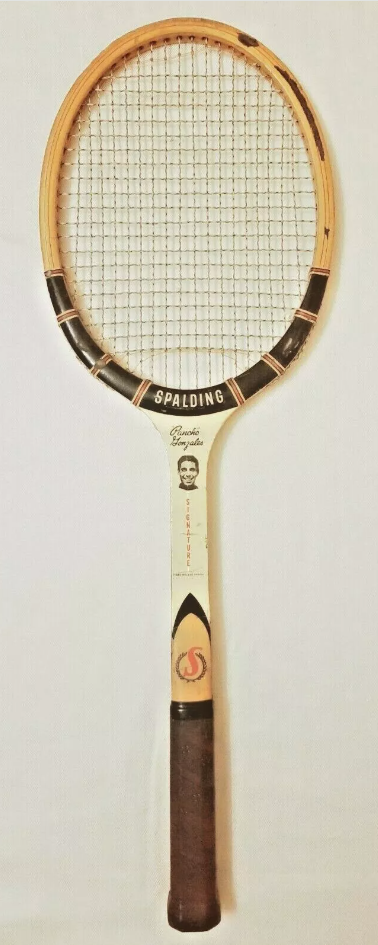

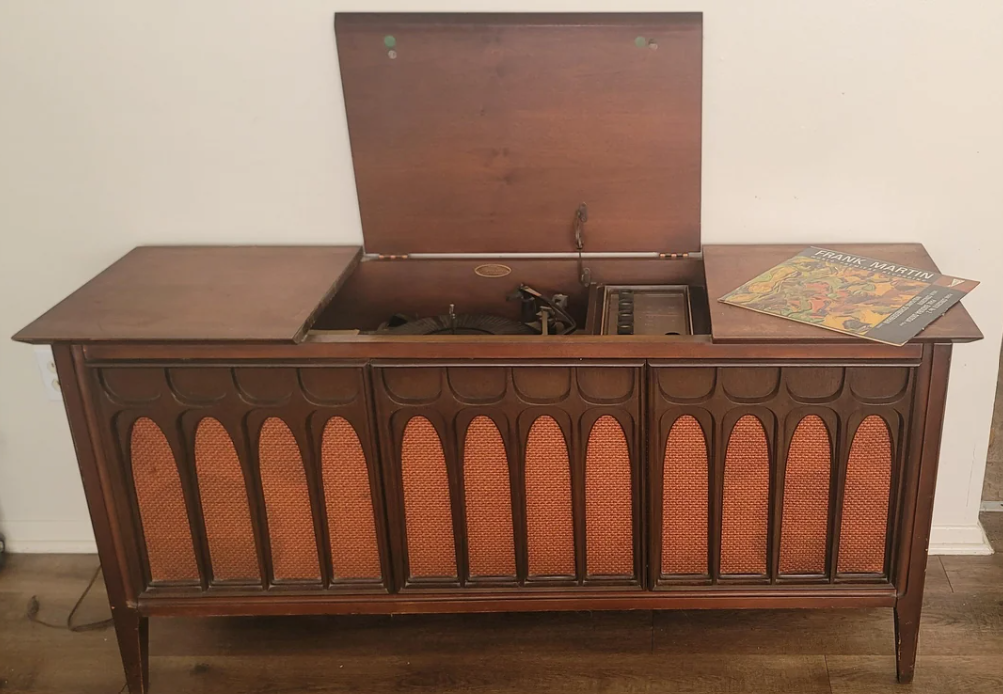


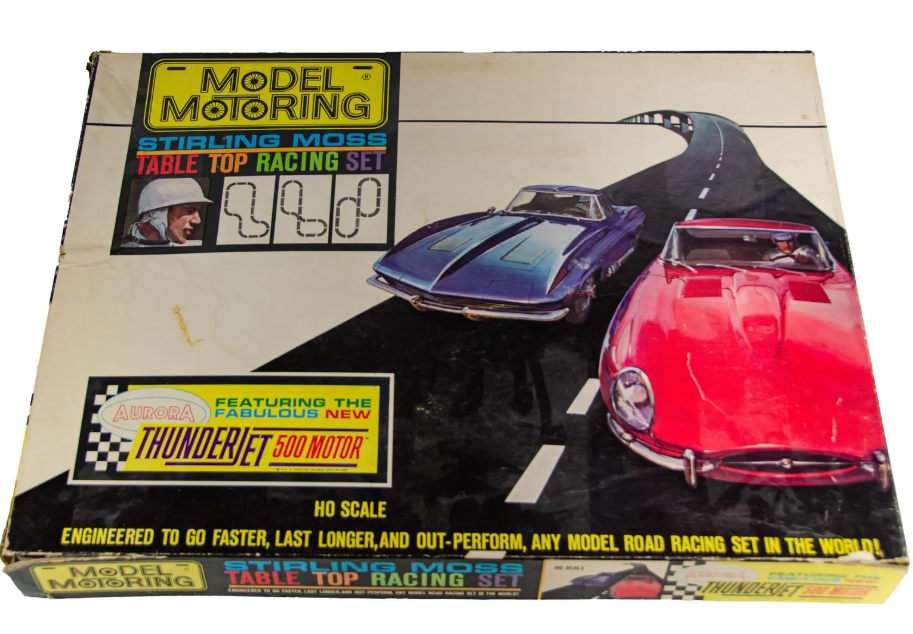

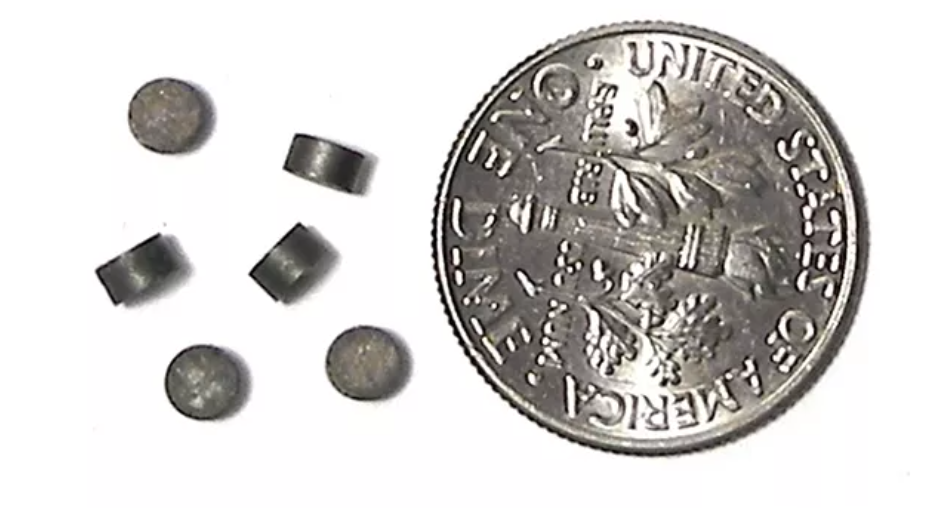
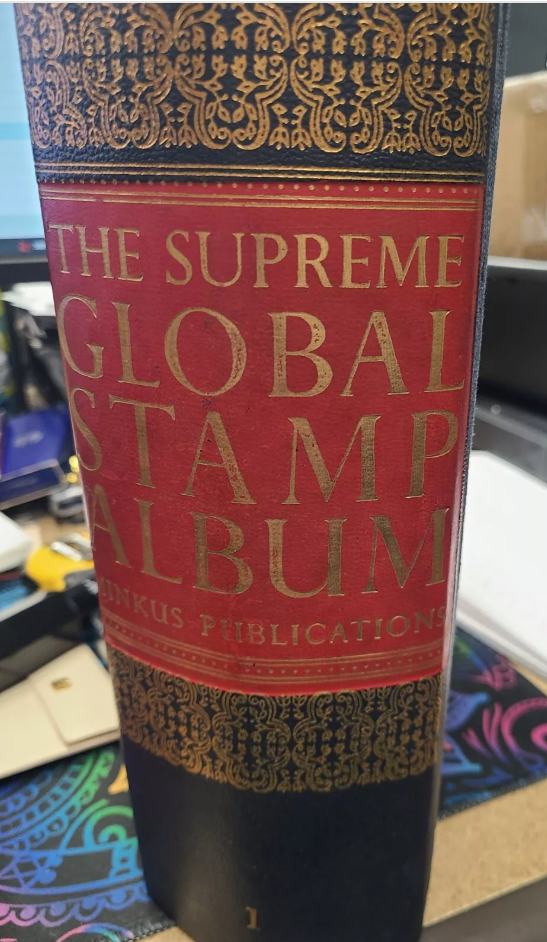

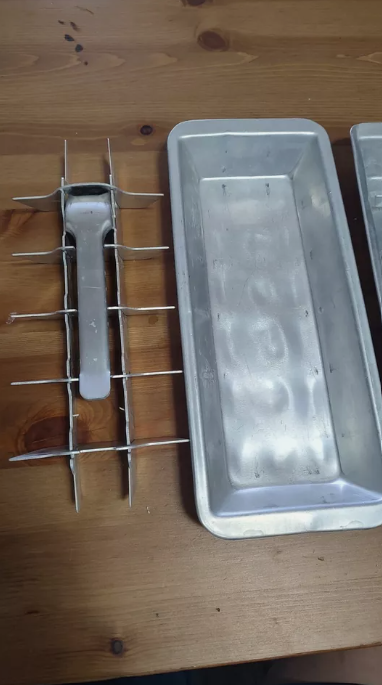
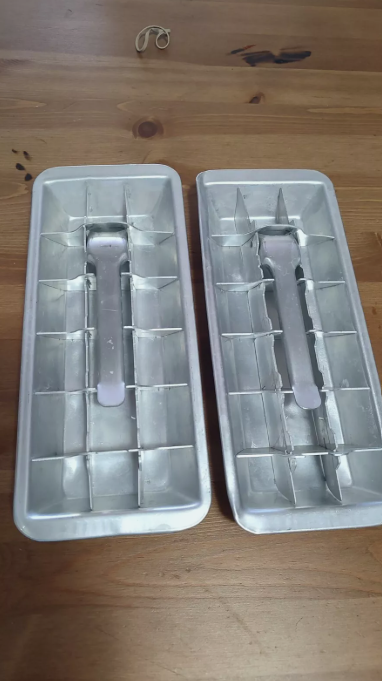
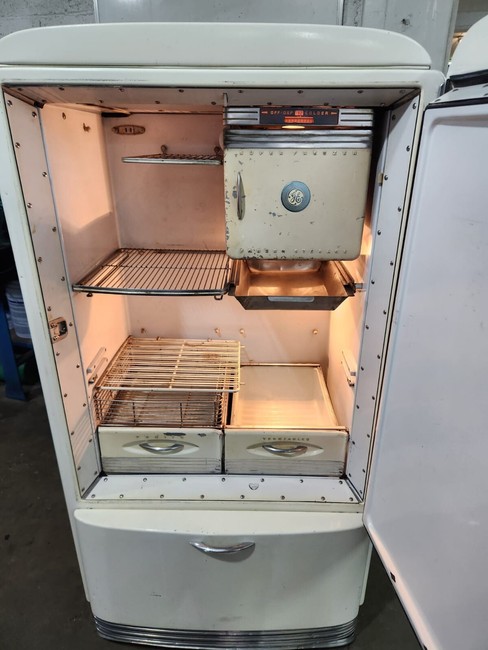
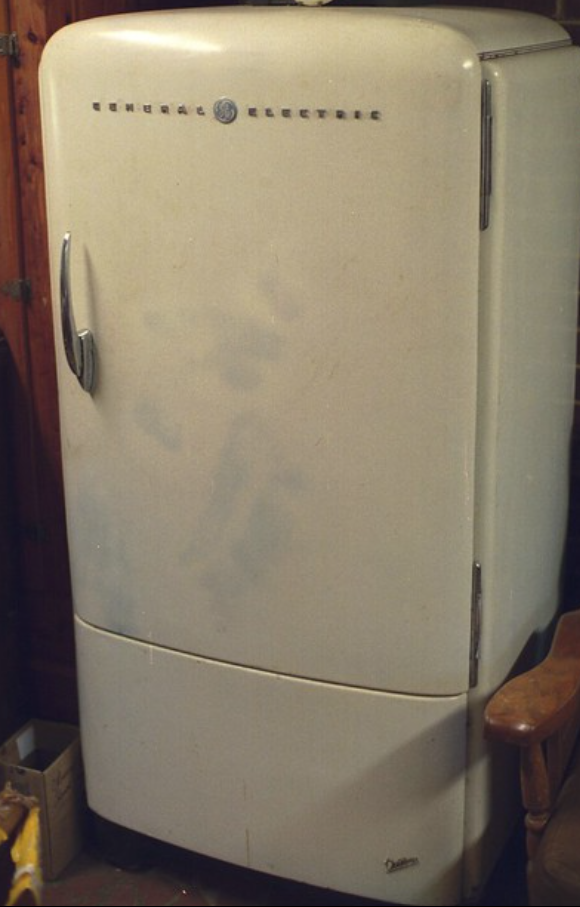
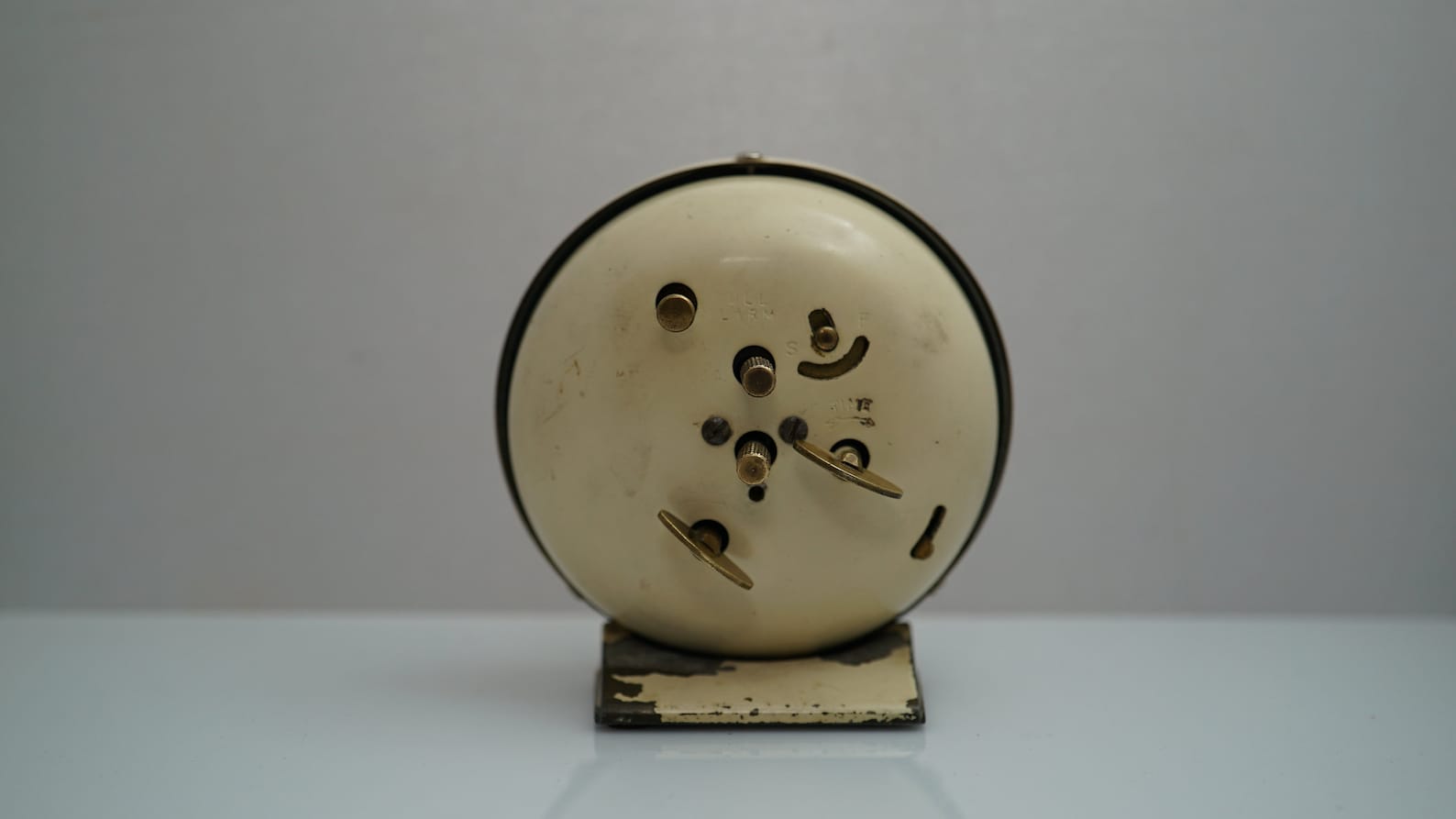
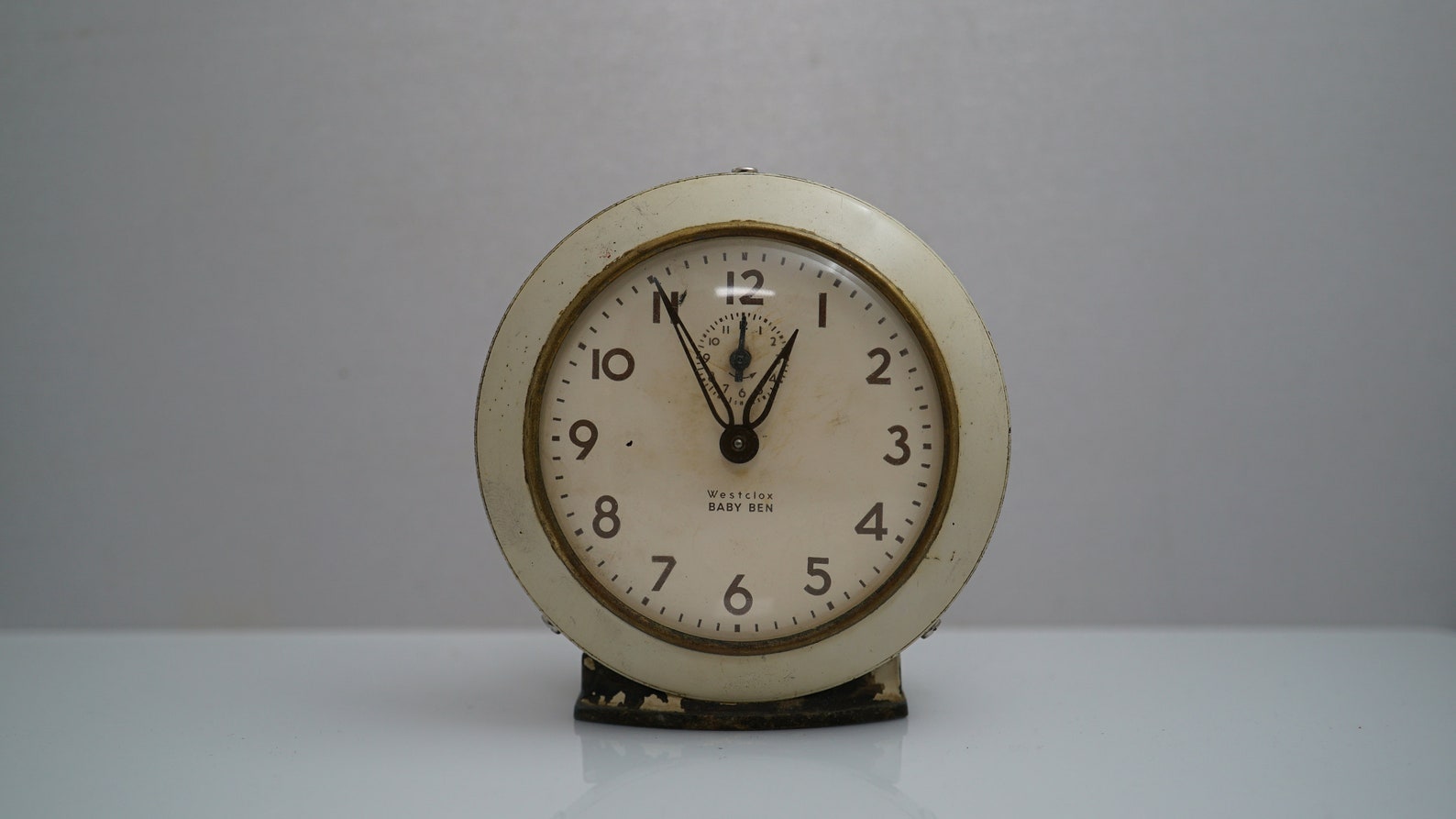

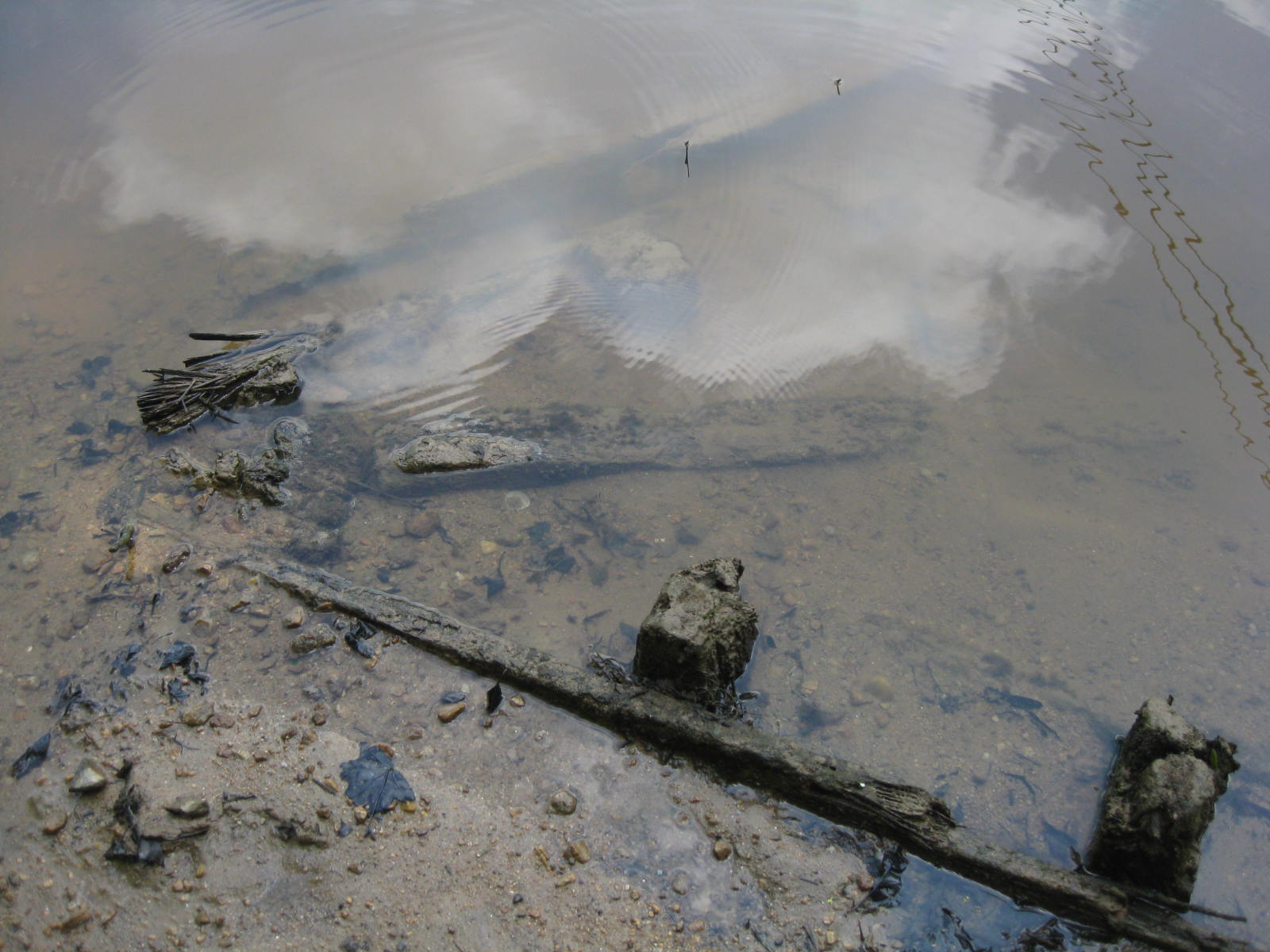
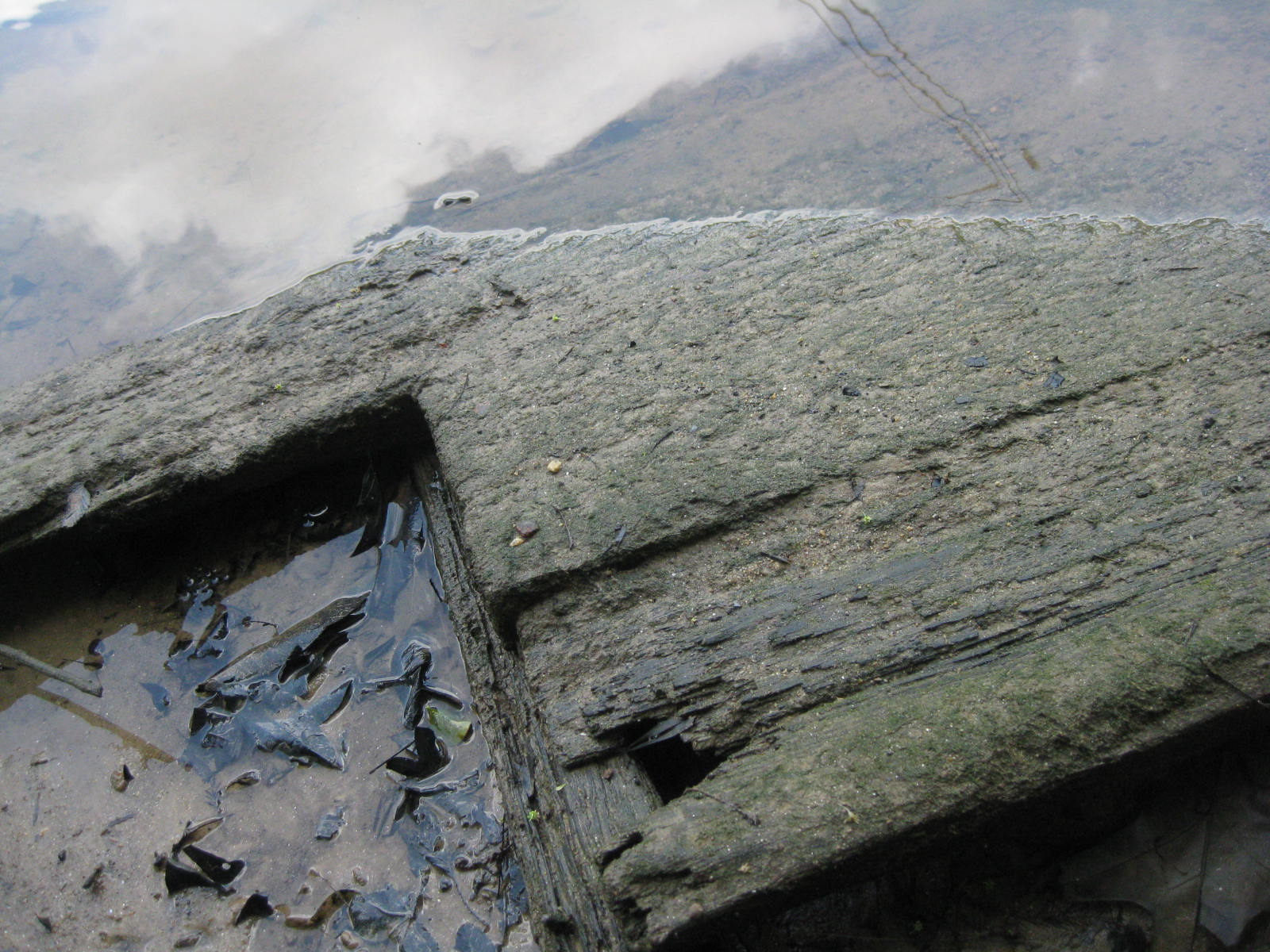
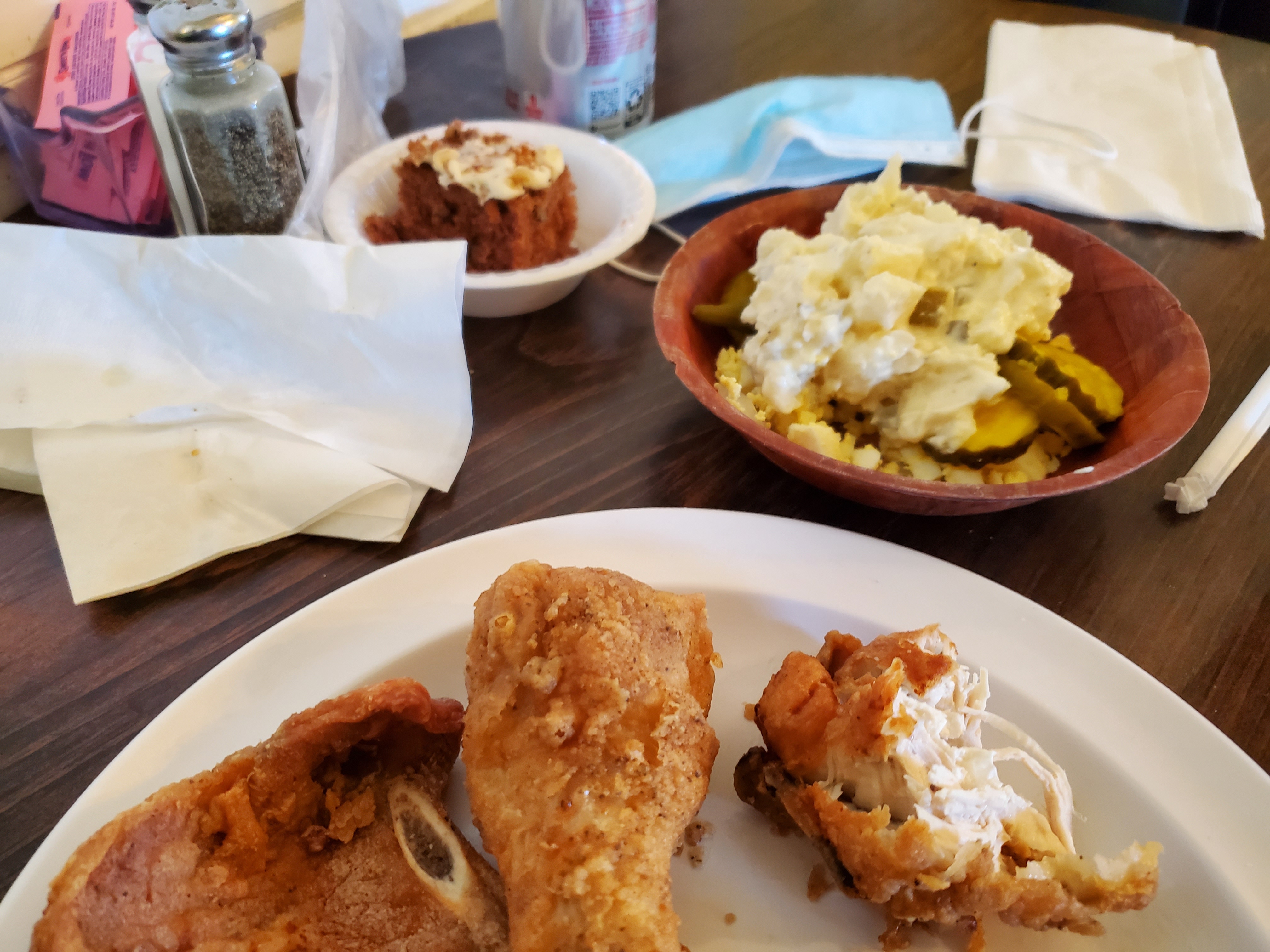

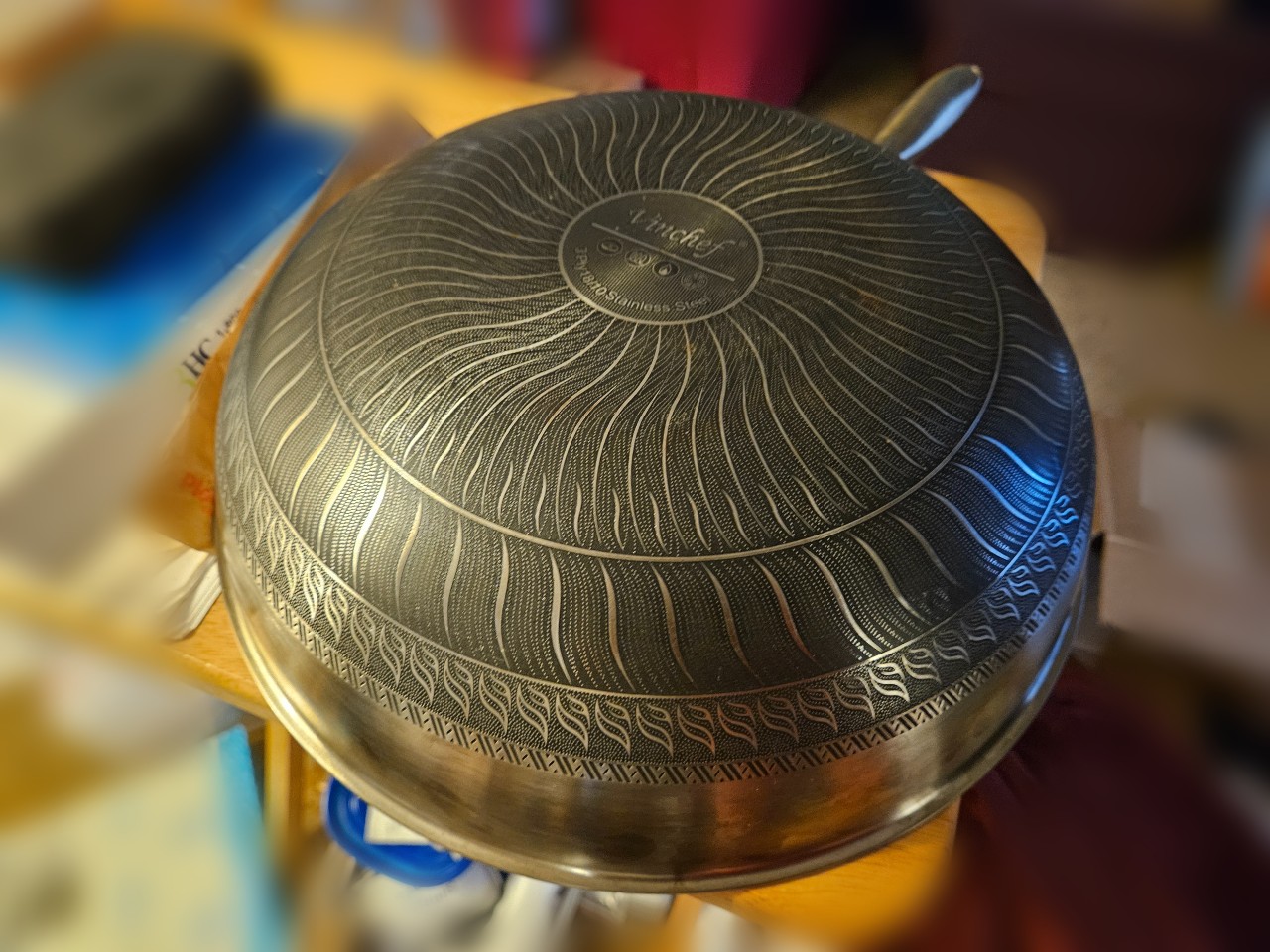


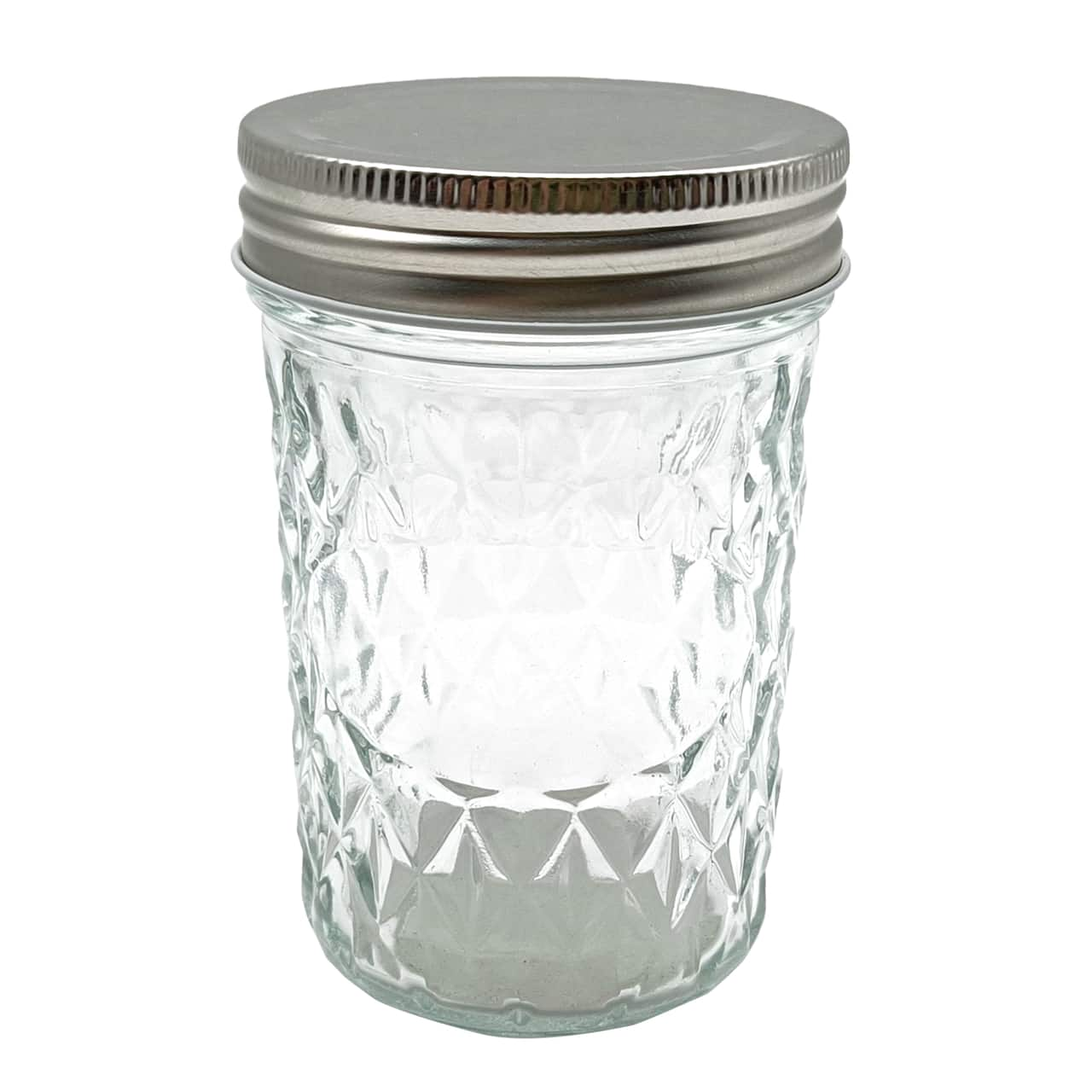

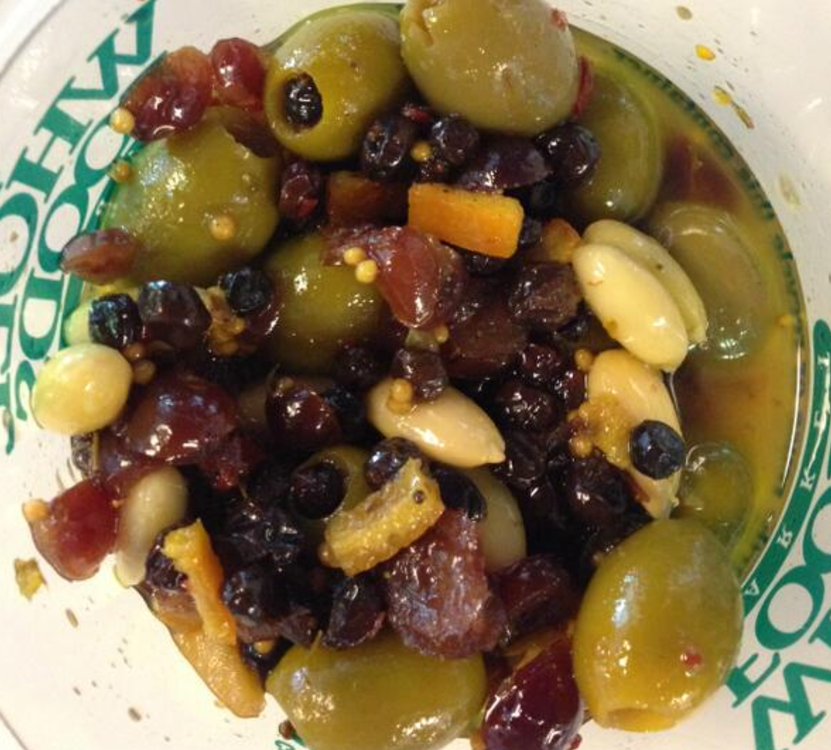



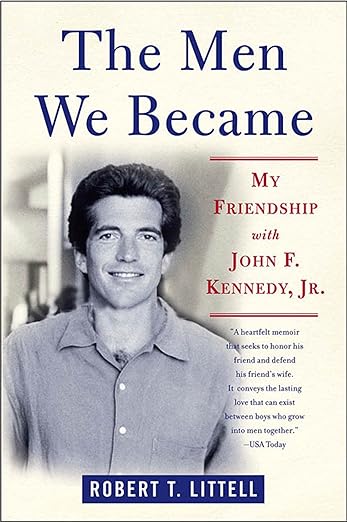





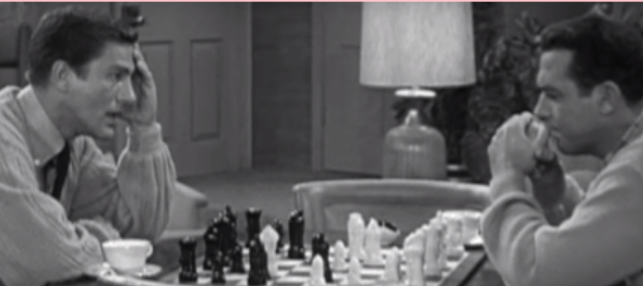

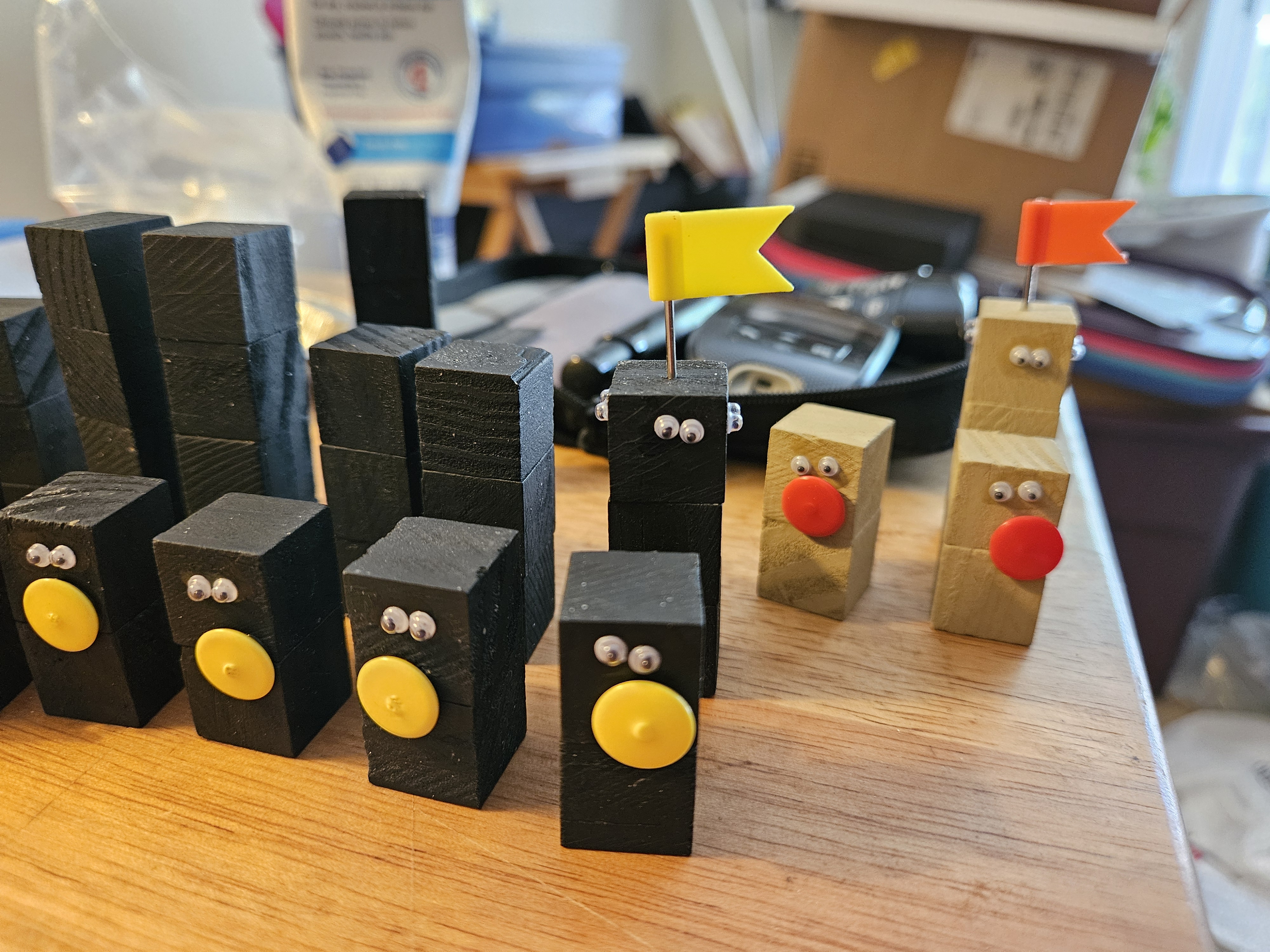



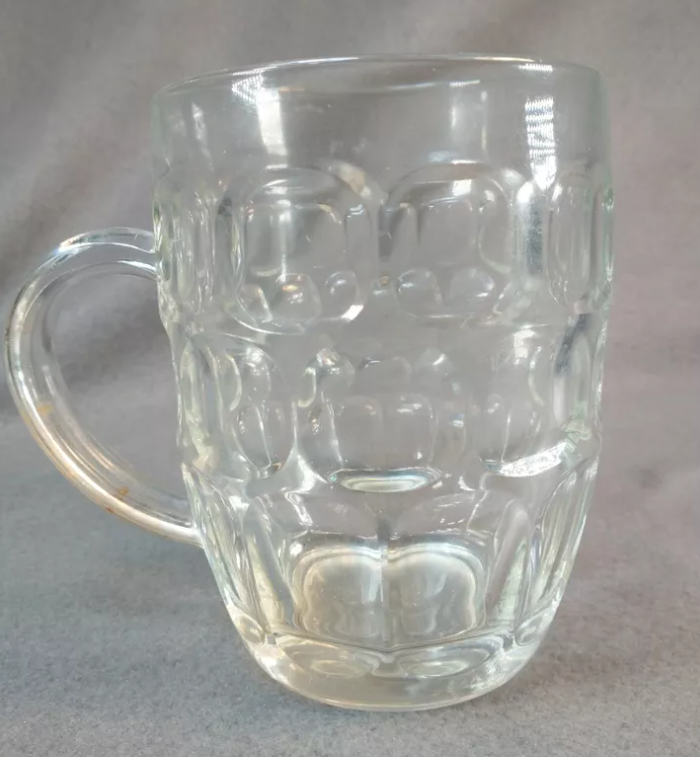

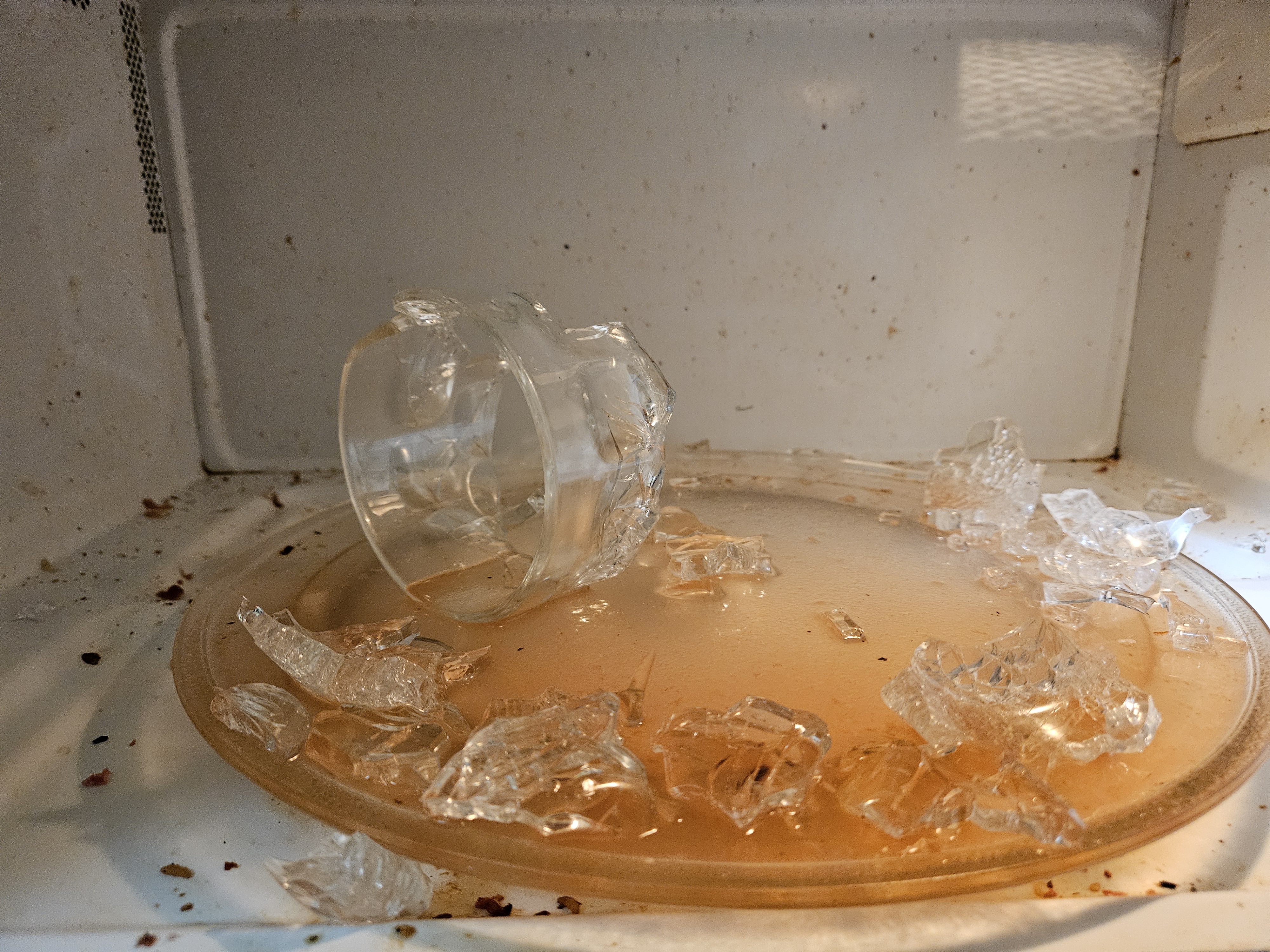
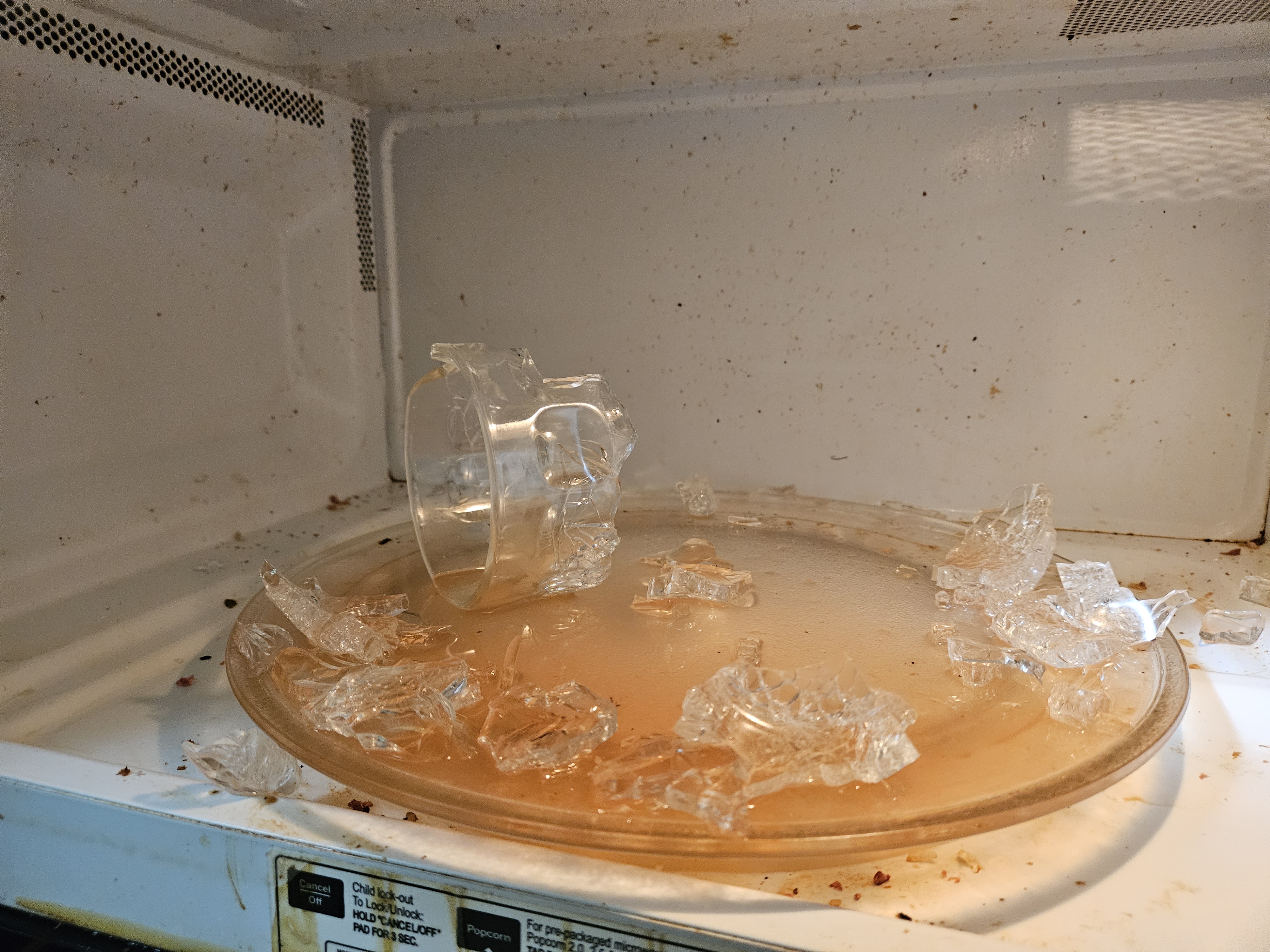



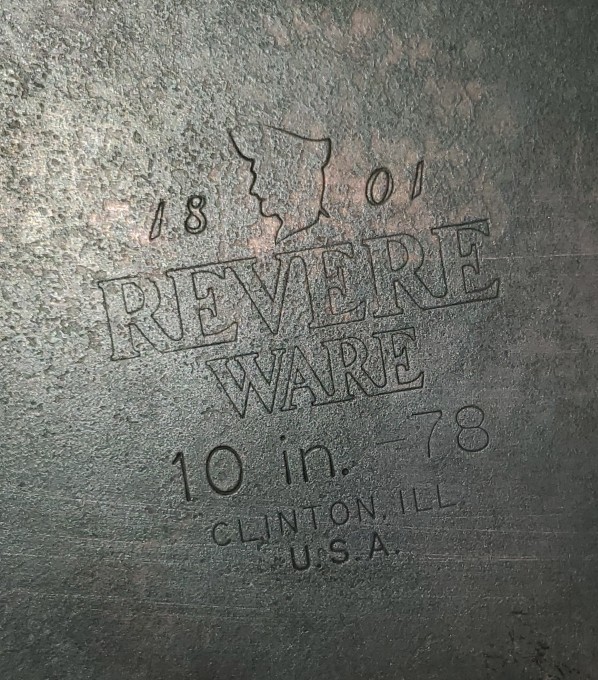

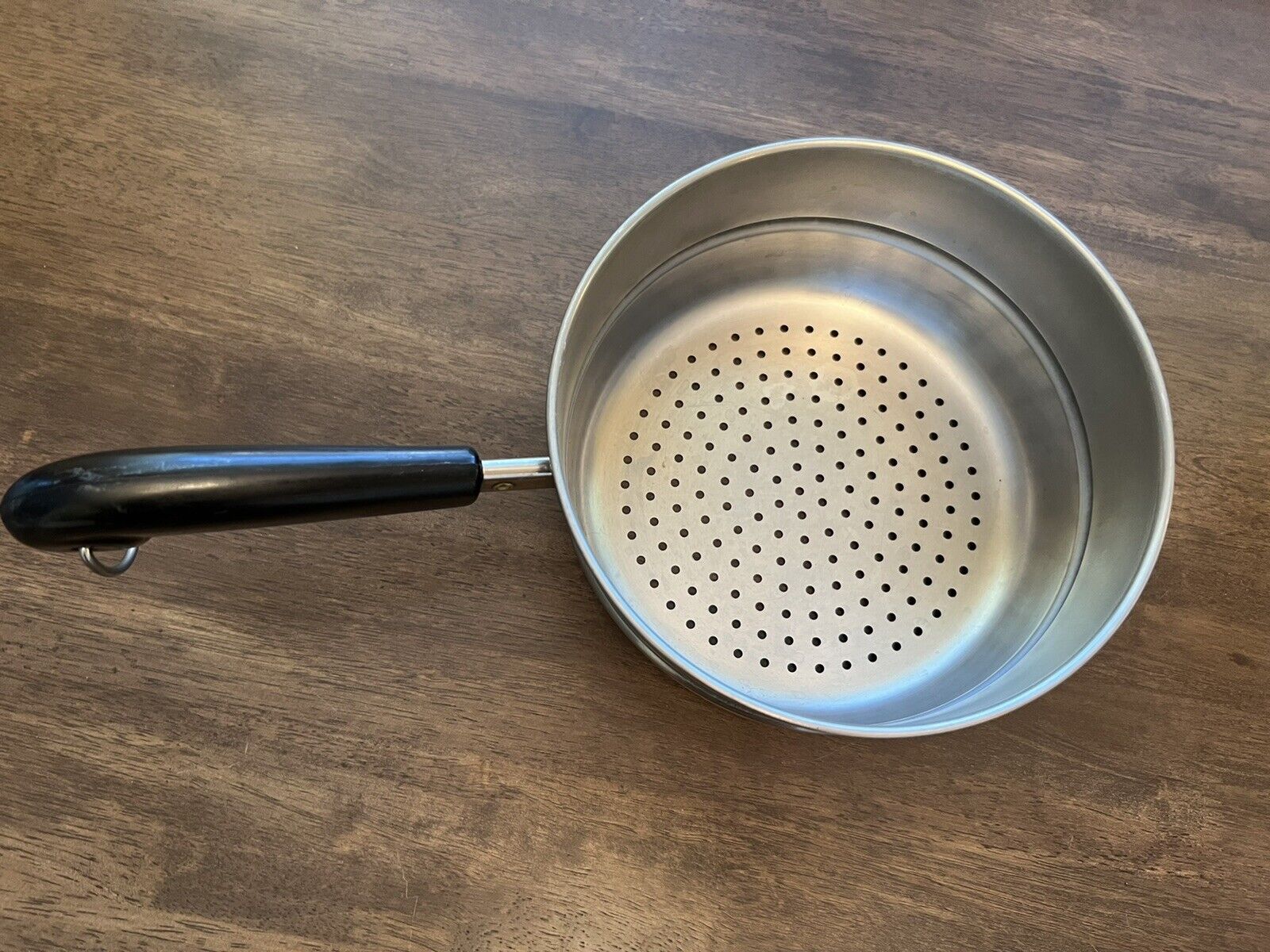
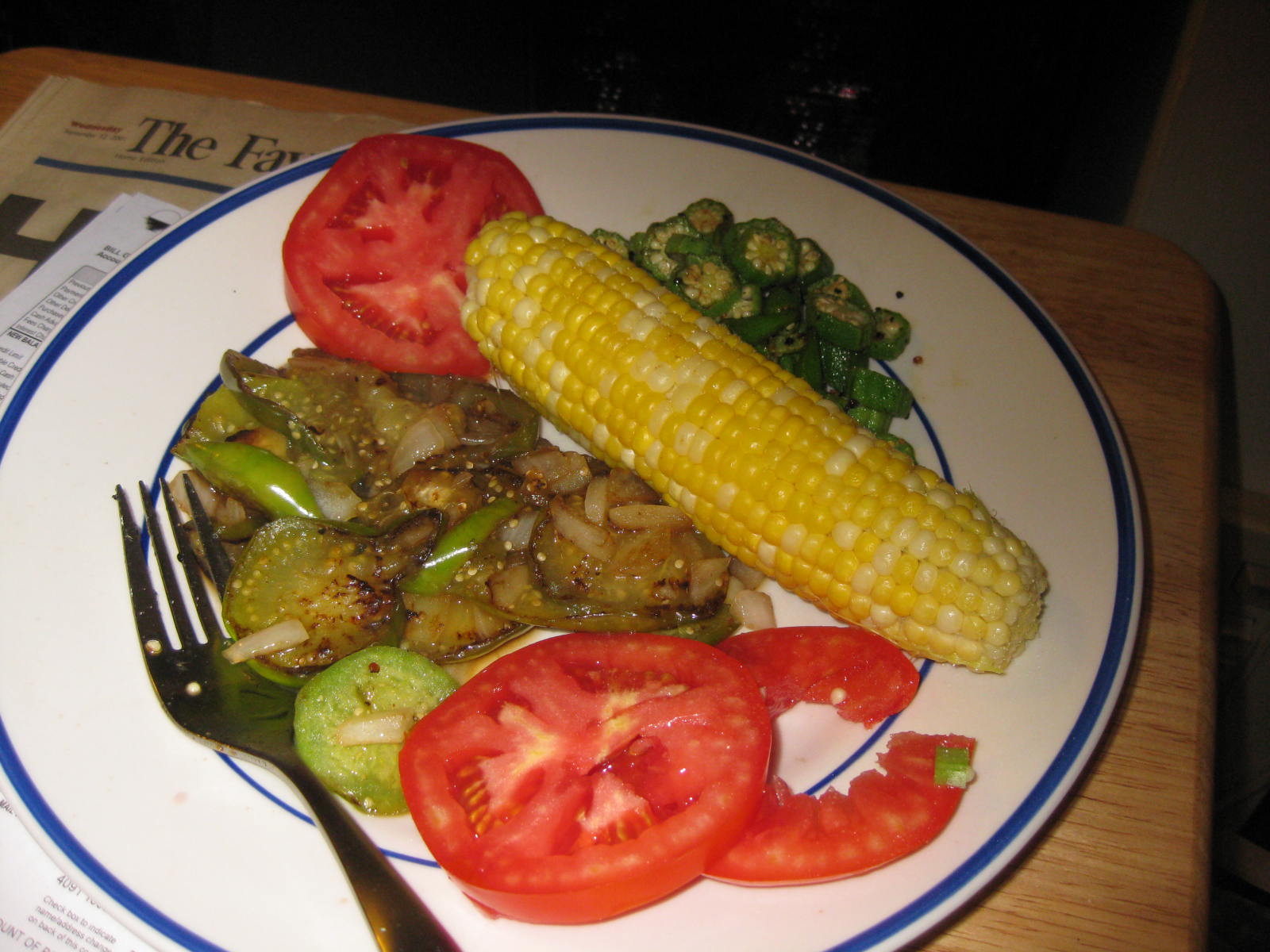

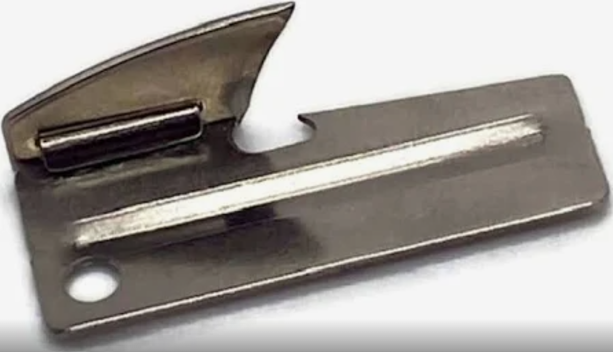
 Bill Gibson, II