This was a delicious meal. All the flavors worked well together. The only thing that might have added positively would have been bread or a dinner roll, but it really wasn’t necessary to be able to repeatedly say, “that’s really good food.”
Thick Cut Port Chop (London Broil)
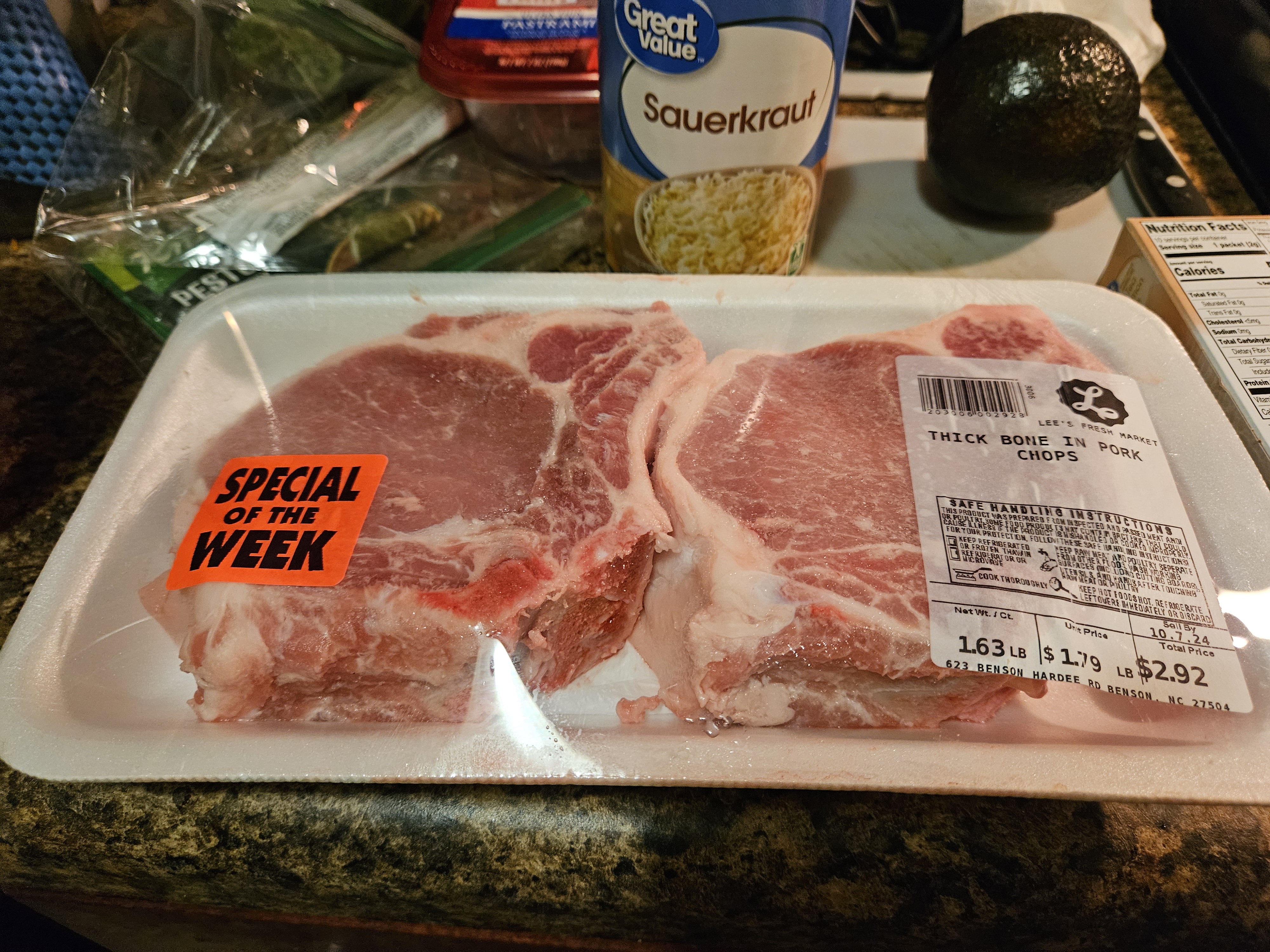
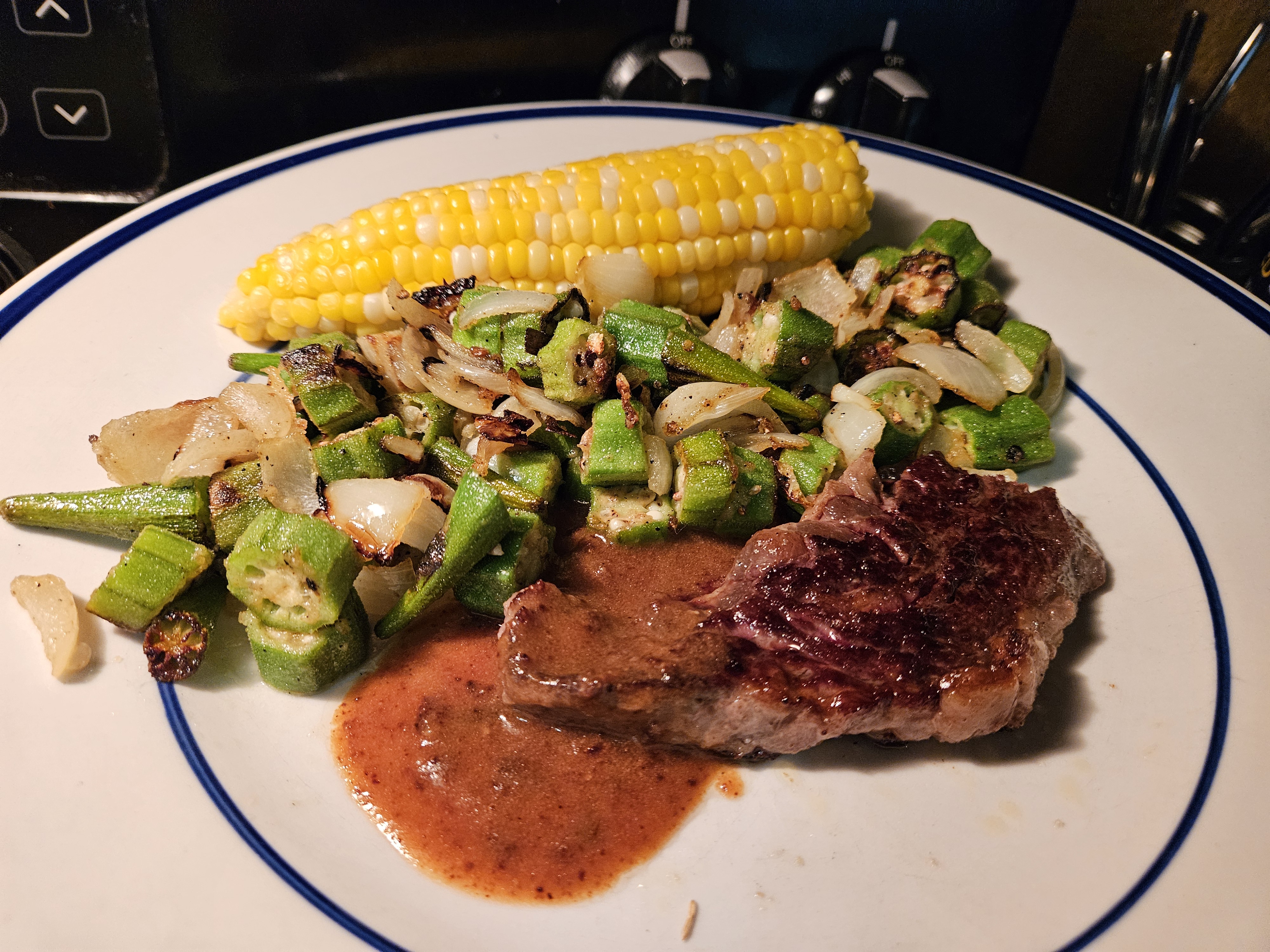
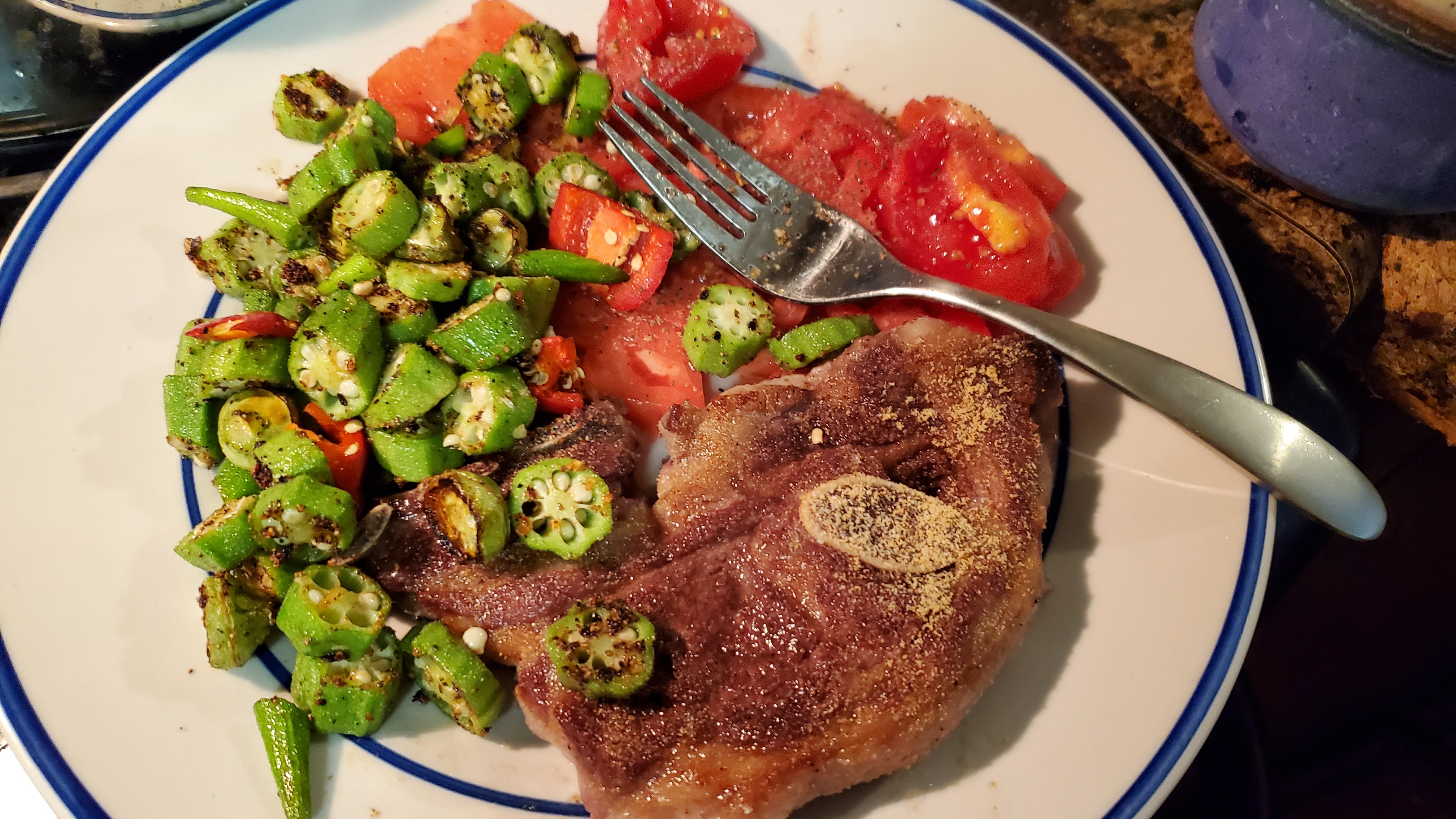
As I’ve done several times before, successfully, I stopped by Lee’s Fresh Market in Benson, North Carolina and bought a package of Thick Cut Pork Chops (two to a package) and only a little over $3 plus tax total. I normally use the “London Broil” method (high heat, fast cooking in the oven) and now put one chop in the bottom of my wok style pan, placing a small sheet of tin foil over the meat. I’m not sure if it is the wok or the tinfoil that causes the bottom of the chop to brown up nicely. I normally let it cook on HI for about 15 minutes and then turn it over for another 7 minutes. And after this amount of time, even the thick cut chop is completely cooked, and still moist.
I S&P both sides of the chop, but also may use ground cumin, fenugreek, garlic & onion powder.
I may be able to get two or three meals from the one chop. And although these are thick cut chops, I found that the remaining chop does fit into a sealable plastic sandwich bag and placed in the freezer.
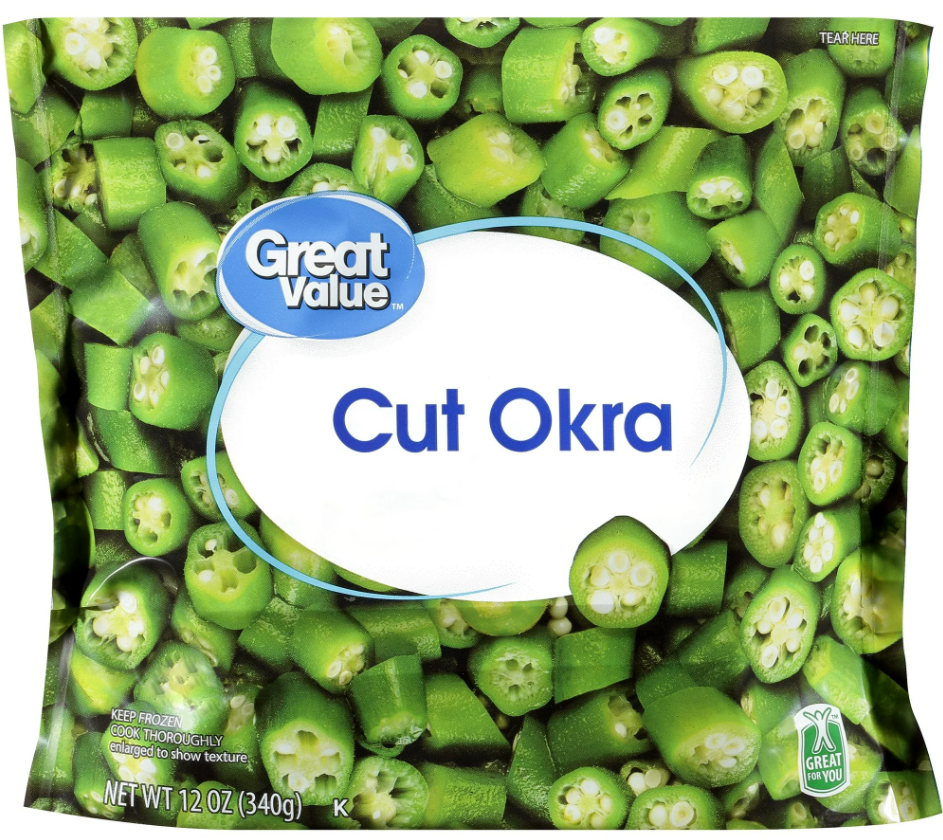
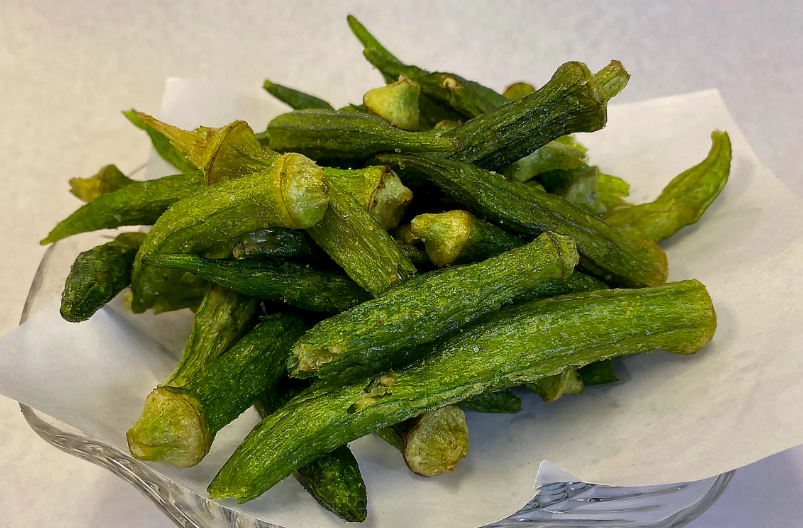
I will eat okra fried, stewed or even raw. Fried, it reminds me somewhat of “fried oysters,” but when I fry it, I normally don’t batter it. I have bought frozen, diced okra and added it to soups or stews. I also like the flavor and texture of okra chips. The okra chips are produced by cooking them under pressure and at a low temperature. This leeches out most of the moisture, but the okra keep their original shape.
Fried Okra
When preparing okra for frying, I’ll normally take 3 okra pods, line up their stem ends and then proceed to dice the pods into 1/2 inch pieces throwing away the stems. I also like to dice some onion to fry up with the okra. I just add either some olive or avocado oil, or maybe even some bacon grease to fry the okra and onion mixture, in a pan, on the stove top.
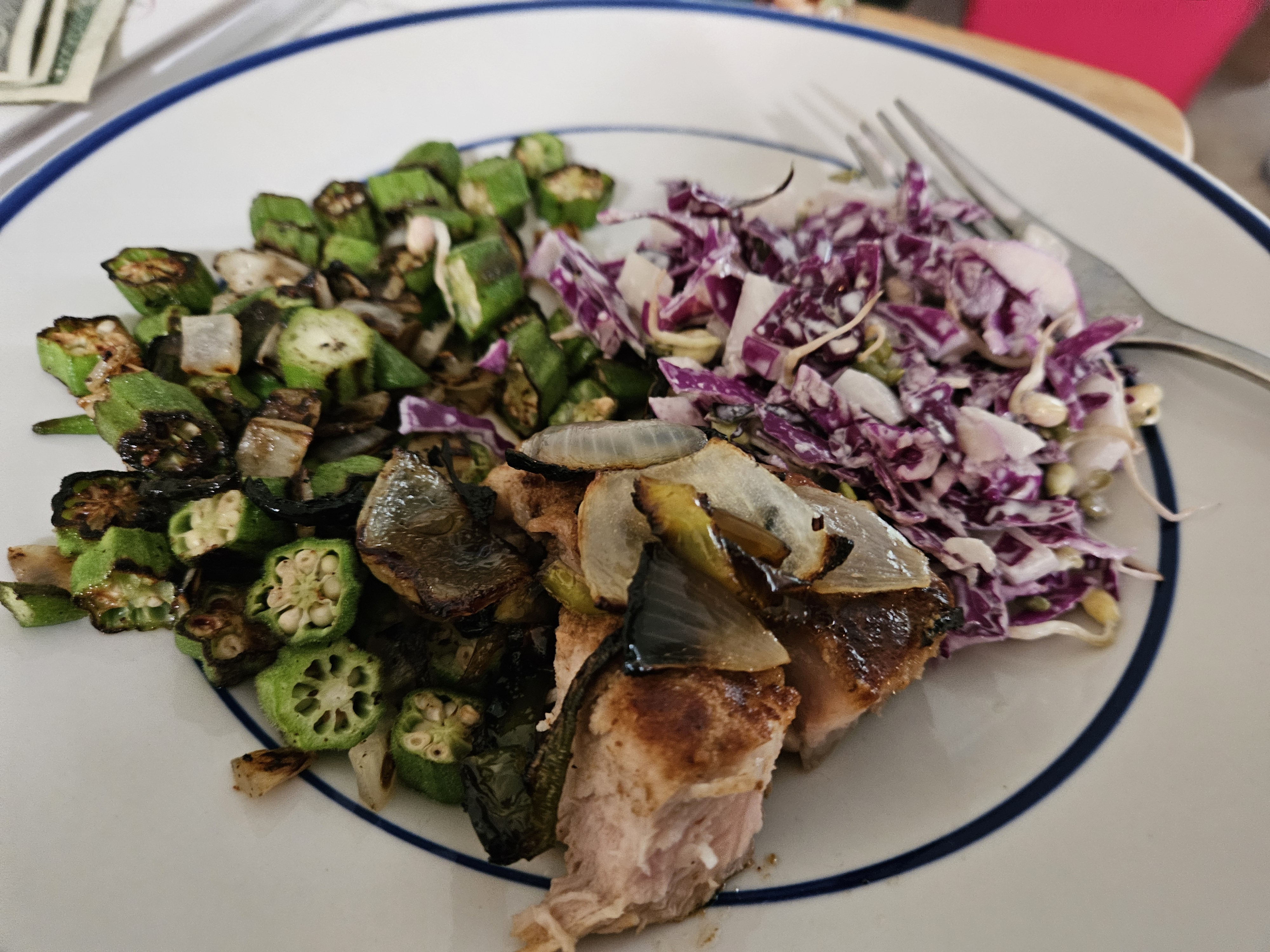
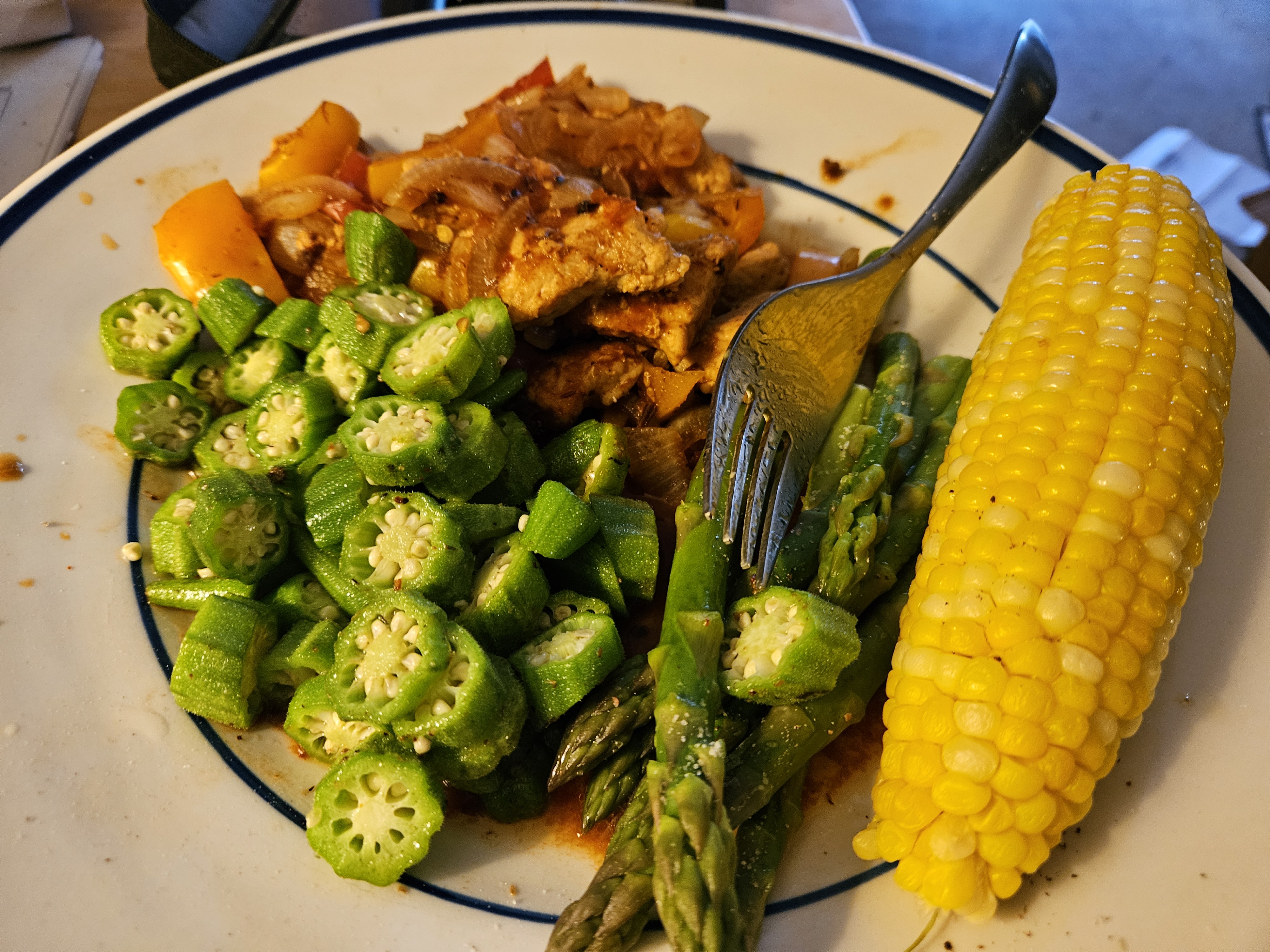
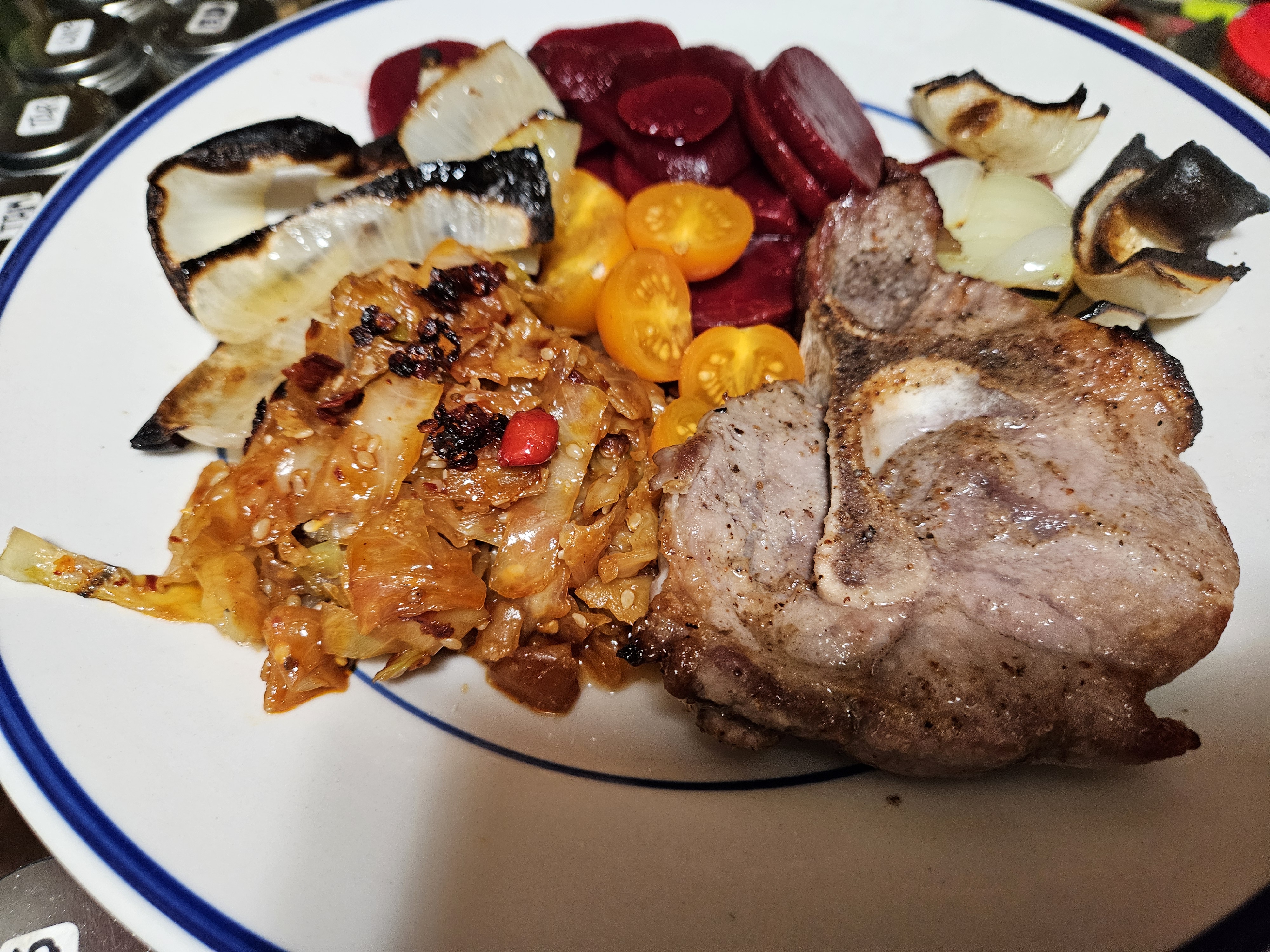
Below is a broiled thick cut pork chop, red cabbage slaw with Mung beans, and fried okra with onion. *This was a very delicious pairing!
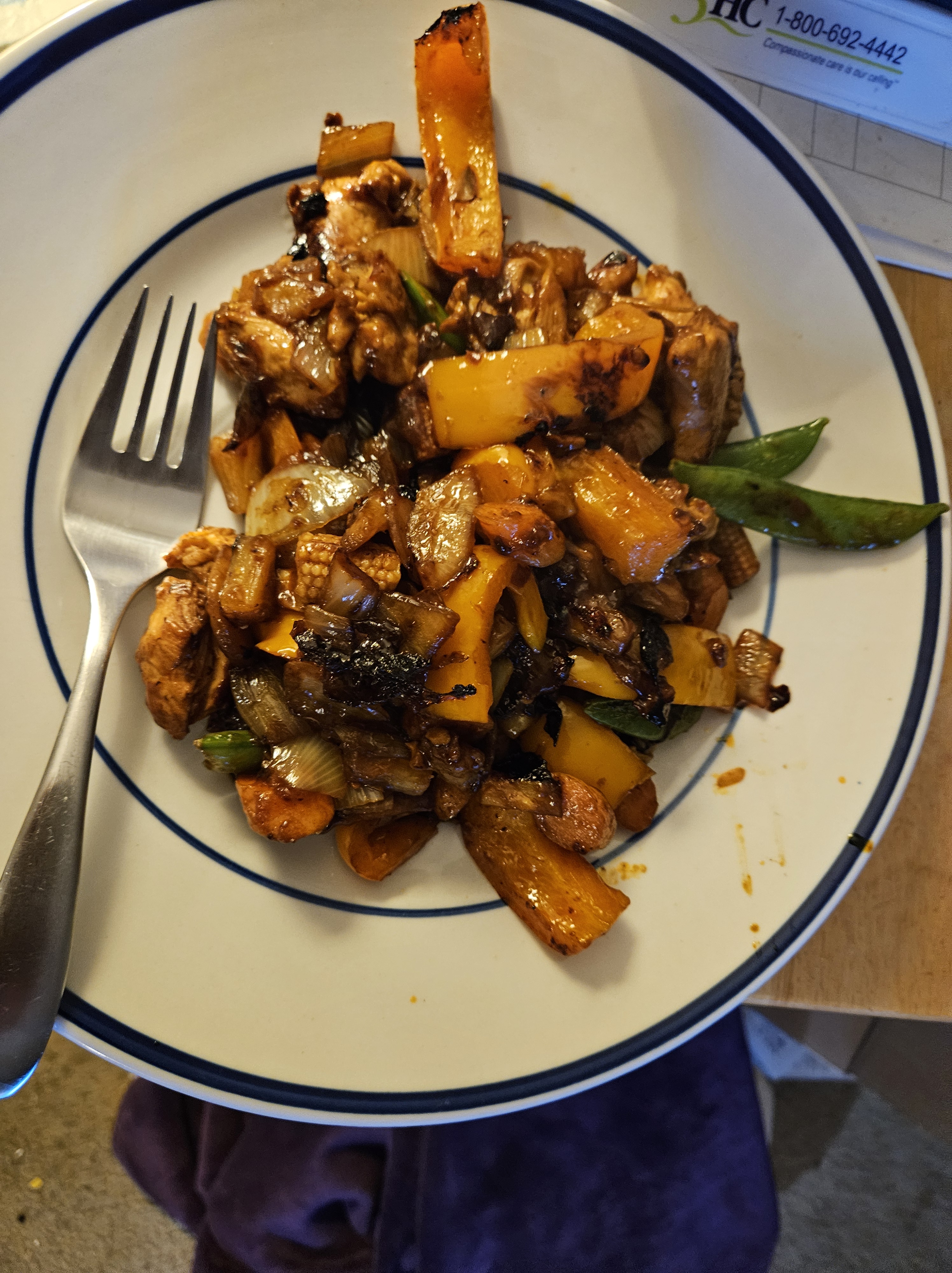
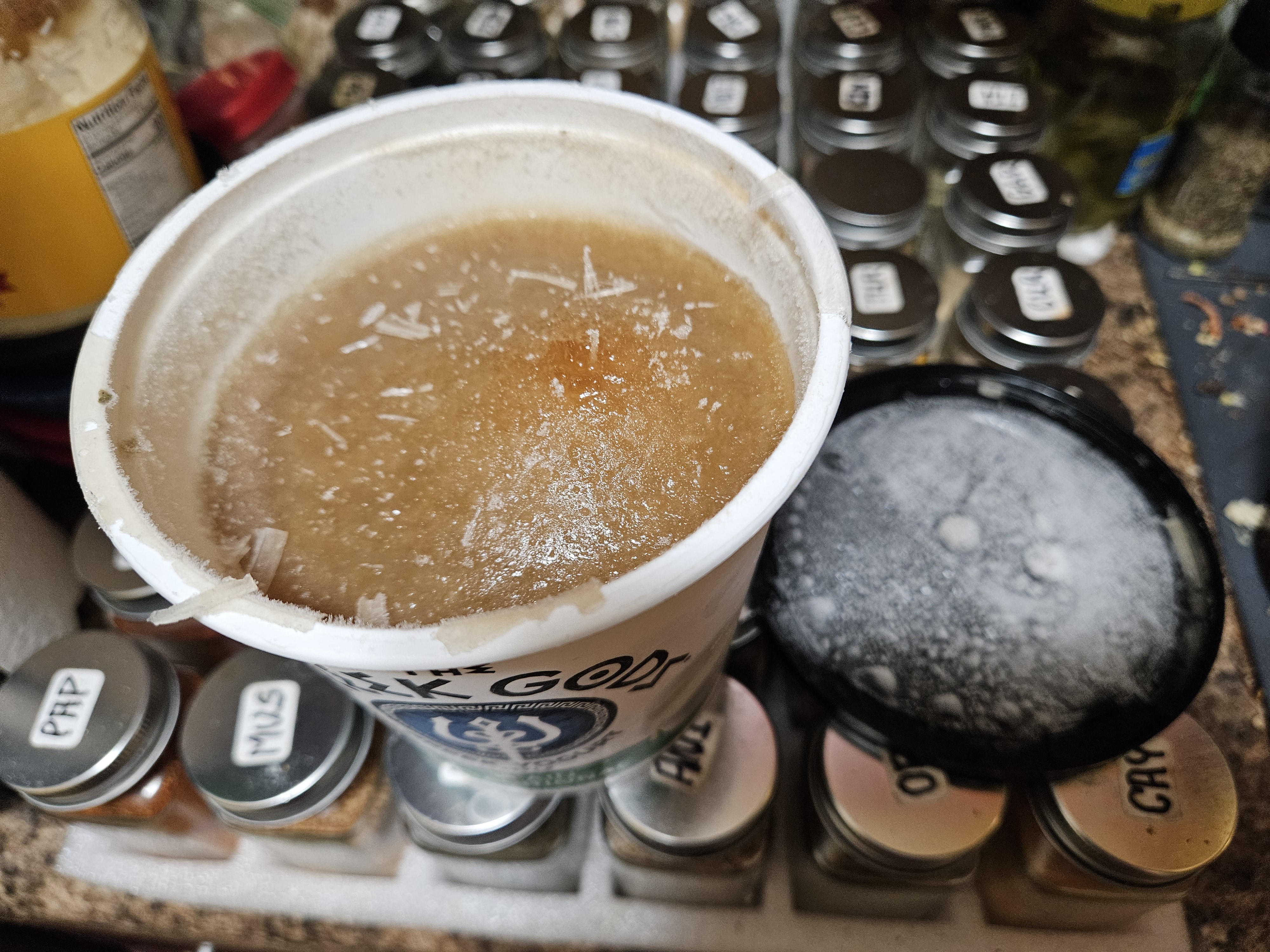
I recognize the pickled beets, and the red peanut from the Spicy Chili Crisp.Black Beans & QuinoaA Stir FryThick Cut Pork Chop, Fried Okra & Red Cabbage Slaw with Mung bean sproutsHomemade Chicken StockMy Mexican Meal w/ Blue Corn Tortilla ChipsEgg Salad Breakfast w/ Avocado & Grape TomatoesScrambled Egg Breakfast w/ Avocado & Blue Corn Tortilla Chips
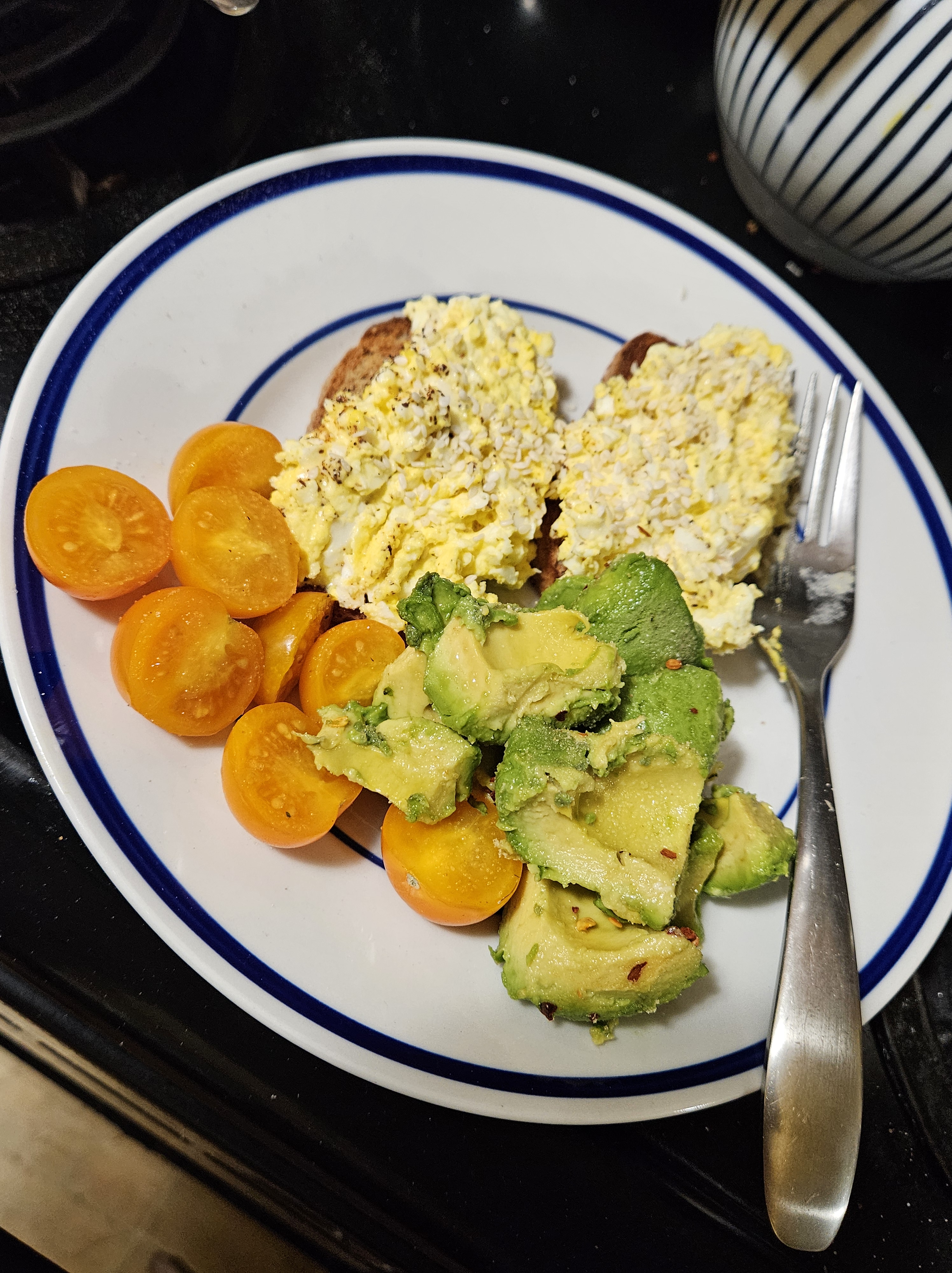
Egg Salad Breakfast w/ Avocado & Grape Tomatoes
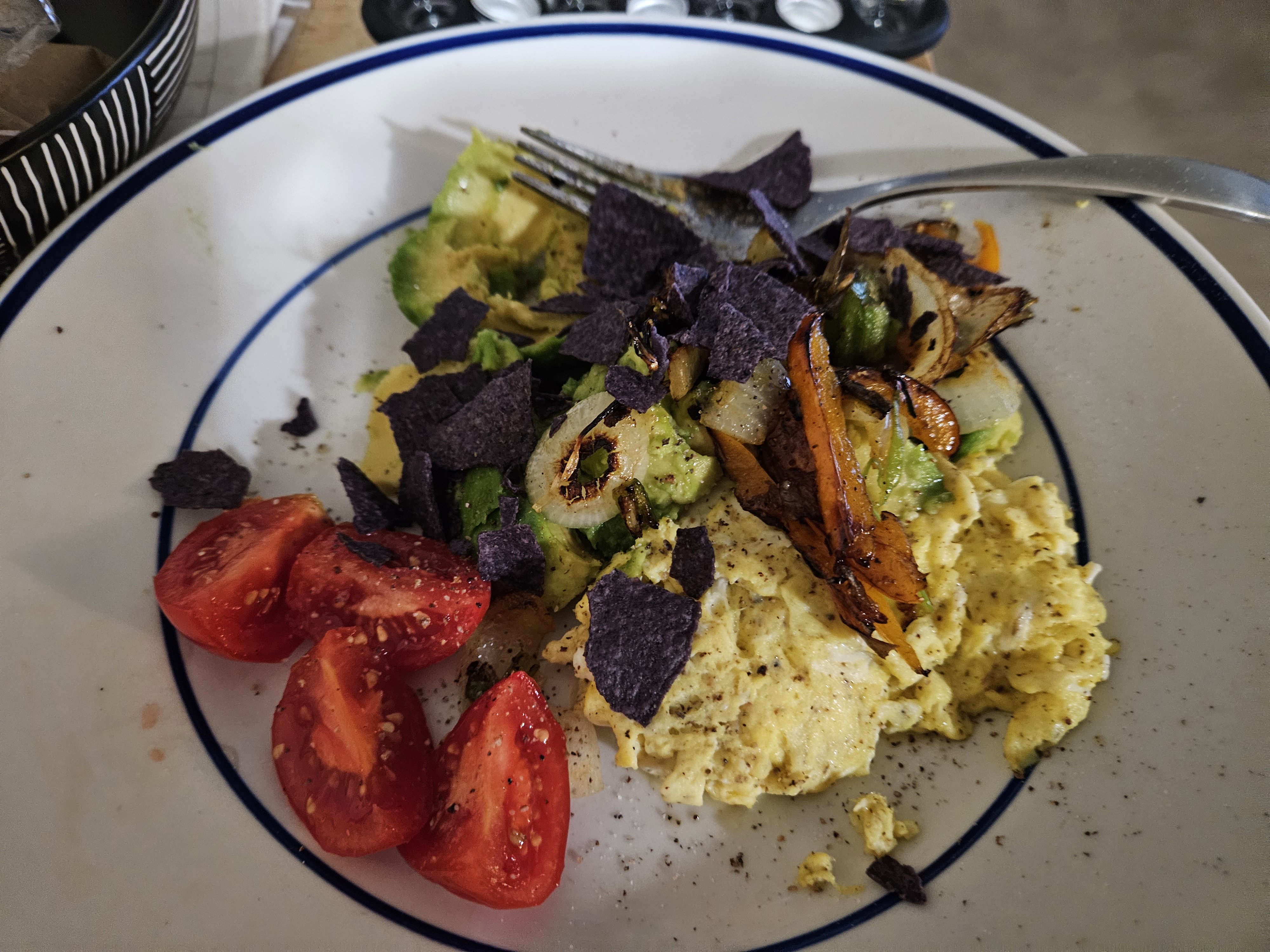
I normally have bacon with my egg salad breakfast, but this was a time when I had avocado and no bacon. I really liked this combination. *I was running low on Blue Corn Tortilla Chips this morning, so that is why I even thought about adding some of the crumbs to my egg salad. They were great with the egg salad, adding both flavor and texture (crunch) to it.
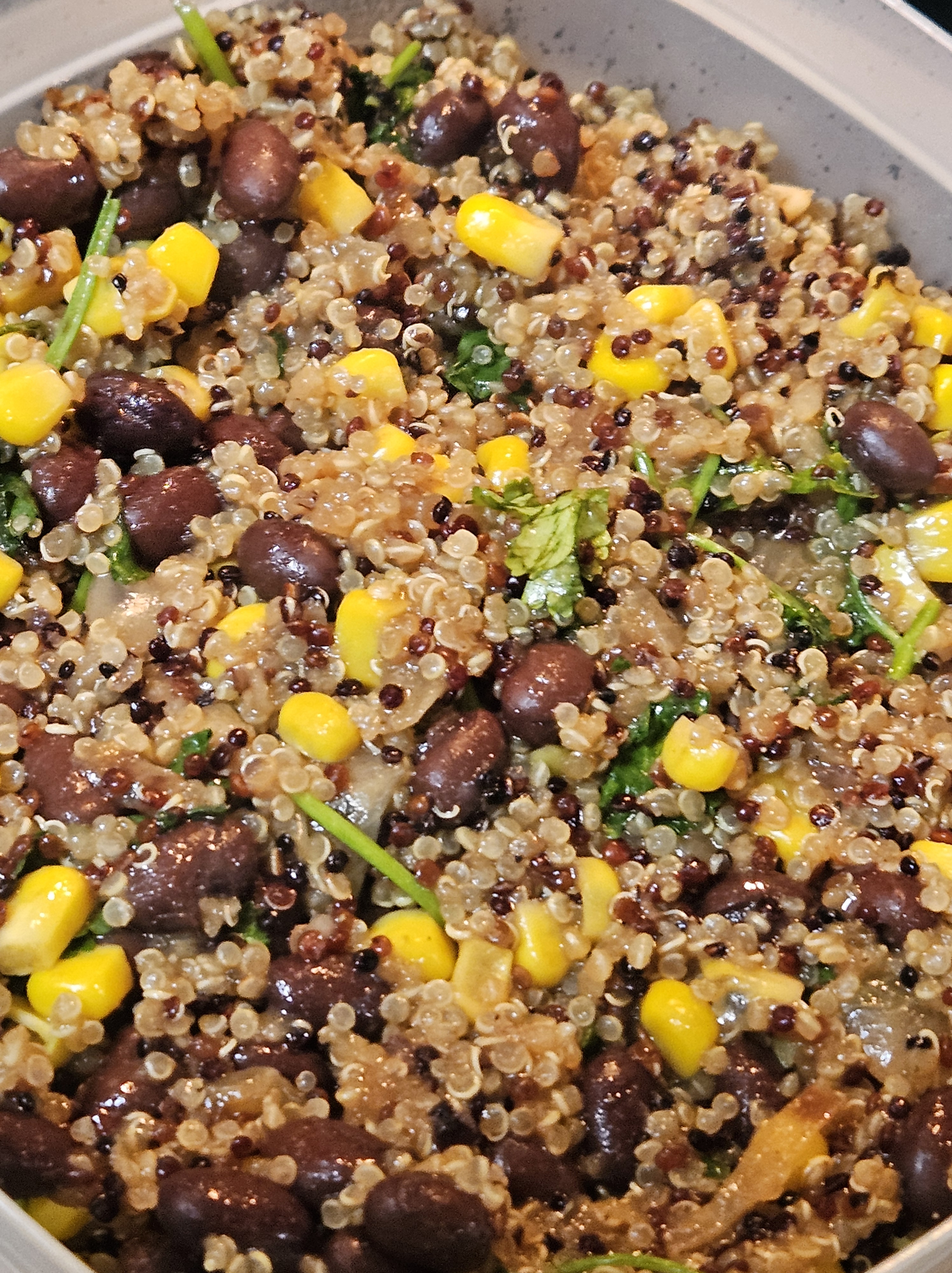
Black Beans & Quinoa
I really like the flavors of this Black Beans and Quinoa. It takes about 20 minutes to cook this. It starts with a lot of liquid, but by 20 minutes it is just moist, not overcooked, and this combination has a little more flavor than most bases.
The Black Beans & Quinoa are the base of this Hispanic inspired meal. This meal will also include a homemade guacamole, that may be blended smooth in food chopper. There is also the meat component that may have diced tomatoes, or chopped chilies, diced onion & chopped cilantro. The meat is usually ground beef, but might also be chicken, or even diced pork if I have it.
I might make a couple of tacos using blue corn taco shells, or just use blue corn tortilla chips.
Thick Cut Pork Chop, Fried Okra & Red Cabbage Slaw
I stopped by Lee’s Fresh Market near Benson this afternoon and bought a couple of Thick Cut Pork Chops. A great price again at only a little over $3 plus tax for two thick pieces of meat. They did look like they had a little more fat that the ones I’ve purchased before, but they tasted great. I did a London Broil on one of them and it looks like I’ve got enough meat for 3 meals for each chop.
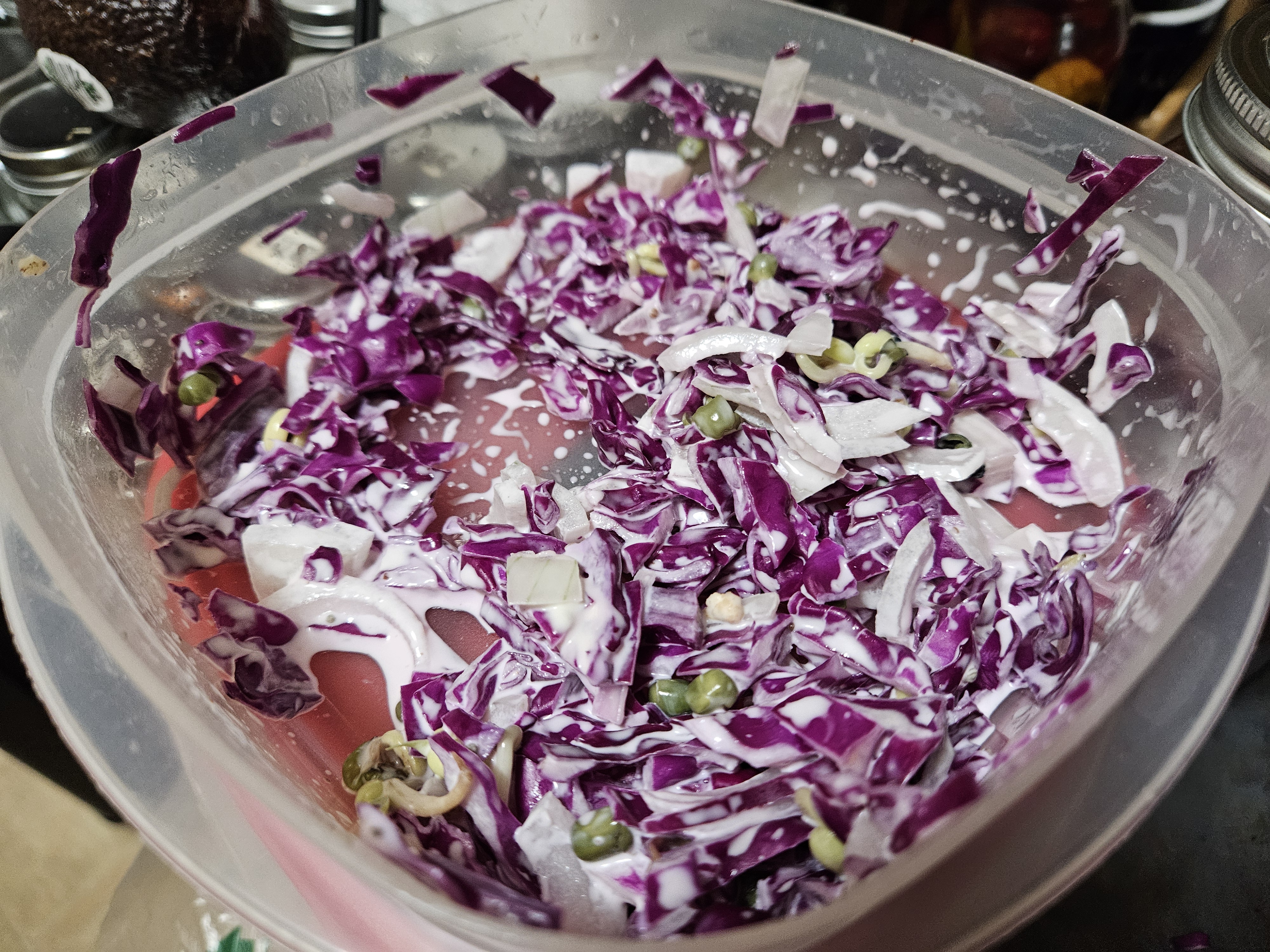
I had bought some fresh okra at Pate’s a few days ago, and I had already diced most of them, along with some onion and put it all in a Rubbermaid container in the fridge. I had also already made some Red Cabbage Slaw with Mung bean sprouts. Little did I know how wonderful these three items would work together in this meal. This is one of those meals that I just have to keep saying, “Boy that’s good,” and I take each bite. Nothing fights anything and the flavors all scream, “this is delicious.”
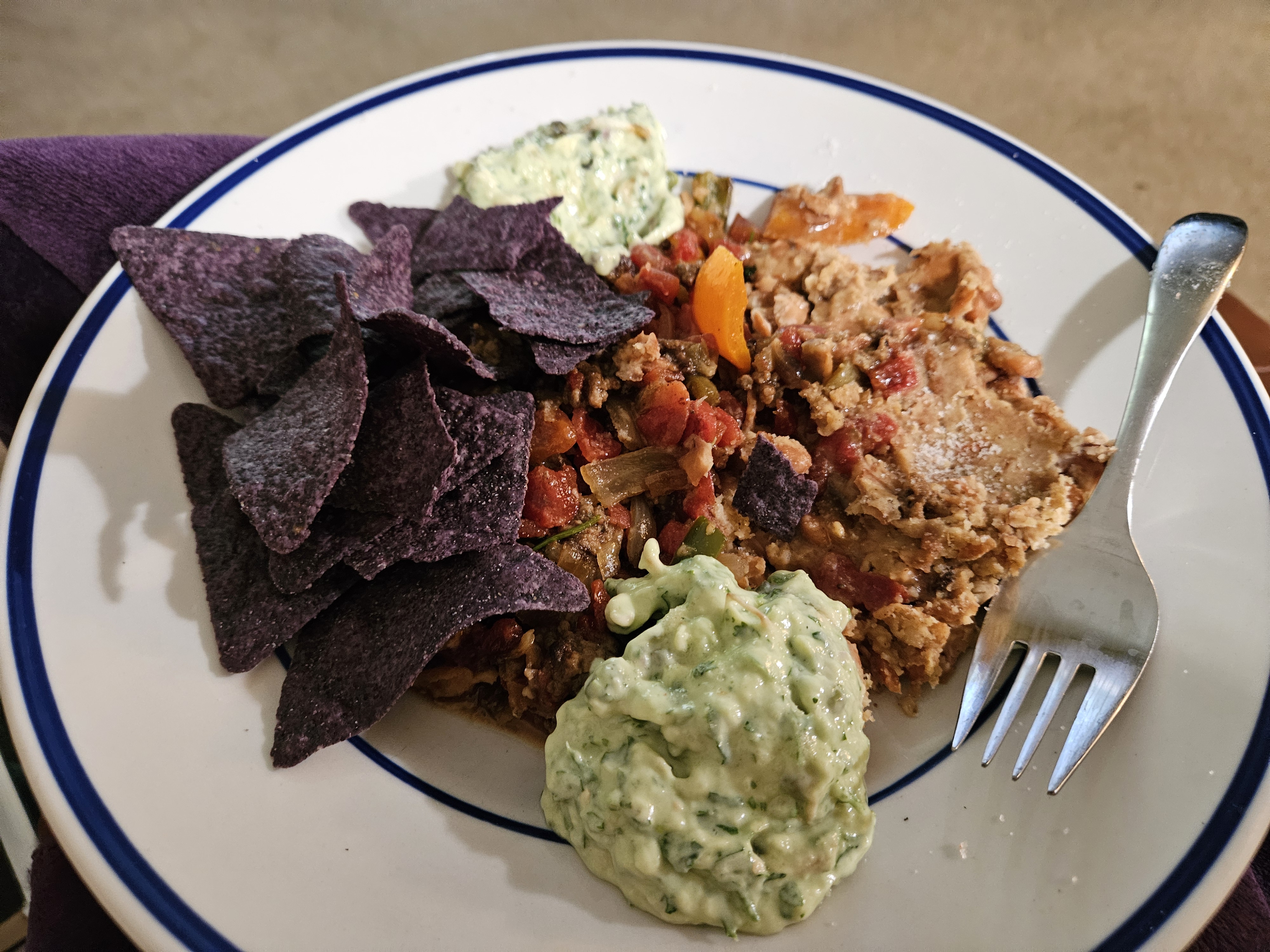
My Mexican Meal
The Mexican Meal is simple to make and has three major components: Home made refried beans using either Pinto or Black Beans, homemade quacamole w/ onion, chopped cilantro & ground cumin, and the ground beef mixed with diced tomatoes & green chilis. The meat also has chopped cilantro, and diced onion & either sweet bell pepper or perhaps jalapeno and/or poblano peppers. *And if I have them, I like to add a few chopped Aji Dulce peppers (from Compare Foods). They have a unique flavor and are not hot, or very hot.
I made my Mexican Meal using Black Beans recently and they came out looking almost like blue corn. I actually enjoyed the pureed Black Beans better than the mashed Pinto beans. *Another important note is that I have not found any refried beans that don’t already have a large amount of sodium included. You can buy Pinto or Black Beans with low or no sodium, mash or puree them yourself, and then just add back whatever salt you desire. The refried Black Beans took on a deeper flavor than the Pintos I’ve been using.
I don’t think I’ve ever named a post, “New Things I’ve Tried,” but it is possible. I’ll just have to search my site to see if anything comes up.
Pate’s / WalmartCompareAmazonHarris TeeterAldi’s
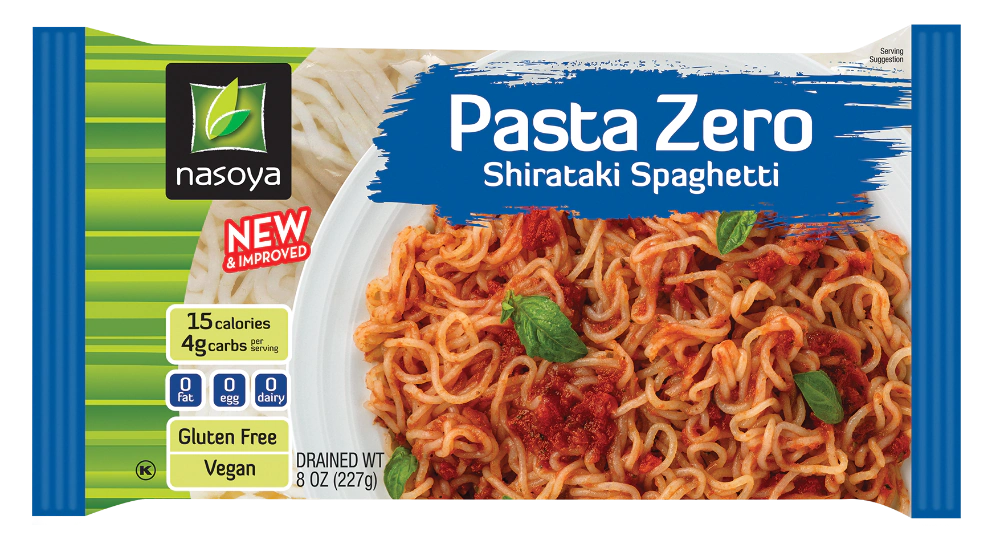
Nasoya Shirataki Spaghetti – Zero Pasta 8 oz (June 2025)
Shirataki are translucent, gelatinous Japanese noodles made from the corm of the konjac plant. I was pleasantly surprised by how much like regular noodles these looked like, felt like and tasted like. *My first test was to make some Spaghetti & Clams with Knorr Pesto flavoring. It was just as satisfying as if the noodles had been made with wheat flour. They cost about $2.50 for the 8 oz package in the freezer section at Harris Teeter. Expensive, but also satisfying.
As my second test, and there was only enough of the noodles for two helpings, I made some spaghetti sauce, with RAO’s Marinara Sauce as starter, and some diced Fire Roasted tomatoes, ground beef and finely diced onion. I had some red bell pepper and a couple of raw garlic cloves which I diced. Oregano, Italian Spices, Fenugreek, Garlic & Onion powder, and some red pepper flakes. It was a good tasting sauce, and for homemade spaghetti sauce and Shirataki noodles it was perfectly fine. The noodles are pleasing… but I may have come to the end of my enjoying a spaghetti meal, and I don’t think it’s the noodles.
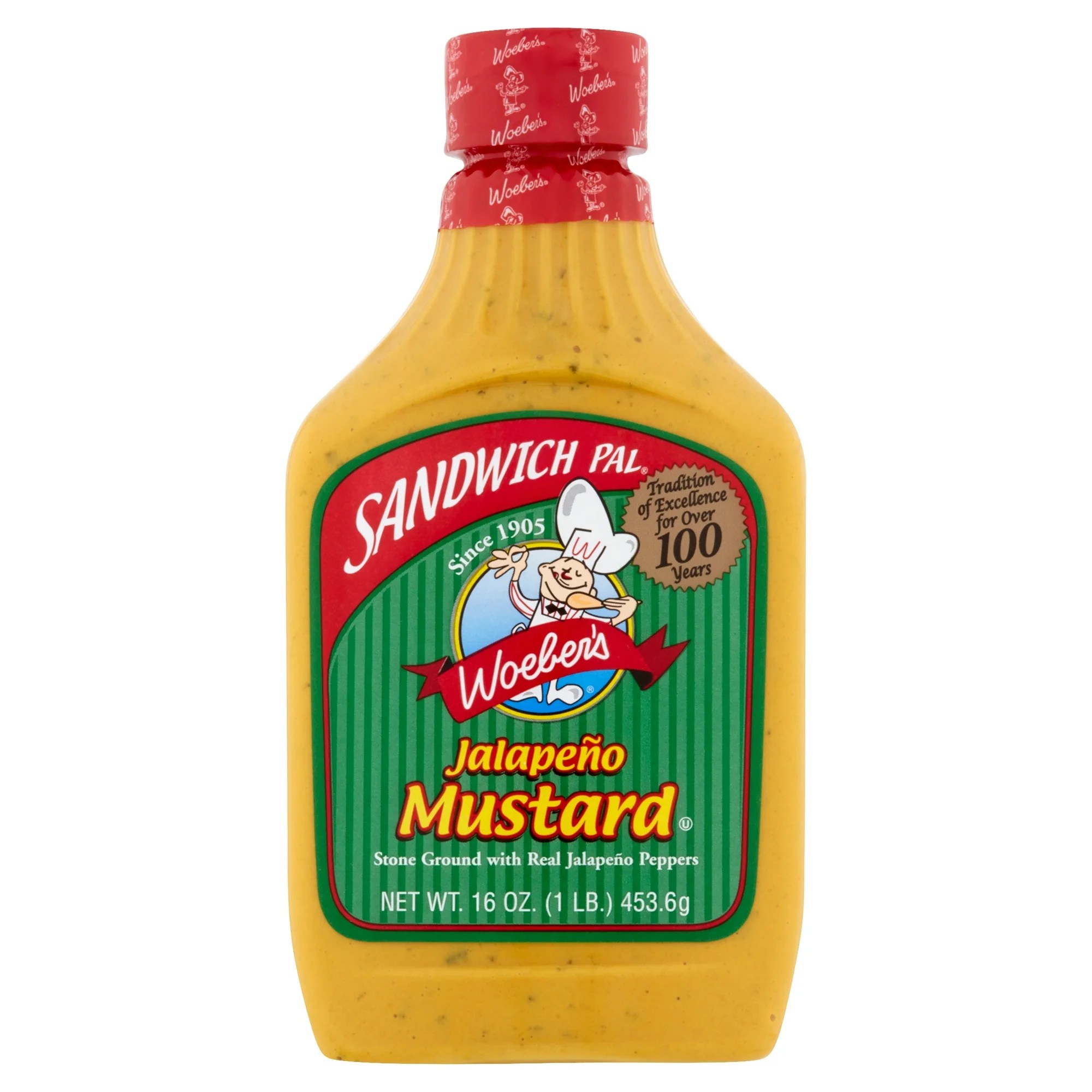
Woeber’s Sandwich Pal Jalapeño Mustard, 16 oz Squeeze Bottle [June 2025]
I was in Pate’s Farm Market a few days ago and as I was nearing their “meat” wall, I noticed a display for various condiments by the Woeber’s Company. I think they were each about $3+ and I noticed the Jalapeno Mustard and decided to try it. *I just saw that Walmart has it listed for under $3 so if I buy another bottle, and it looks like I might, then I will try to get it there.
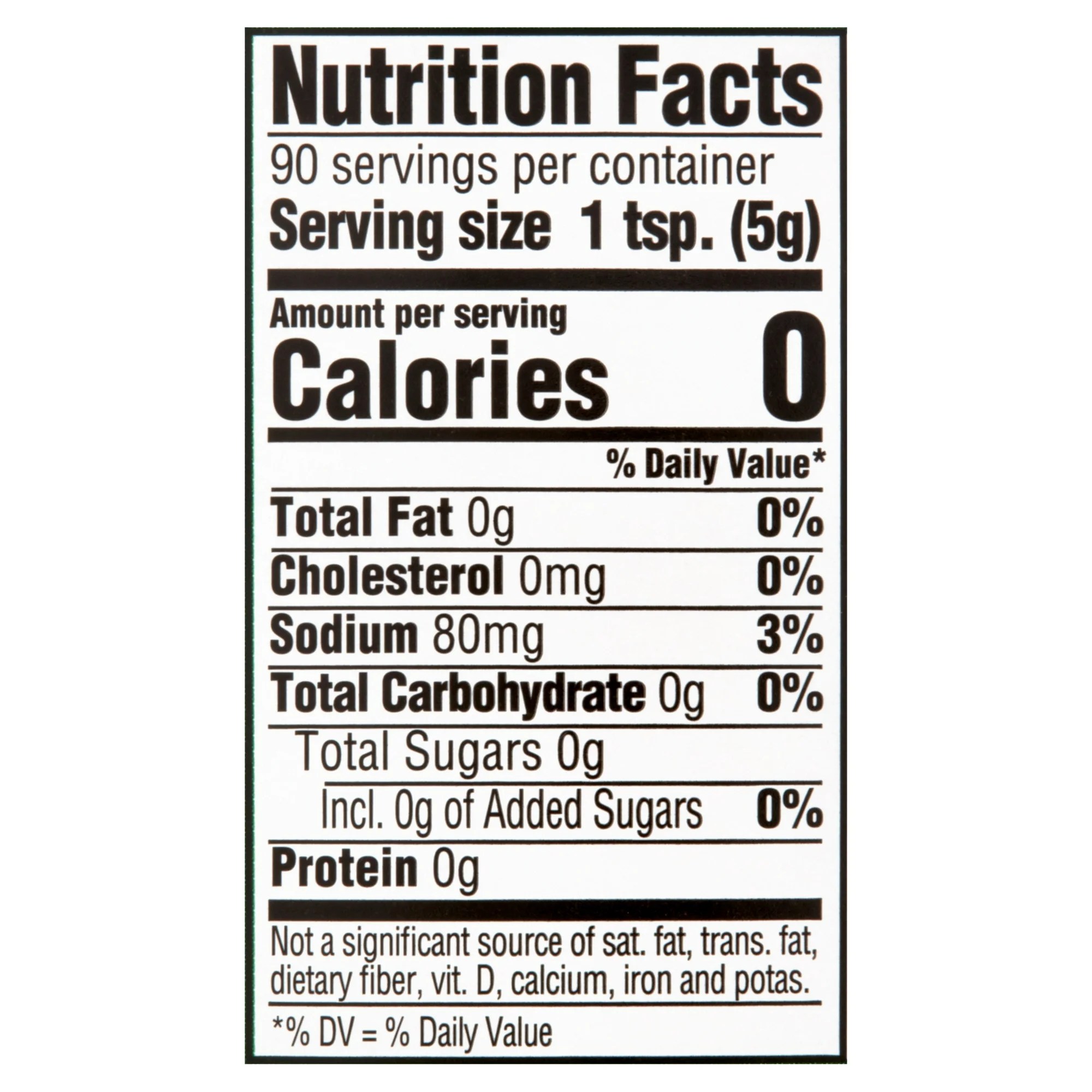
Sodium is about the only thing this product offers nutritionally and only 80 mg per serving, but a serving is 1 tsp. Even calories & sugars are 0%.
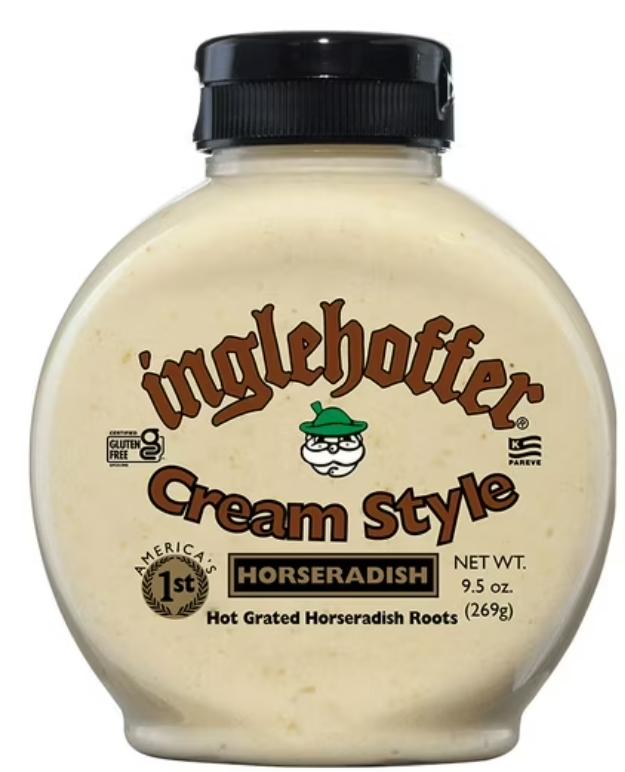
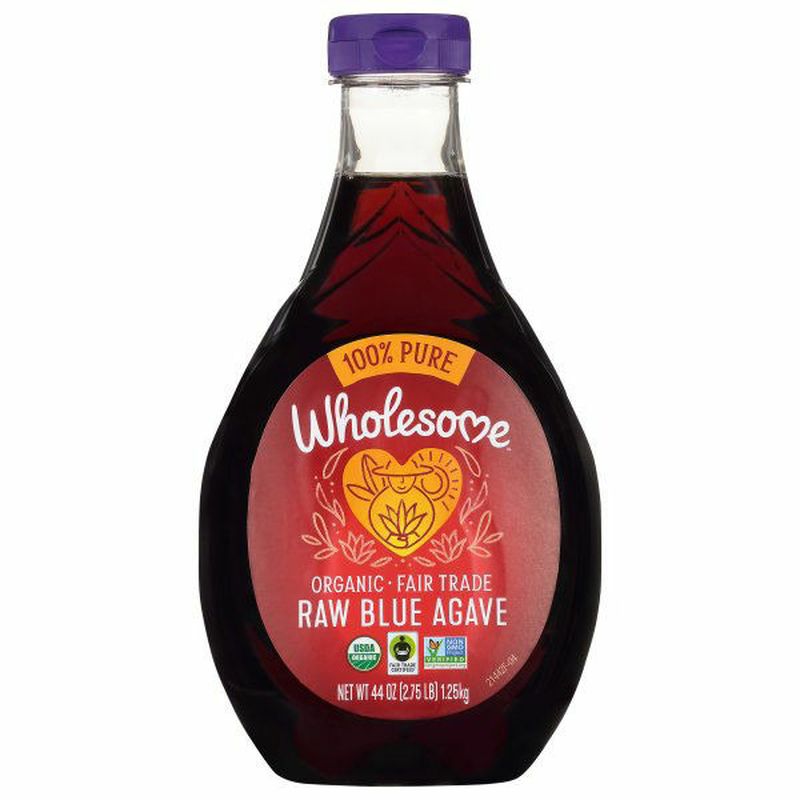
It is a spicy hot yellow mustard, but I’ve already found that I like to mix it with the Inglehoffer’s Creamy Horseradish, and throw in some Agave Nectar, Stevia, and Equal for sweetness. I use a Ingelhoffer squeeze bottle to mix it. It does go well with a slice of sprouted bread and a slice of Hatfield’s Sliced Ham. I’ve made a sweet horseradish mustard before, but this threw in a slightly hot element. *And, just about as quickly, I fell out of love with the extra spiciness. I still like mixing the Inglehoffer’s Creamy Horseradish, with French’s Yellow Mustard and some sweetener like Agave Nectar and/or Equal.
Coriander Cilantro Paste by Perù Food [June 2025]
I was in Compare Foods yesterday and got stymied by their closing off a large part of their vegetable refrigerated wall. Don’t know if something had broken down, or if for cleaning, or some other reason, but there was yellow tape blocking access at several aisle points. And there were not peppers where the Ajicito peppers had been previously. *And after several years of saying they should put an accent over the “é” in “Compare,” as it’s obviously a Hispanic chain, I googled and realized that adding the accent to the e wouldn’t make it more Spanish, but that it would be more French, so that joke is gone.
So I trudged on and looked more closely at their pork sausage wall. The only thing to note, was that they pay more for many things. Not just their cans of chipotles. And I saw no “low sodium” Pintos, and even if I had, I would have expected them to be more expensive than Aldi’s or LIDL.
But, I did see a small jar of “Coriander Cilantro Paste” and the Company apparently, “Perù Food.” It was under $4 and I decided to buy it because I’ve been using a lot of fresh cilantro leaves in my current favorite dishes.
It is murky green and I’m not sure it is actually the flavor of cilantro ground up, but is distinctive enough. I’ve put some on a sandwich and it was good. I also put some in the hot sausage/cannellini beans/shrimp soup I make and I think it added positively. *I think I even tried mixing a little of it with the creamy horseradish… not bad, not sure yet.
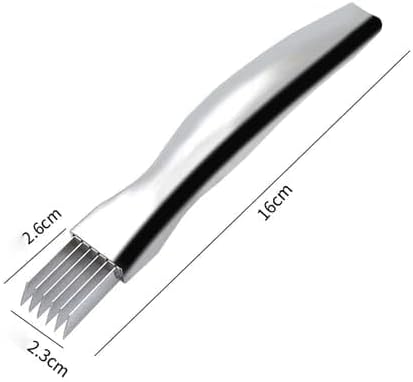
Shred Silk The Knife
I just ordered one of these. Saw it in a video on Amazon and it immediately caught my interest. The first instance was under $7, but I later saw that the shipping was not free so I deleted it from my cart. But then later I saw what appeared to be a 2 pack of the same shredder and it was only a little over $7 and the shipping was free, and by tomorrow, so I placed the order.
It looks like it makes fast work of making shreds of various veggies, onion/carrot/peppers, but I’m also thinking this might make shredded, roasted rotisserie chicken a breeze. And with my current interest in blue corn tacos, a little shredded chicken would be an excellent alternative to seasoned ground beef.
Bionaturae Sourdough Pasta Noodles
I bought some of this at Harris Teeter earlier today and fixed some spaghetti sauce for lunch. I liked the texture & flavor of this pasta. It’s pricey, about $5 or $6 for 12 oz. I cooked a 2 oz. helping of this pasta, but probably left a .5 oz. portion uneaten because I didn’t want to eat too many carbs or spike my blood sugar. *This morning my resting blood sugar was 109, so that’s in my “new normal” good level. But, I realized this morning that the spaghetti sauce and pasta wasn’t as satisfying as it has been most of my life. It’s no longer in my meal rotation.
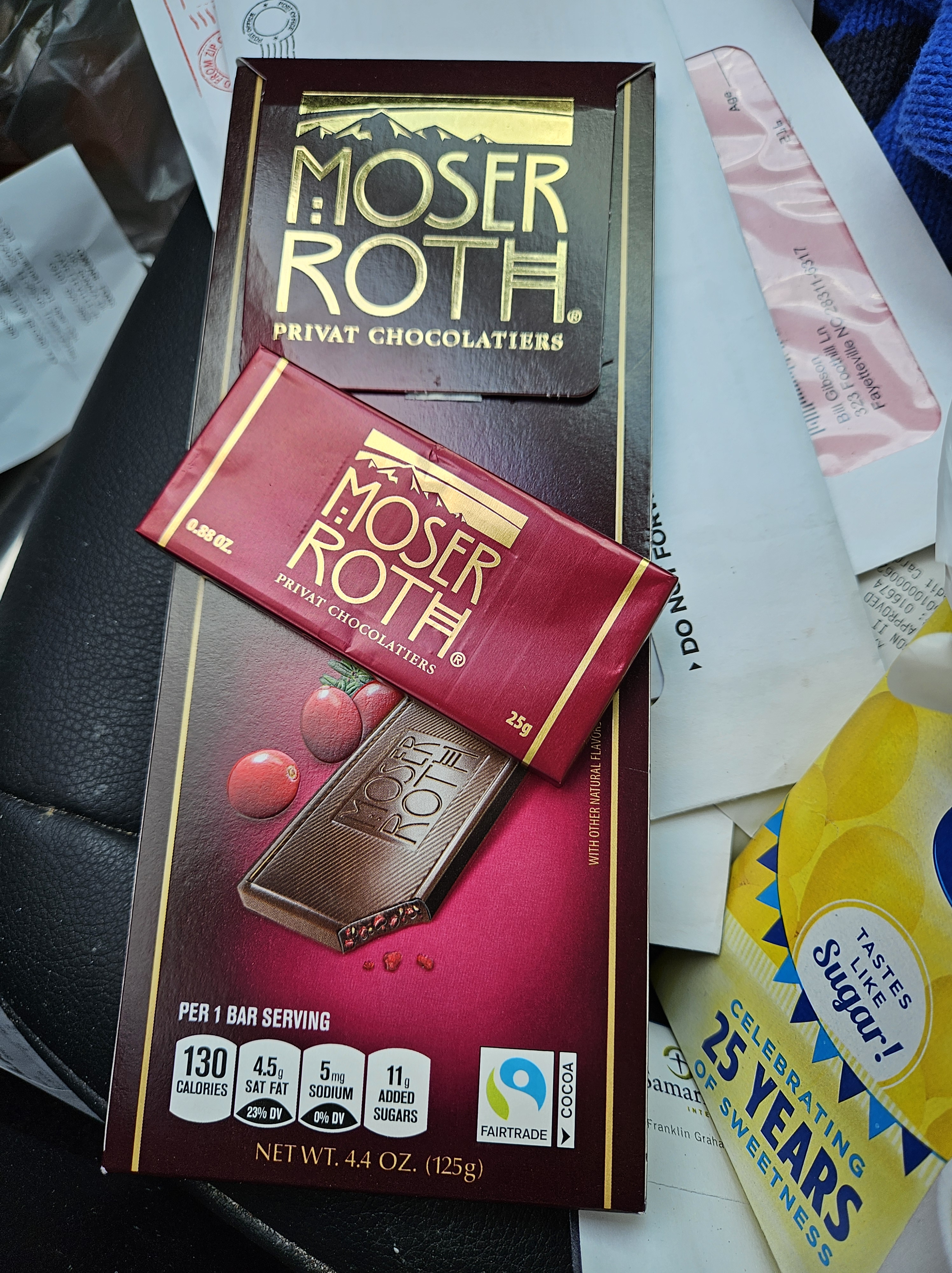
Moser Roth Dark Chocolate (cranberry)
I recalled from a “Feli from Germany” episode that Aldi’s has good prices on their chocolates, but that was some time ago. I finally thought to look at some of their chocolates and I decided on the Cranberry Dark Chocolate. There were 5 individually wrapped packages in the one big package. It is sweet enough for dark chocolate to be pleasurable to me. I would buy this again.
After I rechecked the nutritional values for this, I’ve had to nix it. But, like the Oatmeal Cranberry cookies, enjoyable but messes either with my weight or my blood sugar. Buy and eat sporadically, or give away most and get “just a taste.”
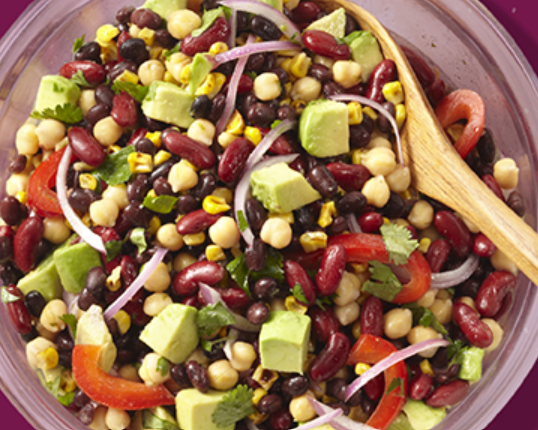
I saw this photo on Amazon. I was looking at low sodium beans, and this image looked delicious. I asked Gemini (AI) to list the ingredients, and it added the possible dressing ingredients.
Ingredients:
Beans:
Black beans (likely canned, rinsed and drained)
Kidney beans (likely canned, rinsed and drained)
Chickpeas (garbanzo beans, likely canned, rinsed and drained)
Vegetables & Aromatics:
Corn (kernels, possibly fresh, canned, or frozen and thawed)
Red onion (thinly sliced or finely diced)
Red bell pepper (diced or thinly sliced)
Avocado (diced)
Cilantro (fresh, chopped)
Possible Dressing Ingredients (implied by a salad):
I periodically forget about a bunch of photos I’ve posted to Flickr. Not even sure I could login to mass download them.
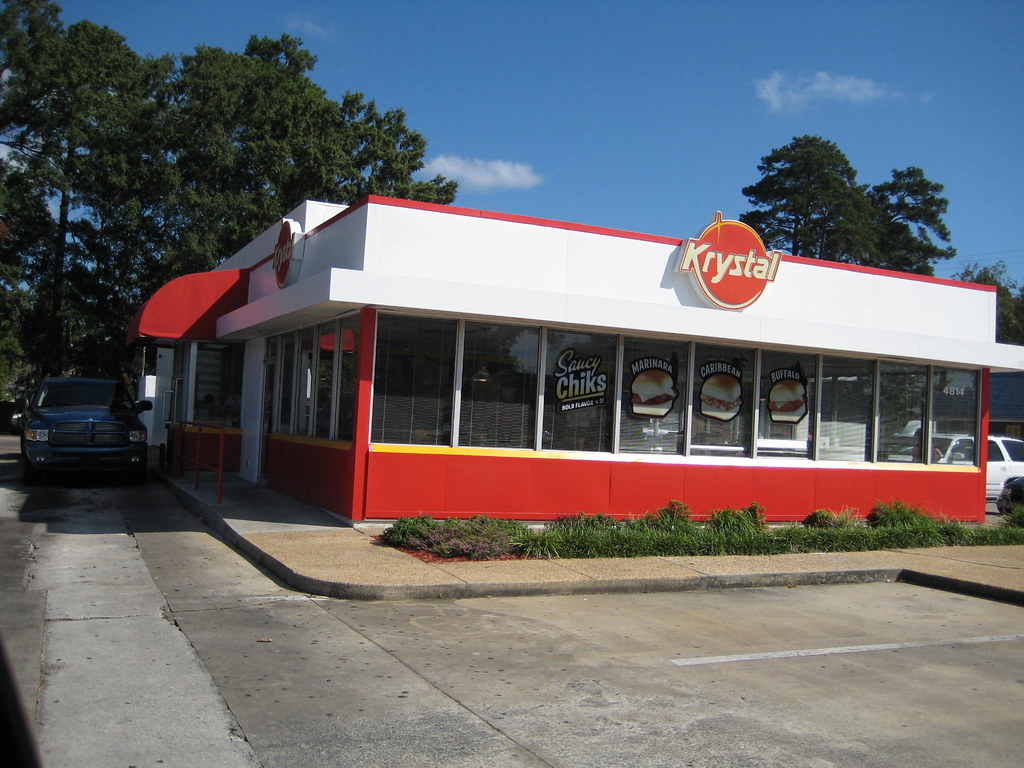
KRYSTALS RESTAURANT (PORT WENTWORTH, GEORGIA)
I would stop here to get a sack of Krystal’s hamburgers. They were small and square and juicy and had chopped onions on them, and they were a delicious comfort food. White Castle in the north and Krystal’s in the south. I think the first and the last White Castle’s that I visited was probably in Louisville, Kentucky.
PUBLIC ART IN MAIN POST OFFICE (COCHRAN, GEORGIA)
I was passing through Cochran, Georgia one time and stopped in the Main Post Office to mail something. The above art work was hanging up on a wall. I later found that it was a Government funded art work, Like the work programs that the Government funded during the Depression to give people work.
I take it to be of a little barefoot colored farm boy that is carrying a pig under each arm, and is standing between corn stalks on his left and perhaps cotton on his right.
SWEET GRASS DAIRY & THOMASVILLE, GEORGIA
Oneida Stafford Pattern
This was my first visit to Thomasville, Georgia and Sweet Grass Dairy. They still produced both goat and cow cheeses, but later they stopped making goat cheese. At the time, they allowed the public to visit the actual dairy where the goats were located and were fed. I had brought a couple of ice chests, and bought quite a bit of cheese. I see from another photo that I was driving my blue & silver Dodge RAM 1500.
On a second visit they had built a new store, a short distance away from the actual dairy farm. At that time I bought several bottles of Pecan Oil. I think they were on special, and I made presents of them to Mary Ann and family.
It may have been the second visit that they had opened a restaurant in downtown Thomasville, and now I don’t think the shop near the dairy is still open. They’ve focused on the restaurant and the cheese seems to have taken a back seat. The boy’s parents were still involved in running the dairy on my first visit, but they may be dead or retired by now.
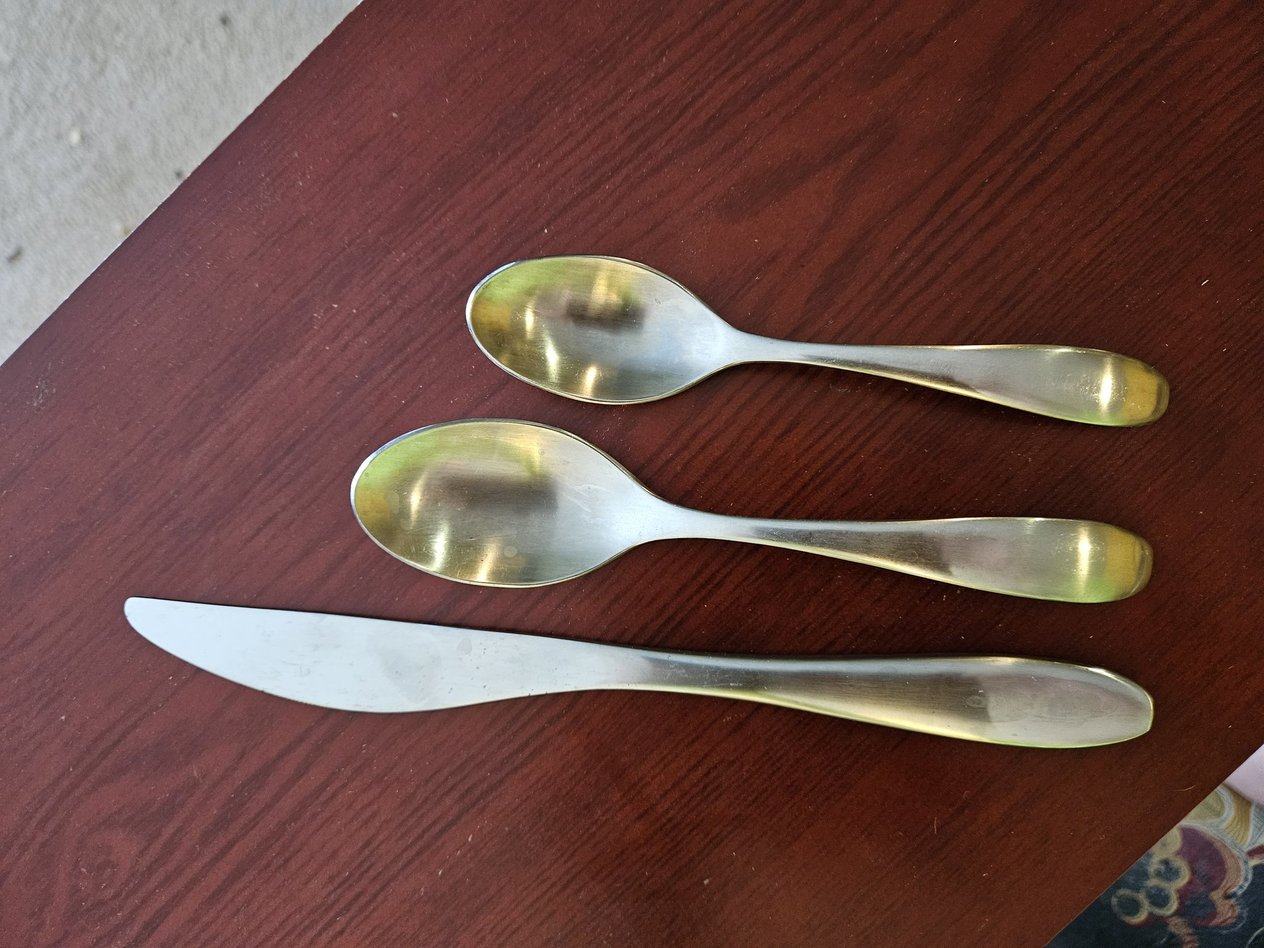
I ate at Liam’s in downtown Thomasville on my first visit, but on a later visit it wasn’t open and I ate at a seafood restaurant, Jonah’s, next door and enjoyed that much better. I think I had a lobster bisque, and I also liked their heavy silverware so much that on returning home I bought a similar set at the Oneida Store in Smithfield and have continued to use it daily ever since.
BILTMORE SUMMER FLOWERS (2004)
My first visit, a few days late. c Spring 2004Next visit, summer plantings c Summer 2004
I think these are from my summer visit to Biltmore in 2004. My first visit was in the late spring of 2004 and I missed out on the spring garden plantings by a few days. Where you see the beautifully laid out flowers, there was just tilled earth. I decided to convert my day’s ticket into a year long pass, and returned four times that year, visiting also in the summer, fall and winter & taking the Christmas tour also.
I didn’t know that a large number of tall trees in front of the mansion had been diseased and removed before my first visit. It was only years later that I was watching a movie that was filmed on the grounds and saw the beautiful old trees, which totally changed and blocked a good deal of the view of the mansion’s entrance.
I’ve also visited the State Arboretum in Asheville, just off the Blueridge Parkway, a few times and they also have a great number of beautiful flowers, foliage and even Bonsai. I also like to stop by the WNC State Farmers’ Market. That’s where I got my bright yellow Cara’s Corner bag and Cara’s Corner is where I bought several “new to me” types of dry beans, all of which weren’t as good as, or better than the favorites that have worked their way to the top.
From the parking lot.Just one of many examples of Bonsai.Sponge Bob enjoying a morning shower.Ramps @ WNC Farmers’ Market
Ramps have an interesting, strong, distinctive flavor, which is as different from onion as garlic is. In fact if you were blindfolded and given a taste & smell of an onion, garlic and ramps, you would easily be able to tell all three apart. Ramps are odd in that they have a narrow white tuberous (like a spring or wild onion) root, but their tops have a broad green leaf. You can cook & eat both the root (after removing the dirt) and the green tops. I’ve cleaned and then frozen both the roots and tops for later use, and once I actually mixed new potatoes, goat cheese and ramps as a side dish. It was delicious.
Ramps only grow above a certain elevation in the mountains, and are only harvested in early spring.
AMTRAK TRIP TO GEORGIA & BACK (ONLY TRIP ON A TRAIN)
AMTRAK Fayetteville, NCChevy Cobalt Rental St. Simon’s Island, GAWater’s Edge Restaurant Charleston, SCA RORO off of St. Simon’s Island, GALighthouse St. Simon’s Island, GA
This is the Amtrak Train I took from Fayetteville, North Carolina down to Savannah, Georgia. I picked up the yellow rental car there, because it was cheaper there than if I had picked it up in Charleston, South Carolina. Seems like there was a holiday during this jaunt as I think schools were closed. The car is parked in Spivey and Yvonne’s driveway at St. Simons Island. I returned the rental car in Charleston and then took the Amtrak back to Fayetteville to finish my trip. *Not sure if I ate at the Water’s Edge on this trip. This is where I originally tried the “curry remoulade” sauce on a Shrimp Po’ Boy and then came back home to replicate it for many more, and different sandwiches.
Spivey has been dead for several years and Yvonne eventually moved back to Florida and I think is living with Vivian Sue, her youngest… but even Vivian Sue would be an old woman now.
I took the photo of the ship when I had walked to the waterfront of the village on St. Simons Island. I believe this is a large ocean going car carrier, a RORO. I’m not sure if it is the one that eventually sunk, but it was one like it that did sink. Someone had left an exterior door open and when the ship began to list, the water came in the open hold door and the vessel fell on it’s side.
I like this picture of the sea gulls in front of a Target store in Jacksonville, North Carolina. I took it on a cold winter day and had noticed that all the gulls were pointed in the same direction. Not sure if they were facing that way because of how the wind was blowing, or for some other reason. But later as I looked at the picture, it just made sense to label this picture as “Missing the Target.”
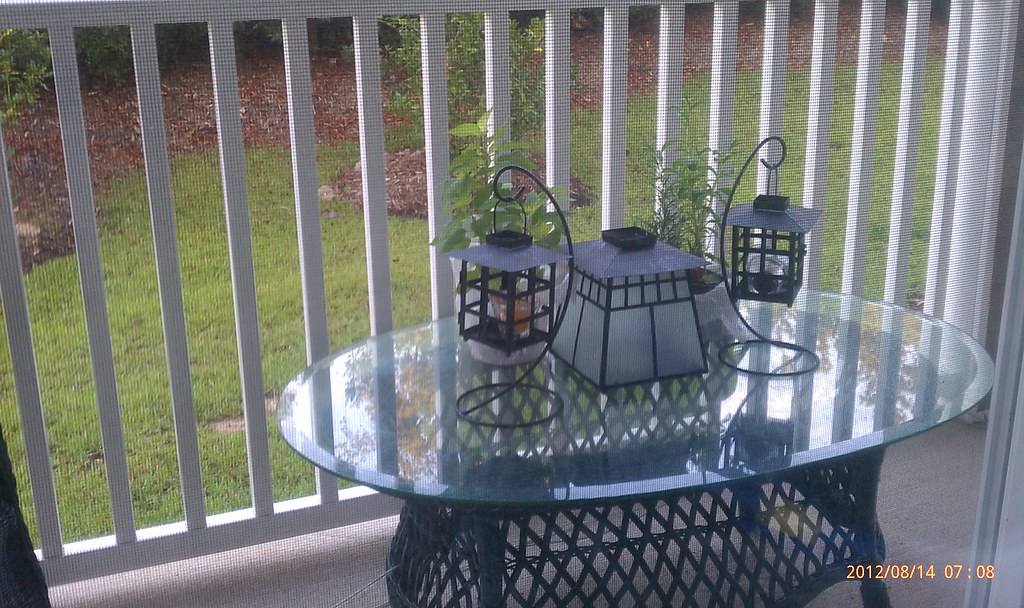
I loved the oriental motif that I created for my patio table. Not too long ago I donated the lamps to the church thrift store. They had been packed away for several years.
I think I bought the striped tea pot and the gold rimmed Turkish Glass glass on the same visit to a New Bern antiques store. I enjoyed visiting this store and roaming around it, but a few years ago I started to drive up into the parking lot and noted that the entire building had burned and been totally removed. Just a small portion of the parking lot was still recognizable.
As I walked in the front door, I looked over and saw the beautiful gold rimmed glasses (there were two) and I immediately took them to the checkout counter so they could keep them while I roamed about the store.
Why would I buy the old striped tea pot, that had a broken ceramic loop that had been poorly repaired? Well, and it is the reason that I still have this tea pot when I have recently given most of the other tea pots away… it has a wonderful sound, when you put the tea pot lid on the pot. It is what I note as a quality sound, like what I would think a Cadillac automobile would sound like, when you closed a car door. Not the sound that a cheap car door sounds like when you slam it shut. *I’ve recently donated several tea pots and quite a few coffee/tea mugs/cups.
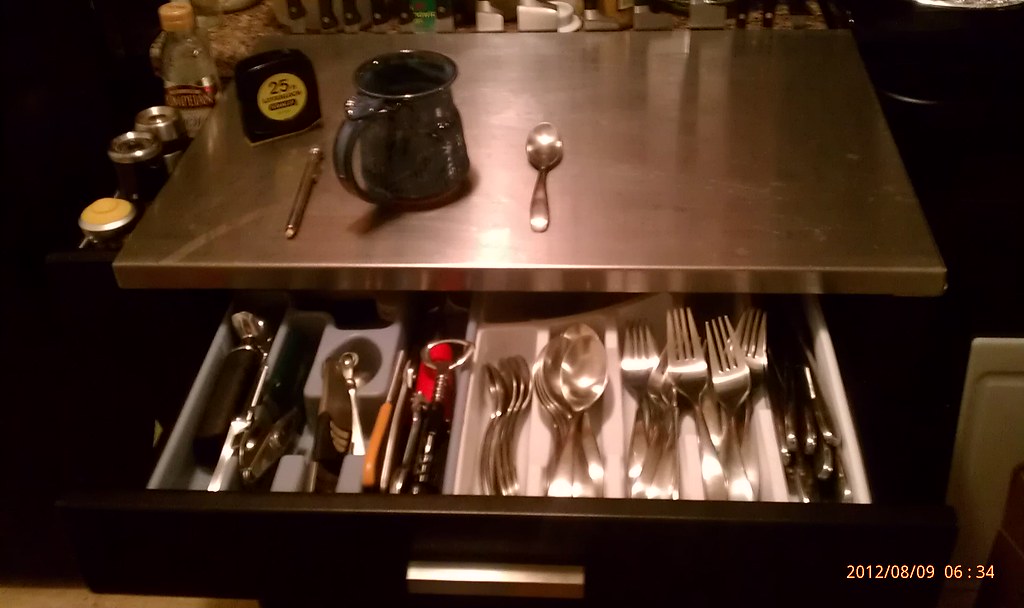
And finally, the mobile kitchen cart, and it hasn’t looked this good in several years. I now have it in one corner of the small kitchen, in fact the only corner it could actually fit in, and there is a bunch of stuff on top of it. I think the mug on the cart top is one that I’ve still kept. It is a blue, large mug and probably holds two cups of drink. That’s the Oneida Stafford Stainless cutlery that I use daily, and the one that was inspired by my visit to Jonah’s Restaurant in Thomasville, Georgia.
It is amazing that I actually drove all the way down to Thomasville just to visit and buy various cheeses at the “Sweet Grass Dairy.” And perhaps more surprising that I would make a couple of more trips to Thomasville, Georgia. Nice town but a long way from home for me to drive, and I probably wouldn’t do it at my age, but then it was a wonderful adventure.
I had not thought about driving up to Greensboro and having lunch at “Sticks -n- Stones Pizza” until yesterday morning. The thought came to me, and I sort of looked at it askance, processing how I felt (physically & mentally) and then I began to embrace the thought more vigorously. *The age of my car and the health of my tires both play a part when I’m thinking about an extended journey, but this not so much yesterday.
Another piece of the travel puzzle came into place when I couldn’t recall what the name of the health foods store was that I had visited looking for dulse, so I went to my WordPress site and did a search and found that it was called “Deep Roots Market” which is a co-op. As I seem to say each time I write about it (only twice that I recall), you don’t have to be a member of the co-op to shop at the store.
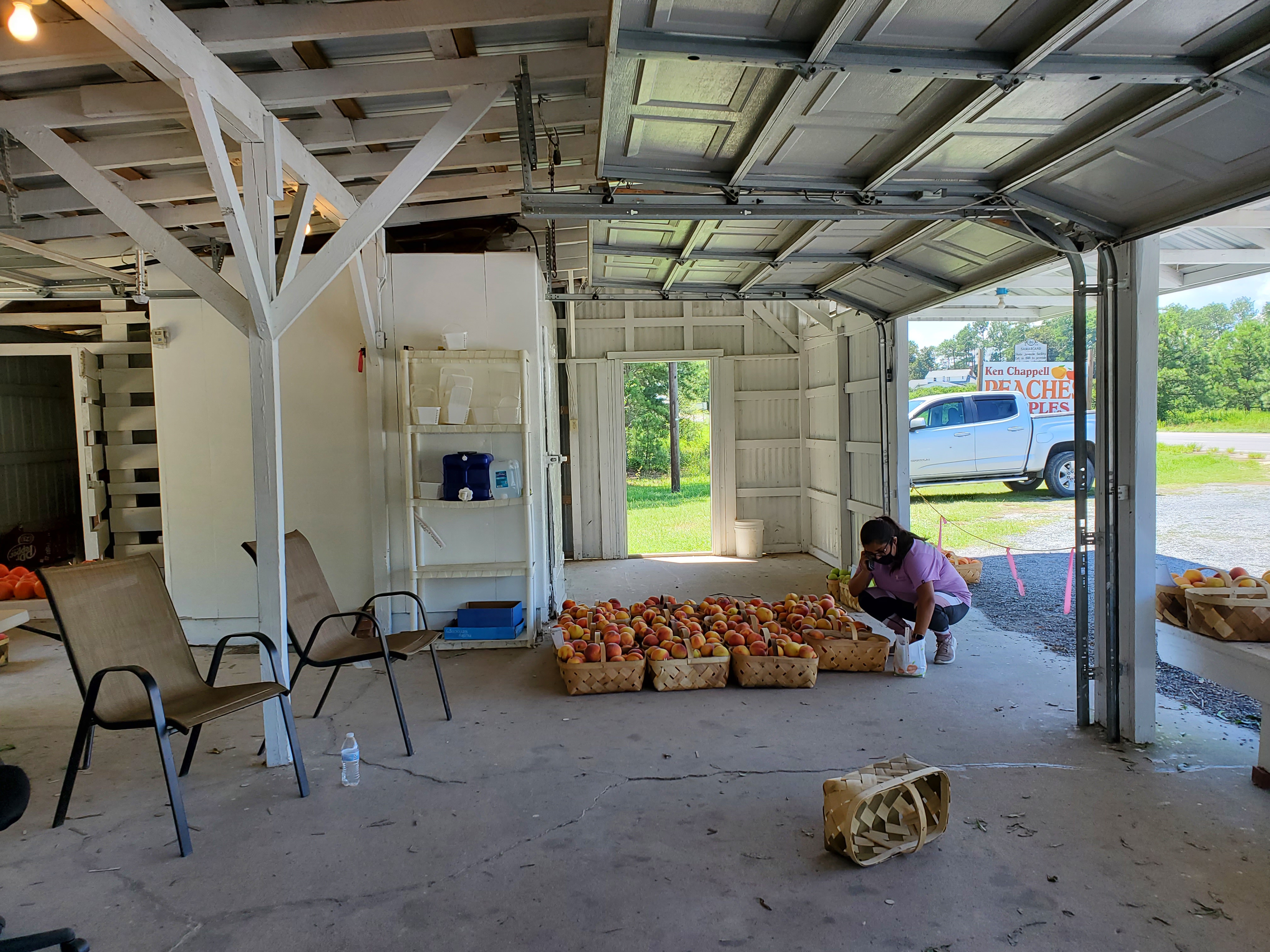
But in the article I noted my stops along the way that day and I had gone to “Ken Chappell’s Peaches” (a long-time road side peach/apple & assorted veggies stand. I have been going here to buy peaches for several years now, and the thought of another visit brightened my thoughts. I was online so I did a search for a web site and found one (another WordPress site) and I read that their first day open of the 2025 season was… yesterday. So, I would be visiting on their second day open, and I even asked the girl when I was there, “So this is your second day open” and her reply was, “yes” with a smile.
Okay so now I knew that Ken Chappell’s Peaches was open for business, and that they were supposed to have three types of peaches for sale this week. “Desiree” was one of them, and the one I ended up buying an $8 bag of peaches. It was a good flavored, first peach of the season, but I didn’t think it finished well. Not sure if I should let them ripen another day or so, to have that finishing sweetness I’m looking for.
I had a quick shower, and I fried some bacon and apples for breakfast and I think I had a cup of Earl Gray tea before leaving.
The trip to the road side stand took about an hour and sixteen minutes. That sounds like a long time, but since I am self entertaining, a good chunk of that journey was spent talking to myself, or rehearsing previous events. Oh, I did stop at “Dunrovin” which is a country store located next to U.S. 1 near Vass, North Carolina. It is uncomfortably near the highway and the fast moving traffic which whizzes by are all rushing to get to Southern Pines or Pinehurst. If a car ever veers off the highway it will be a mess to the front of the store… or death to anyone standing or walking there.
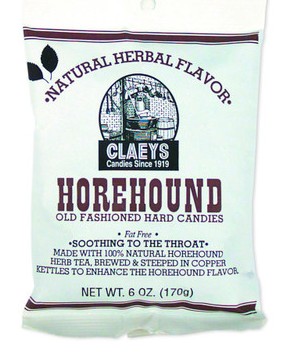
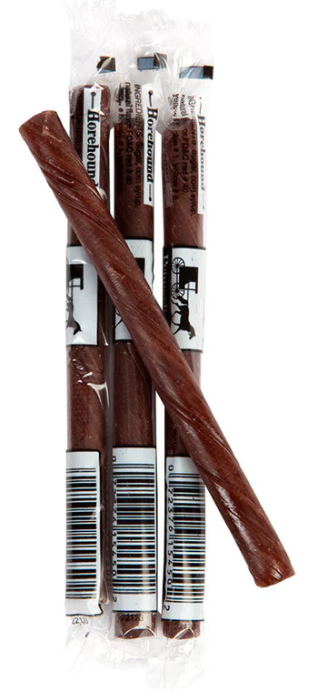
I did a slow tour of Dunrovin half way looking for seeds to sprout, or non-wheat pasta, but eventually only bought one stick of a Horehound hard candy. I’ve bought that at this store before, and it has an odd flavor. I like the odd flavors, and also have some Claey’s Clove drops that I bought several years ago and still eat one about every two months or so. The young man behind the register asked me if I might like to try the Claey’s Horehound candy and walked back to where it was and showed me. This puts him in that “sharp young man” category for me. Not just performing a “brain dead” work day. I asked how much, but told him I would just stick with what I had. It cost a little over a dollar. *The pharmacy in Newton Grove carries the Claey’s brand of candy also. I’ve seen it when I’m sitting eating an ice cream there.
After Chappell’s Peaches, I headed up Hwy 220 and it was a relatively quick trip up to Greensboro, passing by Asheboro, along the way. I went directly to “Sticks -n- Stones” and it was probably just a little after 12 noon when I parked.
Several groups sitting about the restaurant, it is dark and comforting. I was given a menu and told to sit where I would like. I sat at a table next to the front window.
When the waitress came to my table to get my drink order, I told her “water” and before she left I said I knew what I wanted, if they still made it. She stopped and took my order. A “To Be the One” Margherita style pizza with some jalapenos (not pickled).
After a while, not too long a while she brought my small pizza to the table. It looked good and I already had a game plan figured out if it did not meet the standards of it’s former glory. My last two visits had been disappointing. Nothing to write home about, and far from the exceptional pizza that I’ve experienced there through the years. If after my first slice, I was disappointed for the third time, I would ask for a “to go” box, and leave… with the thought of stopping in Asheboro at No.1 China Buffet for a late lunch. But, the first slice was delicious and distinctive enough for me to stay and finish the whole thing.
After lunch I went looking for a cigar store, as I want to find someone who sells the “Avanti Cafe Mocha” small, cheap, coffee flavored cigars that I tried at JR’s (Smithfield), but that JR’s no longer sells. I did visit one cigar store, but it was obvious that there were no cheap cigars in this place. Not enough room so only higher end cigars on display. The store owner, I presumed, was in an extended conversation with a customer, I presumed, but since he never finished that conversation, I did not stay to be disappointed by the answer I knew he would have to give me, “No we don’t carry that brand.”
The Greensboro Cigar Company is located about where the Allstate office is shown in this Streetview.
I did call another store, which I later found was a short distance away, I think on the other side of the street and a few blocks down. I asked about what I was looking for, and the man said they didn’t carry that but he mentioned something, coffee flavored, that they did carry. I thanked him and hung up. *I either will have to find them online, or get lucky at some cheap cigar shop along the way, someday.
At some point, I recalled that I wanted to visit “Deep Roots Market” although the name wasn’t clear in my mind, but the previous pleasant visit was. It’s was a relatively short meander to the co-op’s parking lot and then into the store.
I went to the back where there were the various seeds, nuts, dried fruits, coffees and teas in either jars or bins. I actually bought several things that I had to bag up, and put the dirty little, shiny cast iron scoops in a tray. I bought some fenugreek powder, some dill seeds, dark mustard seeds and some nutritional yeast, and a reddish pungent powder (Berbere Seasoning) that I think might go into some curry or Mexican dish. Not sure if it was a ground pepper, or a mixture of other spices. (I don’t think it was paprika & cumin, but who knows?) *I later googled and got the following, that it is a mixture of the following spices: coriander seed, cardamom, cloves, cinnamon, fenugreek and allspice, with chile peppers, paprika, ground ginger, garlic and onion powder.
The young man asked if I wanted a box (they had previously used boxes of varying sizes near the register). I had forgotten to bring in my grocery bag. The five things I had bagged up fit nicely in the box and I walked out to my car.
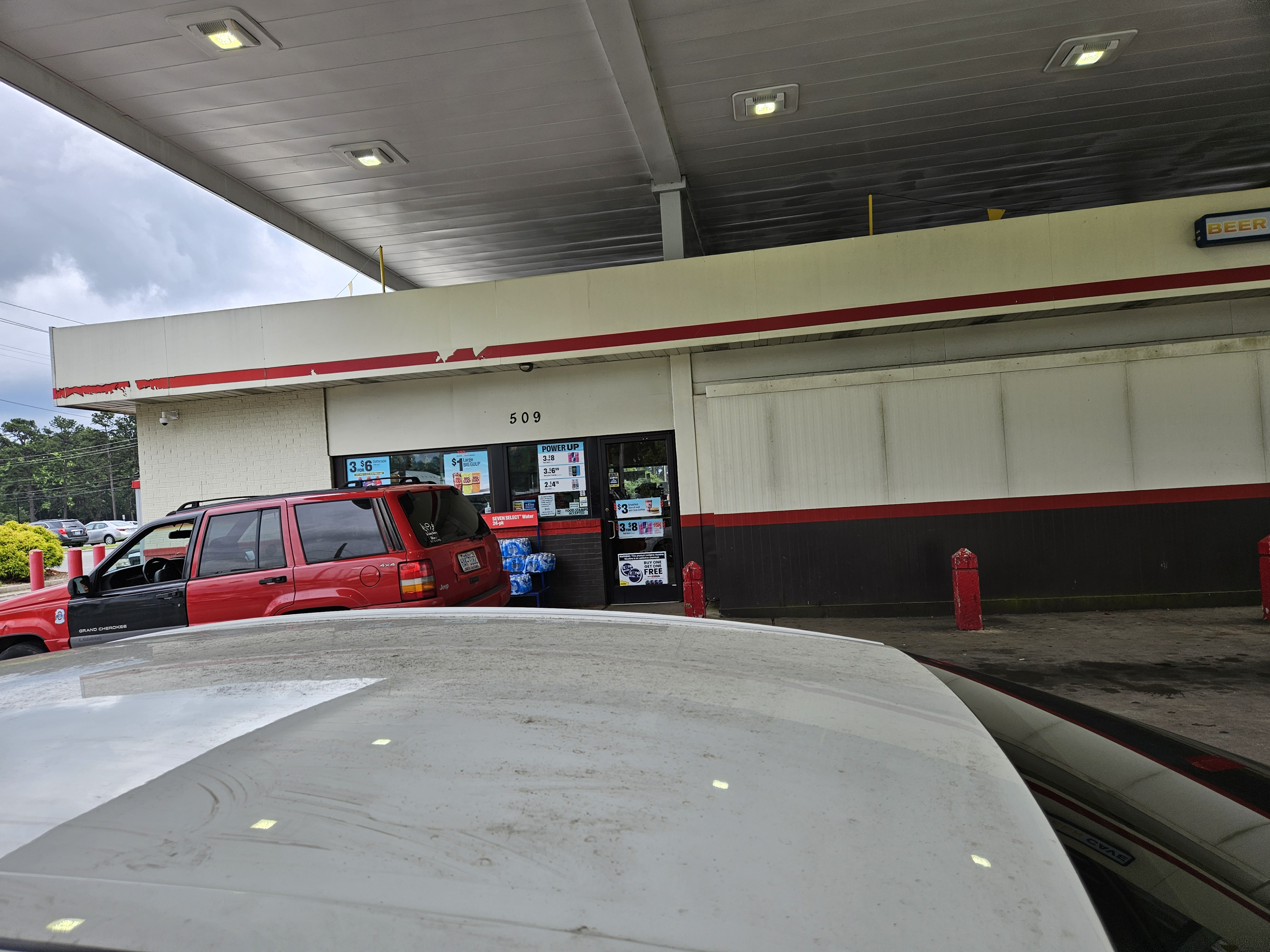
Nothing else in Greensboro that I wanted to visit or revisit, so I headed back down Hwy. 220 to Asheboro. Getting to Asheboro and needing gas, I stopped at a convenience store, that I had previously gotten gas at, my last visit to Asheboro. The pump is grungy.
I’m not sure why I decided to eat another lunch in so short a time after my first one (less than 3 hours) but I did. I went to No.1 China Buffet and had another lunch. All good, and even a little more Wakami Salad which is surprising that they offer this. The oriental waitress was talkative, but it was welcome by me, and although I did not always understand (or hear) her, a pleasant talk, even about the rainy weather.
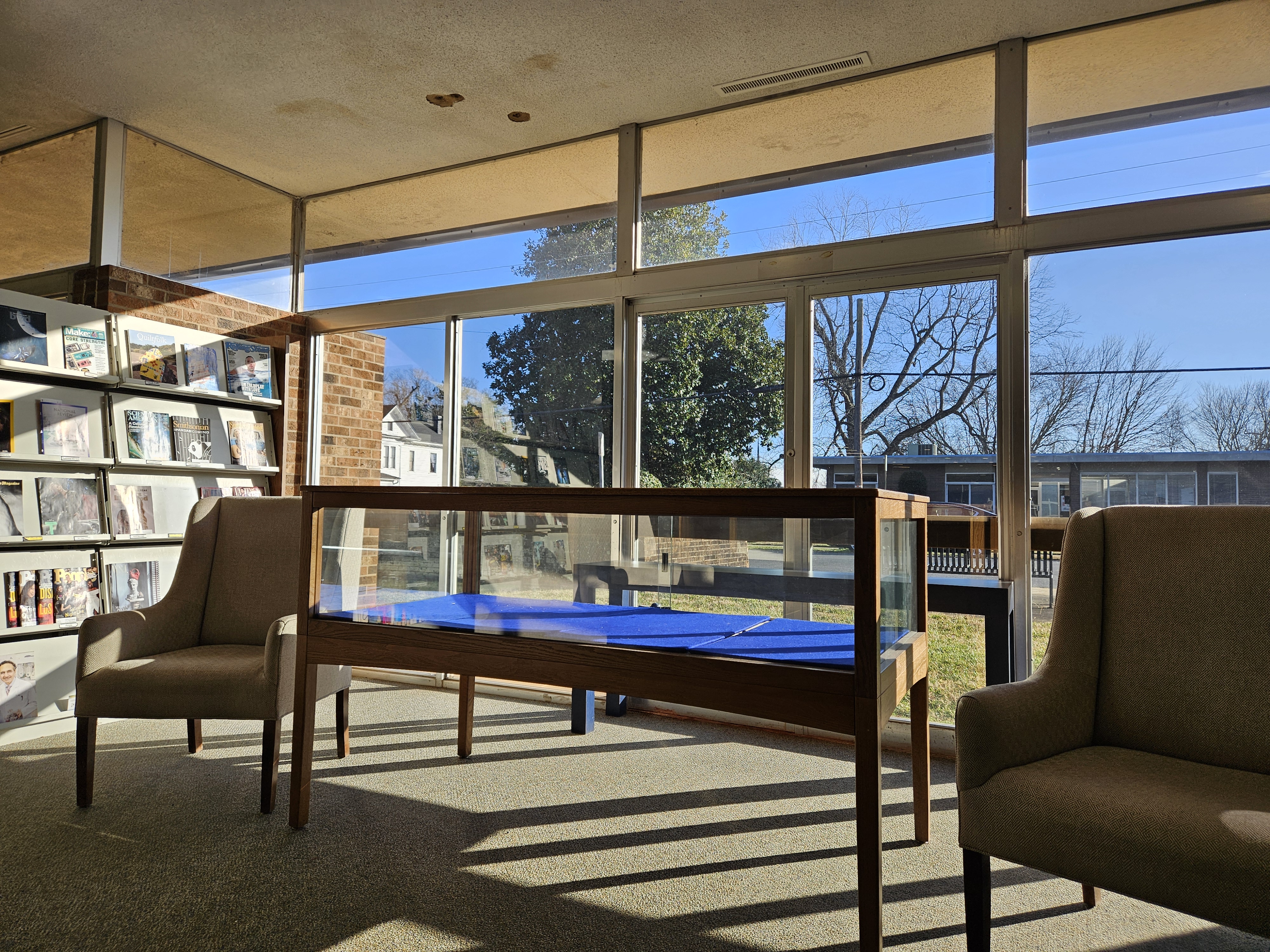
There was a dark sky over part of Asheboro and I even drove through some of it, a hard rain, on the way to the Main Library. And, one the way I began to feel the need to defecate. Yep. The pizza with jalapenos must have been pushed down by the chicken on a stick and the Wakami Salad. I opened my small FSU umbrella and walked up the parking lot, past the impressive water fountain, and into the large sliding glass doors of the library. There are no bathrooms available on the first floor, and you have to find the elevator hidden around the corner at the end of a narrow hallway. You could walk up the impressive marble staircase, but I don’t think that would be pleasant either going up or down with my stiff knee.
By now I really needed to use the bathroom, and I saw both stall doors were open so I went in the smaller stall, the other being for handicap use. I put my folded umbrella down and then noted that the toilet seemed to be clogged with toilet paper. I flushed, and yes, it was clogged. I quickly went around to the handicap stall and went in. I immediately noted that it too was clogged with toilet paper, but I needed to go. So, knowing full well that putting a load of smelly shit on top of a clogged toilet wasn’t going to be pleasant for the janitor, I had to go. It was smelly, and I did mention to a male employee that both toilets were clogged and that I had left a mess. He thanked me for giving them a heads up, and I went on to find something to read.
I didn’t see any new books that interested me, so I found a New York Times Magazine with Bill Gates on the cover. I read some of the article which the jist of was, “Odd, but I’m going to be ending my Charitable Fund, in 20 years, even though Donald Trump has recently ended a bunch of humanitarian aid to Africa and abroad, and yes… a half million children will probably die due to his decisions, but aid, in some form will go on, even without the Gates Foundation. *I don’t fault Bill Gates for this. He seems to have a game plan for doing the most he can with the enormous wealth he has been given and since neither he nor his wife will be around to continue making the decisions for the foundation… and not wanting to burden his children with that task. End it, not tomorrow, and spend it well until it ends.
I sat in the chair to the right, but the day was cloudy & rainy. Magazines are to the left.
Before I go. Why would you put white text on a white background? And, yes this isn’t the most flattering picture of Bill Gates. He looks old, and even heading toward fragile, but I think that speaks to why he would be announcing the end of his Foundation at this time. Aware of his age, and wanting to tie up loose ends, and not bound to the poor decisions by any other rich assholes.
I need to fix breakfast and I’ve written a ton, but before I forget, or not come back to finish the rest of this daily journal.
This morning I weighed myself and I weighed 245.4 lbs. I looked, and asked myself, “How could that be.” I had a whole small pizza and a large Chinese buffet afterwards. And I’ve lost a couple of pounds? And then I came in and tested my resting blood sugar level… 102. 102? How, I had a whole small pizza yesterday, and some noodles from the buffet later. How do I lose weight and keep my blood sugar in the great range? But, I did and that was the impetus to write about all of yesterday’s journey. Who wants to write about a crappy experience at the Library? Not me, but it was all part of the story.
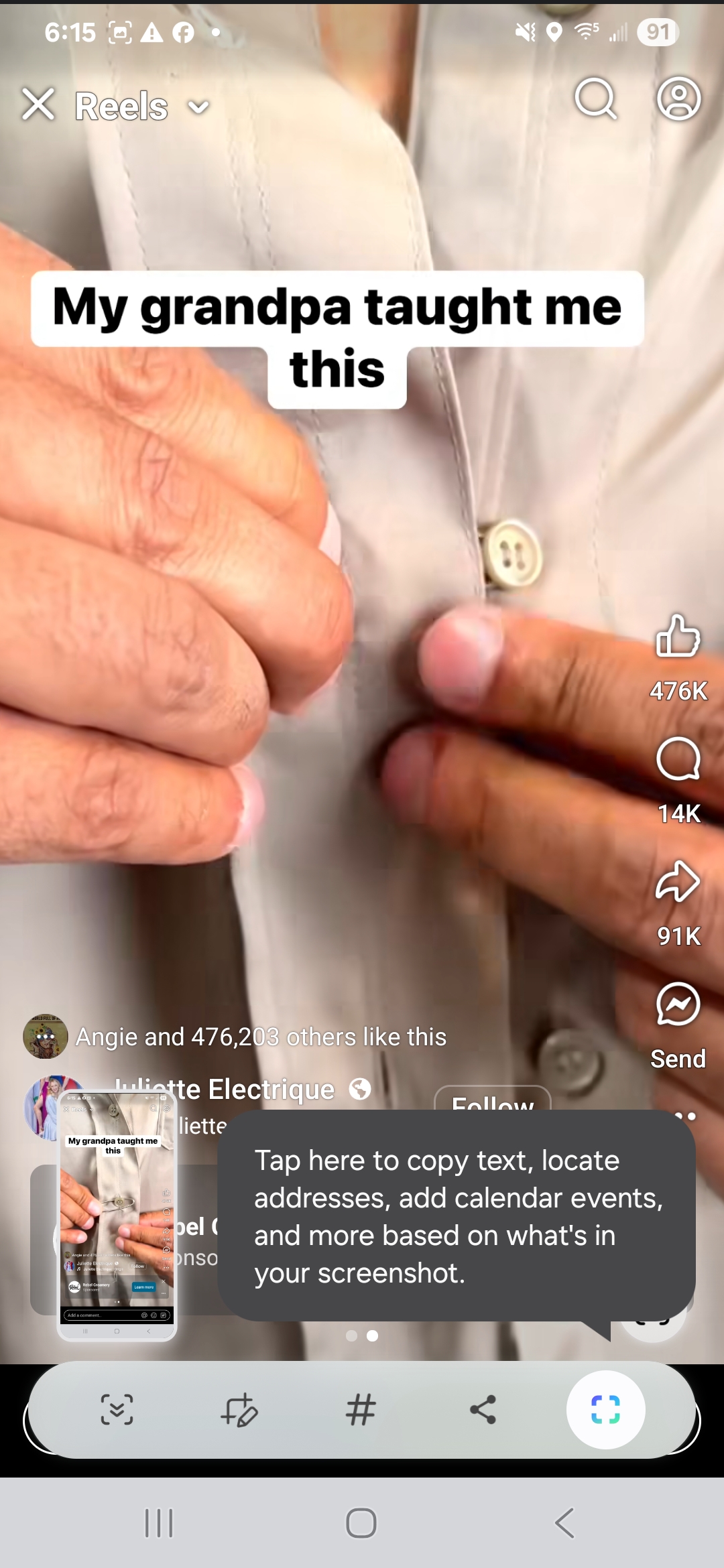
This has nothing to do with the above story, but I was temporarily captivated by Facebook and saw this.
This might be useful to me in the future. Recently I had a screw fall out of my glasses and I had a repair kit that I found a replacement screw, and a small screwdriver. But then it took quite a while for me to get the screw in the slot, and then get the end of the screwdriver into the screw to tighten it. I was almost to the point of going to the eyeglass store in Walmart where I had purchased several pairs of glasses, just to have them replace the screw. But I finally got the job done. Still the replacement screw was longer than needed, but it will have to do.
I have about four or five eyeglass frames that are exactly the same. It was a good idea because there are little plastic pieces on the temples (arms) that curl out with wear. At some point the frames need to be replaced. My problem has been that my original prescription works better than any updated one, and so I would take the old lenses and put them in the new frames. But, I am getting to the point that they don’t make those frames any longer. And, the new lenses aren’t right in that some parts of the view are blurred. I think it might be that in an effort to make a cheaper lens, the entire lens is not ground for magnifying.
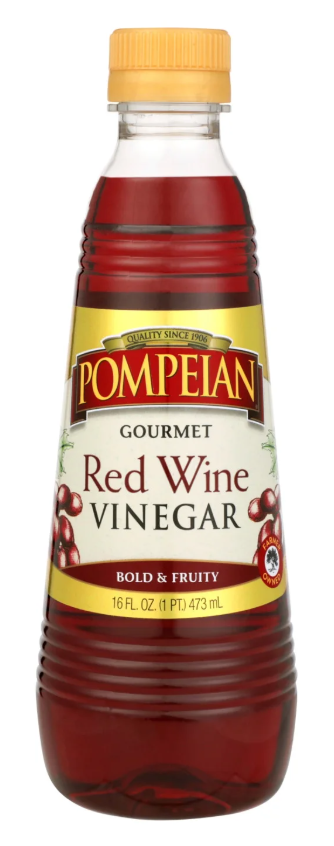
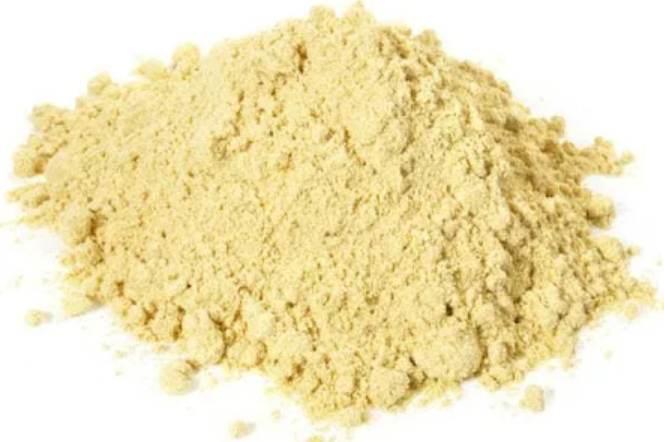
I’ve listed these spices, and vinegar, because I have read that they are instrumental in controlling blood sugar levels.
GingerGround Fenugreek
CINNAMON
Cinnamon on fried apples.
I’ve made a mix of the warm spices, including cinnamon (and coriander) to put on my fried apples.
Caramelized walnuts, with cinnamon & sugar free syrup
Cinnamon on cantaloupe or peaches
Ground cinnamon on Kiwi or Raspberry puree in plain Greek yogurt.
Cinnamon, butter, sweetener on sprouted bread toast
This is making a simple cinnamon bun.
Peanut butter, cinnamon, Agave Nectar on sprouted bread
Cinnamon, sweetener, butter & sour cream on a baked sweet potato
I’ve had this with a steak at a restaurant, but not lately.
FENUGREEK
I have started putting a little fenugreek in various items I am fixing.
GINGER
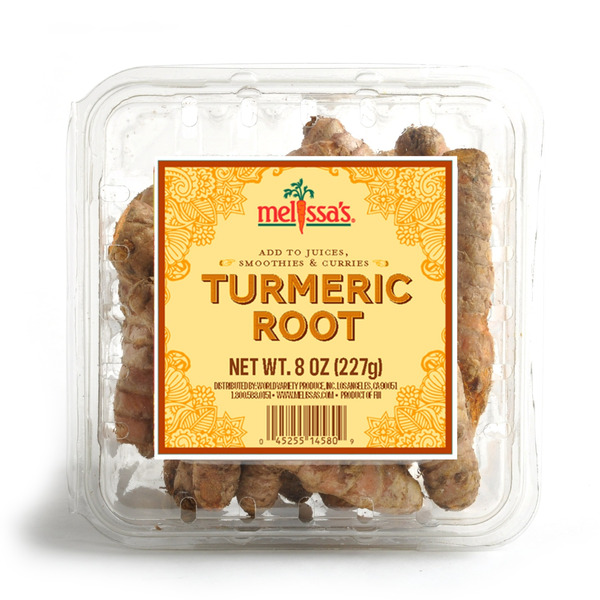
TURMERIC
Several years ago, I must have read about adding turmeric and vinegar together and then adding sweet bell pepper, onion & tomatoes. I liked the acrid flavor it gave these veggies. But, I’ve also added sweetener to the turmeric & vinegar to make a simple pickle.
VINEGAR
I combined turmeric and fenugreek in a vinegar solution, along with ginger and some sweetener to drink several times a day before each meal. I don’t always do this, but I try.
I drank this combination for a while and then got out of the habit. It depends upon whether the flavor are all working together or something is off. *I made some vinegar using a cheap wine from Aldi’s (probably about $3 for the bottle) and then added maybe 1/3 more water. When you do this, and it is necessary, not just to extend the liquid, you end up with a product that may be worth making at home instead of buying in the store. It takes about six weeks to complete the process. What I came up with was a dark vinegar. I don’t recall if the color of the original wine was dark to begin with.
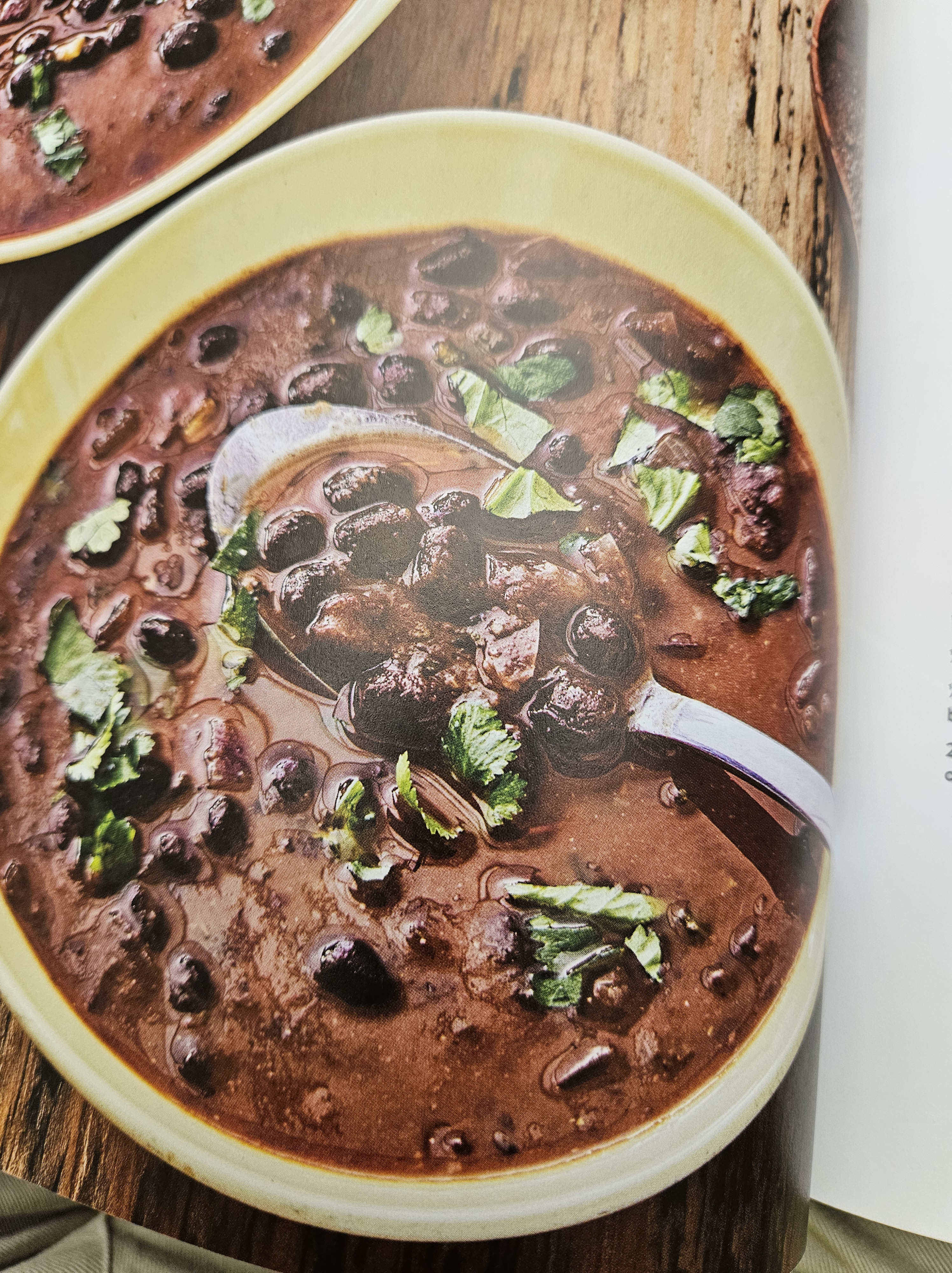
from a cookbook I looked through at the Asheboro Library.
Spicy Black Bean and Tomato Soup
Ingredients:
6 cups (1.5kg) salt-free black beans, home-cooked or from BPA-free cans or Tetra Paks, drained and rinsed
1 14.5-ounce (400g) BPA-free can or Tetra Pak (400g) salt-free crushed tomatoes
2 tablespoons white miso paste
1 teaspoon chipotle chile powder, or to taste
4 cups (1L) Vegetable Broth 2.0 (page 2) or water
1 medium red onion, chopped
1/2 cup (80g) chopped celery
2 large garlic cloves, minced
2 teaspoons ground black cumin
1 teaspoon dried oregano
1/2 teaspoon ground pippali or black pepper
2 tablespoons chopped fresh cilantro
Directions:
Use a food processor or blender to puree 2 cups of the cooked black beans with the tomatoes, miso paste, and chipotle powder. Set aside.
In a large pot, heat 1 cup (235ml) of the Vegetable Broth 2.0 over medium heat. Add the red onion, celery, and garlic. Cover and cook until soft, stirring occasionally, about 10 minutes. Stir in the black cumin, oregano, pippali, remaining broth, pureed bean mixture, and the remaining cooked beans. Bring to a simmer.
Cook, stirring occasionally, until the flavors are incorporated and the soup is hot, about 20 minutes. Serve sprinkled with cilantro.
Spice It Up!
Want to kick-up the heat? I used to search for no salt-added hot sauces or settle for low-sodium ones like the original recipe Tabasco, but straight dried ground chiles have revolutionized my spice life. At home, I have a variety of ground chiles for every occasion in shaker bottles, including powdered peri-peris, poblanos, or chipotle peppers. My favorite when on the road, which you’ll find on my person at all times, is a 1:1 mix of powdered Aleppo pepper and Thai bird’s eye chile. Another bonus of powder over sauce is the lack of leaks in my carry-on.
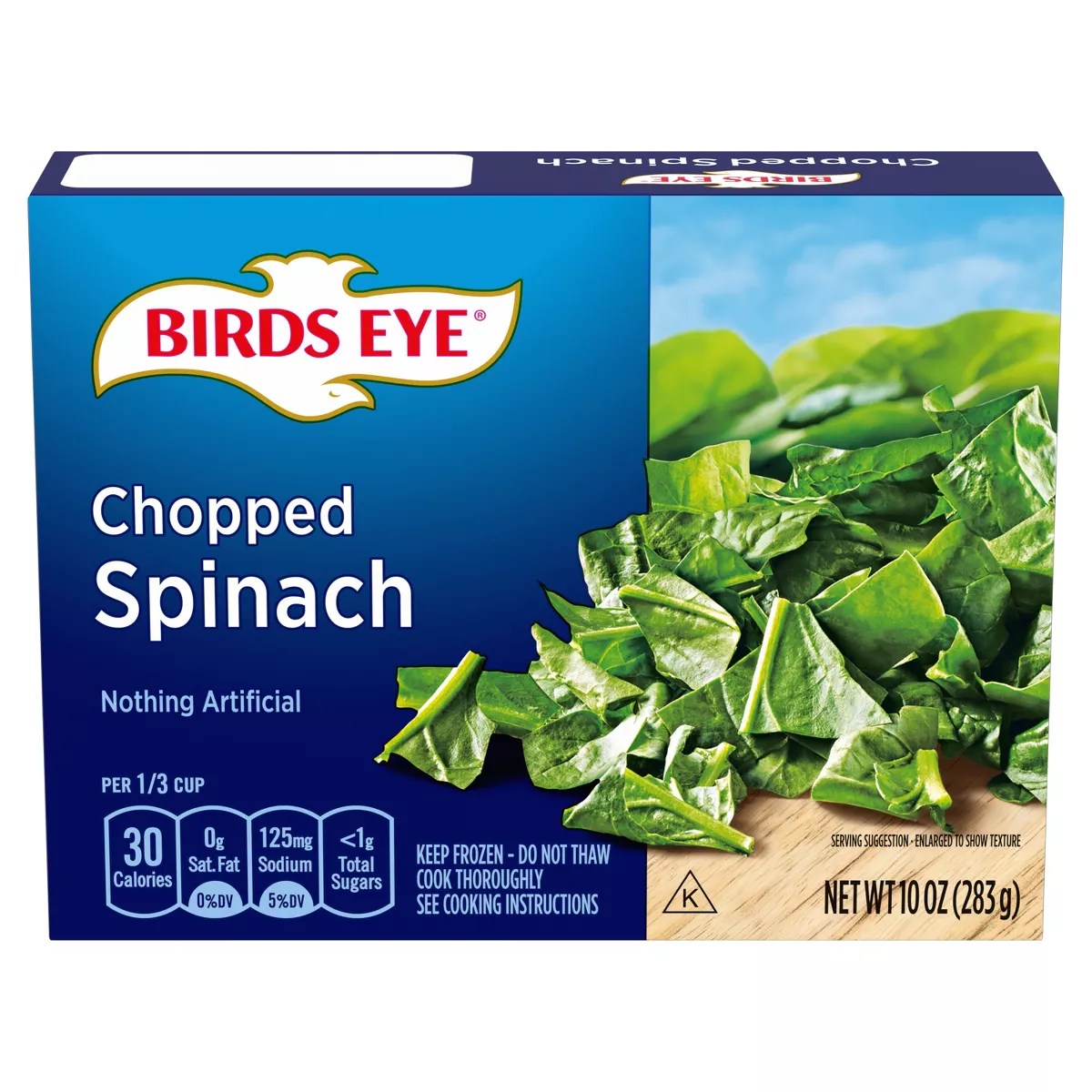
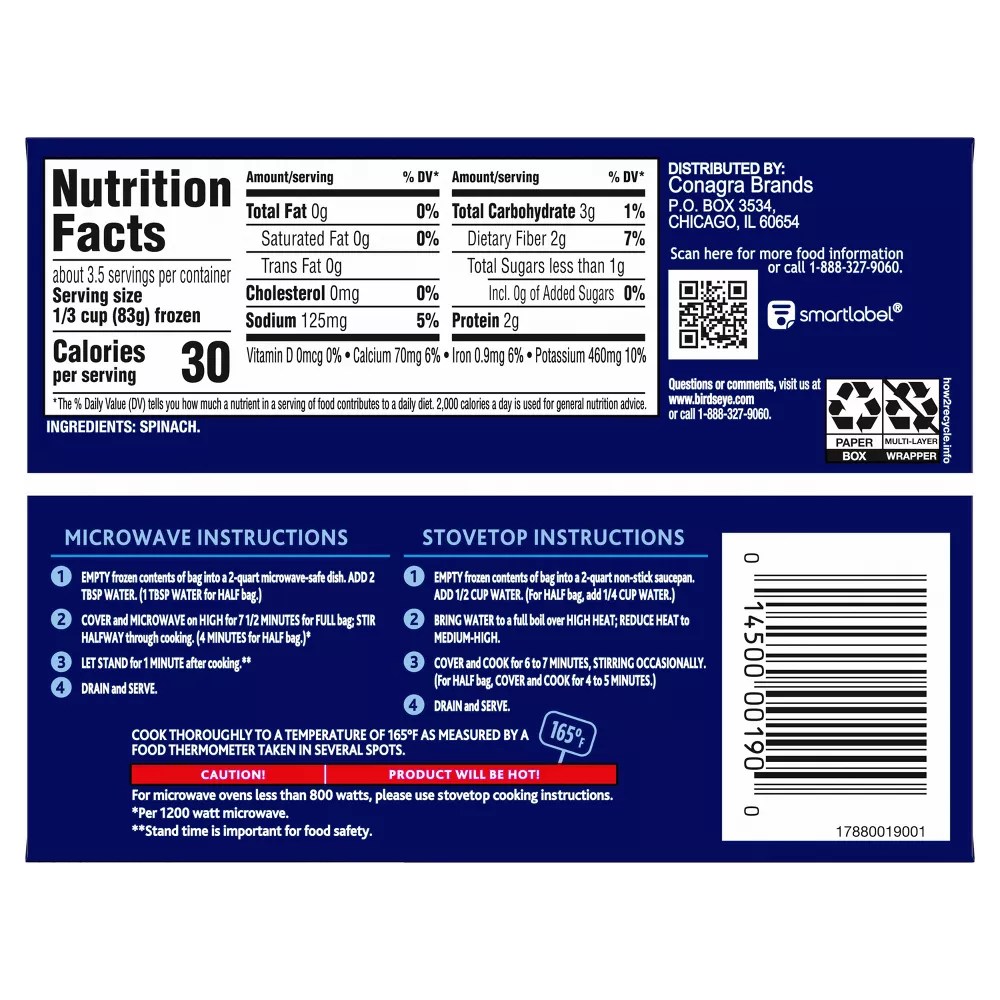
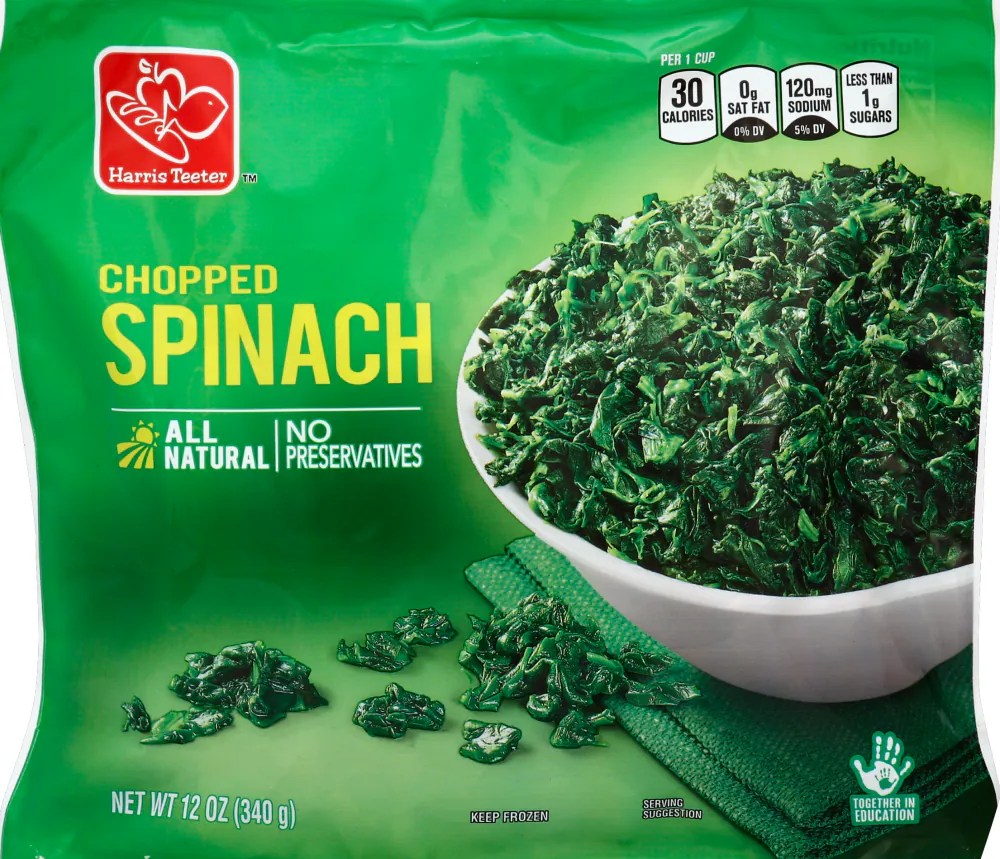
Birdseye – Target 10 oz. $1.99Birdseye – Target 10 oz. $1.99gv Walmart 12 oz. $1.26gv Walmart 12 oz. $1.26Harris Teeter 12 oz. $1.79Harris Teeter 12 oz. $1.79
It looks like the Walmart Great Value Brand of Frozen Chopped Spinach has the least amount of Sodium and is the cheapest of the three brands listed above. The calorie count per serving is slightly above the other two. The Bird Eye Brand at Target is the most expensive, because it is more expensive and the number of ounces is only 10, instead of 12.
I had left a “holding place” for Creamed Spinach & Otherwise. Not too long ago I made some good creamed spinach at home. Unfortunately, I don’t recall which ingredients I used. I think I used creamed cheese, some butter, garlic powder and the frozen spinach. I may have used some type of shredded cheese. Maybe an Italian blend.
But the thing that got me updating this spinach section was that I was looking through a cookbook that I bought at the Scotland County Library in Laurinburg yesterday. It only cost a dollar (plus whatever donation I gave for all the books I bought at the same time).
The book was Mr. Food “Every Day’s a Holiday Diabetic Cookbook.” As I started to look through the book, I was amazed that they didn’t seem to pay attention to the amount of sodium in their recipes. I saw a 300 mg and a 644 mg sodium amount. I was looking at a “Creamy Spinach Soup” recipe on page 44. It listed the Sodium in this soup as 499 mg.
Creamy Spinach Soup
Ingredients:
8 scallions, thinly sliced
1 teaspoon minced garlic
2 cans (14 ounces each) vegetable broth
2 packages (10 ounces each) frozen spinach, thawed and well drained
3 tablespoons cornstarch
3 cups low-fat (1%) milk
1/2 teaspoon ground nutmeg
1/2 teaspoon salt
1/4 teaspoon black pepper
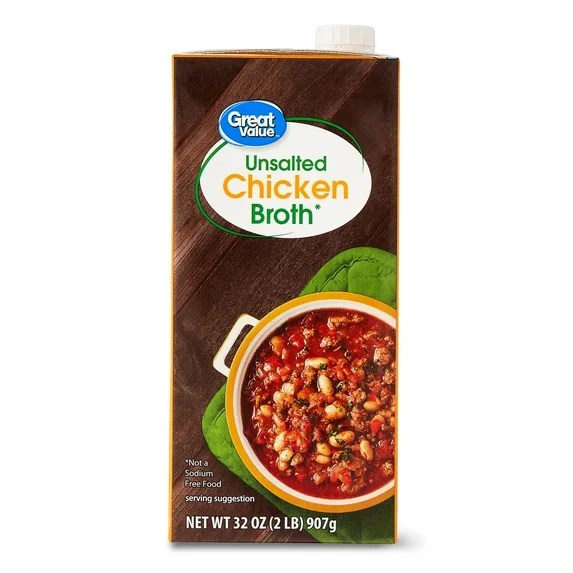
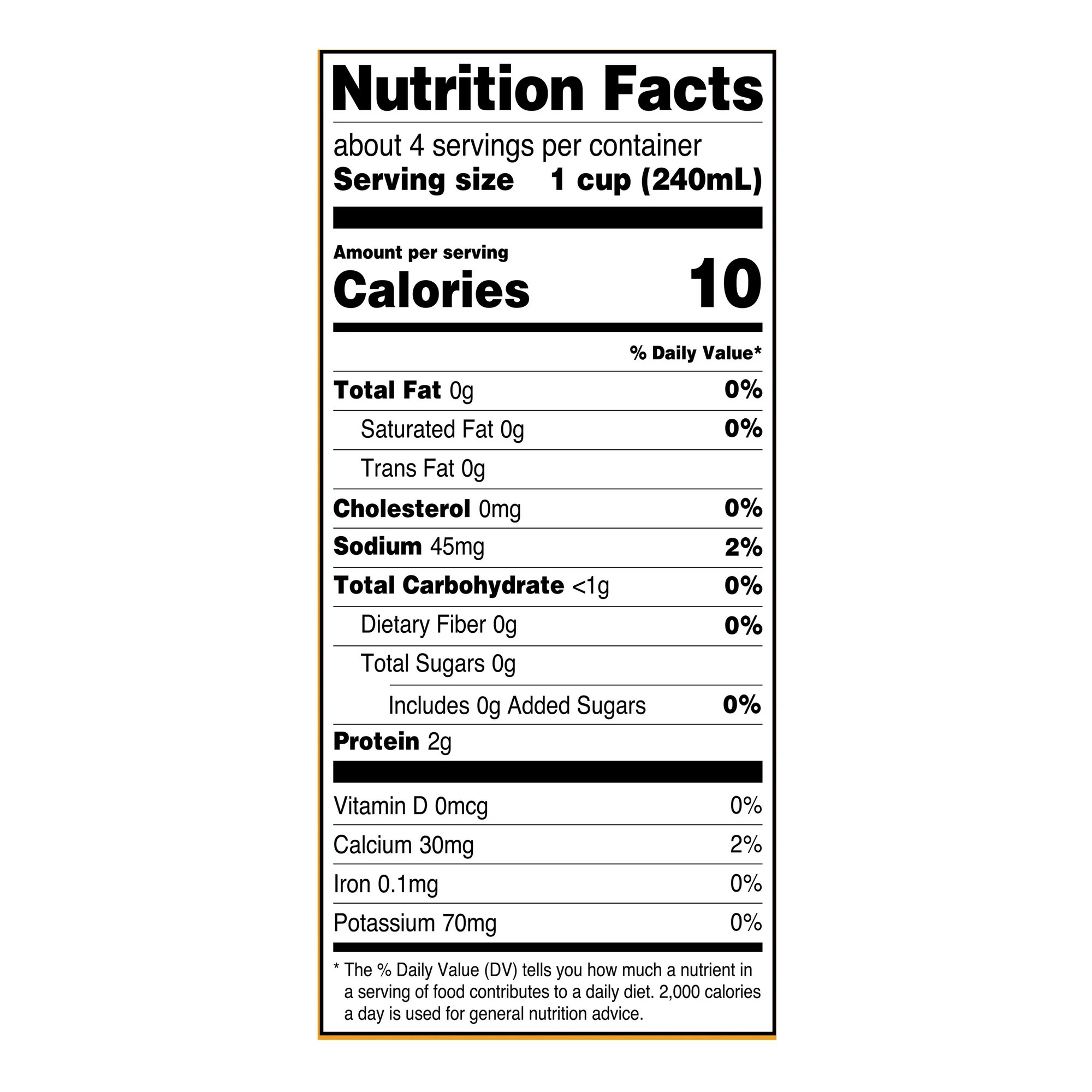
When I saw the almost 500 mg of sodium in this recipe, I looked closer at the ingredients, wondering why so high. The only two items that might have high sodium were the vegetable broth, and the frozen spinach. That got me looking for the sodium listed in frozen spinach. Now that I see that you can get frozen spinach for under 100 mg per serving, it makes me think I should try to find “low sodium” vegetable broth (I prefer chicken broth.) or try to make it at home and use less sodium.
Also when I looked at the above recipe, I thought, “this looks like a recipe for creamed spinach.” I then went to my AI and asked for a creamed spinach recipe and what… yeah, they are pretty much the same.
I wonder if tarragon would be as pleasant as nutmeg?

































 Bill Gibson, II