Anthony Quinn DancingThe Bradbury Building Downtown Los AngelesAngels Flight Downtown Los AngelesStatue of Charlie Chaplin as the Little Tramp in the Bradbury Building, LADemon with a Glass Hand, Robert Culp, the Outer Limits – Bradbury Building LA
the 1969 film The Illustrated Man includes only three of Bradbury’s stories, plus the overarching frame narrative about the Illustrated Man (Rod Steiger) and the narrator (Robert Drivas).
✔ Stories Included in the Movie
The Veldt
The Long Rain
The Last Night of the World
✔ Frame Story
The Illustrated Man / Carl’s search for the woman who tattooed him
The VeldtThe Long RainThe Last Night of the World
🎬 Structure
The film uses the Illustrated Man’s “living tattoos” as transitions into each of the three stories, but it does not adapt the other 15 stories from the book. It also rewrites several elements, especially blending the frame characters into the stories—something not done in the book.
ONLY for the stories that appeared in the 1969 Rod Steiger movie (The Veldt, The Long Rain, and The Last Night of the World). All other titles are left unchanged.
Framing Sections
Prologue: The Illustrated Man
Stories
The Veldt Two children become obsessed with a virtual reality nursery that simulates a lethal African veldt. Their parents slowly realize the room is no longer just imagination—but something the children have weaponized. The parents are torn apart by the wild beasts.
Kaleidoscope
The Other Foot
The Highway
The Man
The Long Rain A group of astronauts on Venus struggle to survive constant, brutal rainfall as they search for a Sun Dome. The unending storm drives some of them to madness as hope fades.
The Rocket Man
The Fire Balloons
The Last Night of the World A married couple calmly accepts a shared dream that the world will end that night. Instead of panic, they choose to spend their final hours in quiet, ordinary peace. After killing their children, the new day dawns calmly.
The Bill Belichick Football Era at the University of North Carolina. Yeah, oh well that isn’t going like any UNC supporter might have liked. Currently a 4-6 season with two regular season games left, one against Duke and the other N.C. State. That means that more than likely Bill will have an opening season of 4-8. “Lackluster” yeah, that was the word that immediately came to mind.
Now Bill is 73 years old, which makes him the oldest college football coach at this time. The next nearest is 70 years old. I mention his age because with a beginning losing season, is Bill Belichick going to coach more than three more years? He’s making $12 Million dollars a year, and his son, which he brought into the program, Steve, is making $1.3 Million this year and slated to make $1.4 Million next year.
Currently about 25% of the football players were recruited by Belichick. I may be wrong, but it appears that one of the major problems with this year’s team, is that Belichick doesn’t know how to meld a team into a cohesive force, a community, a family.
But then years ago Dean Smith had a similar problem that he never solved either. On Smith’s 1993-94 basketball team, he had some very talented seniors, Montross, Phelps, & Reese. But he also had brought in some very talented new players, Jerry Stackhouse and Rasheed Wallace. They had a 28-7 record in regular season, and they lost in the second round of the NCAA Tournament to Boston College that year. The problem with all that talent was that it never melded into a single unit. The young bucks didn’t respect their elders, and their elders were talented enough to not put up with any crap by the young whipper snappers. So they ended up fighting each other, and losing when they should have easily won.
My solution for that problem would have been simple, but it would have totally gone against Dean Smith’s “Old School” way of doing things. He wanted the whole team to be a unit, not two competing groups within the same team. Dean Smith had a “Blue” and a “White” team of players. He used these two groups in practice and when substituting players during an actual game. He should have put Stackhouse & Wallace on the same group. Then put the senior stars in for a time, and then the other group. Which ever color scored the most points would get to play an additional 5 minutes. That might have run up the game scores because neither group wanted to lose between themselves, let alone against an opposing team. But with the talent he had, they should have won another NCAA Tournament that year.
Okay, so with a losing season his starting year, and a good recruiting season next year. And do you know how difficult it will be to recruit good players to Carolina for next year when everyone knows what has gone on this year? Yeah, this isn’t Belichick pulling new players into a winning New England Patriots franchise. So maybe, hopefully an 8-4 season next year. What would that percentage be for his first two seasons? Oh, yeah 50%. Hmmm… $24 Million for the head coach, and about $2.7 for the defensive coordinator-son, yeah about $27 Million for a 50-50 record. Inspiring, NOT!!!
Even with a major turnaround next season, who would Carolina be able to beat in the ACC Playoff games? And by the third, or fourth years, do you really think they will be able to compete for a national title? From where they are now, once again, NOT!!!
And then after three seasons, and maybe a 66% w/l record, Belichick will leave the Carolina football program in about the same condition as he found it this year. But, hopefully the “high hopefuls” will be about $40 Million wiser as to who might or might not be able to pull off a miracle, even if they were a GOAT in another field of play.
So, Mack Brown got $5 Million his last season at Carolina, and they had a 6-6 season. Still that’s two more games than they currently have, and at less than half the coaching salary.
The flavor of this trial worked out perfectly but the chia seeds never gelled like they normally do. I think it may have been the chocolate syrup or the chocolate drops that I added to the milk & instant coffee. Not sure, but because the flavor was “spot on,” well worth a few more tries.
Container:
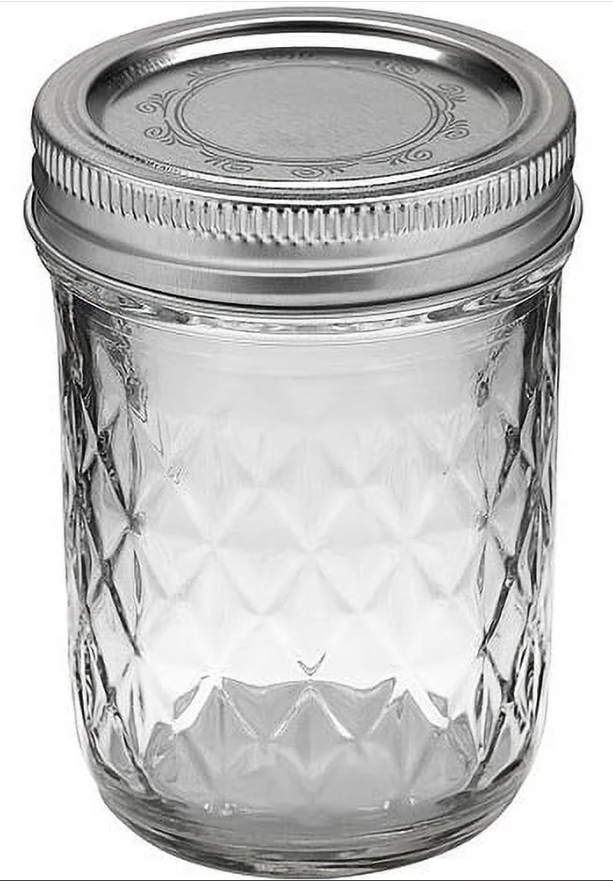
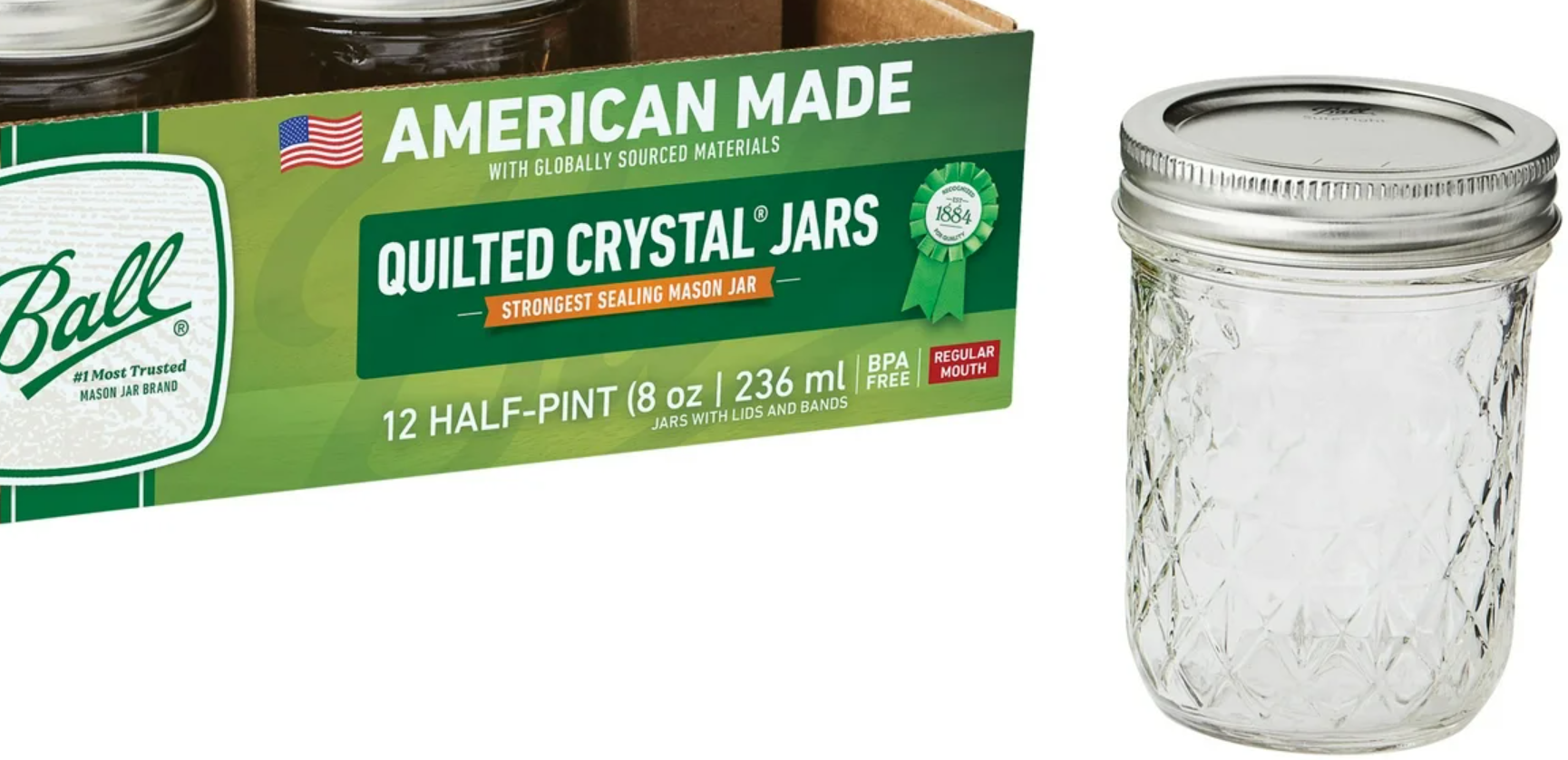
In an 8 oz. Ball/Mason glass jar, with a tight fitting lid add the following.
Ingredients:
1/2 Cup 2% Milk
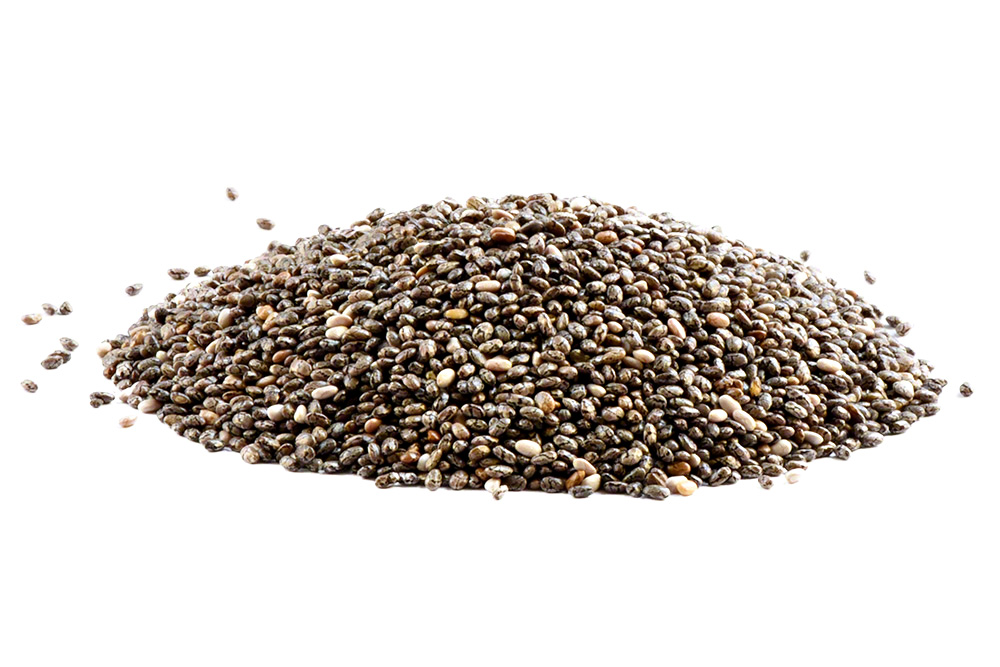
1 tbl Chia Seeds
1 tsp Instant Coffee
1 tbl Hersheys Sugar Free Chocolate Syrup
6 Ghirardelli Chocolate Drops
1 tsp Splenda
Process:
Add the milk, chia seeds & instant coffee and stir. Close the jar and give it a shake. Sit on the counter for a while, then shake again and place in the refrigerator to chill (20 minutes or longer). When you take the gelled chia seed pudding back out, add any extra flavorings: chocolate syrup, chocolate drops & Splenda. Stir with a spoon and go eat. Enjoy!
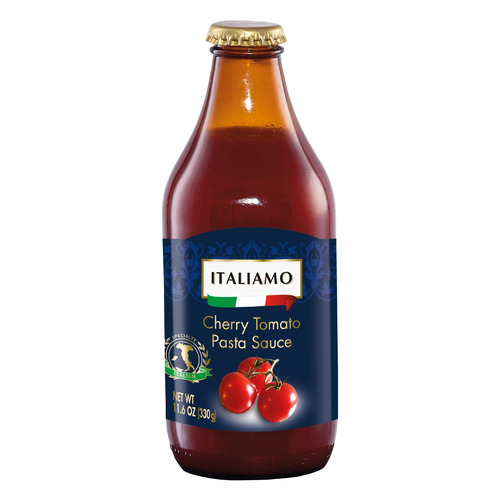
½ cup (125 g) cherry tomato sauce (Italiano brand or similar)
1 tablespoon chia seeds
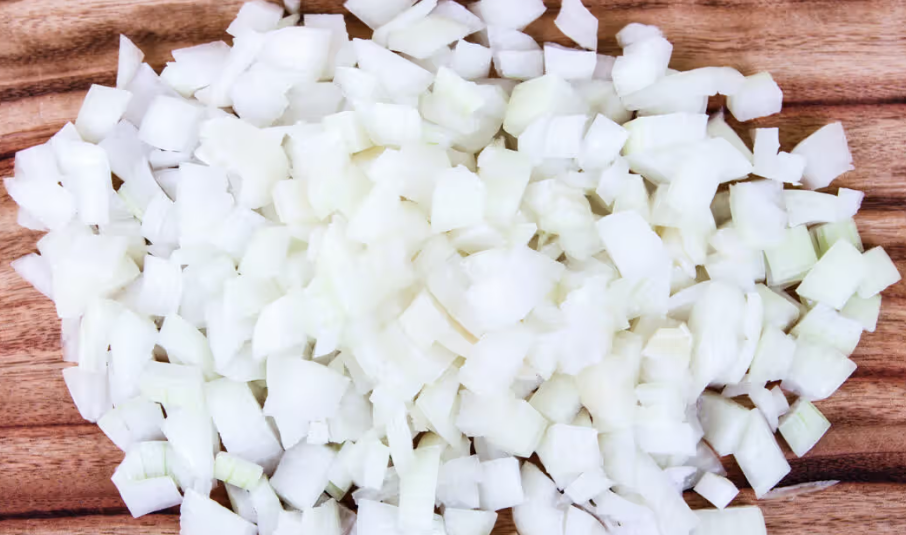
1½ tablespoons finely diced sweet onion
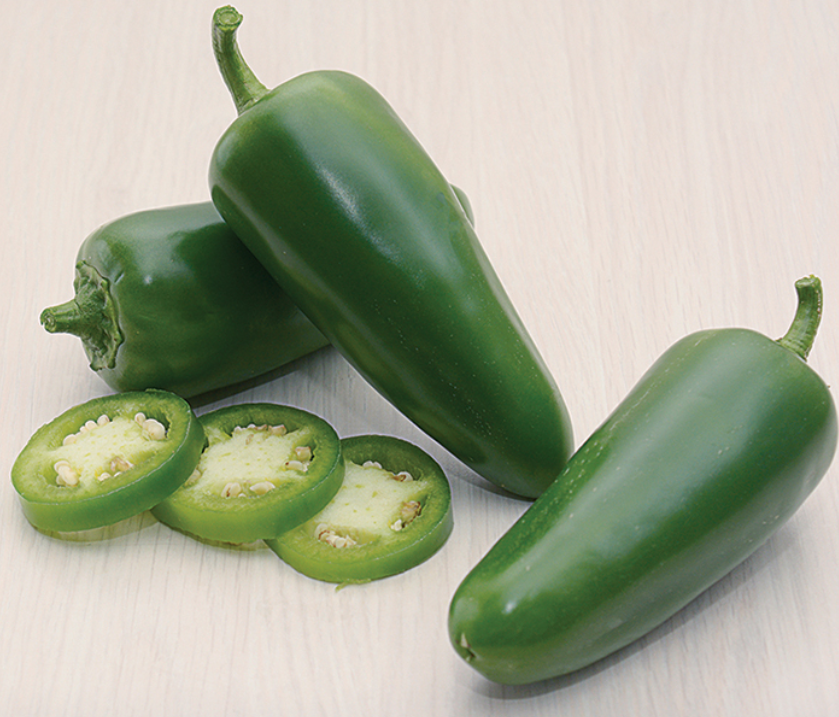
1–2 teaspoons finely diced jalapeño (to taste)
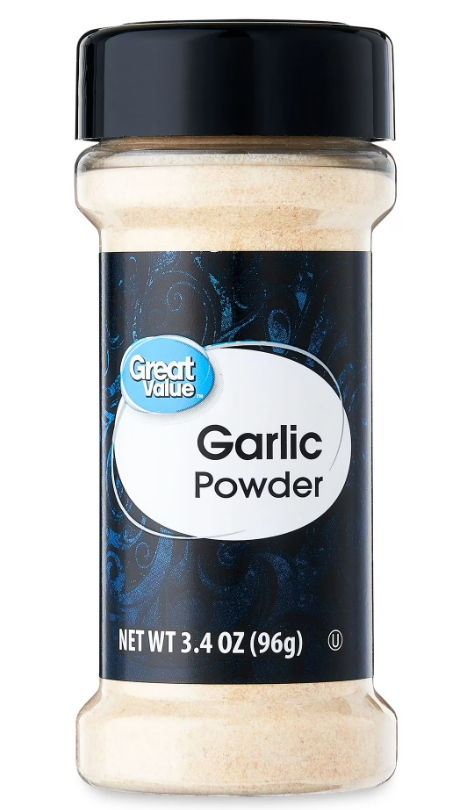
1 small pinch ground garlic (⅛ teaspoon or less)
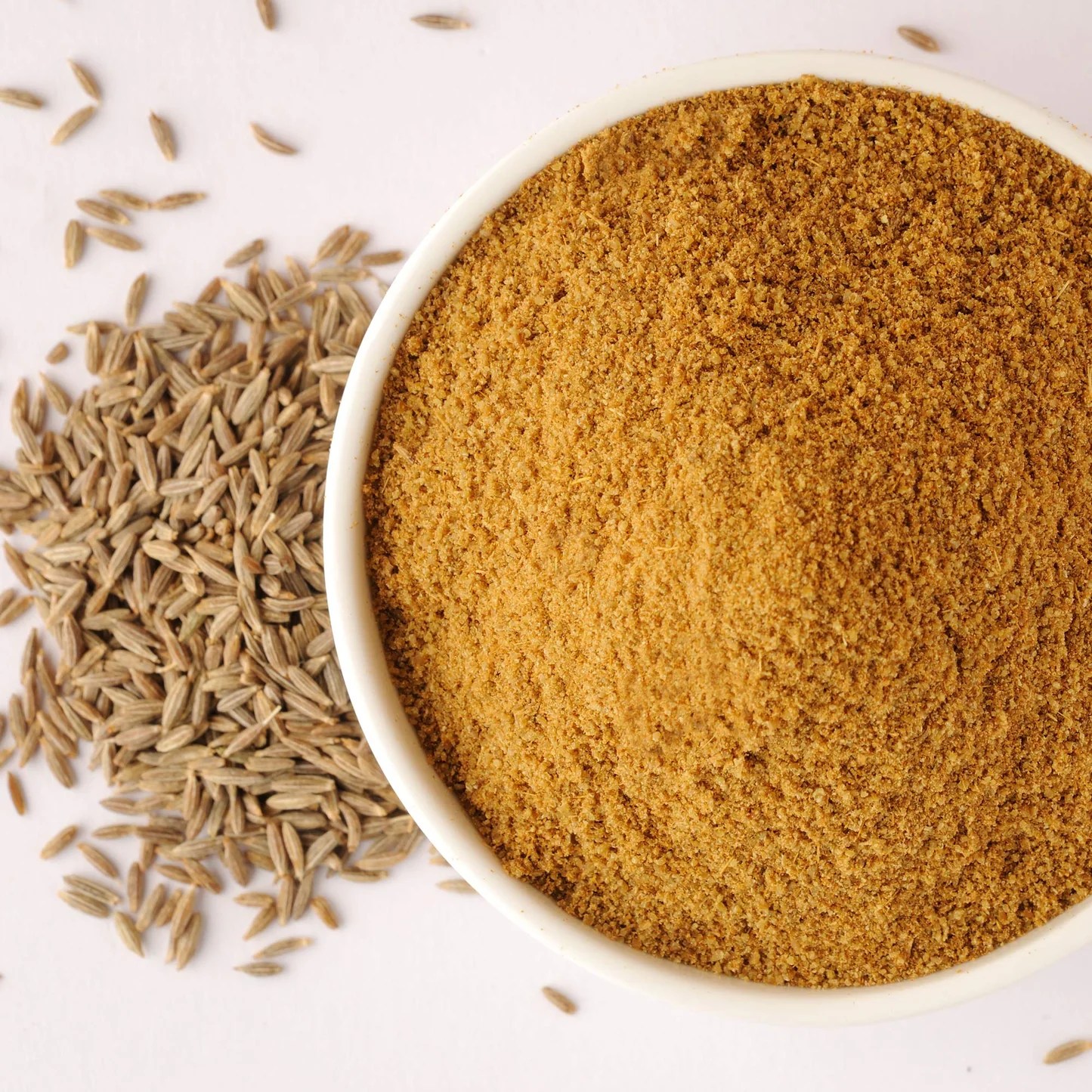
1 small pinch ground cumin
1 tablespoon chopped fresh cilantro
½–1 teaspoon agave nectar (adjust to taste)
Instructions
In an 8 oz. Ball/Mason jar, combine the cherry tomato sauce and chia seeds.
Stir in the diced onion, jalapeño, ground garlic, ground cumin, and chopped cilantro.
Add agave nectar in a small amount and stir until fully blended.
Add lid and tighten, shake to blend.
Place the jar in your refrigerator and let sit for 20–30 minutes to allow the chia seeds to hydrate and thicken the mixture.
Taste and adjust seasoning if needed.
Serve as a thick salsa, a spread, or a topping, or eat from the jar, with some blue corn tortilla chips.
📊 Estimated Nutrition (entire recipe)
Calories
Tomato sauce (½ cup): 60 kcal
Chia seeds (1 tbsp): 58 kcal
Sweet onion (1.5 tbsp): 6 kcal
Jalapeño (1–2 tsp): 1–2 kcal
Agave (½–1 tsp): 10–21 kcal
Cilantro + spices: ~1 kcal
Estimated Total: 👉 135–148 calories, depending on how much agave you used.
Macros (approx.)
Carbohydrates: 18–20 g
Fiber: 6–7 g
Sugars: 6–8 g
Fat: 3–4 g
Protein: 3 g
Very high fiber and low glycemic load — excellent for blood sugar.
Optional Add-Ins (not part of the main recipe)
½ tablespoon lime juice for brightness
It did make this pudding brighter.
A pinch of turmeric + black pepper
Slipping in some turmeric (the black pepper increases the absorption of the key ingredient in the turmeric) with black pepper doesn’t take away from this pudding.
A few sliced black olives
1 tablespoon diced red bell pepper
This would have been a nice addition.
A sprinkle of smoked paprika
A few drops of hot sauce if you want more heat
Some chipotle sauce would make this pudding distinctive. The pudding almost becomes a salza.
✔ How it fits in an 8-oz (1 cup) Ball jar
Your mixture is:
½ cup cherry tomato sauce
All the add-ins
1 tablespoon chia seeds (which expand but don’t double the total volume)
After hydration, the whole recipe makes about ¾ cup — sometimes slightly more, depending on how much onion and jalapeño you add.
👉 It will fit in an 8-oz jar with room to spare (about 1–2 oz of headspace).
That extra headspace is ideal because:
it lets you shake it if needed,
prevents overflow when the chia thickens,
makes it easy to stir before eating.
✔ Instructions for the jar version
In the 8-oz Ball Jar:
Add ½ cup cherry tomato sauce.
Add 1 tablespoon chia seeds.
Add all remaining ingredients:
Sweet onion
Jalapeño
Ground garlic
Ground cumin
Cilantro
Agave
Put lid on tightly and shake several times.
Let sit 20–30 minutes, shaking once halfway through.
Caveat:My world is modified because I’m a type 2 diabetic. I’ve got to watch my blood sugar levels. I try not to eat things that will “spike” my blood sugar. If you have a different type of medical condition, or an allergy and can’t eat chia seeds, or drink milk, or digest certain fruits or veggies, then don’t. If you can, then do. I may suggest certain combinations of ingredients below, that I can’t eat, but some can. If you can, then do.
I want to help you explore the world of “chia seed puddings.” It is a simple to make, nutritionally healthy, dessert that can be enjoyed almost every day. Because the combination of liquids, fruits and other veggies that may be combined is almost endless, you don’t have to be bored eating the same pudding every time. The pudding can be sweet or savory, you decide.
The process is quick. Sort of a “set it and forget it” type of process. Get a small jar, with a tight fitting lid. You will mix the ingredients in the jar. Tighten the lid, and shake it all up. Put it in the fridge to chill and gel, and be able to eat the finished product in about 20 minutes.
*If you want to “pamper yourself,” get one of those small (4 oz.) fancy glass Ball/Mason jars, with the crosshatch crystal pattern. And get an elegant antique silver spoon, the more refined pattern, the better. You are going to make the event of making and eating chia seed puddings something special, for you. Or, you can use a plain old jar with a good lid, and the spoon you use everyday to stir the cream or sugar in your coffee. The pudding is going to be just as good, either way, but your perception of the dessert may change depending on what utensils you use.
Put 2 tbl of chia seeds in the jar. Add your liquid of choice, which might be 1/2 C of milk, in a 4 oz. Ball/Mason jar. Then add fruit or veggies as desired. The liquid can be room temperature, or cold, or hot. *I’m not sure if hot water will affect the nutritional value of the seeds, or if it will even cause the seeds to form gel quicker. You can decide that, but I’ve never heated the liquids I have used to gel the seeds.
There must be at least some water component to the liquid you use, for the chia seeds to form their gel. Let me list some possibilities for the liquid:
water
milk
Greek yogurt (plain – with little or no sugar added)
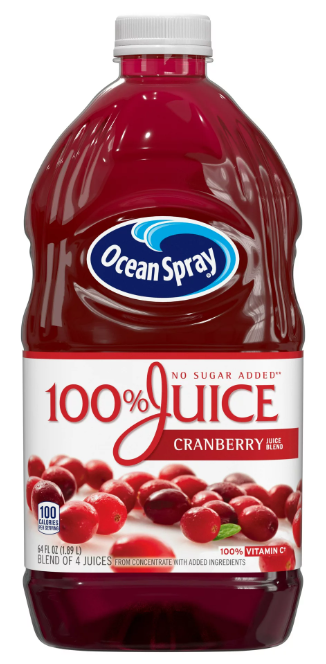
cranberry juice
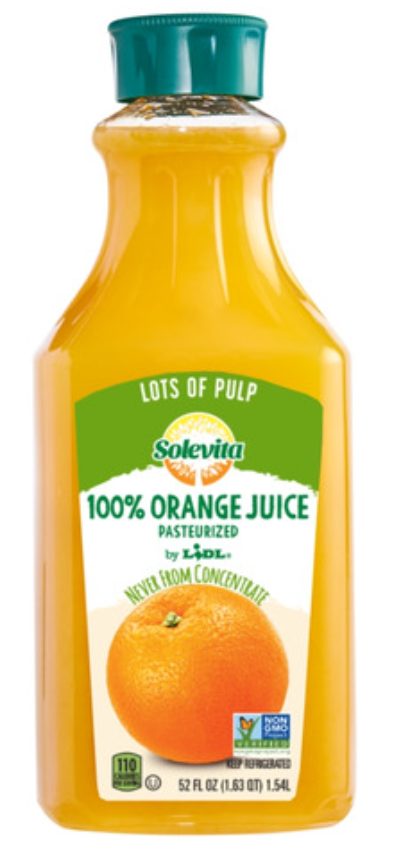
orange juice
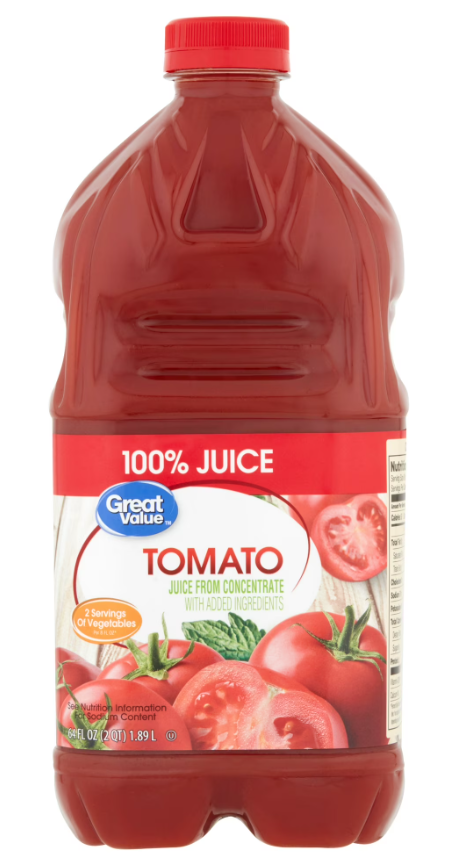
tomato juice
brewed coffee (or instant coffee added to water)
various alcoholic beverages (but you have to add some water for the seeds to gel)
Triple Sec (an orange flavored liquor)
Peppermint or Peach Schnapps
Disaronno (sweet almond flavor)
pickle juice
the brine from a jar of black olives
flavored soft drink (no sugar, low sodium e.g. Mango Peach )
be creative! (maybe chocolate syrup with milk)
Various additions to the chia seed pudding base:
Blackberries
Blueberries
Kiwi
Raspberries
Strawberries
or
Jalapeno (diced)
Onion (diced)
Sweet bell pepper (diced)
Assorted other peppers, mild or hot (you choose)
Dice a dill or sweet pickle
Chopped olives (black or green, and with or without pimentos)
Chia seed pudding is the “seedier” side of Jello. You ask, cranberry or orange, or tomato juice? If you like some of the various flavors of Jello, then why not flavor your chia seed puddings accordingly. *The thought came to me, “tomato flavored Jello”? Well, if there was a tomato flavored Jello, I might try it and put some things in it that I might mix with tomato juice like celery, cumin, garlic powder, diced cucumber… Could I used some of the Jello mixes and add chia seeds to them? Give it a try. I’m thinking of the more exotic “Pistachio” or “Butterscotch” flavors. I would just be giving them a different consistency. But then I might also start adding real nuts to the puddings. Real pistachios or maybe pecans.
I bought a small bottle of cheap Zero Sugar flavored water (a soft drink). It may have been something like Mango-Peach. I added some chia seeds. I ended up with a chia seed pudding that had a pleasant Mango-Peach flavor. *You might get a Coconut-Lime drink, or a flavor packet and make your pudding base out of that. Then to spiff it up, add some shredded coconut (toasted or not), or some real lime or lime juice. *The idea is you are “playing” on the flavors to enhance them, but in adding the coconut or the real lime, maybe you are making the dessert even more healthy and nutritious.
I had to think for a moment, if adding various flavorings to chia seeds is like when a biscuit takes on the flavor of the gravy you put on it? Hmmm… maybe I’m over thinking all of this. Well, chia seeds don’t actually have a distinctive flavor. They form a distinctive gel like substance that can take on many different flavors. And that’s the fun. They are healthy and make eating other stuff pleasant.
Per tablespoon (about 7 grams) of ground flaxseed provides roughly:
Calories: 35–40
Protein: 1.3 g
Fat: 3 g (mostly healthy unsaturated fats)
Carbohydrates: 2 g
Fiber: 1.8 g
Omega-3 fatty acids (ALA): ~1.6 g
Lignans: One of the richest plant sources (50–100x higher than most foods)
💪 Health Benefits
1. Heart Health
High in alpha-linolenic acid (ALA), a plant-based omega-3 fat that supports cardiovascular health.
Helps reduce LDL (“bad”) cholesterol and triglycerides while improving HDL (“good”) cholesterol levels.
Anti-inflammatory properties may protect against arterial plaque buildup.
2. Digestive Health
Excellent source of soluble and insoluble fiber, which supports healthy bowel movements and promotes beneficial gut bacteria.
Can help prevent constipation when consumed with adequate water.
3. Blood Sugar Control
The soluble fiber in flax helps slow carbohydrate absorption, reducing post-meal glucose spikes—particularly helpful for people managing blood sugar or type 2 diabetes.
4. Hormonal Balance & Cancer Prevention
Lignans (phytoestrogens) in flax can modulate estrogen metabolism, potentially lowering the risk of hormone-related cancers such as breast and prostate cancer.
5. Weight Management
The fiber and healthy fats contribute to a feeling of fullness, reducing hunger and calorie intake.
6. Anti-Inflammatory & Antioxidant Effects
ALA and lignans provide antioxidant and anti-inflammatory benefits, supporting brain, joint, and overall cellular health.
⚠️ Best Practices for Use
Always consume flax ground (milled) — whole flax seeds often pass through undigested.
Storage: Keep refrigerated or frozen; ground flax spoils easily due to its oils.
Daily amount: 1–2 tablespoons is typical for most adults.
Hydration: Drink extra water when consuming flax, as its fiber absorbs liquid.
Consuming Fenugreek & Fenugreek Seeds Nightly
I try to have a tea made of a few Fenugreek seeds nightly. I add them to a little water and also add one slice of dried bitter melon. I heat the water for 30 seconds in the microwave and then let it cool for a few minutes.
Consuming Bitter Melon Nightly
CONSUMING CHIA SEEDS NIGHTLY
I might try eating a chia seed pudding every night before going to bed (that’s a joke, if you knew how I sleep). I go to bed at various times, get up at various time, and sleep off and on while the TV plays, or while I play or explore the Internet on my laptop. I wake up, and may get up to go to bed, or go to the bathroom, or go get something to eat from the kitchen. And I may essentially not sleep for more than 1.5 hours at a time. *I usually have the most energy when I get up about 3 am. So, I will unload or load the dishwasher. Any further dishwashing or pot cleaning I will do then, until my energy begins to wane. And I’ve never been a marathon runner or someone with extensive stamina. A short run and I’m ready to rest and recover.
But, I’m going to try to start eating a chia seed pudding every night before bed. And because I like various forms of chia seed pudding, I just shouldn’t get bored. I can mix the chia seeds with a liquid: water, milk, orange or tomato juice, brewed coffee, pickle juice or the brine from a jar of black olives. Depends on which direction I want to take the chia seed pudding, sweet or savory. And 2 tbl chia seeds to about 3 oz. of liquid. To the base I might add a fresh fruit: blueberries, kiwi, strawberries, Mandarin orange slices. Or with tomato juice, a Tex-Mex theme with: diced jalapenos, onion, sweet bell peppers, garlic powder & maybe some hot sauce. *I’ve not tried the brewed coffee (or from Instant, or maybe Hershey’s Cocoa) but maybe even add half & half or cream, and/or Hershey’s chocolate drops.
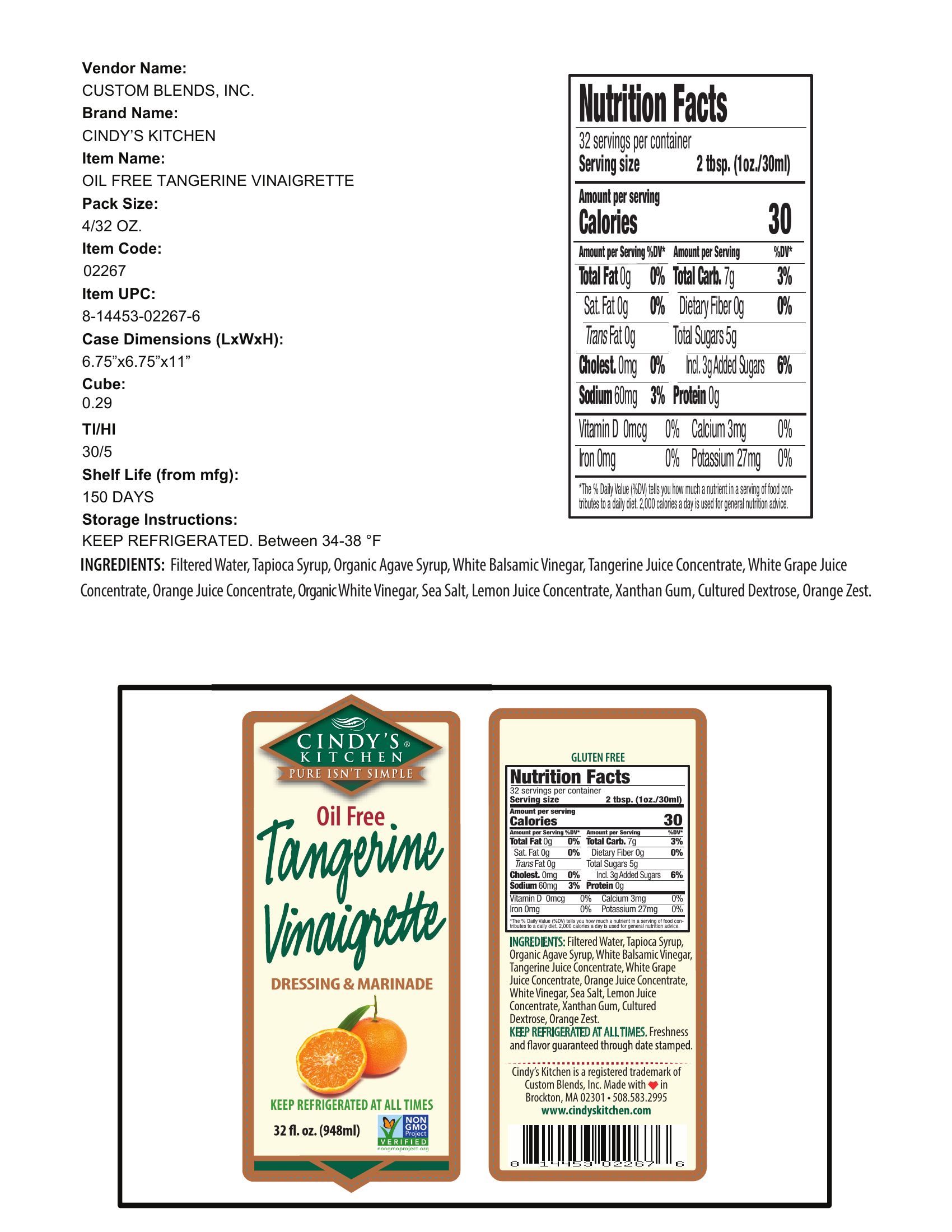
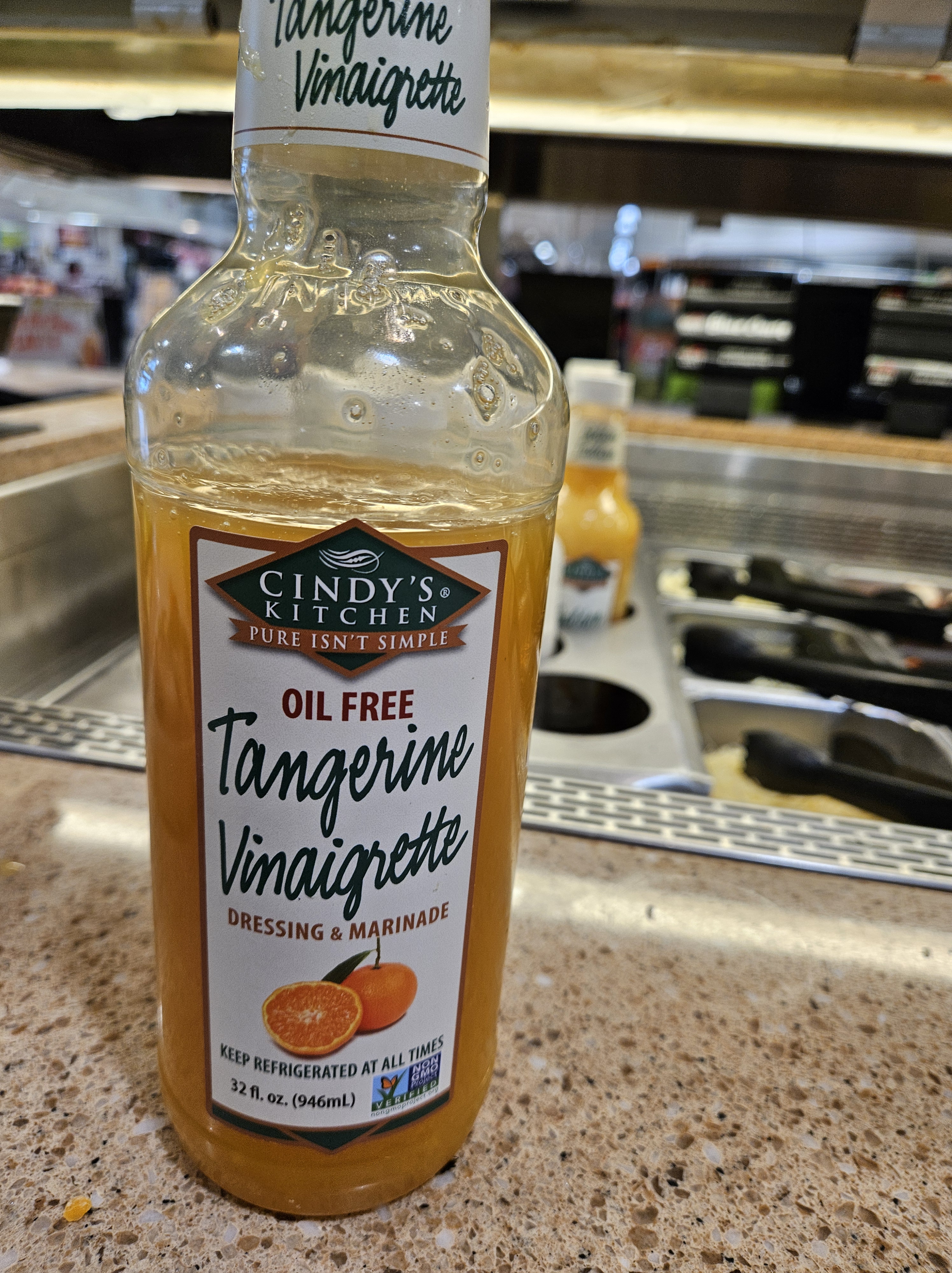
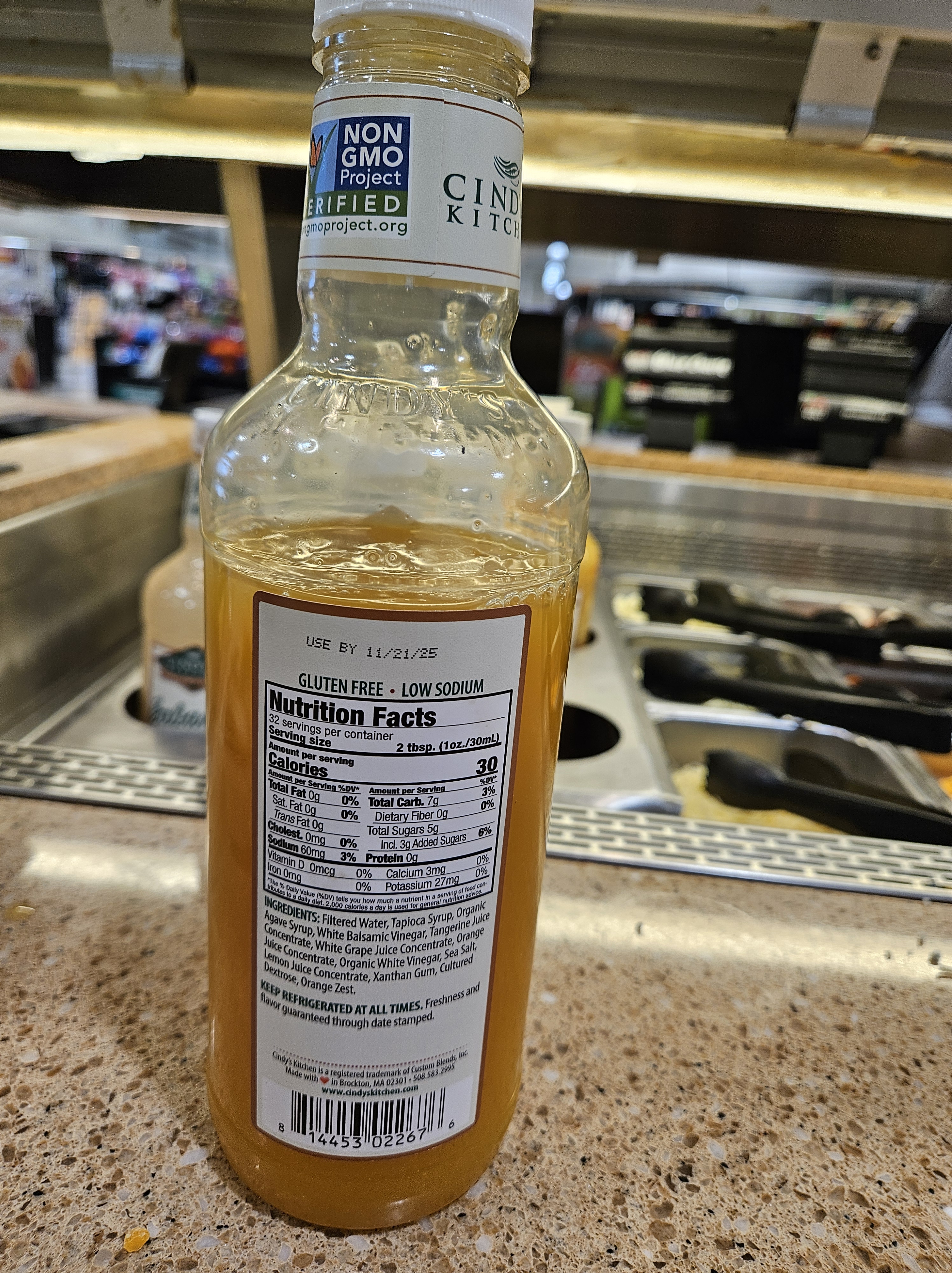
Two Cindy’s Tangerine Vinaigrette – Like Dressings:
Mandarin Citrus Vinaigrette
Yield: ~1 cup (8 servings) Serving Size: 2 tablespoons Calories: ~30 per serving (with Avocado Oil ~35 calories per 2 tbl. serving)
Ingredients
1/2 cup filtered water
3 tablespoons white balsamic vinegar
3 tablespoons tangerine juice or mandarin orange juice
I blended about 5 or 6 small mandarin oranges slices.
1 tablespoon orange juice concentrate
I added 2 tablespoons of orange juice (with pulp)
1 teaspoon lemon juice
I used lime juice
1 tablespoon organic agave syrup
1 tablespoon tapioca syrup (or light corn syrup or honey)
I used honey & some Splenda
1/8 teaspoon sea salt
1/4 to 1/2 teaspoon finely grated orange zest
1/16 teaspoon xanthan gum(a very small pinch — about the tip of a knife)
1 teaspoon avocado oil
The Cindy’s Tangerine Vinaigrette is oil free, but I wanted a little (flavorless) oil to hold the dressing to the veggies.
1 teaspoon stone-ground Dijon mustard
¼ teaspoon ground black mustard seeds (or to taste)
Instructions
Refrigerate. The flavor will improve after several hours and will keep for up to 7 days.
In a blender or mixing jar, combine the water, white balsamic vinegar, tangerine juice, orange juice concentrate, lemon juice, agave syrup, tapioca syrup, sea salt, and orange zest. Mix to combine.
With the blender running on low speed (or while whisking steadily), slowly sprinkle in the xanthan gum. Do not add it all at once — adding gradually prevents clumping.
Blend for 10–15 seconds, then stop. Let the dressing sit for 10 minutes so it can naturally thicken.
Taste and adjust seasoning if needed:
More vinegar for brightness
More agave for sweetness
More zest for stronger citrus aroma
Transfer to a jar with a tight lid.
Approximate Nutrition
Component
Per 2 Tbsp Serving
Calories
≈ 35 cal
Total Fat
~0.5 g
Carbs
~7 g
Sugars
~5 g
Sodium
~60 mg
Single-Serving Raspberry Vinaigrette
Add to a small jar:
2 tablespoons brown rice vinegar
1 tablespoon water
1 tablespoon raspberries, crushed with a fork
½ teaspoon lemon juice
½ to 1 teaspoon agave nectar (start with ½)
1 teaspoon avocado oil
Small pinch sea salt
Shake 15–20 seconds. If seeds bother you, crush the raspberry first, then strain through a tea strainer into the jar before shaking.



















 Bill Gibson, II