


The gist is combining turmeric, chia seeds and fats (olive or coconut oil) increased absorption.
I am watching a YouTube video, “Chia Seed Alone Doesn’t Work — Add This to Kill Inflammation” | Dr William ?
For a simple daily version:
1 tablespoon chia seeds
1 teaspoon olive oil
½ teaspoon turmeric
Pinch of black pepper
Stir into water, warm milk, Greek yogurt, oatmeal, or soup.
Or combine chia first in water to gel, then stir in oil + turmeric.
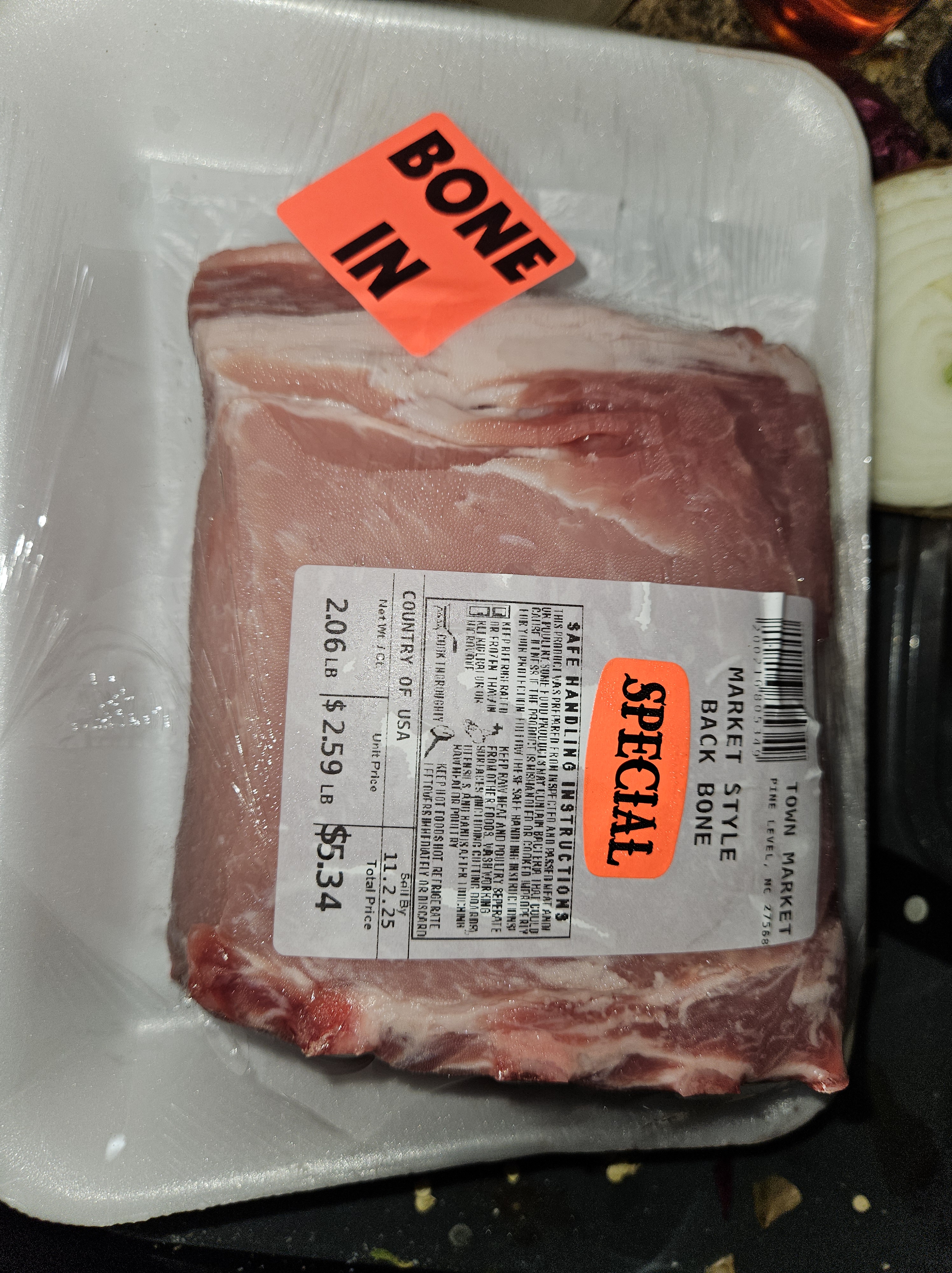
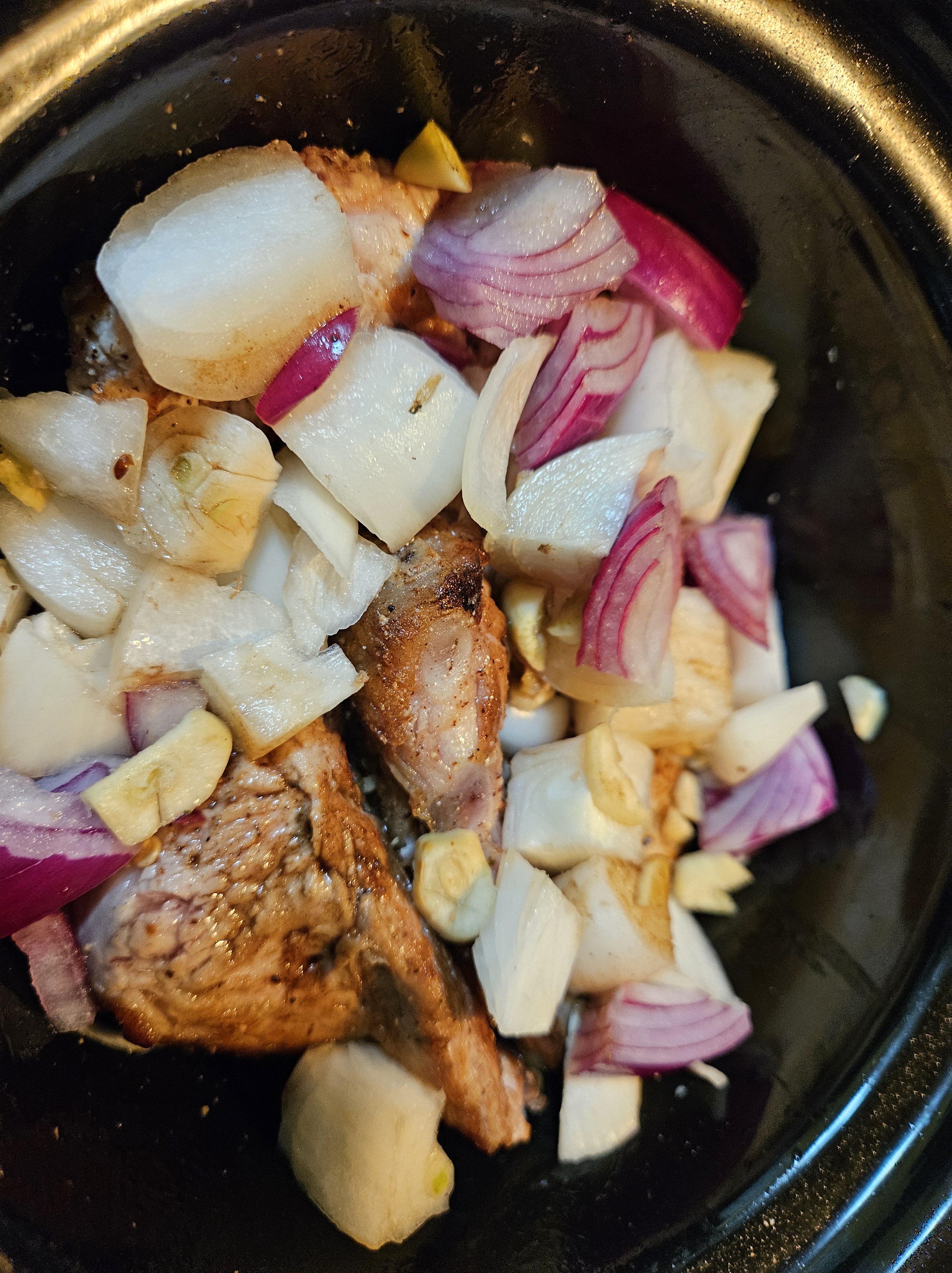
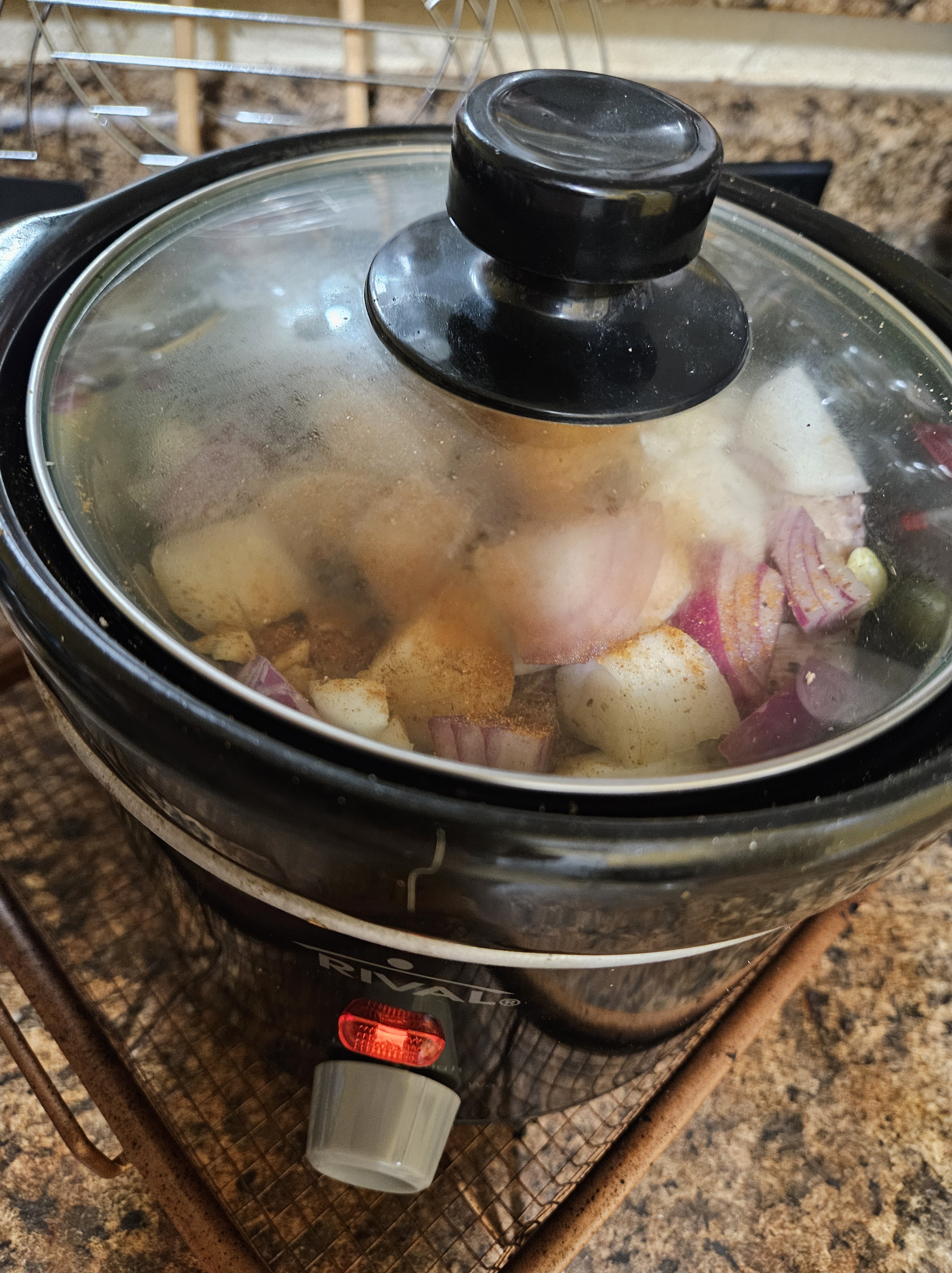
I bought this “Market Style Back Bone” (pork) at the “Town Market” grocery store in Pine Level, North Carolina. It was a little over 2 lbs. of meat for about $5.50. I then asked my AI how to cook it and one of the choices was slow cooker. I hadn’t used my slow cooker is years so I decided to go that way, and currently have it on HI for maybe 4-5 hours. I’m planning to go to Erwin to eat lunch, from IGA, and then maybe to the Harnett County Library near Lillington.
DARN! A minor disappointment.
After my visit to the Library, I headed over to Jeff’s house, and on the way followed a van from the light on Main Street in Lillington, all the way to Hwy. 24. It was supporting the large red capped head of Donald Trump pasted on their back window, and sporting a special license plate of “D.TRUMP1”. Needless to say I had to give this van a two finger salute. One finger on each hand.
Haven’t been to Jeff’s in a long while, but I had put my “Rollator” in the trunk of my car for him. He’s having major, hip surgery in mid December. I also took a Claxton Fruit Cake, and I had my bottles of Hinnant Grape Juices (Muscadine & Scuppernong) behind my seat. *And Jeff and family like neither the fruit cake nor the grape juice, but he did take the Rollator. (it’s blue by the way, and not red like I was so adamant of).
Enjoyed my visit with Jeff & Ashlyn, and she still adamantly affirms that she only eats Macaroni & Cheese. I don’t know how she does it. After a good visit, it dawned on me that I still had my pork in my crock pot and rushed off to make sure I hadn’t burned down my place. I got back and it was still hot, plenty of liquid, and the meat falling apart.
The disappointment?
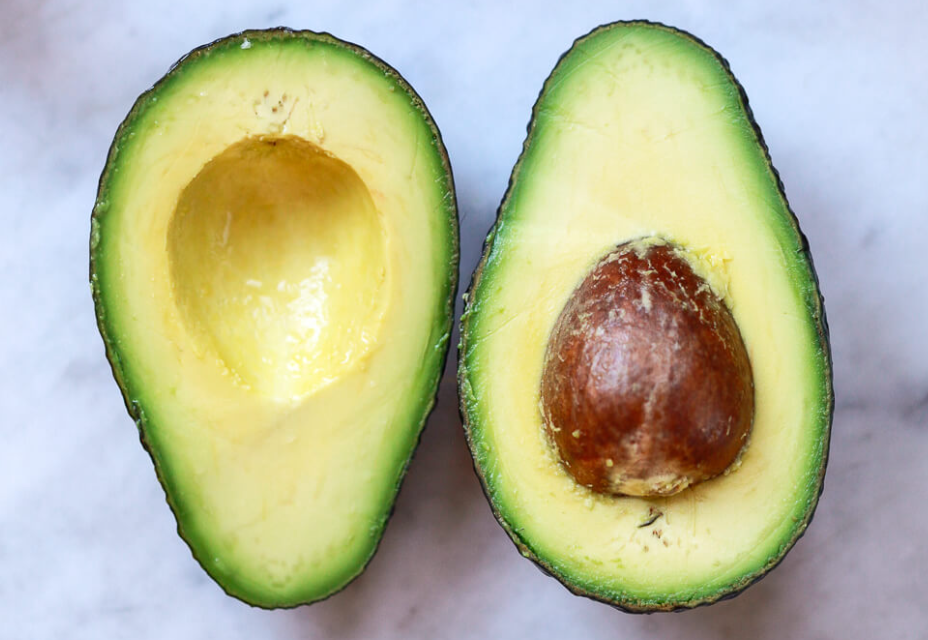
The flavor just wasn’t wonderful. Not bad, but not wonderful either. I made gravy using some cornstarch, and that wasn’t premier either. I ate some of the meat, with the small avocado I had bought at the IGA in Erwin for lunch, but not eaten then. The avocado was still green and very ripe. *I’m thinking that maybe adding some jalapeno might be the way to make this recover.

I put my homemade chicken stock in reused “Greek Gods Yogurt” plastic containers with tight fitting lids, and then freeze. I then have to thaw them in the microwave if I want to use the broth immediately.
(for about 2–2.5 lbs like in your photo)
(You can skip this step if you’re in a hurry, but it adds color and flavor.)
The bones and juices make an excellent base for beans or greens the next day. Just skim the fat, add fresh vegetables or beans, and simmer another hour.
Before shopping at the Town Market grocery, I had just come off I 95. After the Town Market I headed on to Hinnant Vineyards and bought six bottles, mixed, of Scuppernong and Muscadine juice (not wine). *I seem to recall that Mary Ann likes the Scuppernong. Only about $6 each.
After Hinnant Vineyards I looked for the shortest route to Nahunta Pork Center and that didn’t take long.
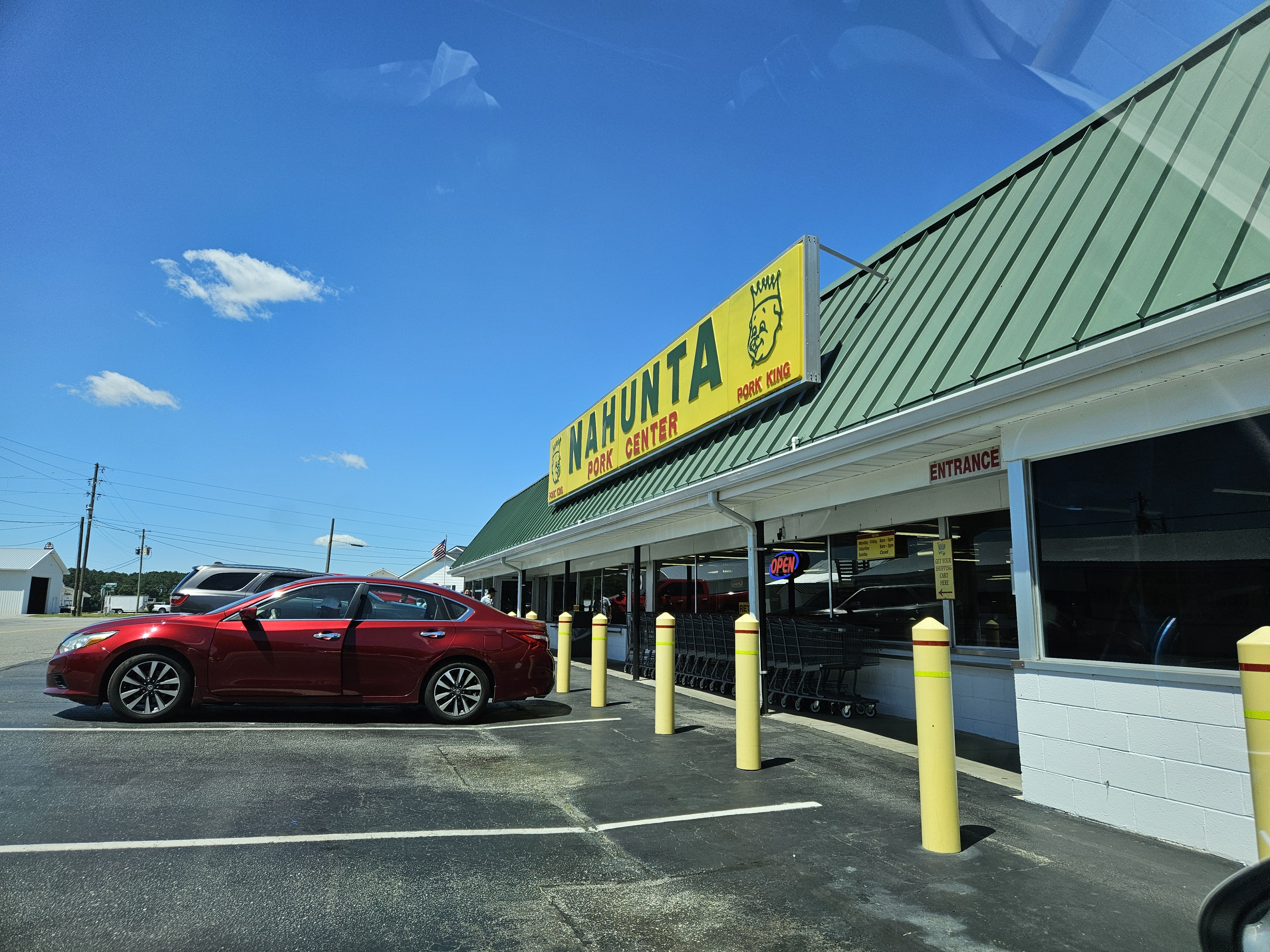
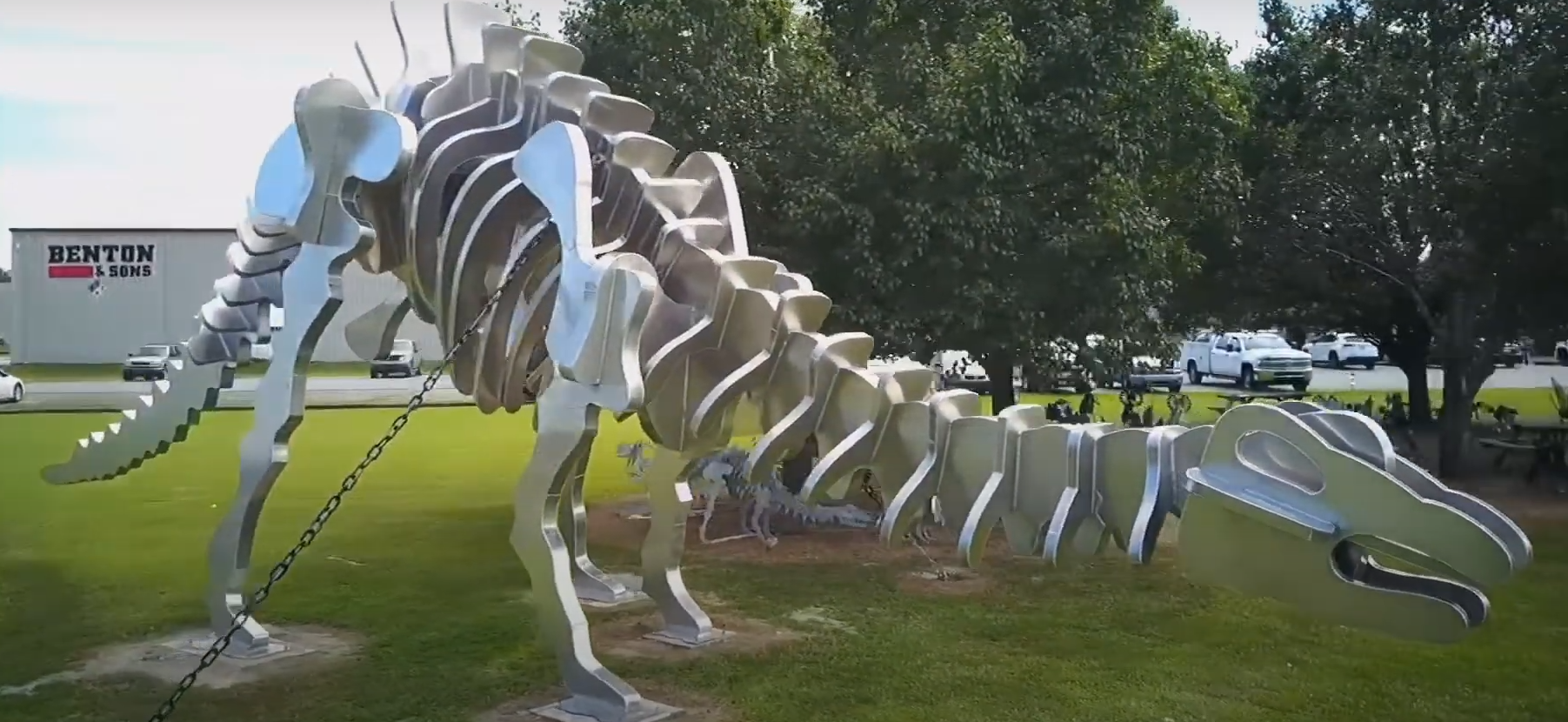
At Nahunta Pork Center, I bought three things: some seasoning meat, some hard pork rinds, and …?
After Nahunta, I headed to the Longhorn Restaurant in Goldsboro, but I did stop at a church along the way, to get further directions and then noted that they had a Little Lending Library (maybe not that specific brand), but I switched out books. I left them the ABC-Z book and I took one with the Pirate Black Beard.
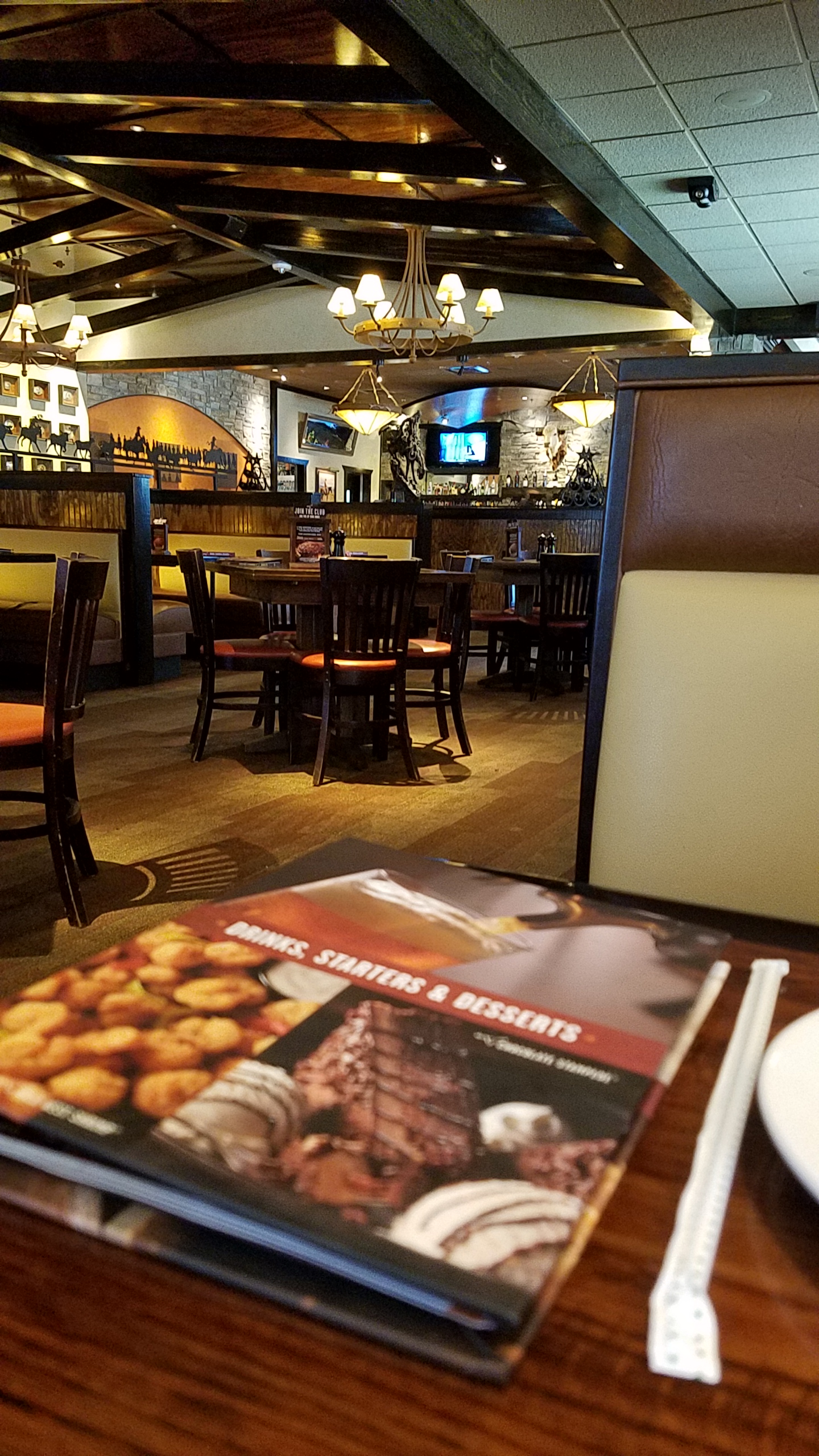
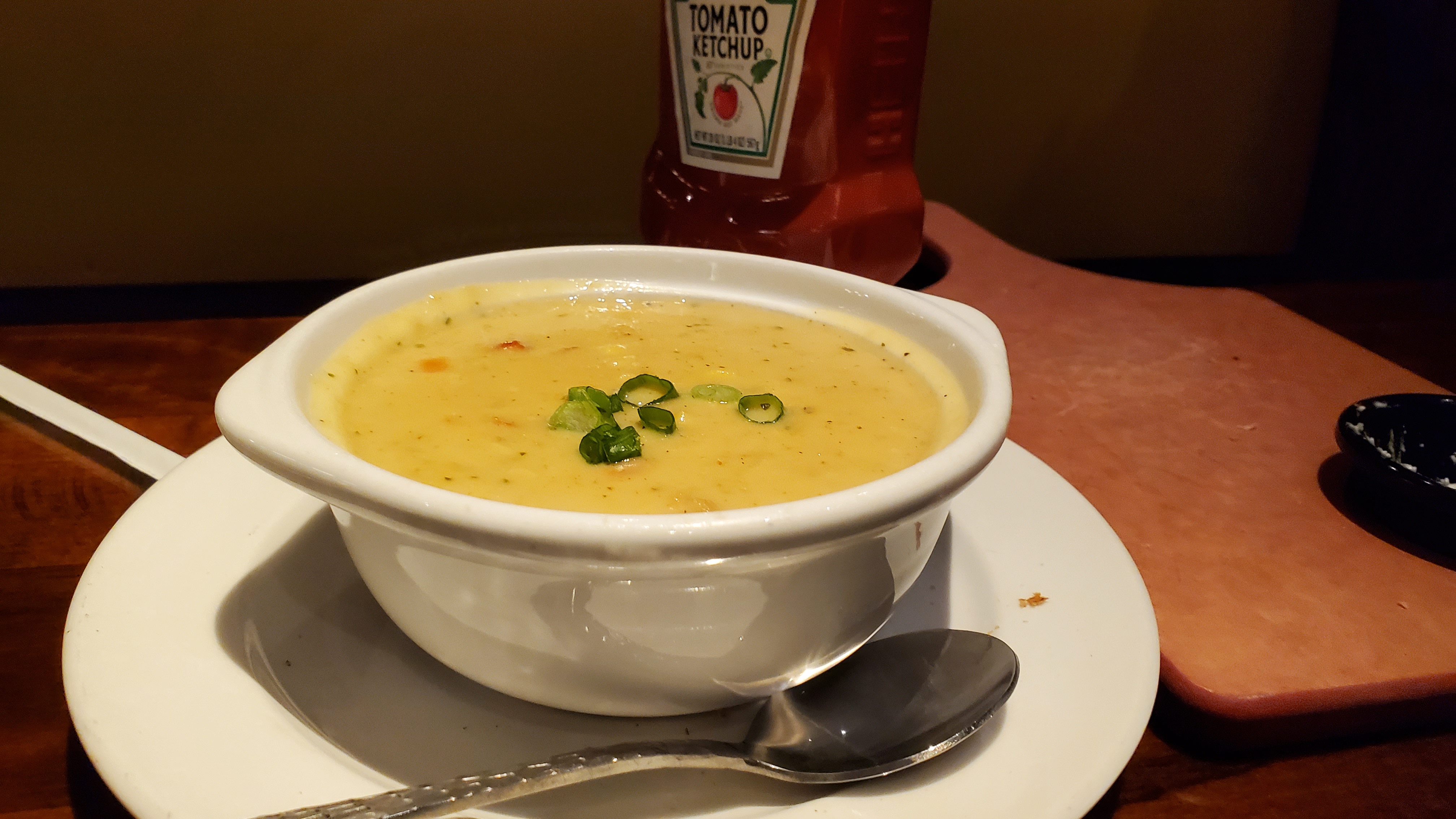
At Longhorn I didn’t have my usual, but ordered the Chicken Tenders, and Fruit Salad with Raspberry Vinagrette, the Shrimp & Lobster Chowder and I ate the whole loaf of appetizer bread. I think at home I figured out that I had probably eaten about 1,300+ calories in that one meal.
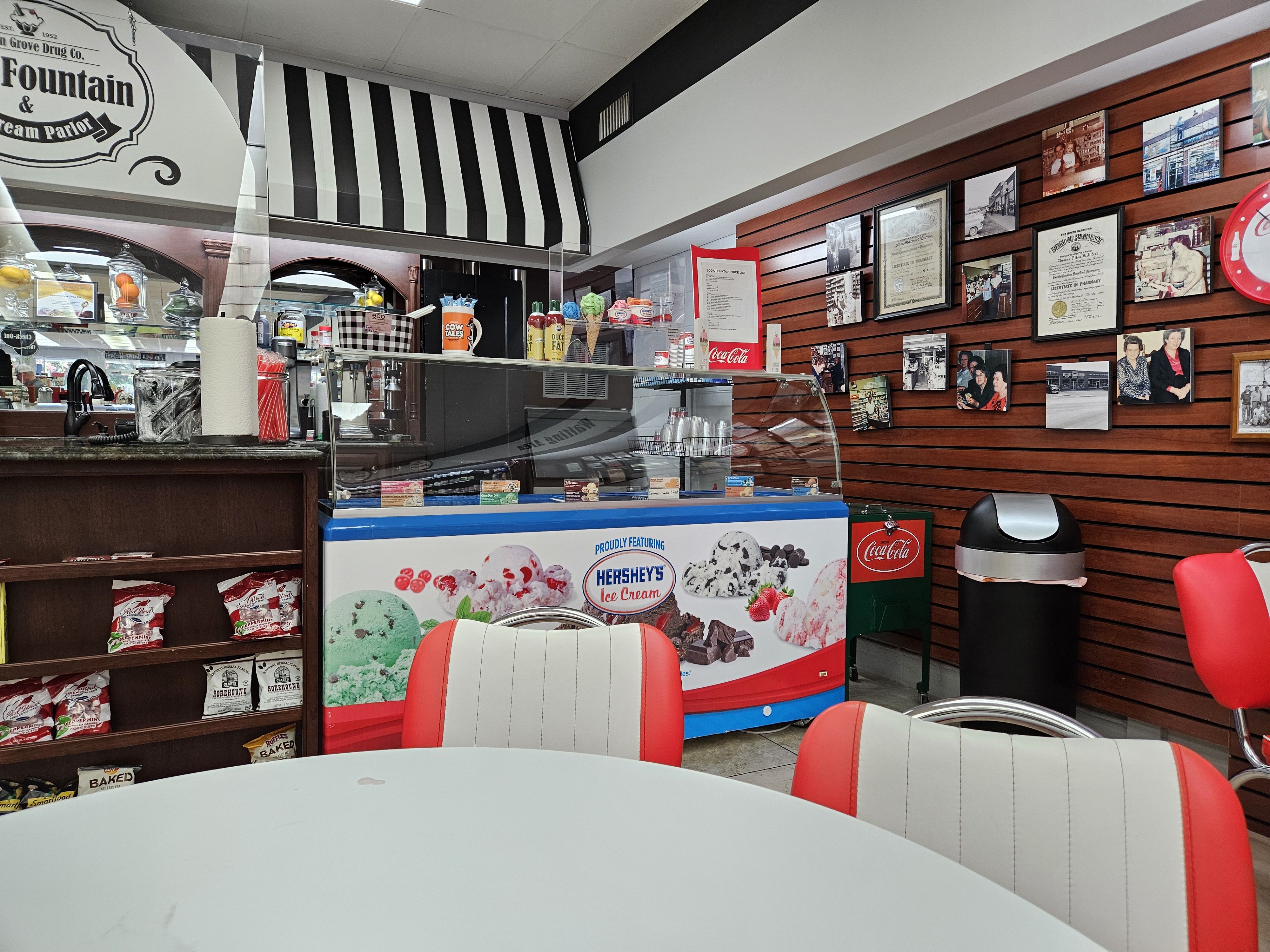
I did stop by the Wayne County Main Library and when I got to Newton Grove, I first stopped at the First Citizens Bank to cash a check, and then headed to the Pharmacy (their sign missing, but Elsie the Cow painted on the brick from years ago) and had a one scoop ice cream for $2. It was some kind of chocolate & coffee mixture. Delicious. *And recall they routinely give a generous scoop (more like 1.5 or 2 scoops) and the price is exactly $2, not $2 & tax.
Bitter melon (Momordica charantia), also known as bitter gourd or karela, is a tropical fruit-vegetable prized in many Asian and African cuisines for its sharp, distinctive bitterness and long history of medicinal use. It resembles a warty cucumber and is typically cooked rather than eaten raw. Despite its challenging flavor, bitter melon is nutrient-rich—providing vitamin C, folate, potassium, and fiber—and contains several unique plant compounds believed to have blood-sugar-lowering effects. Traditional medical systems such as Ayurveda and Chinese medicine have long used it to help regulate digestion and metabolism.

When it comes to blood sugar control, bitter melon contains natural insulin-like compounds—charantin, vicine, and polypeptide-p—that can improve glucose uptake by cells and enhance insulin sensitivity. Research shows that it may modestly lower fasting blood glucose and post-meal sugar levels, particularly when used consistently as part of a balanced diet. However, results vary between individuals, and while it can complement diabetes management, it should not replace prescribed medication. For those with type 2 diabetes, small portions of cooked bitter melon, stir-fried or stewed, can offer a natural aid to maintaining steadier blood sugar levels when combined with other whole foods and mindful eating habits.
NOTE [10/31/25]: I haven’t tried the raw bitter melon yet, but I did suck on a piece of dried melon, and later used a piece with my Fenugreek seeds to make a tea. I drank this late. This morning my resting blood glucose level was 92. [104 – 11/01/25] The warning may be to make sure you don’t use too much of this and make your blood sugar level too low. *Recall that yesterday morning I had an extremely high RBG level of 131. But I ate another helping of the Borlotti beans & Red Chard, polenta and avocado (but not the ground beef patty) yesterday, so that may have not been the culprit. [end NOTE]

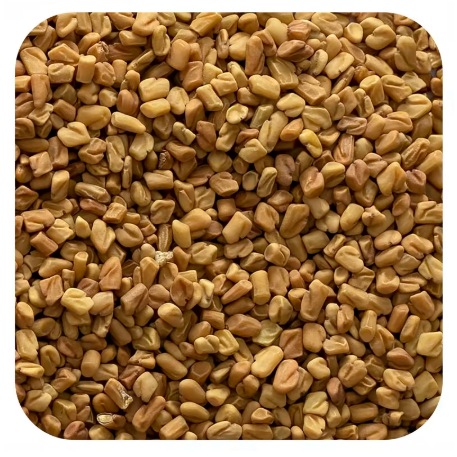
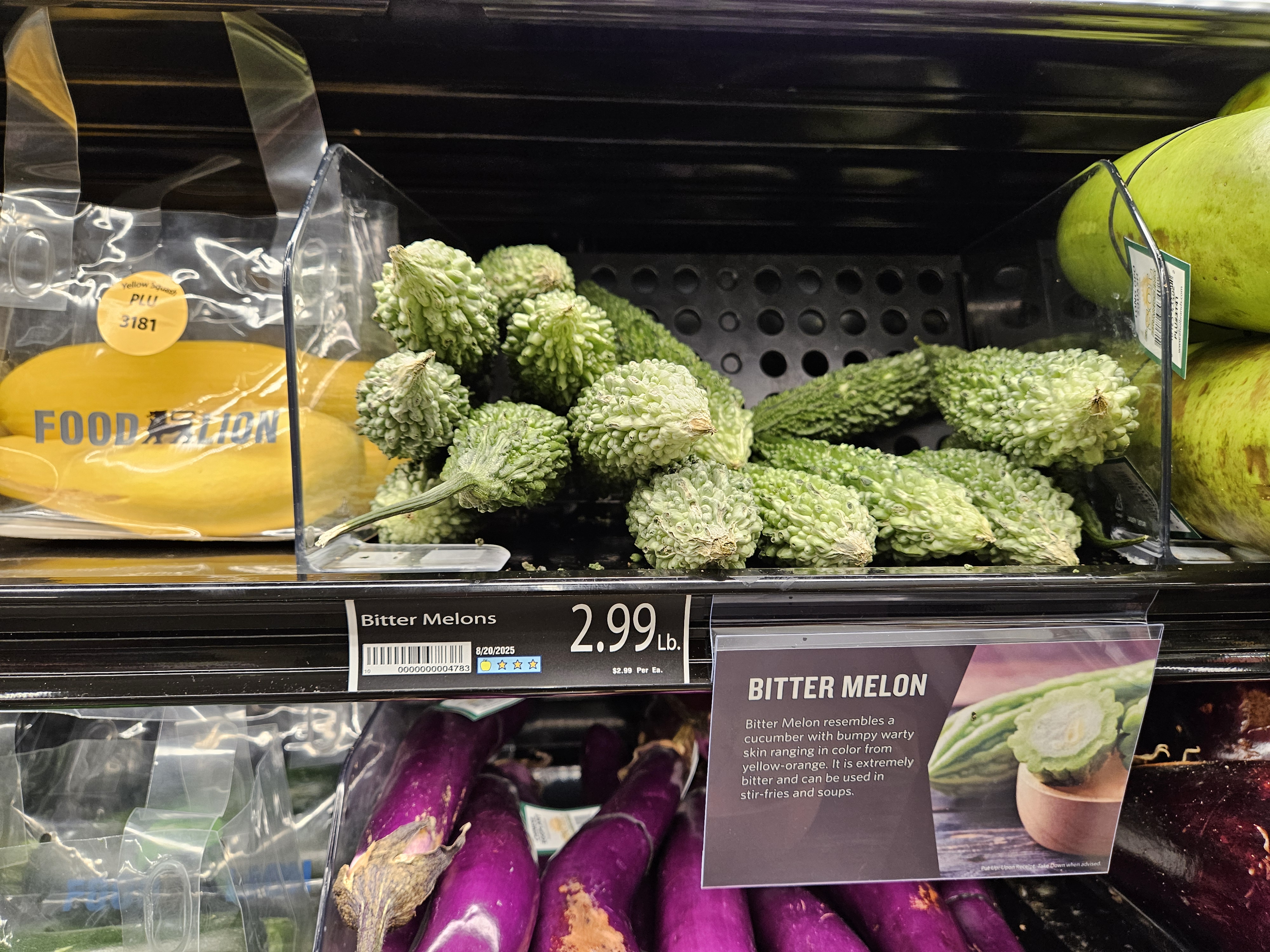
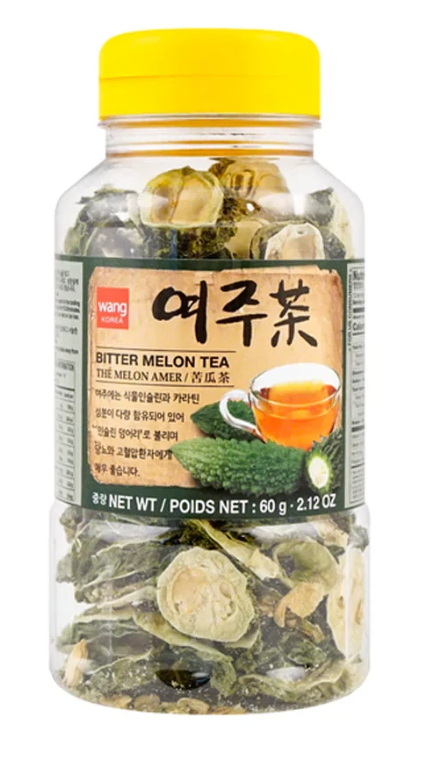
On eBay, the Wang Dried Bitter Melon is $14.99. I only paid about $8 at Sun Asian Market in Fayetteville. I found Bitter Melon at the Food Lion nearest me yesterday. That was a surprise. I don’t think they will carry these long, but shows someone is willing to try new things.
These 2 SPICY Foods Naturally Reduce 95% of Sugar in Just 8 Minutes!
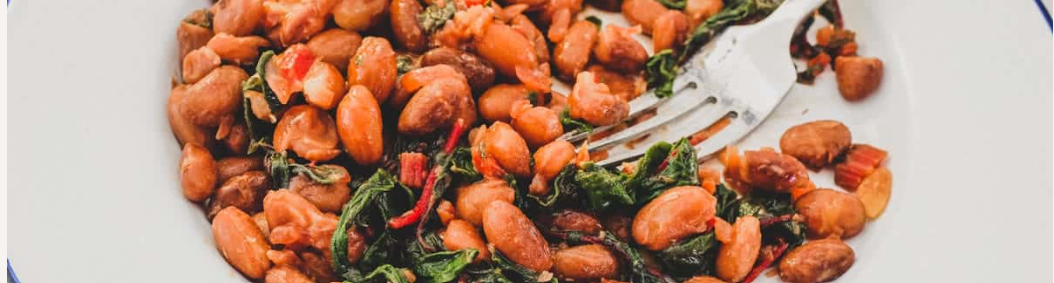
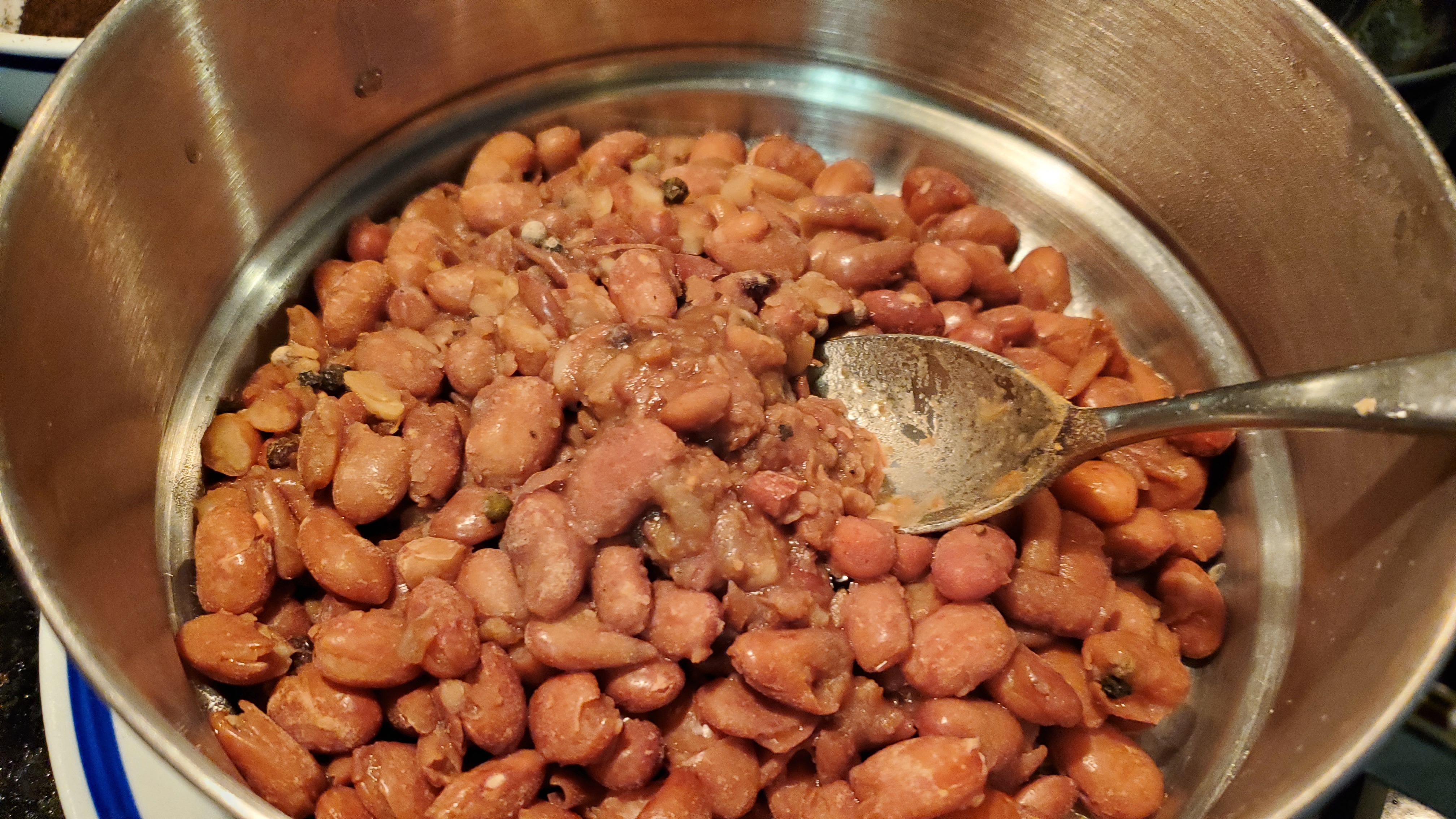
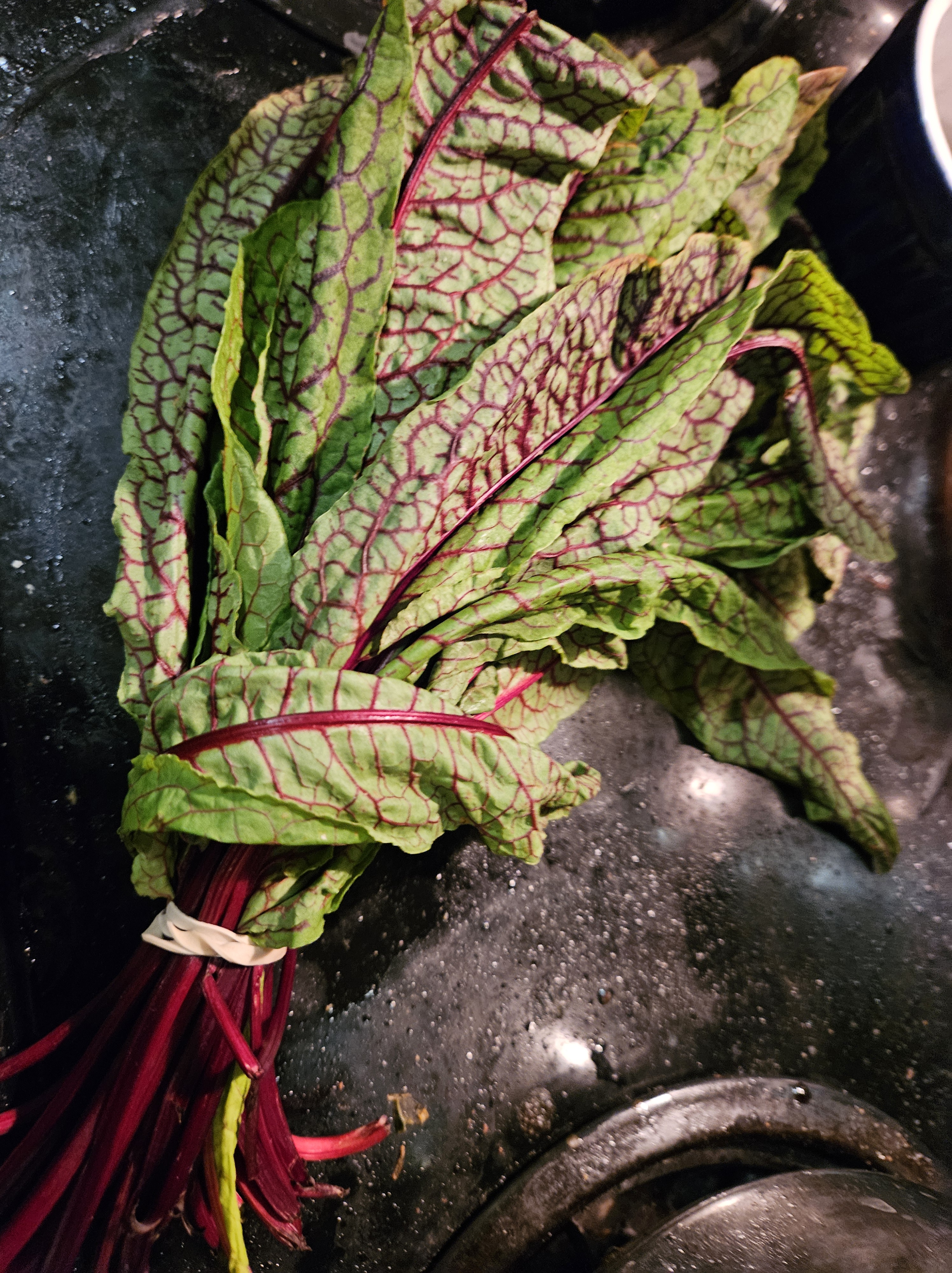
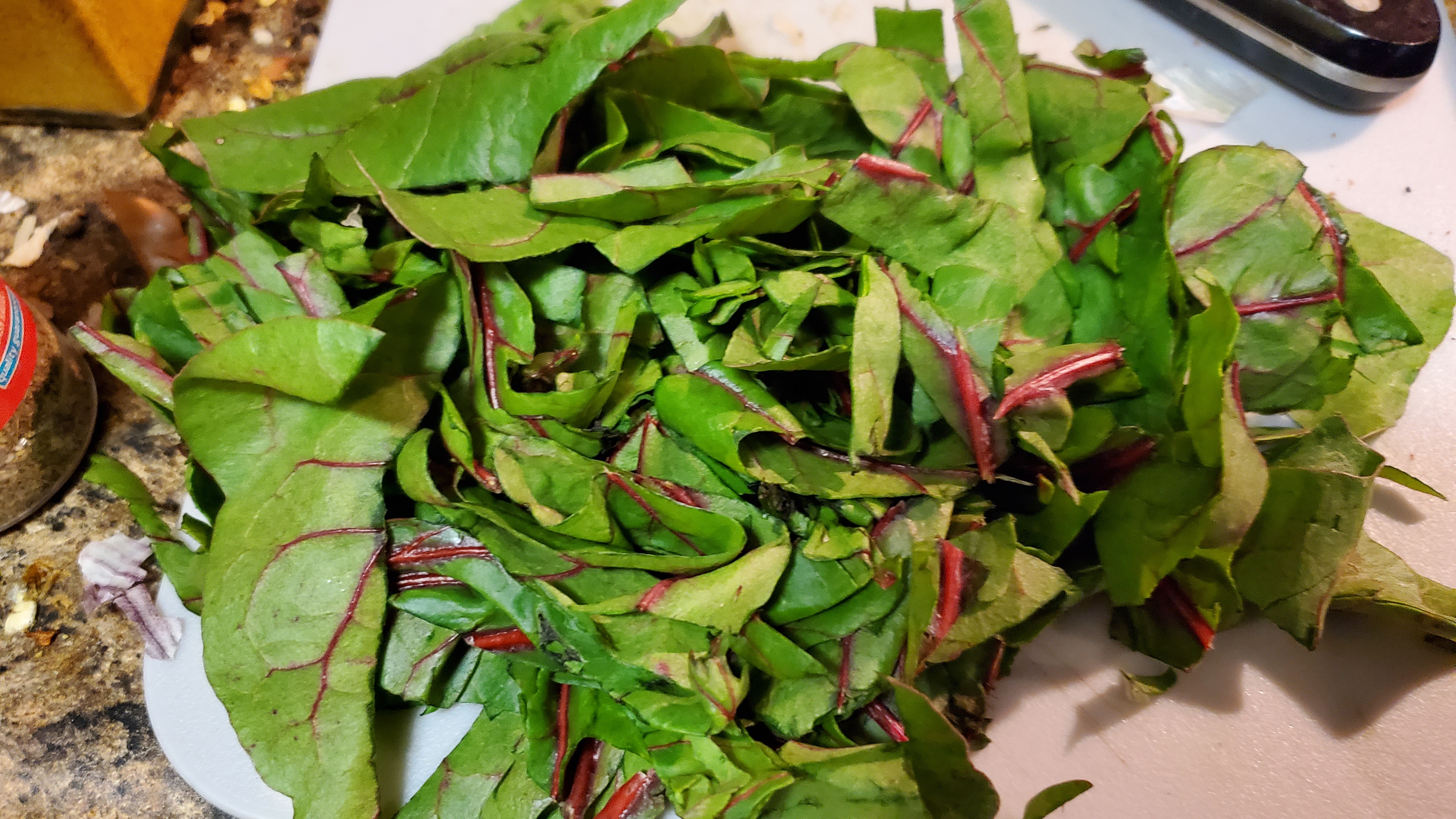
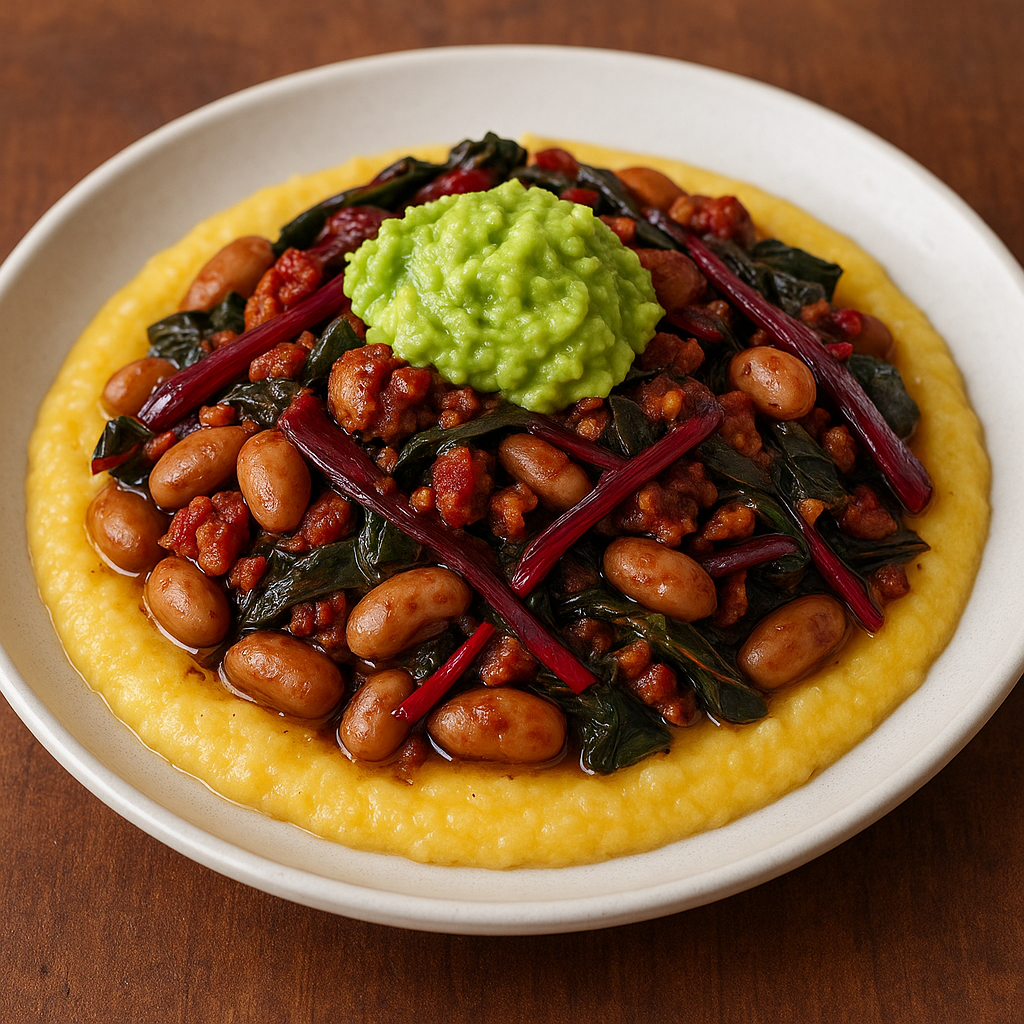
A rustic, nutrient-rich dish that layers earthy borlotti beans, sautéed red chard, and savory sausage over creamy polenta. The flavors balance beautifully — bitter, sweet, and rich — with a velvety avocado topping.
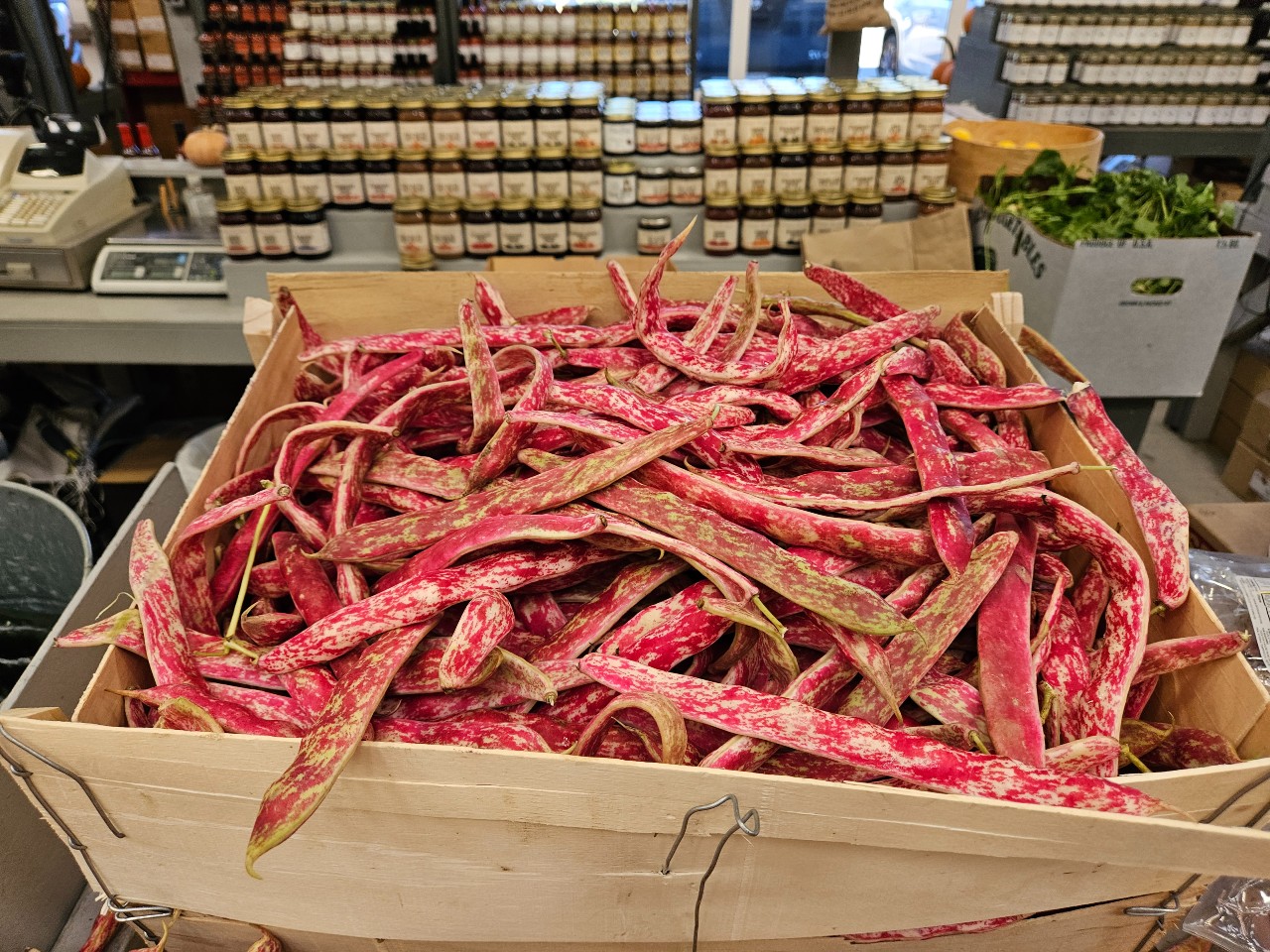
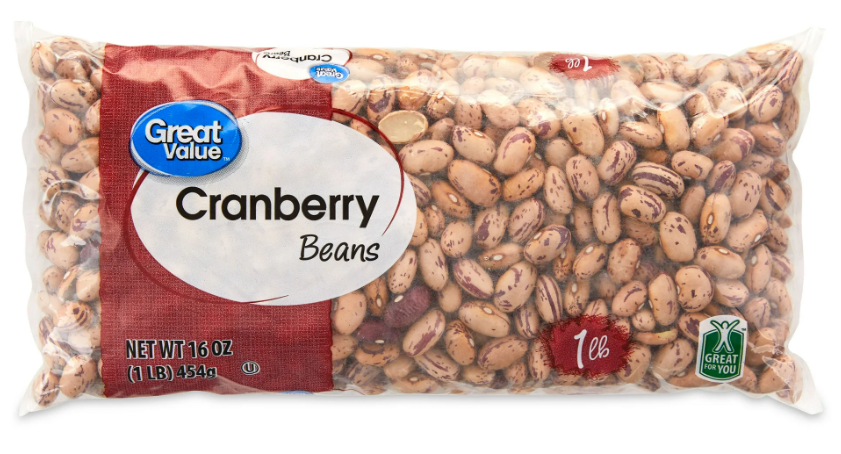
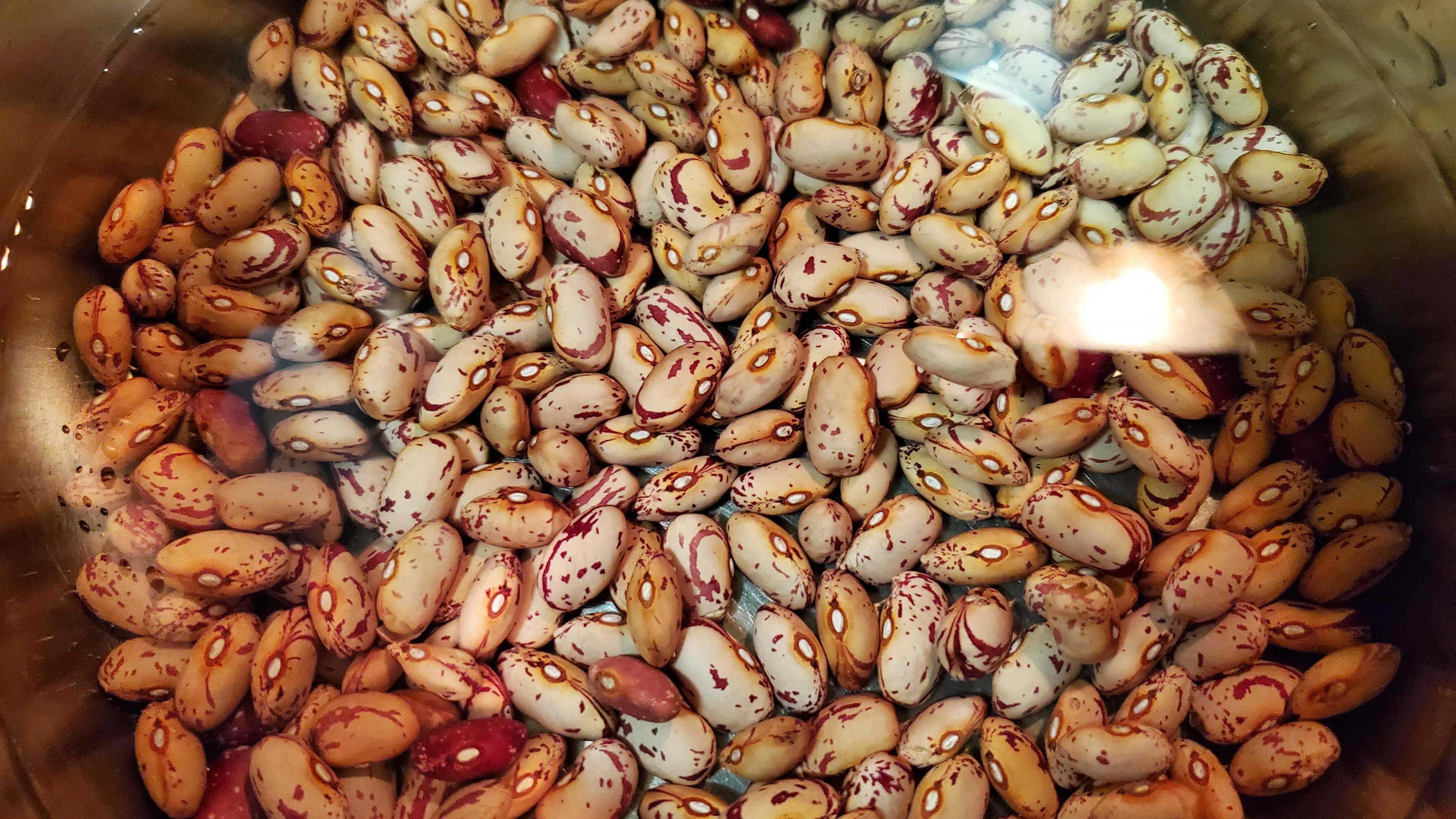
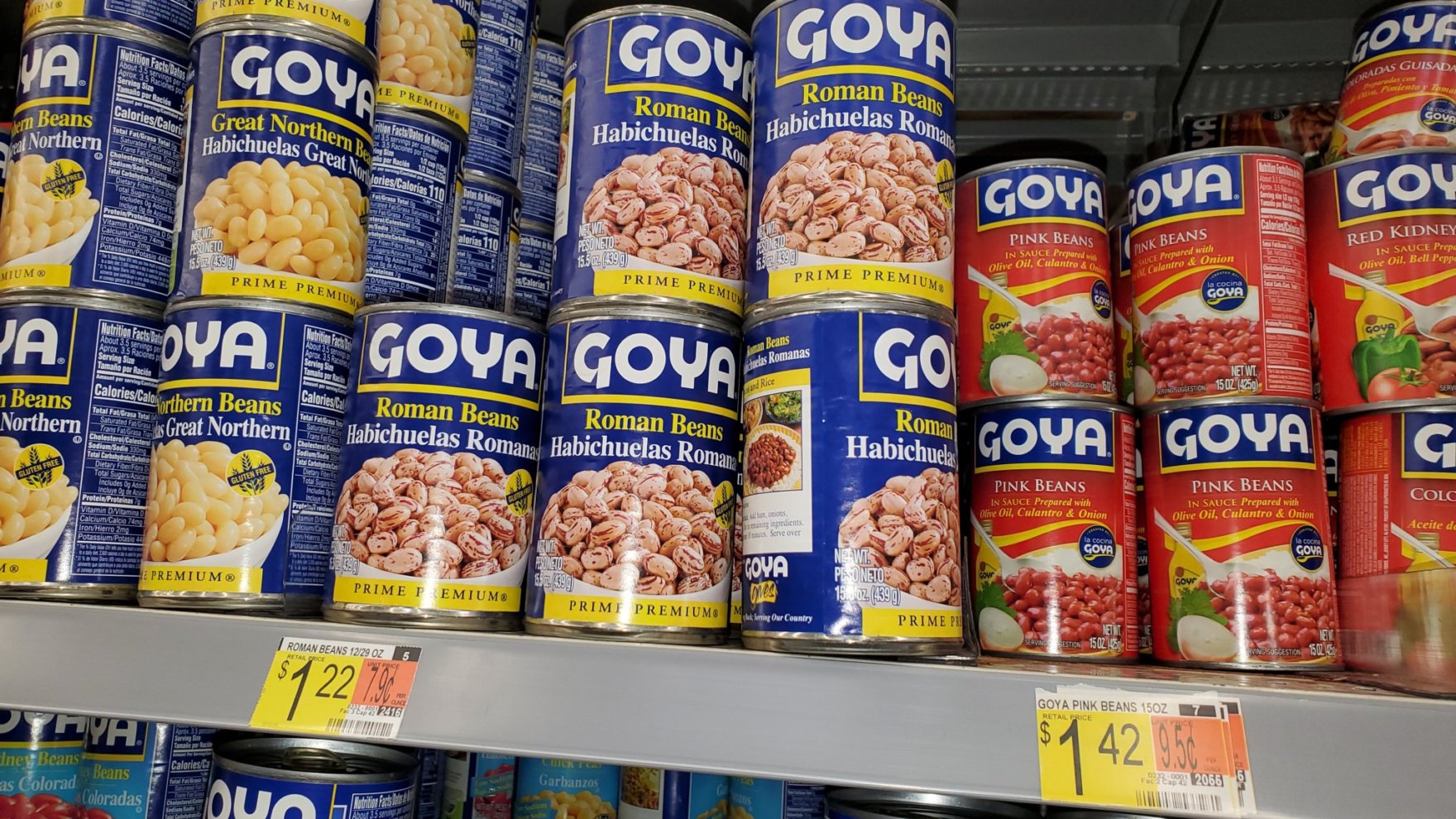
Recall that Borlotti beans have many other names: Cranberry, October & Roman.
NOTE [10/30/25]: I enjoyed the first time I fixed the Borlotti Beans and Chard dish. It may have been several years ago, but once again, yesterday, this dish is delicious and I still have two helpings left which I have packaged up in little plastic containers with a portion of polenta and the beans & chard. Just heat, and eat. *I really want to say that I love the flavors in this. For me to cook something that has such an unexpected pleasing flavor is highly unusual for me. [end NOTE]


STEPS FOR PRODUCING RESISTANT STARCH
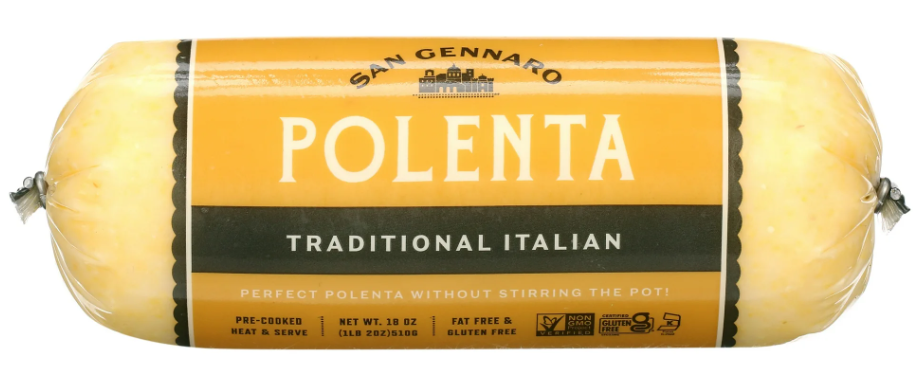
For your borlotti beans, let them cool completely after cooking, then refrigerate overnight before reheating; this converts some of their starch into resistant starch, which digests more slowly and steadies blood sugar levels. For the polenta, cook it, spread it in a shallow dish, and chill it before slicing and reheating — this simple cooling step helps form retrograded starch, lowering its glycemic impact. *If you are using pre-packaged polenta, it has already been cooked and cooled, so the resistant starch is already available.
Borlotti Beans & Red Chard Over Polenta
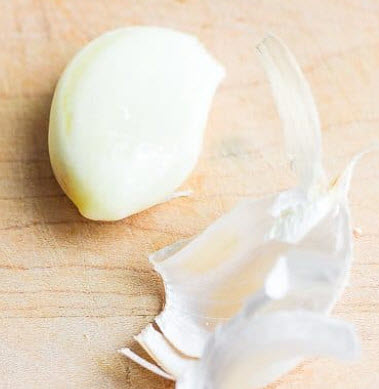
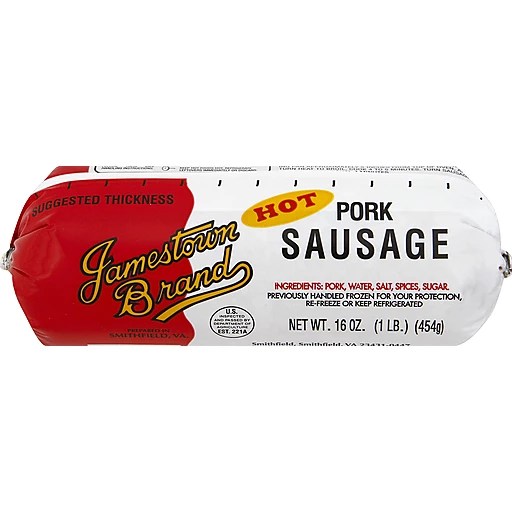
A hearty Mediterranean-inspired dish that combines borlotti beans, red chard, onions, garlic, and hot pork sausage, all sautéed in olive oil and served over a bed of creamy polenta. A dollop of avocado adds richness and healthy fats. The combination offers high fiber, a balance of plant and animal protein, and a variety of beneficial vitamins and minerals — all while maintaining a moderate glycemic load, making it ideal for a type 2 diabetic meal planning.
Nutrition Facts
Serving size: 1 plate (approx. 1/3 of recipe)
Servings per recipe: 2–3
Calories 430 kcal
Total Fat 23 g
Saturated Fat 5 g
Cholesterol 35 mg
Sodium 650 mg
Total Carbohydrates 38 g
Dietary Fiber 11 g
Total Sugars 3 g
Protein 19 g
Vitamin A 150% DV
Vitamin C 40% DV
Vitamin K 400% DV
Potassium 950 mg
Magnesium 80 mg
Iron 3 mg
Borlotti & Chard Recipe Online
For a colorful, bright side, serve the dish with pickled beets, whose tangy sweetness balances the earthy beans and chard while adding a gentle acidity that aids blood sugar control. Alternatively, lightly glazed carrots—sautéed with olive oil, a touch of balsamic, and herbs—bring a warm, caramelized sweetness that complements the savory polenta base. And, I just made a simple English cucumber & Campari tomato salad with vinegar and sweetener.
A warming, anti-inflammatory, digestion-boosting tonic using vinegars, roots, and classic Ayurvedic spices.
| Ingredient | Amount | Notes |
|---|---|---|
| Brown rice vinegar | ½ cup | Smooth base; adds mild acidity and trace minerals |
| Red wine vinegar | ¼ cup | Adds antioxidants and fruity depth |
| Filtered water | ¼ cup | Softens the acid balance |
| Fresh shredded turmeric root | 1 tbsp | Anti-inflammatory; provides golden color |
| Fresh shredded ginger root | 1 tbsp | Aids digestion and circulation |
| Ground fenugreek | ¼ tsp | Helps stabilize blood sugar and adds body |
| Ground Ceylon cinnamon | ¼ tsp | Natural sweetness, metabolic support |
| Crushed Indian long pepper (Piper longum) | ⅛ tsp (about ¼ of a pepper spike) | Enhances curcumin absorption; adds warm spice and aromatic depth |
| Honey, agave, or stevia (optional) | ½–1 tsp | To round acidity if desired |
Keeps refrigerated for 2–3 weeks.

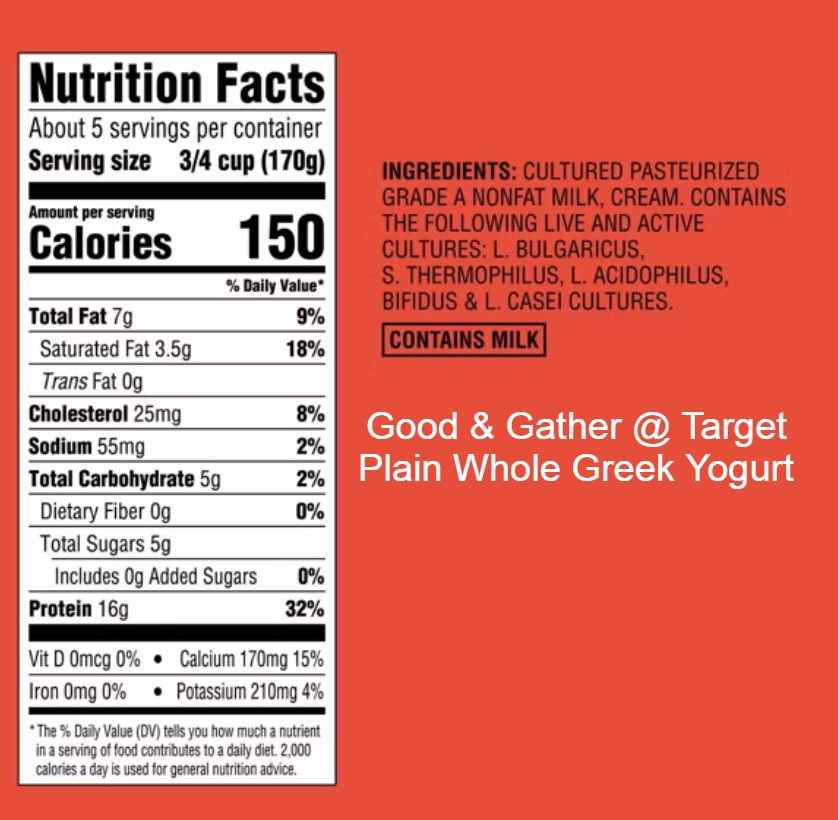

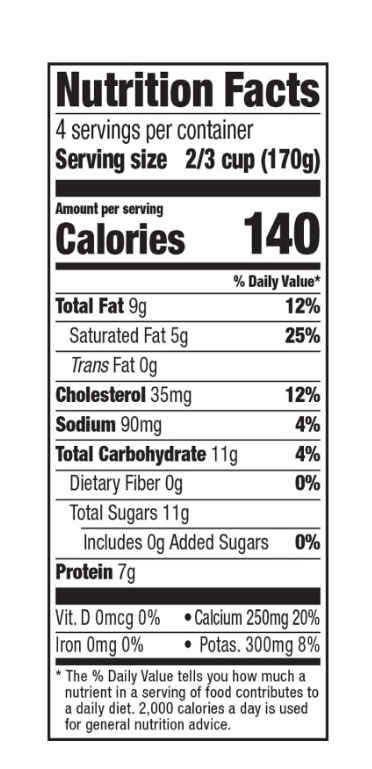


| Brand | Calories | Total Fat (g) | Sat Fat (g) | Carbs (g) | Sugars (g) | Protein (g) | Sodium (mg) | 32 oz. Price / Source |
|---|---|---|---|---|---|---|---|---|
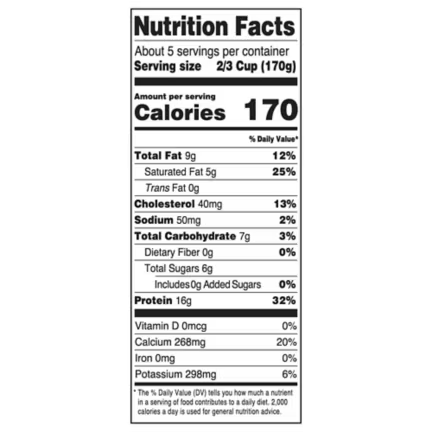
| bettergoods (Walmart) | 140🟩 | 6🟩 | 4🟩 | 7 | ~4 🟩(natural) | 16🟩 | 75🟩 | $3.93/Walmart |
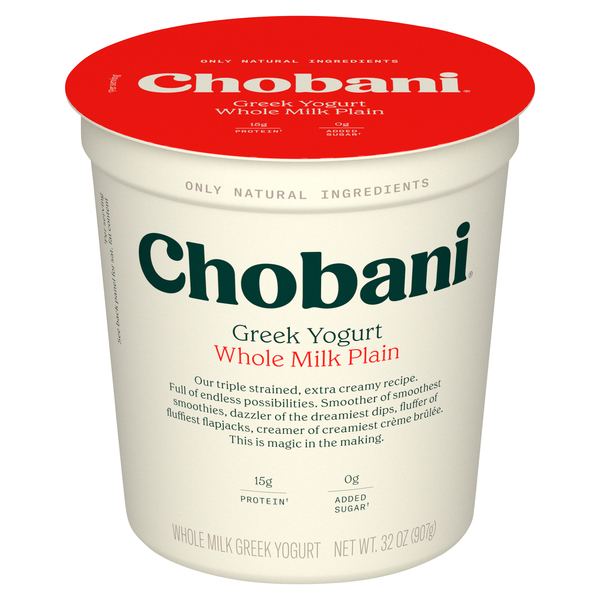
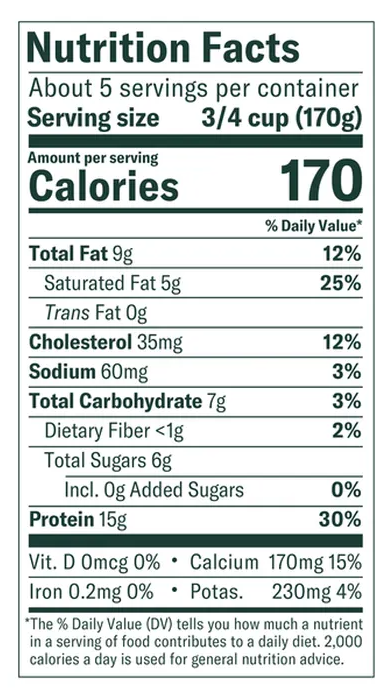
| Chobani (Whole Milk Plain) | 170 | 9 | 5 | 7 | 6 | 15 | 60🟩 | $5.99/Target |
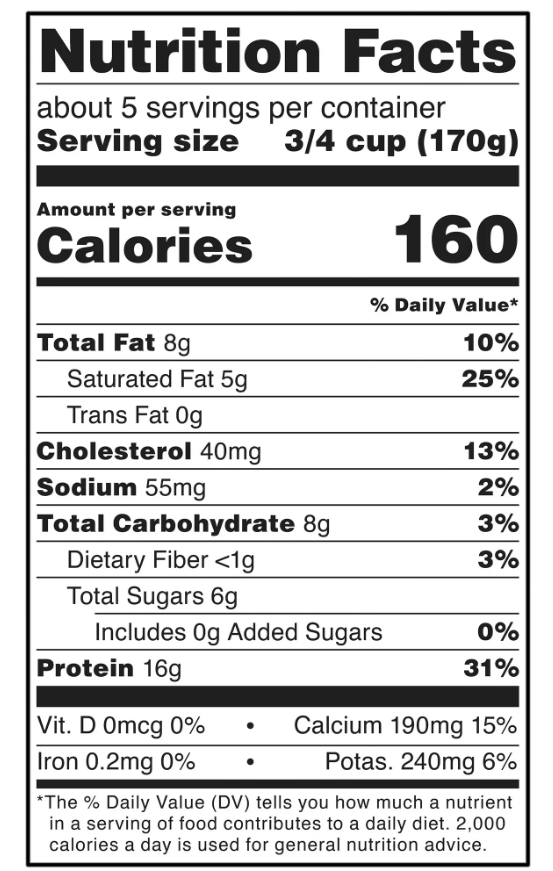
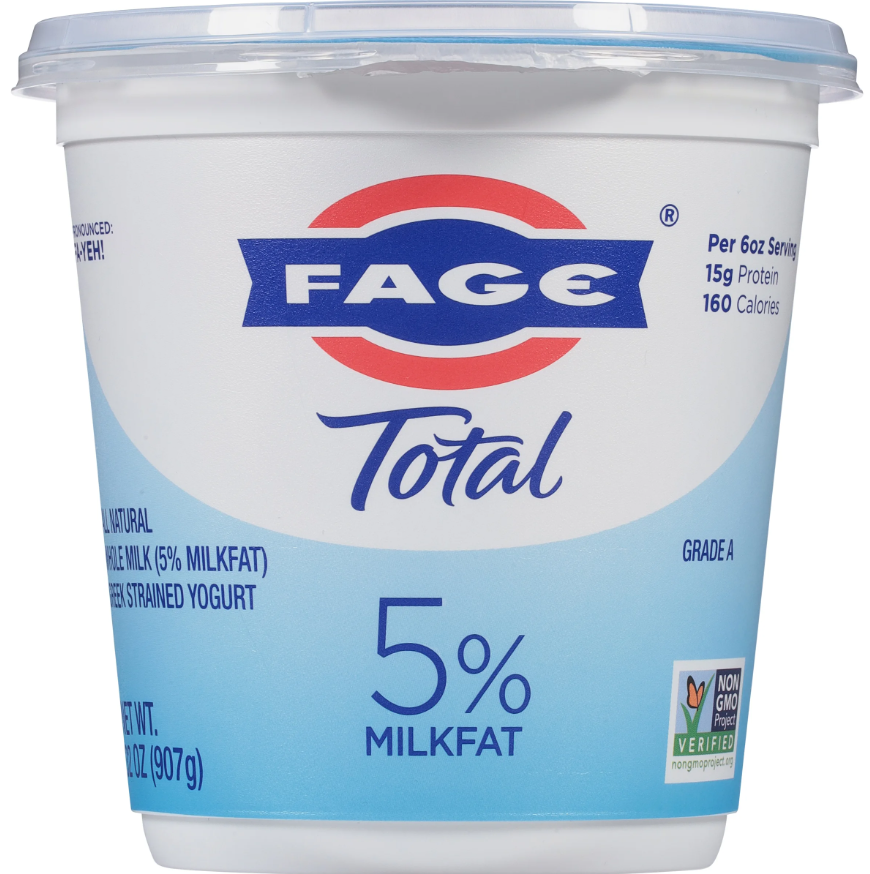
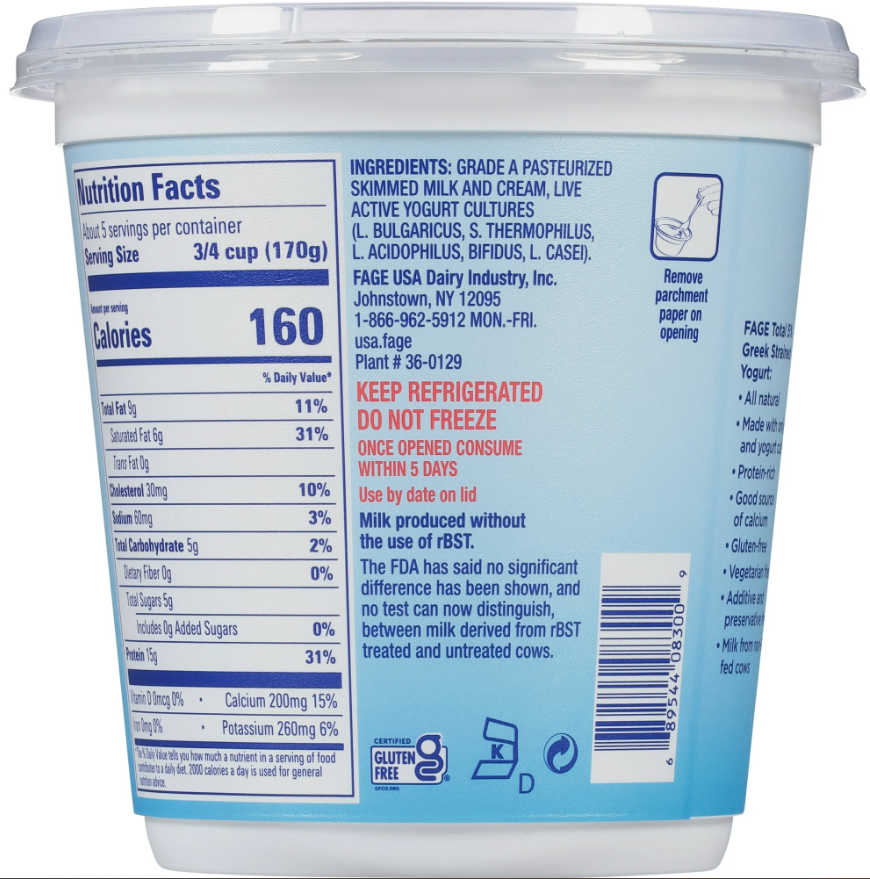
| FAGE Total 5% (All Natural) | 160 | 9 | 6 | 5🟩 | 5🟩 | 15 | 60🟩 | $6.96/Walmart |
| Friendly Farms (Aldi) | 170 | 9 | — | 7 | — | 16🟩 | — | $4.09/Aldi’s |
| Good & Gather (Target) | 150 | 7 | 3.5 | 5🟩 | 5🟩 | 16🟩 | 55🟩 | $3.99/Target |
| The Greek Gods (Traditional Plain) | 140🟩 | 9 | 5 | 7 – 11 | 9 (natural) | 7 – 9 | 110 | $6.63/Publix |
HUNGARIAN GOULASH
2 pound round steak, cut
in ½-inch cubes
1 cup chopped onion
1 clove garlic, minced
2 tablespoons flour
1 teaspoon salt
½ teaspoon pepper
1 tablespoon paprika
¼ teaspoon dried thyme, crushed
1 bay leaf
1 can tomatoes
(1 pound-12 ounce)
1 cup sour cream
Put steak cubes, onion, garlic in CROCK-POT. Stir in flour and mix to coat steak cubes. Add all remaining ingredients except sour cream. Stir well. Cover and cook on Low for 7 to 10 hours. Add sour cream 30 minutes before serving, and stir in thoroughly. (High: 5 to 6 hours, stirring occasionally.) Serve over hot buttered noodles.
(Assuming lean beef, Greek yogurt + light sour cream blend, and no added noodles)
| Nutrient | Amount |
|---|---|
| Calories | ~295 kcal |
| Protein | ~32 g |
| Total Fat | ~13 g |
| Saturated Fat | ~5 g |
| Carbohydrates | ~7 g |
| Fiber | ~2 g |
| Net Carbs | ~5 g |
| Sodium | ~350 mg (varies with salt & tomatoes) |
This is my follow-up to my short Asheville Trip that I made a little more than a year ago, and about five weeks before Hurricane Helene came through that area and caused major devastation.
I am planning on another quick trip to Asheville, hopefully leaving tomorrow, after two things in Fayetteville. First I am going to try and go to the Diabetes Ed class at 8 am. Maria XXX is supposed to have her helper, who’s first day should be today (10/20/25). Maria is in charge of the class and she is what ever they call those trained persons who can provide education and guidance for those suffering from diabetes. She offers a class, once a month, on “diabetic friendly” cooking, and each Tuesday she offers a training session. I don’t recall the number of sessions but they will restart after the first of the year. But, with Maria being “short handed” she has had to do the work of taking blood samples of the attendees, and so she never actually got around to the training portion of the class. I needed to leave and thought I would come back after she had her new assistant. *If she doesn’t have her new assistant tomorrow (Tue.) I will probably leave early.
After the diabetes training class, I have a doctor’s appointment with Dr. Norem at 9:45 am at Med One. Often Dr. Norem has been running late and I might have to wait 20 minutes before she actually sees me. But hopefully she will be on time tomorrow because… I am planning to go after the doctor’s appointment to Asheboro, North Carolina and eat at the No. 1 China Buffet. I love their food. *I need to remember to bring my “broccoli sprouts & radishes” with me because last visit they went so well with the other food from the buffet. If I get through with Dr. Norem by 11 am, it will still be about 12:45 pm before I make it to the Chinese restaurant for lunch. *It was so good eating there going up that I also ate there one the way back home, and still lost weight. I don’t know how.
It may be 2 pm before I try to go over to the Randolph County Main Library to visit briefly, maybe peruse a cookbook with a diabetic leaning, or read some other nutritionally leaning book. *This library has remained vibrant, post-COVID. COVID broke many libraries and other locations where people congregated, like buffet restaurants and ball games, and several libraries I’ve visited since are just shells of their former selves. Also, this library has a descent bathroom.
So, probably by 3 pm, I’ll start on my way to Asheville, North Carolina an the Quality Inn, Downtown Tunnel Road location. I’ve booked through the Choice Hotels website for a two night stay, checking out on Thursday morning. (Stay Tuesday & Wednesday nights.). *This was the hotel I stayed at, and enjoyed thoroughly, during my last brief visit to Asheville in September 2024. As I’ve mentioned elsewhere, it is an old hotel, but the management/owners have renovated all the rooms (according to Prince Patel) in the last few years. I know because I was so impressed by the “quiet flush” toilet in my room, and the other updated sink, and all the amenities that you normally expect. The only missing item was some meat on the free breakfast buffet the next morning. I think I had a waffle and that needs some kind of salty meat (bacon or sausage) for me to thoroughly enjoy it. If I think about it, I might even carry one of the sausages I bought at Lowe’s Foods recently and nuke it in my room’s microwave and carry it to eat with my breakfast.
[NOTE]: I know all the stuff above regarding what I am planning to do may not occur exactly as hoped, or described, but ya gotta make plans, live life as if you aren’t gonna hit a snag, and enjoy up to that last moment. [end]
*I wanted to drive down by the River Arts District, but couldn’t find it even with the help of ChatGPT. Was pressed for time so gave up, but did drive through an old cemetery down in that area.
But this posting is acting as an itinerary or hopeful one so that I can rehearse all the things I might want to see & do in the next few days. Recall that on my last visit, and trip to and from Asheville, I meandered wildly seeing and experiencing from Maxton to Laurinburg, Hamlet and through Charlotte, and on the way back, not a direct route either.
[THINGS i NEED TO DO PRIOR]
Take the following with me:
For Dr. Norem
I want to visit:
 Bill Gibson, II